




How to Build a Lasting Fleet Career by Staying Curious and Connected
Tina Kourakos never planned on a career in fleet. More than 30 years later, she says curiosity, strong relationships, and a willingness to keep learning helped turn an unexpected assignment into a career spanning fleet management and OEM leadership.

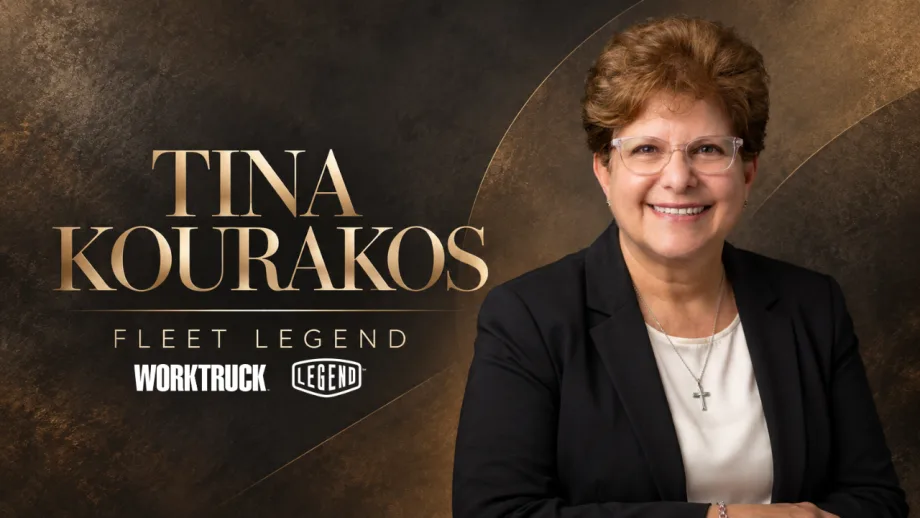
Fleet Legend Tina Kourakos built a career spanning fleet management, safety, purchasing, account management, and commercial fleet sales, with one lesson carrying through it all: keep learning, keep asking questions, and keep showing up.
Tina Kourakos | Work Truck
- Tina Kourakos transitioned into a fleet career unexpectedly and has sustained it for over 30 years.
- Key to her success has been maintaining curiosity and fostering robust relationships in the industry.
- Continuous learning and adaptation have been crucial to her roles in fleet management and OEM leadership.
*Summarized by AI
Many people in fleet have some version of the same origin story. They didn't grow up planning to manage vehicles, write fleet policy, or spend their days thinking about selectors, maintenance, and drivers.
Tina Kourakos definitely didn't. Her career started in strategic sourcing, where she purchased services across areas including building services, legal, and security. Fleet management was one of her internal customers, and after she helped with an RFP for fleet management companies, the fleet manager left the company. Then, Kourakos suddenly had a new job.
"I wasn't a car person," Kourakos recalled. And that could have been a disadvantage. But looking back, she thinks it may have been the opposite. “I think that helped me in my position because I wasn't emotional about the cars that I would choose and work within my various selectors."
Prefer to watch? Check out the full Legend of Fleet episode below or keep scrolling to read more!
Falling Into Fleet and Staying There
What was supposed to be another management opportunity became a career. Kourakos spent 17 years managing fleet at Cigna. During that time, she added a safety program, outsourced fleet operations, moved the company from purchasing vehicles to leasing, and became more involved in the broader fleet industry.
"When I started, I thought it would be a stepping stone for me," she said.
The position gave her experience managing people, budgets, and a department, so she planned to spend a few years there and move on to something else. But that didn't happen.
"I embraced it so much I didn't want to let my baby vehicles go," Kourakos said.
Through NAFA, Automotive Fleet, client advisory boards, and relationships with other fleet managers, Kourakos built a network outside her own company. One of those connections eventually helped lead her into the pharmaceutical industry.
She started there managing about 5,600 vehicles. An acquisition pushed the combined fleet to roughly 8,000, and additional growth brought the operation to just under 10,000 vehicles before she left.
Then another opportunity showed up from a direction she hadn't expected. Someone from Subaru approached Kourakos about a fleet account management position. Until then, her career had been in purchasing and fleet management.
"I never dreamed about being on the sales and account management side," she said.
But she knew the product, understood fleet customers, and decided to try something different. That move became a long career with Subaru of America, where she ultimately served as national commercial fleet sales manager before retiring.
Remember When Paperless Fleet Was a Big Idea
More than 30 years in fleet means Kourakos saw more than a few changes, but one of the biggest was simply how fleet managers did their jobs every day.
"When I started in fleet, the big buzz was that eventually your area was going to be paperless. And I was like, no way," she said.
Physical files existed for every vehicle, file cabinets dotted the operation, and paper was everywhere. One employee would make rounds twice a day looking through offices for files other people needed. Today, much of that information is a few clicks away.
"To look back on that and look at how now you just point and click, it's just an amazing change," Kourakos said.
The vehicles changed just as much. Airbags were only beginning to appear when she entered fleet. Since then, backup cameras, driver-assistance systems, and other safety technology have become standard parts of the driving experience.
And just when fleet managers get comfortable with one technology shift, another one usually arrives. When Kourakos retired, electrification was becoming a much larger part of the conversation, even as vehicle availability and charging infrastructure were still developing. Then COVID-19 hit, and vehicle supply became a challenge of its own.
There was always something else to figure out.
"Even in my last few days, I learned something new almost every day," she said.
Be a Sponge
When asked what she wishes she had known when she first entered fleet, Kourakos didn't provide a complicated answer.
"Be a sponge. Listen to the people willing to teach you. Go to industry meetings even if you don't know anyone in the room. Ask questions. Bring vendors in and let them explain their area of the business."
Kourakos remembers one vendor who chose a different topic every time he visited and used part of the meeting to educate her. That stuck with her, and so did one of her earliest lessons about the fleet community.
After developing a vehicle selector, Kourakos' manager told her to call competitors and ask their fleet managers what they were offering. Coming from strategic sourcing, she didn't expect that conversation to go very far. But she called anyway.
"Everybody shared. It just amazed me," Kourakos said.
She found the same thing after moving into pharmaceutical fleet management. Other fleet managers were willing to compare notes, talk about what was working, and help one another solve problems. For someone new to fleet, that willingness to share can shorten a pretty steep learning curve.
"Nobody grows up to be a fleet manager," she said.
Plenty of people enter fleet through a promotion, reorganization, or because vehicles simply landed under their job description. Kourakos advises getting involved early. Meet with vendors, attend industry events, and participate in associations or advisory groups.
Those relationships can become invaluable when a problem eventually lands on your desk.
Fleet Leadership Still Comes Down to People
When Kourakos talks about leading a successful operation, she comes back to people. Treat employees the way you would want to be treated, be honest and transparent, build trust, stay out of gossip and negativity, and above all, communicate.
"Communication is really, really important," she said.
For Kourakos, that meant department meetings, one-on-one conversations with employees, and regular communication with management. It also meant making sure leadership knew what team members were accomplishing, instead of letting all the attention stay at the manager level.
It also meant listening to drivers. She noticed that connection change after her department outsourced parts of fleet management. She stopped getting as many direct calls from drivers and realized she missed hearing what was happening on their side.
Those calls weren't always comfortable. A driver might be frustrated because the fleet management company wouldn't approve something, even though the restriction came from company policy. That gave Kourakos the chance to explain not only what the policy said, but why it existed.
"You turn somebody from being upset into someone who understands the reason behind the decision,” she said.
Data Is Only Useful If Somebody Uses It
Fleet managers certainly aren't short on data today. Kourakos remembers a very different version of information overload. Some fleet reports were once so large they arrived through the U.S. mail because they couldn't be sent electronically. The format has changed; the problem really hasn't.
"There's so much information out there," she said. "Make sure that you utilize all the information that's out there."
Her recommendation is to manage by exception where possible, narrowing the flood of information into the areas that actually need attention. She learned that lesson in a pretty literal way.
At one point, Kourakos realized she had stopped receiving reports she normally used. When she asked an employee about them, she discovered the reports were still coming in. They were just being filed away.
"I get those reports because I use that information," she recalled telling the employee.
That story may come from the paper-report era, but swap the filing cabinet for a dashboard nobody opens, and the lesson holds up just fine. Fleet data isn't valuable because you have it. It becomes valuable when someone pays attention to it and does something with what it is saying.
Make Time to Get in the Room
Kourakos also encourages newer fleet professionals to visit supplier facilities and see firsthand how their partners operate. You may discover capabilities you didn't know were available. And even with email, text, video calls, and more ways to stay connected than she had when she entered fleet, Kourakos still believes there is value in actually getting people together.
"There's only so much that can be accomplished by email, text, and voicemail," she said.
She remembers relationships with fleet management companies occasionally feeling strained between meetings. Then everyone would get back into the same room, talk through what was happening, and things would improve.
"When you have those face-to-face communications, it really changes," Kourakos said.
After more than three decades spanning fleet management, safety, purchasing, account management, and OEM commercial fleet sales, that may be one of the simplest takeaways from Kourakos' career.
Keep asking questions, keep talking to people, and keep showing up. Because no matter how much the vehicles and technology change, nobody has this business completely figured out.
More Operations
Think You Know Trucks? Take Our 19-Question Fleet Trivia Challenge
From chicken lights to diesel engines and trucking history, test your knowledge with 19 questions from the 2026 Work Truck Exchange and Heavy Duty Trucking Exchange.
Read More →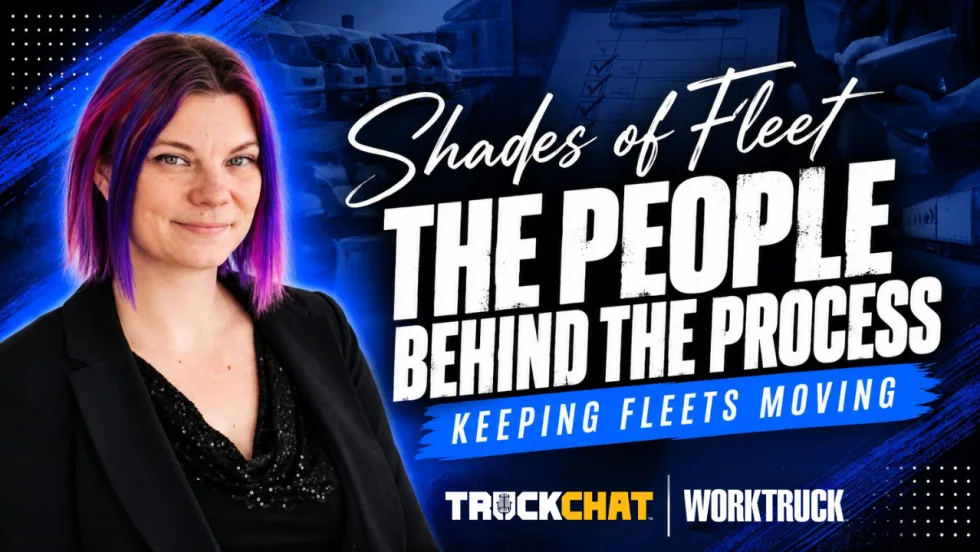
Where’s My Truck: Inside the Fleet Logistics Work Nobody Sees
Shades of Fleet video thumbnail featuring Lauren Fletcher beside the text “The People Behind the Process, Keeping Fleets Moving,” with fleet vehicles and logistics imagery in the background.
Read More →
Work Truck Seeks Fleet and Industry Insights on 2026 Trends and 2027 Forecasts
Work Truck is seeking insights from fleet leaders and industry partners on the trends that shaped 2026 and what commercial fleets should prepare for in 2027. Participate today!
Read More →From Our Partners
Basic Tracking vs Next Generation Fleet Technology
Sponsored by AT&T Business
5 Facts Every Fleet Manager Should Know About Embedded Telematics
Sponsored by Stellantis/Mobilisights
How AI Video Telematics Boosts Driver Safety and Helps to Avoid Unnecessary Costs
Sponsored by Verizon Connect

Charting the 8 Bottom-Line Benefits of Workforce Optimization
Sponsored by Verizon Connect


It's 10 p.m... Do You Know Who Has Access to Your Fleet?
Preventing cargo theft requires investment in technology, operational processes, and employee training. In an industry with tight margins, it can be difficult to justify investments whose value is measured by incidents that might never occur.
Read More →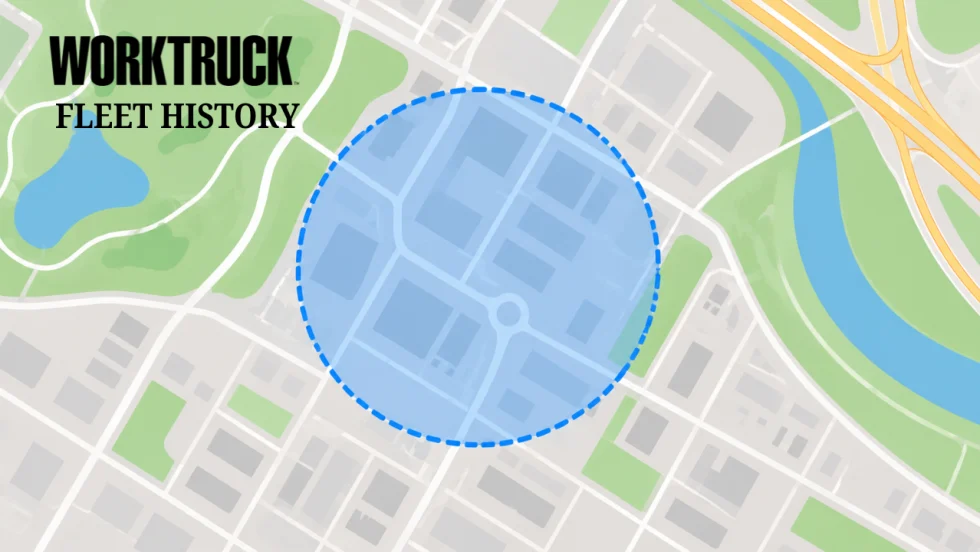
GeoFencing Adds to Your Truck Security Arsenal
Geofencing is a familiar fleet tool today, but its early adoption marked a major shift in vehicle tracking, route monitoring, and the debate over employee privacy.
Read More →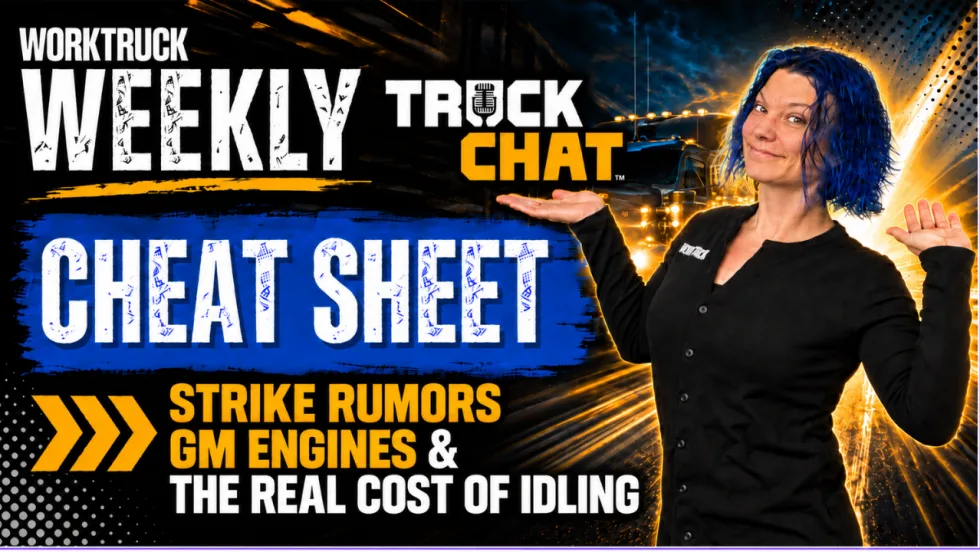
Truckers’ Strike Rumors, New GM Engines, and Hidden Idling Costs Lead This Week’s News
Truckers’ strike rumors, GM’s new 2027 engines, hidden idling costs, racing lessons, IRP rules, and more headline this week’s Truck Chat Weekly Cheat Sheet.
Read More →
Shades of Fleet Wants to Hear From You About Building a Culture of Care
Fleet leaders, we want to hear from you. Share how empathy, trust, and creating space for people can strengthen your team, improve performance, and support retention.
Read More →
What Racing Can Teach Work Truck Fleets About the Work Nobody Sees
Race car driver and mechanical engineer Isaac Johnson shares practical lessons on preparation, relationships, setbacks, and building teams that perform when it counts.
Read More →
New Fleet Guides, Hidden Truck Wear, and Driver Fit Lead This Month
Our latest Truck Chat recap covers new Fleet Guides, hidden idling costs, driver fit, lighter-truck registration rules, and year-round technician appreciation.
Read More →
Work Truck Takes Fleet Rivalry Downhill to Support Skilled Trades
Team Fletcher claimed a head-to-head win and second overall as Work Truck and Automotive Fleet helped raise $22,000 for the Hourglass Foundation.
Read More →