




Charting the 8 Bottom-Line Benefits of Workforce Optimization
The pivot to a delivery model for many companies has placed a heavier responsibility on fleet operations to contribute directly to the bottom line, requiring higher productivity and efficiency. By optimizing their workforce, fleets may experience significant bottom-line benefits.
[EMPTY CREDIT]


With the ongoing pivot by many companies to an at-home delivery model, fleet operations will likely expand if not in size, at least in scope. As a consequence, fleets will become a crucial component in delivering bottom-line value as the economy moves to the new normal of the post-COVID world.
In fact, the last-mile delivery market is expected to grow from its current $39.57 billion to about $66 billion by 2026; a yearly 8.9% compound annual growth rate (CAGR).
To put it in practical terms, fleets will need to meet this challenge by either expanding — the U.S. Bureau of Labor Statistics predicts a 5% job growth for delivery drivers annually until 2029 — or they’ll need to become more efficient. In all probability, they’ll have to do both.
Many fleets are already highly efficient, relying on fleet management solutions, including telematics, to monitor driver behavior, vehicle health, and asset location. But as companies become reliant on their fleet operations to contribute directly to the bottom line, they need a way to manage both their vehicles and their field employees to maximum effect.
The Bottom-Line Benefits of Connectivity
Fundamentally, fleet management solutions, such as telematics, can optimize workforce management by providing full connectivity with and visibility on each individual field employee. This connectivity also helps gather necessary data on the realities of the current operations, providing insights into areas where the operation can be improved.
And by turning their telematics solution to a focus on workforce optimization, there are eight potential bottom-line benefits that fleets may experience, including:
- Cost-efficient customer service. Customers can receive superior customer service, but in a way that isn’t cost prohibitive. Data can be used to benchmark how long a delivery or service call should take, helping to set schedules, routes, and other operational functions.
- Accurate, reliable navigation. Being able to get to a location quickly and efficiently will help field employees improve their productive hours. At the core of many fleet management solutions is accurate GPS and mapping functionality that provides turn-by-turn directions to any address.
- Flexible scheduling and planning. As the past year has proven, flexibility is paramount in meeting customer needs. The unforeseen can happen at any time, and a robust telematics solution can help fleet, delivery, or service managers meet unexpected demands or emergencies.
- Better visibility in the field. Field employees are typically resourceful and independent, but being able to monitor whether they’re staying on schedule and are safe and secure will help them better utilize their work hours and benefit the entire enterprise.
- Dispatching based on specific needs. With a data-driven telematics solution, fleets can meet specific surges or reapportion assets where and when they’re needed most.
- Optimized routes and fuel costs. Route optimization tools will help dispatchers develop schedules that increase the number of jobs and appointments a field employee can accomplish, while decreasing the amount of fuel used. Cutting fuel costs is an ongoing challenge for many fleet managers, and route optimization is among the most significant ways that fuel use can be slashed.
- Less paper, more time to work. Workforce management tools can take the burden of paperwork out of the hands of your field employees. Forms can be filled in automatically with reports and invoices generated electronically and submitted directly to back-office and administrative personnel. This frees the field employee to focus on their primary job.
- Near real-time communications. Communication is the lifeblood of any field organization, and fleet management solutions will help to optimize the ability for dispatch and other office personnel to stay in touch with field employees and vice versa.
Optimizing Your Toolbox
To successfully optimize your workforce, you need the right tools. Working with a partner committed to your company’s success and your field employees’ productivity and safety is the critical first step to meet the growing demand for an optimized workforce.
Verizon Connect Workforce provides the tools enterprise-size fleets need to optimize their field operations. The complete job and mobile worker management solution automates manual processes, giving workers easy-to-use mobile apps to help them do their jobs in the field efficiently, productively and safely.
Here are some of the many benefits of Verizon Connect Workforce:
- Improved resource allocation with dispatching and planning tools.
- Optimized routing for better productivity
- Connectivity with mobile workers
- Tools designed to improve worker communication with back-office staff
- Digital proof-of-service collection in the field
- Cut down on manual processes with automatic notifications and alerts
- Provide enhanced communication with customers
For fleet managers and stakeholders, Verizon Connect Workforce can help you determine if current vehicle and staff levels are correct, plan for future growth with capacity planning, and test what-if scenarios to enhance operational decisions.
More Operations
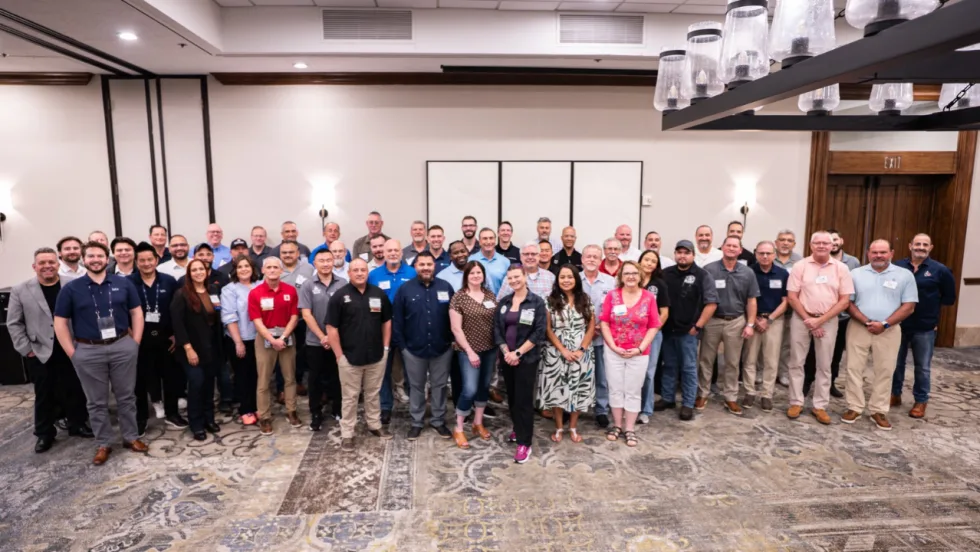
Fleet Conversations and Connections at Work Truck Exchange 2026
Fleet connections, friendly competition, and a few flying axes. See the people and moments that brought Work Truck Exchange 2026 to life.
Read More →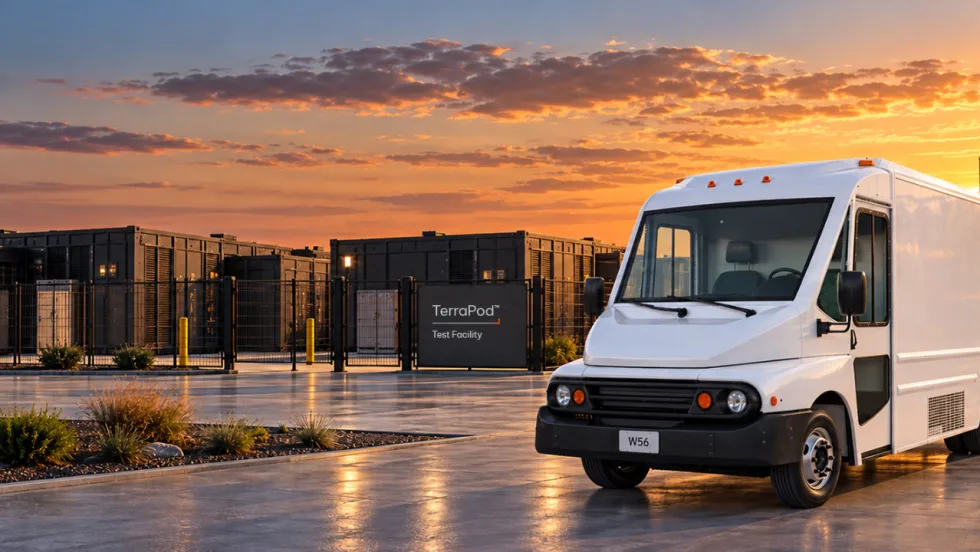
Workhorse Enters Modular AI Infrastructure Market Through TerraPod Partnership with RHAELM
Workhorse’s initial agreement with RHAELM is to develop a full-scale TerraPod manufacturing spec unit, then a non-binding letter of intent covers further expanding the partnership, including a supply agreement and a contemplated contingent initial order for 150 TerraPod systems.
Read More →
Your Fleet Experience Deserves a Vote
You know what happens after the vehicle leaves the dealership. Work Truck’s fleet awards give that experience a place in the industry conversation, and a reason to make your voice heard.
Read More →From Our Partners
Basic Tracking vs Next Generation Fleet Technology
Sponsored by AT&T Business

5 Facts Every Fleet Manager Should Know About Embedded Telematics
Sponsored by Stellantis/Mobilisights

How AI Video Telematics Boosts Driver Safety and Helps to Avoid Unnecessary Costs
Sponsored by Verizon Connect

Charting the 8 Bottom-Line Benefits of Workforce Optimization
Sponsored by Verizon Connect
Work Truck Seeks Fleet and Industry Insights on 2026 Trends and 2027 Forecasts
Work Truck is seeking insights from fleet leaders and industry partners on the trends that shaped 2026 and what commercial fleets should prepare for in 2027. Participate today!
Read More →
30 Years in Fleet and Still Learning: Lessons Beyond Trucks
After more than three decades in fleet, Bob Adamsky has learned that knowing trucks is only part of the job. The bigger lessons come down to communication, understanding, and never assuming you know it all.
Read More →
What Every New Fleet Manager Should Know
Carolyn Edwards shares lessons on finding mentors, showing fleet’s value, and leading teams in this episode of Legends of Fleet.
Read More →
Les Schwab Tires Launches Foundation With $100,000 for Community Recovery
Les Schwab Tires launches a foundation with $100,000 to support recovery for Silver Rail Elementary and the Bend community following a school shooting.
Read More →
Bring Some Fleet to Your Halloween with Our Pumpkin Carving Templates
Download Work Truck’s truck-themed pumpkin patterns, explore more automotive designs, and give your shop or front porch a seasonal upgrade.
Read More →
How Cardless Fuel Payments Benefit Commercial Fleets
Is it time for fleets to move beyond plastic fuel cards? David Abraham of WEX explains how cardless fuel payments can help reduce fraud, simplify driver transactions, and improve efficiency by allowing drivers to pay for fuel using their smartphones.
Read More →
Good Fleet Leadership Starts With the People You Already Have
From developing future leaders to listening to employees, discover how better leadership can help work truck fleets retain talent and build stronger teams.
Read More →