





Watch Today: Family Ties Inside the Fleet Families Building Careers Across Generations
30 Years in Fleet and Still Learning: Lessons Beyond Trucks
After more than three decades in fleet, Bob Adamsky has learned that knowing trucks is only part of the job. The bigger lessons come down to communication, understanding, and never assuming you know it all.
October 29, 2026
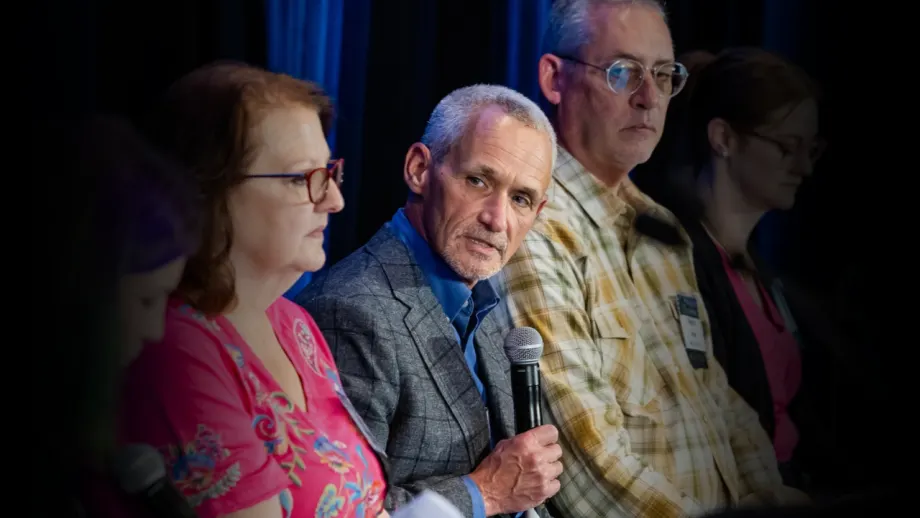
Bob Adamsky shares his fleet management experience during a panel discussion at Work Truck Exchange. With more than 30 years in the industry, Adamsky emphasizes the importance of communication, collaboration, and learning from fellow fleet professionals.
Credit:
Work Truck
9 min to read
- Bob Adamsky emphasizes that understanding trucks is just one facet of managing a fleet effectively.
- Effective communication and understanding are crucial skills in fleet management according to Bob Adamsky’s experience.
- Bob Adamsky advises against complacency and stresses the importance of continually learning in the fleet industry.
*Summarized by AI
Bob Adamsky started his career with a wrench in his hand, but his interest in vehicles goes back even further.
As a kid, he was fascinated by muscle cars, trucks, and pretty much anything mechanical. By 16, he was already working with a mechanic and eventually moved into GM and Toyota dealerships as a flat-rate technician. But when he started working on company equipment and fleet vehicles, something clicked. Instead of repairing a customer vehicle and sending it on its way, he could think about how that vehicle was maintained over time and how to improve the operation.
“I could fix it the way I wanted to, put the parts that I wanted to,” Adamsky recalled. “I found myself immediately thrilled by the idea that I could do it better than just working on a customer vehicle.”
That interest took him from mechanic to fleet mechanic and eventually into fleet management. More than 30 years later, Adamsky managed everything from an 80-truck operation to large, complex fleets with thousands of vehicles and pieces of equipment. Today, he serves as director of fleet management for Arrow International.
Along the way, the vehicles have changed. Technology has changed. And the fleet manager's role has expanded well beyond simply keeping vehicles on the road. But when Adamsky looks back at the lessons that have mattered most, surprisingly few of them are really about the trucks.
Prefer to watch? Check out the interview below or keep scrolling to read more!
Get Out of the Fleet Silo
Fleet management looked quite a bit different when Adamsky began his career. Many fleet professionals came into the field because they were good mechanics, understood equipment, or simply had a knack for making processes work better. Those skills still matter, but today's fleet manager also deals with safety, risk, compliance, finance, technology, data, and a growing list of responsibilities that connect the fleet to nearly every corner of the business.
For Adamsky, that evolution has made it even more important for fleet managers to understand where they fit into the bigger picture. One of the easiest traps to fall into is what he calls “fleet tunnel vision.” You get so focused on the vehicles and immediate problems in front of you that it becomes easy to forget what the fleet is actually there to accomplish.
“We get so concentrated on only fleet that sometimes we miss the big picture,” he said. “Fleet is not the business, per se. Fleet is supporting.”
Fleet may be responsible for buying, maintaining, managing, and replacing the vehicles, but those vehicles exist because someone else needs them to do a job. Building relationships with operations, finance, executives, drivers, and the people actually using those vehicles gives the fleet manager a much better understanding of what the business needs.
“If no one’s talking about fleet, that means we’re doing a good job in certain ways,” Adamsky said. But fleet shouldn't disappear into the background either. Fleet managers still need leadership to understand what the department is doing, what it costs, and where investments can make a difference.
“Be a partner, not just work in a silo,” he said.
Communication Goes a Long Way
If Adamsky could go back and give his younger self one piece of advice, it wouldn't be about maintenance schedules, vehicle specifications, or choosing the right technology. He would tell himself to become a better communicator sooner.
“Don’t assume everybody just has general knowledge,” he said. “Just because you understand maintenance or you understand operations, don’t assume the folks that you’re trying to support understand it.”
What feels obvious to someone who lives and breathes fleet every day may not be obvious to someone in finance, HR, operations, or the executive suite. Being able to explain why something matters and doing it in a way that connects back to the business can make the difference between a good idea going somewhere and one that stalls out. But communication isn't just about explaining your own position.
“Be a good listener,” Adamsky said. “Leave our opinions out of it, keep the business mind with it, and build that partnership.”
That advice becomes especially useful when a fleet proposal gets a no. Adamsky has spent more time mentoring younger fleet managers in recent years, and one frustration he hears is some version of, “I told them, but they didn't listen.”
His response is that the first no doesn't necessarily mean the idea was wrong. Maybe the numbers weren't there yet, the return on investment wasn't clear, or the idea simply wasn't presented in a way that connected with the decision-maker.
“If you think you’re right and you know the numbers, prove it out,” he said. “Figure out a better way to say it. Figure out a better way to show it. Figure out a better way to communicate it.”
Put the Data to Work
Of all the changes Adamsky has seen during his career, technology has given fleet managers access to more information than would have been possible when he started. Telematics is an obvious example. In the early days, the big question was simple: Where is my truck?
“That is such a small, tiny part of what telematics is really about anymore,” Adamsky said.
Today, fleet managers can use telematics to understand utilization, safety behaviors, speeding, seat belt use, maintenance needs, vehicle movement, and a long list of other metrics. The challenge now isn't getting information. It's figuring out what information matters.
“Telematics really gives us great information. Sometimes too much,” Adamsky said. “Use the information properly.”
Rather than turning on every alert or accepting every dashboard a provider can offer, Adamsky recommends starting with what the fleet and company are trying to accomplish. If safety is the priority, what behaviors need attention? If utilization is the concern, which information will help make a better decision?
That same forward-looking approach applies to vehicle technology. A fleet manager buying a vehicle today may still have that unit in service five, six, or seven years from now, so the decision can't be based only on what the operation needs today.
“Talk to your OEMs. Know what’s in the pipeline,” Adamsky said. “I think looking ahead in fleet at three to five years from now is one of the most critical pieces we do.”
Get Out from Behind the Desk
For all the data available to fleet managers today, Adamsky also strongly believes in something decidedly less high-tech: getting out in the field and spending time with the people doing the work.
“Spend time with your people,” he said. “One-on-one time with your team, that is so important.”
Phone calls and Teams meetings can keep a geographically dispersed operation connected, but they don't always show you how a vehicle is being used or why a process that looks perfectly reasonable on paper isn't working in the field. Adamsky calls himself a strong proponent of managing by walking around.
“Physically get out,” he said. “Spend time face to face in the field with where your people are. Do what they’re doing. Understand their role. Understand their challenges.”
Recently, Adamsky spent time riding along in both a sales vehicle and a delivery vehicle to see how the equipment was being used. That kind of firsthand experience can surface small issues, workarounds, and operational realities that may never show up on a report.
That people-first approach carries over into hiring. Adamsky recommends taking the time to understand exactly what a role needs to accomplish and finding the right person for it, rather than rushing to fill an opening as soon as approval comes through.
“Take your time. Find the right person,” he said.
Help People See Their Impact
Finding the right people is only part of building a strong fleet team. Keeping them engaged is another challenge, and Adamsky believes much of that comes down to helping people understand why their work matters.
“Most people want not just a job,” he said. “They’re after a career. This is what they do. They want to feel like they’re making a difference.”
That means sharing more than assignments and deadlines. If an employee changed a process that saved the company $60,000, tell them. If their work improved licensing and title processing, shortened turnaround times, increased uptime, or solved another persistent problem, show them what changed.
“Involve them,” Adamsky said. “Not just, ‘Are you getting something done?’ but involve them and let them know how the performance is truly affecting the company.”
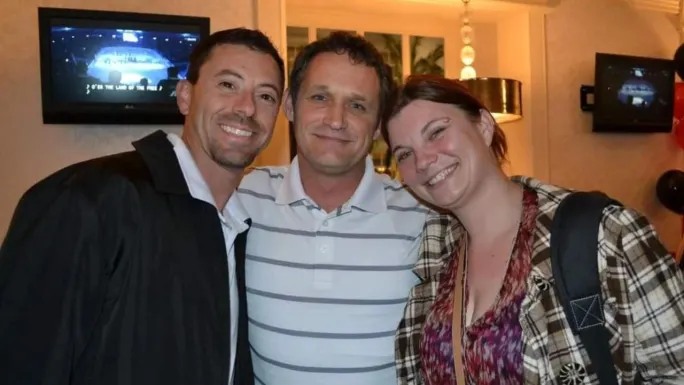
Some of the best connections in fleet management go well beyond business. Pictured with Charlie Mahoney (left), formerly of Derive and now with Knapheide, and Work Truck's Lauren Fletcher (right) at an industry event years ago, Bob Adamsky (middle) demonstrates how industry relationships can grow into lasting friendships.
Credit:
Work Truck
Learn to Speak Finance
Of all the skills Adamsky wishes he had embraced earlier in his career, understanding finance is near the top of the list.
“Be financially smart,” he said. “Get involved in the financial side. Understand the financial side of fleet.”
Fleet managers make decisions involving a lot of money. They know acquisition costs, maintenance expenses, fuel costs, lifecycle numbers, and countless other metrics. But knowing what something costs isn't necessarily the same as understanding what those dollars mean to the company.
Adamsky recommends learning how the organization looks at fleet financially, including the differences between leasing and purchasing, how fleet expenses appear on financial statements, and how those costs affect the larger business. For him, that meant taking accounting classes so he could better understand the basics and know which questions to ask.
“I’m not planning to be an accountant, nor do I want to be,” he said. “But that basic understanding really does go a really long way in understanding the companies you’re working for and the decisions that they’re making.”
It's practical advice as fleet becomes more connected to finance and executive leadership. If you're proposing a program because it will save money, be prepared to go one step further. What do those savings mean to the business?
Keep Asking Questions
More than 30 years into his career, Adamsky doesn't talk like someone who believes he has fleet completely figured out. In fact, one of his biggest recommendations for newer fleet professionals is to take advantage of the knowledge already in the industry.
“Talk to some of the seasoned professionals,” he said. “Most of us are wide open to help and train and help to avoid those mistakes.”
That can mean attending conferences and seminars, connecting with other fleet managers, asking vendors questions, or simply being willing to admit when someone else knows more about a subject than you do.
“We have some extremely smart people out there,” he said. “Leverage that. Don’t think you’re the smartest person in the room.”
Peer relationships can be just as valuable. Fleet managers face many of the same problems, and there's a lot to learn from hearing what has worked, what hasn't, and what someone else would do differently.
“You will learn so much by talking to peers,” Adamsky said. “I’m still learning today. I’ve been doing this 30 years, and I’ll be honest, I learn something new all the time.”
That willingness to keep learning may be one reason a career that started with a teenage fascination with muscle cars has kept Adamsky interested decades later. The equipment has changed, the responsibilities have grown, and the conversations fleet managers have today look very different from the ones they had when they started. There is always another problem to solve and something new to understand.
So, when I asked Adamsky to leave fleet professionals with one final thought, his answer wasn't complicated.
“Be excited for what you do,” he said. “Don’t take this as just a job. Be excited.”
Fleet has a funny way of becoming a career for people who didn't necessarily set out looking for one. Once they get here, many don't seem too interested in leaving.
“Enjoy it. Embrace it,” Adamsky said. “It can be a great life. It’s done me well.”
Quick Answers
A crucial lesson Bob Adamsky learned is the importance of communication and understanding, rather than solely focusing on technical knowledge of trucks.
*Summarized by AI
Subscribe to Our Newsletter
More Operations
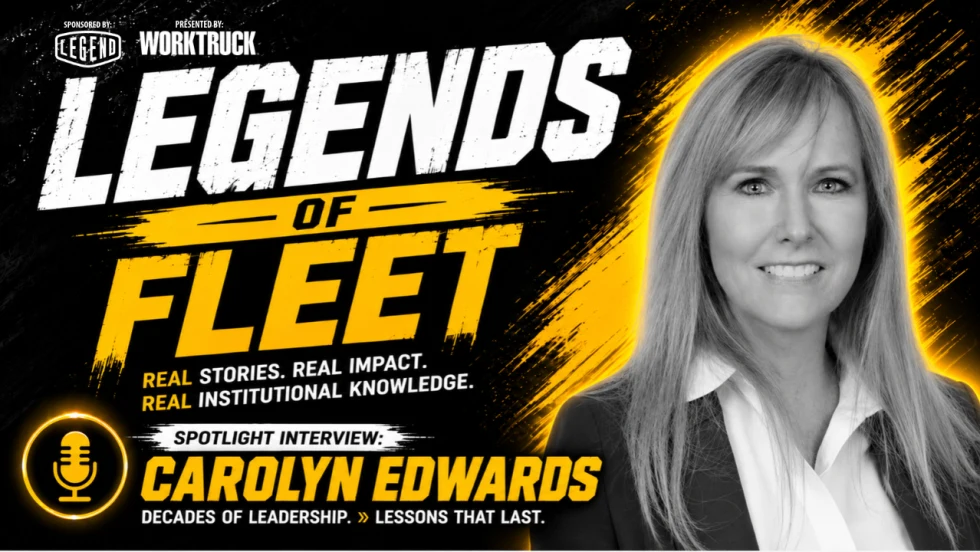
What Every New Fleet Manager Should Know
Carolyn Edwards shares lessons on finding mentors, showing fleet’s value, and leading teams in this episode of Legends of Fleet.
Read More →
Les Schwab Tires Launches Foundation With $100,000 for Community Recovery
Les Schwab Tires launches a foundation with $100,000 to support recovery for Silver Rail Elementary and the Bend community following a school shooting.
Read More →
Bring Some Fleet to Your Halloween with Our Pumpkin Carving Templates
Download Work Truck’s truck-themed pumpkin patterns, explore more automotive designs, and give your shop or front porch a seasonal upgrade.
Read More →From Our Partners
Basic Tracking vs Next Generation Fleet Technology
Sponsored by AT&T Business

5 Facts Every Fleet Manager Should Know About Embedded Telematics
Sponsored by Stellantis/Mobilisights

How AI Video Telematics Boosts Driver Safety and Helps to Avoid Unnecessary Costs
Sponsored by Verizon Connect

Charting the 8 Bottom-Line Benefits of Workforce Optimization
Sponsored by Verizon Connect

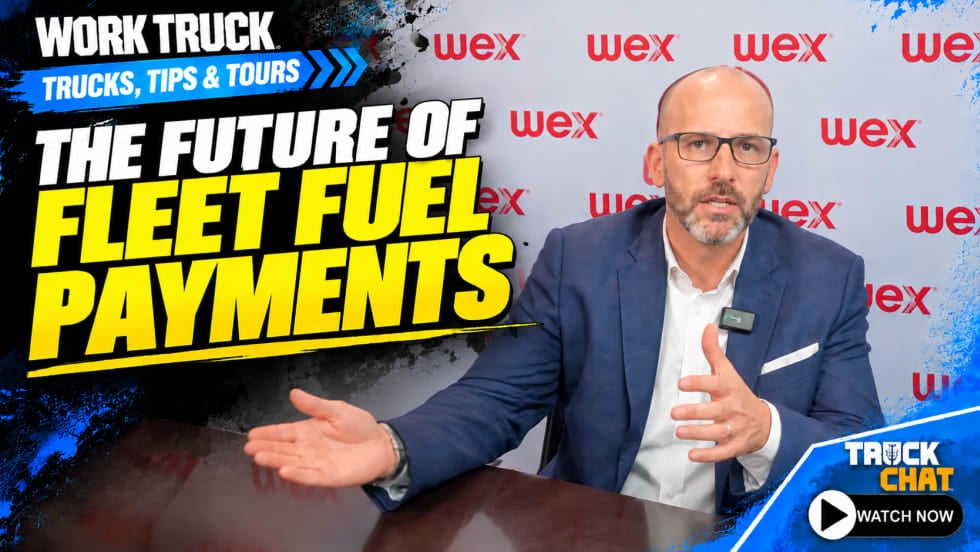
How Cardless Fuel Payments Benefit Commercial Fleets
Is it time for fleets to move beyond plastic fuel cards? David Abraham of WEX explains how cardless fuel payments can help reduce fraud, simplify driver transactions, and improve efficiency by allowing drivers to pay for fuel using their smartphones.
Read More →
Good Fleet Leadership Starts With the People You Already Have
From developing future leaders to listening to employees, discover how better leadership can help work truck fleets retain talent and build stronger teams.
Read More →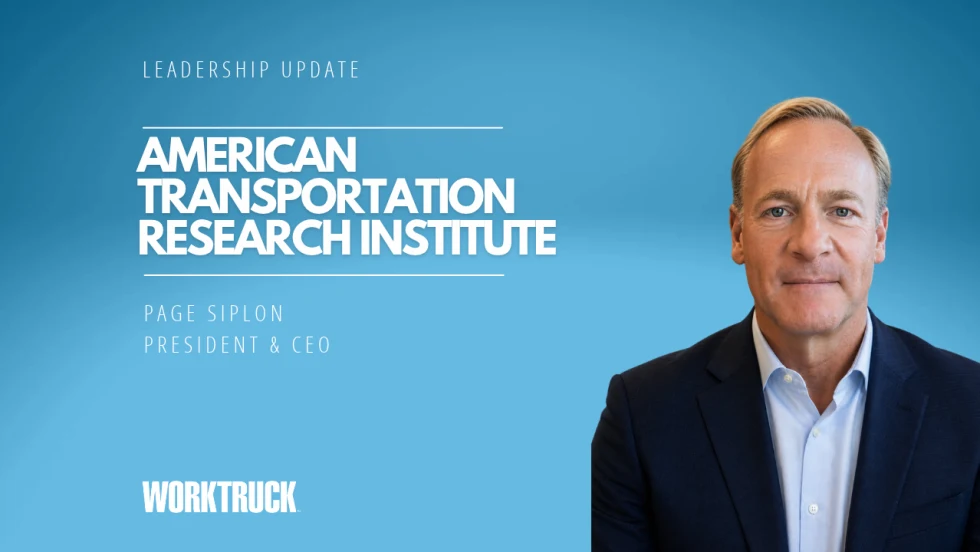
ATRI Names Next President and CEO
Page Siplon, a longtime transportation and logistics industry executive, has been chosen as the next president and CEO of the American Transportation Research Institute (ATRI).
Read More →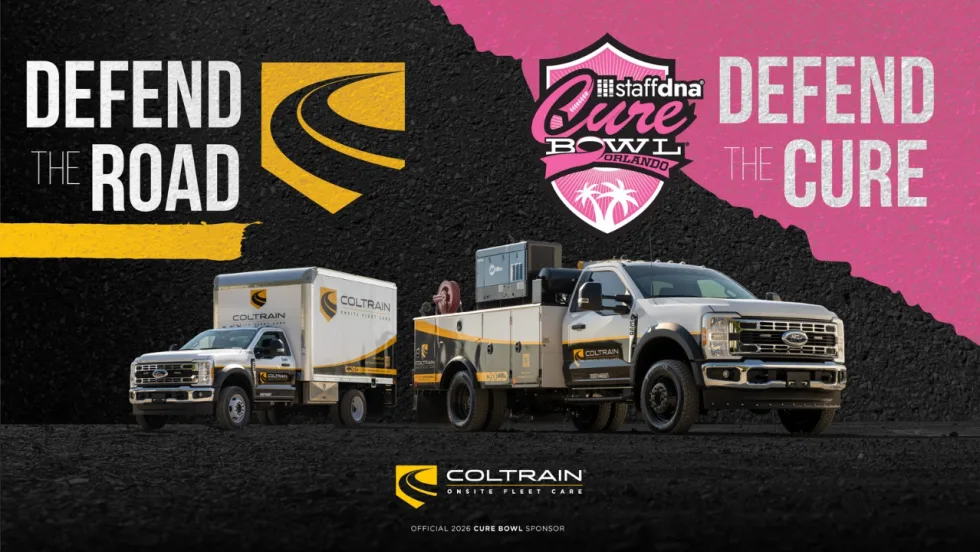
Coltrain Onsite Fleet Care Sponsors 2026 Cure Bowl to Support Cancer Research
The mobile fleet maintenance provider is supporting the annual college football bowl game, which has helped raise $6.83 million for cancer research since 2015.
Read More →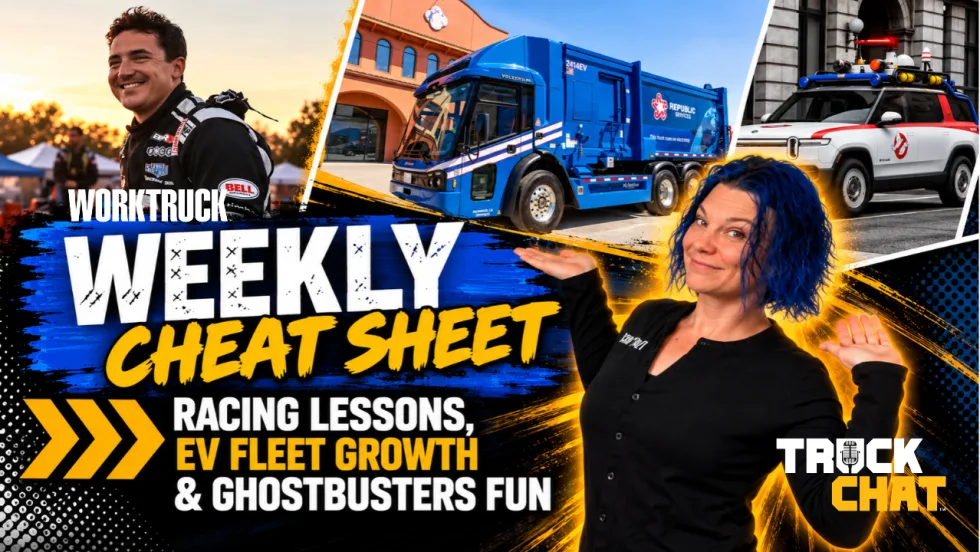
Racing Lessons, Electric Fleet Growth, and Ghostbusters Lead This Week's Work Truck News
Racing lessons for fleets, Republic Services' electric truck expansion, 40 years of fleet wisdom, truck trivia, autonomous yard trucks, and more headline this week's Truck Chat Cheat Sheet.
Read More →
Sponsored•October 14, 2026
A buyer's guide to fleet management software in 2027
Buying fleet management software in 2027 means looking beyond features and price. As fleet operations, technology and expectations evolve, this guide explores what today’s fleet professionals should consider when choosing a system that can deliver value now and adapt to what comes next.
Read More →
How to Build a Lasting Fleet Career by Staying Curious and Connected
Tina Kourakos never planned on a career in fleet. More than 30 years later, she says curiosity, strong relationships, and a willingness to keep learning helped turn an unexpected assignment into a career spanning fleet management and OEM leadership.
Read More →