



Operations
What Racing Can Teach Work Truck Fleets About the Work Nobody Sees
Race car driver and mechanical engineer Isaac Johnson shares practical lessons on preparation, relationships, setbacks, and building teams that perform when it counts.
 MENU
MENU SEARCH
Race car driver and mechanical engineer Isaac Johnson shares practical lessons on preparation, relationships, setbacks, and building teams that perform when it counts.
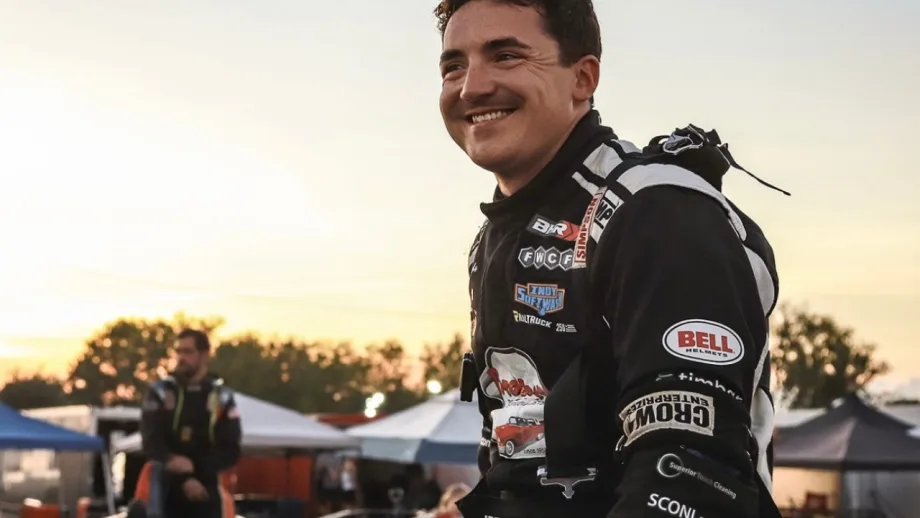
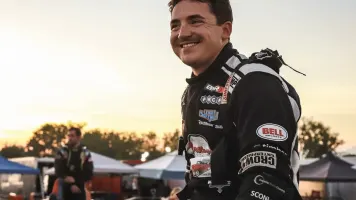
A career in racing is built on more than performance behind the wheel. The same preparation, relationships, resilience, and day-to-day work that move a racing career forward can offer lessons for fleet professionals.
Isaac Johnson Racing
*Summarized by AI
There is a lot about racing that everyone gets to see. The car rolls onto the track, the driver gets behind the wheel, the green flag drops, and eventually someone wins. From the outside, it can look pretty simple. What you do not see is everything that had to happen before that car ever got there.
Isaac Johnson knows that side of racing particularly well because his own career has not been a straight-line trip through the motorsports ranks. Born and raised in Martinsville, Indiana, Johnson grew up in a family with three generations of body shop owners and NASCAR fans. He started racing go-karts at 12, but had to wait until 17 to run his first full season, which he won.
Along the way, Johnson earned a degree in mechanical engineering and continued moving up through Kenyon Midgets, Dirt Late Models, and Pavement Late Models before making his first ARCA Menards Series start in 2023 at Indianapolis Raceway Park. His employer, at that time, George E. Booth Company, sponsored the car, underscoring one of the realities of his climb: Racing requires more than being fast behind the wheel. It also takes relationships, sponsorship, resources, and credibility.
Johnson made his Daytona debut in 2024 with sponsorship from Endress+Hauser and finished the 2024 season with three ARCA Menards Series Top 10 finishes in five starts. Now approved for the NASCAR Craftsman Truck Series and continuing to pursue ARCA opportunities, he is still doing what he has throughout his career: building toward the next opportunity while doing the work required today.
By now I’m sure you are wondering what any of this has to do with fleet. Well, this is where his story starts to sound less like a racing story and more like the daily reality of running a fleet.
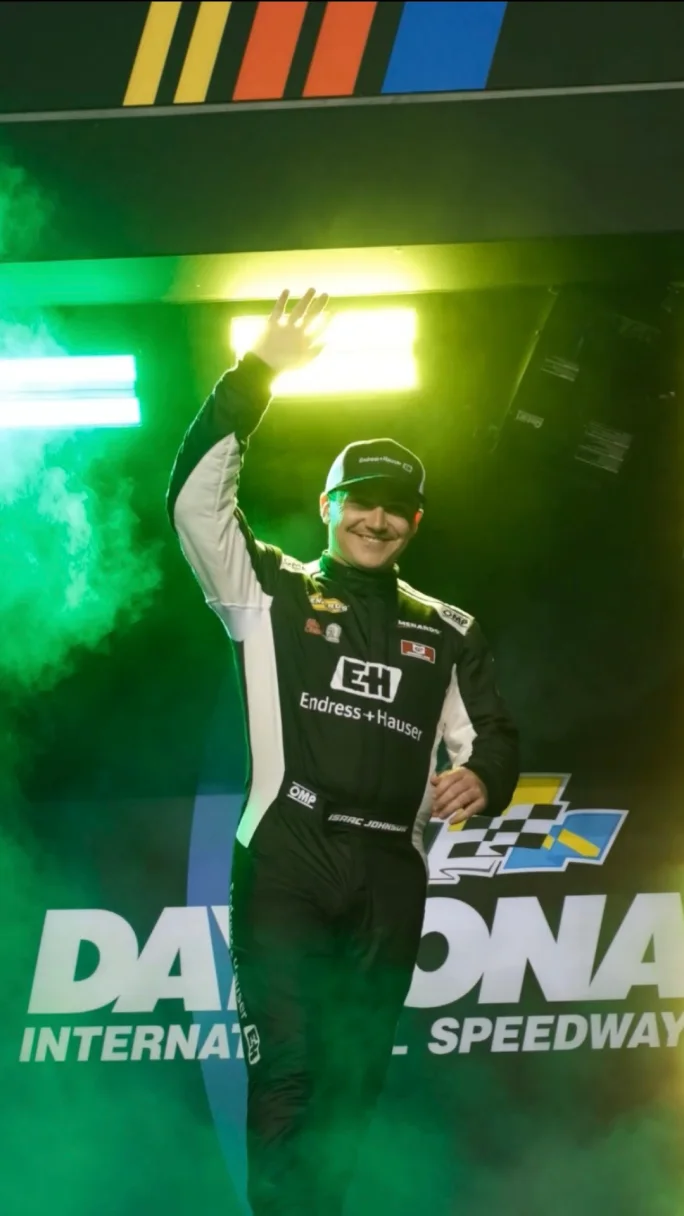
Reaching a stage like Daytona is the part everyone sees. The preparation, relationships, resources, and daily work required to get there are what connect racing with fleet management.
Isaac Johnson Racing
Before the race comes the preparation, the people, the equipment, the money, the conversations, the relationships, the mistakes that had to be fixed from the last race, and all the little things that may never be noticed unless somebody fails to do them. Fleet is similar. By the time a truck is rolling out of the yard ready to work, a lot has already had to go right.
“They’re very similar. In both instances, you have to be prepared for anything, put your best foot forward, and leave no stone unturned,” Johnson said. “Most races are won and lost before the car ever leaves the shop, and I think the same holds true for business deals. If you have one hole in your preparation, it can derail an entire deal. The more prepared you are going in, the more prepared you are to handle whatever comes your way.”
That idea goes well beyond getting ready for one race or one business deal. Johnson’s experience points to something that fleet professionals learn quickly too. Success is rarely the result of one big decision. More often, it is built through relationships, preparation, resources, and small daily actions that make the big moments possible in the first place.
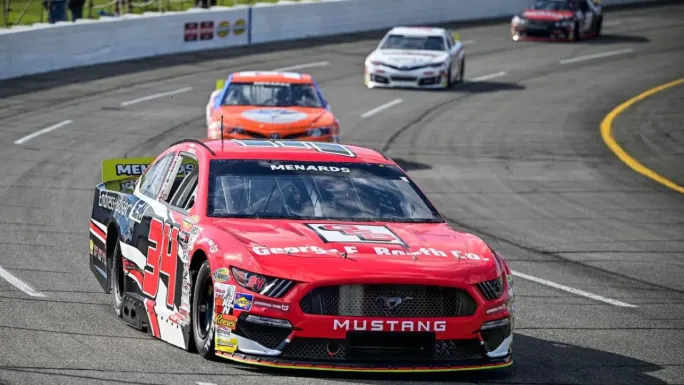
A race may look like it comes down to what happens on track, but much of the outcome is shaped long before the green flag. Fleet operations work much the same way.
Isaac Johnson Racing
One of the easiest career lessons to repeat is that networking matters. The harder part is figuring out how to build relationships without every interaction feeling like you walked into the conversation carrying a business card in one hand and an ask in the other. For Johnson, that lesson comes directly from his racing career.
“Almost all of the opportunities I’ve received in racing have been built through relationships,” he said. “It is extremely rare in today’s motorsports world to get an opportunity based solely on your resume or talent that you have on the racetrack. You have to build the right relationships in the garage and with partners away from the racetrack to make it work. Your resume may open the door, but relationships are what create opportunities.”
His own career makes that point difficult to miss. Sponsorships helped turn opportunities into actual races, his first ARCA start was supported by his employer at that time, and partners helped support the next steps. Once he got there, his ability to perform mattered, but performance alone did not create the opportunity.
That distinction matters for younger fleet professionals who may still think of career development mostly in terms of experience, certifications, job titles, and the next line they can add to a resume. Those things matter, but relationships give people a chance to understand how you think, what you care about, whether you follow through, and what you might do next.
LinkedIn is one place Johnson puts that philosophy into practice.
“I try to connect and message as many people as I can throughout the week with genuine curiosity,” he said. “The more you focus on learning, understanding, and helping other people before thinking about what they can do for you, the further you’ll get. The best relationships aren’t built by asking what someone can do for you. They’re built by finding ways to provide value first.”
For fleet professionals, that can happen in plenty of places. It can be a conversation with another fleet manager who has already dealt with a problem you are just starting to encounter, a technician who sees an operational issue differently than you do, a supplier who understands another part of the market, or somebody you meet at an industry event and stay connected with long after everyone heads home.
You rarely know which conversation will matter later. That is kind of the point.
“You never know where a relationship will lead, who someone may introduce you to, or what opportunity may come from simply staying connected with the right people,” Johnson said.
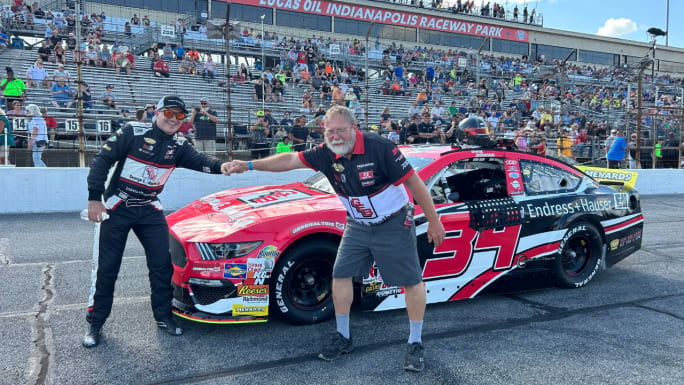
Opportunities in racing depend on people as much as performance. Relationships, partnerships, and the people willing to support the next step have been an important part of the featured driver’s path through motorsports.
Isaac Johnson Racing
Relationship building also has a second component that can be tougher, especially as someone gains experience and gets more comfortable being the person in the room expected to have an answer.
Sometimes the most useful thing you can bring to a conversation is not an answer at all. Some of the most useful advice Johnson has received through those relationships has also shaped how he approaches them.
“I’ve learned so much from people simply by keeping my mouth shut and taking the time to understand what they’re trying to accomplish, what they’ve learned from a similar experience, or what perspective they offer,” he said. “While I know I can bring value to people, I’ve found that it’s always better to learn and listen to them first, before thinking about what I can bring to the table for them”
That applies to networking, but it also applies to leadership. Fleet managers are constantly surrounded by people who experience the operation from different angles. Drivers know what happens on the road. Technicians know what keeps coming back into the shop. Operations teams know where schedules start to fall apart. Vendors may be seeing similar challenges across multiple customers.
Listening does not mean every suggestion becomes the answer:it means understanding the problem before deciding that you already know the answer.
It also strengthens relationships themselves. If every conversation starts with what you want to say, sell, fix, or get from someone, you can miss a lot of what they were trying to tell you in the first place.
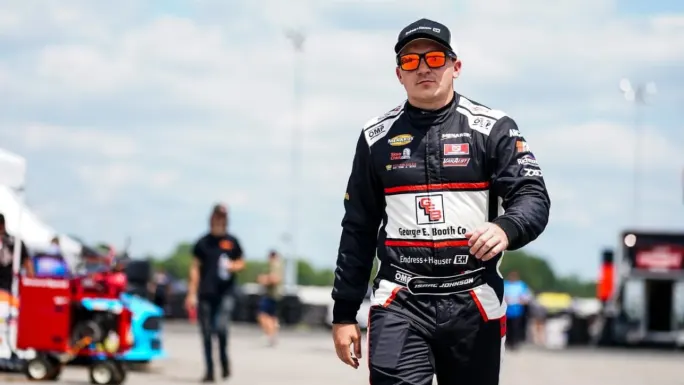
The visible part of the job is only one piece of the picture. Behind every race, like every fleet operation, are people, equipment, conversations, and dozens of details that have to come together.
Isaac Johnson Racing
Relationships and preparation can only take a team so far if the people doing the work don't have what they need to succeed — a balance that becomes especially visible in motorsports.
“In racing, I think it comes down to having the right people and the resources to support,” Johnson said. “Without the finances, teams don’t have the resources to put the best equipment on the racetrack or find that extra tenth of a second. Without the right people, those resources can’t be used effectively.”
That should sound familiar in fleet, where conversations about vehicles, software, maintenance programs, safety technology, data, and new tools can sometimes get disconnected from the people expected to put it all into practice.
Buying the resource is not the same thing as creating the result. Neither is hiring good people and then asking them to constantly work around missing tools, poor processes, or inadequate support.
“If you have great people but don’t give them the resources they need to be successful, the team will struggle,” he said. “If you give average people the best resources, you’re still unlikely to get the results you want. But if you give great people the right resources and empower them to succeed, that’s when you create a consistently successful team.”
That word “empower” matters too. Resources can mean equipment and money, but people also need enough trust and authority to use those resources well. A fleet can put an incredible amount of technology into a truck or a shop, but somebody still must know what information matters and what to do with it. The goal is not simply to give people more. It is to give the right people what they need to make better decisions and do their jobs well.
No amount of preparation eliminates the part where things can still go wrong. Johnson knows that firsthand. His 2024 Daytona debut ended with an 18th-place finish after a last-lap crash; a literal example of how quickly something can change even after all the work that was required just to get to the starting line was done.
That may be one of the more uncomfortable similarities between racing and fleet. You can prepare the vehicle, build the process, put experienced people in place, and still find yourself dealing with something that absolutely was not part of the plan.
Johnson has spent the past several years working on how he responds when those moments happen.
“When things don’t go your way, the only thing you can do is evaluate what went wrong, adjust, and make the necessary changes for next time,” he said. “The longer you dwell on a setback, the more time you’re taking away from figuring out what comes next. Setbacks are going to happen. What matters is how quickly you learn from them and move forward.”
There is a difference between moving on quickly and ignoring what happened. Johnson’s point is not to brush past a failure. It is almost the opposite. Look at it, understand it, make the change, and then stop spending energy wishing the situation had gone differently.
For fleet leaders, that mindset can help whether the setback is a bad vehicle decision, a process that looked better on paper than it worked in practice, a missed maintenance issue, an unexpected breakdown, or simply a day when the operation did not go the way anyone expected.
The lesson needs to stick. The frustration does not have to.
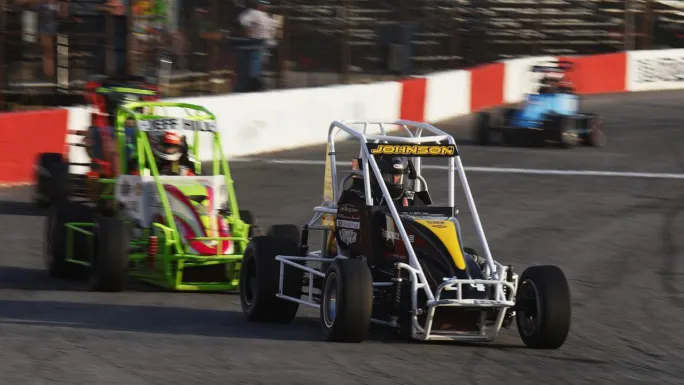
Long before bigger racing opportunities arrived, progress was being built race by race. That same focus on small steps carries into fleet careers and long-term operational goals.
Isaac Johnson Racing
Perhaps the most useful connection between Johnson’s racing career and the work happening inside fleets every day is also the least glamorous.
Big goals get a lot of attention because they are easy to talk about. Improving uptime. Lowering costs. Building a safer operation. Moving into a leadership role. Growing a racing program. Winning races. Moving another step up the NASCAR ladder.
“Racing is challenging with everything that goes into the finances, the shop, and performing on the racetrack,” Johnson said. “I know that if I don’t focus on the small details and execute on what needs to be done each day, I’m never going to get where I want to be over the next five or ten years.”
That may be where all of Johnson’s lessons come together. Relationships are built one conversation at a time. Preparation happens one detail at a time. Strong teams are created by repeatedly giving good people the tools and support they need. Setbacks become useful when somebody takes the time to learn from them and makes the next decision differently.
Long-term strategy isn't sitting somewhere separate from the daily work. Most of the time, the daily work is the strategy.
“The long-term goal gives the day-to-day work a purpose,” Johnson said. “Every phone call, meeting, workout, preparation session, and race is another step toward where I ultimately want to be.”
That lesson may be particularly easy to lose sight of in a work truck fleet because, when an operation is working well, much of what the fleet team does is almost invisible. The truck starts. The driver has what they need. The vehicle is ready for the job. Maintenance happened before the failure. The replacement arrived when it was needed. Somebody caught the small problem before it became the big one.
There is no checkered flag waiting at the end of most of those days, but the same principle applies. The result everyone else sees is being built in the work they usually do not.
Preparation in racing emphasizes meticulous planning and attention to detail, which can help work truck fleets minimize downtime and maximize efficiency by anticipating potential issues and maintaining equipment properly.
*Summarized by AI
Loading data...

Operations
Race car driver and mechanical engineer Isaac Johnson shares practical lessons on preparation, relationships, setbacks, and building teams that perform when it counts.



Operations
The automotive industry talks constantly about its workforce shortage. But before we can recruit the next generation, we may need to do a better job giving kids a reason to care about automotive in the first place.
Technology & AI
AI may guide the future of fleet, but drones and robots could carry out the work. See how work trucks may become hubs for a new mobile workforce.
Operations
Fleet’s most respected leaders share the hard-earned lessons they wish they had known sooner about trust, communication, mistakes, and leading people.
Operations
From oil changes to procurement decisions, fleet work is often underestimated by the very people who depend on it most. Bob Stanton makes the case for why communication, not just technical expertise, is one of the most important leadership skills in fleet.
Operations
New tools always change the process. They do not replace the instinct. From portrait painters adapting to photography to creators navigating AI, the people who matter most are still the ones who know how to see.
Operations
What are the key benefits of tire pressure monitoring systems (TPMS), and how can they not only increase fleet safety but also drive efficiency and cost savings?
Maintenance & Uptime
Winter may be winding down, but the breakdown patterns don’t disappear with the snow. Here’s what fleets keep seeing, and what to fix now before next season.
Operations
Work Truck’s 2026 forecast breaks down the biggest shifts in cost, tech, safety, powertrains, and yard ops so fleets can plan smarter.
Operations
Discover how 250 years of American progress shaped the evolution of work trucks, fleet operations, and the commercial vehicles powering today’s workforce.