Fleet Lessons from This Winter’s Breakdowns (If You Ignore It, It Gets Worse)
Winter may be winding down, but the breakdown patterns don’t disappear with the snow. Here’s what fleets keep seeing, and what to fix now before next season.
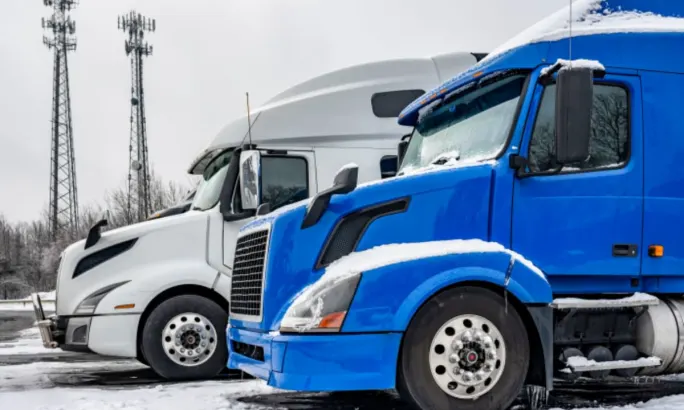
Cold swings mess with tire pressure fast. And if the spare hasn’t been checked in months, winter is usually when it decides to audition for a roadside call.
Credit:
Work Truck | Cox Fleet
8 min to read
Winter has a way of exposing the maintenance conversations fleets meant to have in October but pushed to January, when problems finally get loud. The “we’ll get to it” stuff doesn’t stay quiet when temperatures drop. Cold weather doesn’t make a weak battery stronger. A tire that’s been running a little low won’t magically fill itself.
And if that sounds blunt, it’s because the data is blunt. Roadside trends don’t really care what your intent was or how packed the schedule got. They just show patterns, and the pattern is familiar: small issues fleets already knew about turning into big disruptions when the margin for error disappears.
Ad Loading...
After speaking with Mike Hagaman, Senior Manager, Client Relationship Management, and Jeff Greenwell, Senior Technical Instructor, from Cox Fleet, one theme kept surfacing: most winter breakdowns aren’t sudden failures. They’re small issues fleets have been living with, finally forced into the open when temperatures drop.
“Is it going to get better or worse over time if we ignore it?” Greenwell asked. “It’s going to get worse.”
That mindset, waiting because it’s “not critical yet,” shows up in breakdown data year after year.
So, what does that look like in the real world once the temperature drops, trucks are running, and nobody has extra time? Hagaman and Greenwell see the same early warning failures again and again.
Cold swings mess with tire pressure fast. And if the spare hasn’t been checked in months, winter is usually when it decides to audition for a roadside call.
Credit:
Work Truck | Cox Fleet
What Actually Fails When Winter Hits
From Hagaman’s vantage point in the call center, the trends are consistent.
“Jump starts are a huge situation that we’re dealing with,” he said. “As well as air systems and units that won’t build air. Those are two of the most common things that we’re seeing right now in the cold weather.”
Weak batteries that were already marginal. Air systems that were already accumulating moisture. Electrical systems that were already giving subtle warnings. None of those are dramatic failures on a 60-degree day. But in January? That’s a different story.
But remember, cold weather doesn’t cause these failures; it just reveals what was hiding them.
“I would have to throw in the most common issue, which is neglect,” Hagaman added. “Folks not taking the time to check on their equipment before we’re in the weather.”
Greenwell sees the same thing from the technician's side, noting that “a lot of times what we see is they’re not doing their preventive maintenance before winter arrives,” he said. “When winter arrives, it’s too late at that point.”
By the time a truck is on the side of the road in subzero temperatures, the easy repair window has closed. What could have been a scheduled service appointment becomes a disruption that affects routes, customers, and drivers.
The Forecast Changes, but Your Plan Shouldn’t.
Whether you’re watching for ice or bracing for heat, preparation beats panic every time. Dive into Winter Storm resources and keep going with Summer and All-Weather tips in the Disaster Preparation & Response Guide!
When Winter Prep Starts Too Late
And here’s the part that still matters in March: those maintenance gaps don’t disappear just because the calendar changes.
Hagaman is clear about when to start winter prep: “Every region is different,” he said, “but I would say at least two months before you’re expecting the start of winter.”
In his Midwest example, that means early October. For fleets heavily involved in holiday delivery, such as parcel carriers, food service fleets, and last-mile operations, the timeline is even tighter.
“You want to take care of that before it’s below freezing,” he said.
It’s not about whether you start on October 1 or October 15. It’s about whether winter prep is part of your system or something you think about when the weather app sends a notification.
“Winter prep isn’t a reaction to the forecast,” Hagaman said. “It’s a schedule, and it changes based on where and how your fleet operates.”
When winter maintenance begins after the first freeze warning, fleets are operating reactively. And reactive maintenance in extreme weather is almost always more expensive and more disruptive.
Winter breakdowns don’t just hit uptime. When a driver gets stuck in the cold, the situation changes fast, and preparedness matters as much as maintenance.
Credit:
Cox Fleet
The ‘It’s Not Critical Yet’ Trap
One of the most revealing parts of the conversation wasn’t about a specific component. It was about decision-making.
Greenwell regularly encounters fleets that hesitate when issues move beyond simple fixes.
“When you start getting past just a simple battery replacement, some people tend to get a little hesitant,” he said. “They’ll say, ‘The trucks are running. We’re just going to use it.’ ”
That logic feels reasonable in the moment. The vehicle is operational, the issue isn’t urgent, and the schedule is tight. But mechanical systems don’t just stabilize on their own.
“No, it’s not going to get better. It’s going to get worse,” he said. “Let’s take care of this now before it becomes a critical issue.”
Winter simply accelerates the consequences of those decisions. What was tolerable in mild weather can become unmanageable in cold weather.
Tires, Temperature Swings, and the Overlooked Spare
Tires are one of those things fleets think they have handled because they’re always “on the list.” But winter has a way of turning tire basics into tire problems, especially when the weather can’t pick a lane. One day it’s cold enough to sting your face, the next day it warms up and everything melts, then drops again overnight.
That temperature swing messes with air pressure, and it’s easy for a truck that was “fine last week” to quietly drift into underinflated territory without anyone noticing.
A lot of fleets also carry a mental shortcut that tire trouble is mostly a summer issue, tied to heat and blowouts. But winter doesn’t give tires a free pass.
“We see a tremendous amount of tire work in the wintertime,” Hagaman said.
Temperature swings directly affect PSI. A drop in ambient temperature can reduce pressure enough to create uneven wear, reduced traction, and increased risk of failure. When that happens across an entire fleet, small deviations add up quickly in increased tire wear and associated costs.
Then there’s the most overlooked item in most fleets: the spare tire.
“I think nothing is more frustrating than when a fleet has been checking their tire pressure but not checking to make sure they have air in their spares,” Hagaman said. “We often go to install a spare and the spare’s flat.”
Most winter breakdowns aren’t “bad luck.” They’re the same small issues fleets already knew were there, getting louder when cold weather takes away the margin.
Credit:
Cox Fleet
The Common Thread is Consistency
If there’s a single theme that runs through every breakdown category, it’s consistency.
“It’s doing your preventive maintenance. Doing your inspections thoroughly. Ensuring you are following up with those repairs,” Greenwell said. “Making sure those repairs are done before you get to that point.”
That includes thorough pre-trip and post-trip inspections, regularly draining air tanks, testing batteries before extreme cold, plugging in block heaters, and addressing minor alerts before they escalate.
We see so many repairs every day,” Hagaman said. “And it’s all because they just didn’t plug the truck in.”
He describes many winter roadside calls as “self-inflicted,” not to assign blame, but to highlight how preventable they often are.
Even focusing on a few high-impact areas can make a measurable difference.
“Just focus on a few simple things,” Hagaman said. “It will help them so much.”
Winter Breakdowns Are Also a Safety Issue
Fleet managers know downtime is measurable. You can track it, price it out, and tie it directly to missed jobs, late deliveries, and overtime. Safety risk is harder to quantify because it doesn’t neatly fit on a spreadsheet. But it’s just as critical, because when a driver ends up stranded on the shoulder in subzero temps, the stakes change fast, and it’s not just about productivity anymore.
“No matter how well prepared you are, if you get out in subzero temperatures, things can happen,” Greenwell said. “The best-maintained vehicles have issues, too.”
That’s why emergency readiness should be part of winter planning. Basic supplies, contingency procedures, and driver awareness all play a role.
“Situations can get dangerous really quickly,” he said. “Even more so in the wintertime.”
Mechanical discipline and safety planning go hand in hand. When fleets stay ahead on batteries, air systems, tires, and inspections, they cut down the odds of a roadside event in the first place. And when something still goes sideways, a solid safety plan makes sure the driver isn’t stuck improvising on the shoulder with freezing temps and no backup. Winter doesn’t just test equipment, it tests preparedness.
Importance of Listening to the Truck
Today, modern equipment provides more insight than ever before.
“These trucks will tell you,” Hagaman said. “There’s plenty of telemetry on them to tell you all you really need to know.”
Think about what your truck is already trying to flag for you on a regular day: charging issues before a battery leaves you stranded, temps creeping up before something overheats, regen acting weird before it becomes a bigger headache, or air system warnings before you’re stuck with a no-build situation. The signals are there. The difference is whether anyone’s watching them (and taking them seriously).
“If you see something, say something,” he said. “Talk to your maintenance folks anytime you can before you leave the yard.”
Even fleets without dedicated maintenance teams have access to OEM guidance.
“Familiarize yourself with what the maintenance practices and intervals are suggested by the OEM,” Greenwell said. “If you start going past it, you’re opening yourself up to catastrophic problems.”
And he’s not being dramatic. Ignoring service intervals doesn’t usually lead to a minor inconvenience; it’s how small issues quietly graduate into big repair events.
Looking Ahead While the Data Is Fresh
Winter breakdowns are rarely random. They follow patterns, and a pattern is something that keeps showing up until you decide to change it.
If this season revealed repeat jump starts, recurring air system issues, underinflated tires, or ongoing “we’ll deal with it later” conversations, now is the time to adjust. Not next October.
The fleets that stay moving through extreme weather aren’t necessarily the ones with the newest trucks. They’re the ones who treat small issues as early warnings rather than background noise.
And as Greenwell said, ignoring those warnings doesn’t stabilize them. It makes them worse.
The automotive industry talks constantly about its workforce shortage. But before we can recruit the next generation, we may need to do a better job giving kids a reason to care about automotive in the first place.
From oil changes to procurement decisions, fleet work is often underestimated by the very people who depend on it most. Bob Stanton makes the case for why communication, not just technical expertise, is one of the most important leadership skills in fleet.
New tools always change the process. They do not replace the instinct. From portrait painters adapting to photography to creators navigating AI, the people who matter most are still the ones who know how to see.
What are the key benefits of tire pressure monitoring systems (TPMS), and how can they not only increase fleet safety but also drive efficiency and cost savings?
Winter may be winding down, but the breakdown patterns don’t disappear with the snow. Here’s what fleets keep seeing, and what to fix now before next season.
Discover how 250 years of American progress shaped the evolution of work trucks, fleet operations, and the commercial vehicles powering today’s workforce.