




When a Work Truck Breaks Down, the Job Can Stop, Too
A work truck breakdown can stop more than the vehicle. Discover how payloads, jobsites, and specialty equipment change the roadside response.

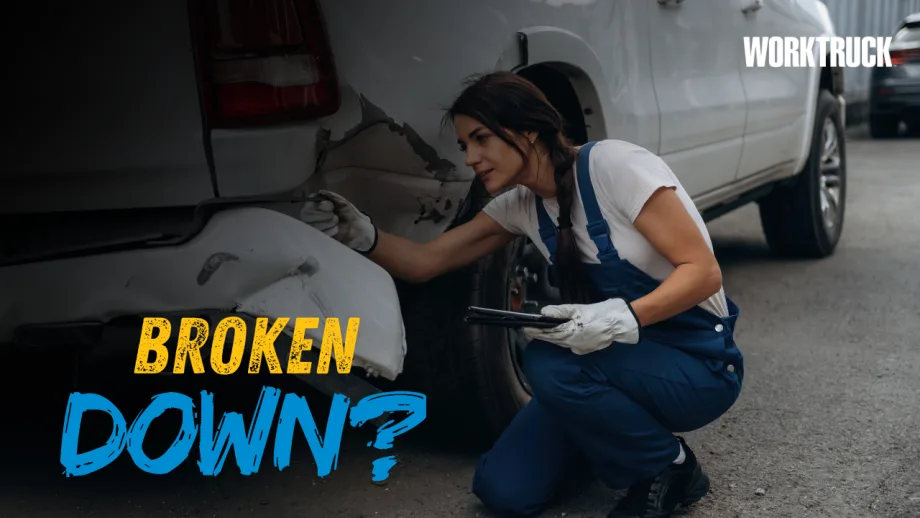
A disabled work truck can disrupt far more than transportation. The right roadside response must account for the driver, vehicle configuration, equipment, jobsite access, and the work still waiting to be completed.
- A breakdown of a work truck has broader impacts than just halting the vehicle, affecting entire operations.
- When a breakdown occurs, it can disrupt job sites and delay the delivery of crucial payloads.
- Specialized equipment transported by work trucks requires specific roadside response strategies.
*Summarized by AI
A work truck rarely breaks down at a convenient time or in a convenient place. It may be loaded with tools, materials, or equipment. It may be pulling a trailer, sitting behind a secured gate, operating off pavement, or traveling to a jobsite hours away from the fleet’s home base. The driver may have a crew waiting, a customer expecting service, or another contractor depending on equipment that is now sitting on the side of the road.
That is what makes a vocational roadside event different. The problem is not limited to the disabled vehicle. The breakdown can interrupt the work the vehicle was sent out to perform, and every additional hour can widen the disruption.
Yet many fleet operators still think of roadside assistance as a relatively simple transaction. A truck will not start, a tire goes flat, or a vehicle needs a tow, so someone calls the nearest available provider. Darren White, senior sales executive for Nation Safe Drivers, said that view overlooks many of the conditions that determine whether the first provider dispatched can complete the job.
“Most people think that roadside assistance is ‘cookie cutter,’ a commodity that is standard, normal, and easy,” White said. “They don’t necessarily think about the difficulties you’ll encounter, factors like time of day, day of the week, specific location, rural or metro, type of vehicle, specialty equipment needed, training, and capability to quickly resolve whatever is needed to get you back on your way.”
For work truck fleets, those details are not minor dispatch notes. They can be the difference between sending the right equipment the first time and losing additional hours while another provider is located.
A Work Truck Is Not Just a Big Car (Well, Obviously)
One of the biggest mistakes a fleet can make is assuming that a roadside provider capable of handling a passenger vehicle can automatically handle a medium-duty truck, heavy-duty unit, or specialized vocational vehicle.
“The common misconception is larger vehicles, medium, heavy, and super duty, are just like servicing a ‘big car,’” White said. “While some services, like jump-starts, for example, might be able to be handled by a standard service truck, most services require specialty equipment to service the larger vehicles properly.”
That equipment may be available somewhere in the market, but it is not carried by every provider or located in every community. A provider that responds quickly may still arrive without the towing capacity, tools, training, or recovery equipment required for the vehicle in front of it.
“This equipment, while available, does not exist with all service providers and at all locations,” White said.
For the fleet, a quick dispatch is not the same as a successful response. If the first provider cannot complete the service, the driver waits longer, the truck remains out of service, and the job continues to fall behind.
White said that reality demonstrates the need for “a partner with the specific expertise, equipment, and availability to service quickly and correctly.”
The Truck’s Configuration Changes the Recovery
A vocational truck is more than its chassis and gross vehicle weight rating. The body, equipment, payload, trailer, and position of the vehicle at the time of the breakdown can all affect what is required to move it safely.
A standard vehicle record may identify the make, model, class, and weight rating, but the responding provider may need a much more complete picture. A service body, crane, aerial device, liftgate, tank, mounted equipment, or loaded trailer can change the truck’s actual weight, clearance, balance, and recovery requirements.
“It’s not as simple as knowing the GVW of the disabled vehicle,” White said. “Multiple factors need to be understood before dispatching service to ensure the correct size and specialty equipment is dispatched, as well as ensuring the properly trained operator is sent to ensure first-call success.”
This is especially important for vocational fleets because two vehicles built on the same chassis may require very different roadside responses. A lightly loaded service truck may be handled one way. In contrast, a truck carrying materials, operating a crane, or towing loaded equipment may require a larger unit, additional equipment, or a more complex recovery plan.
The dispatcher needs to understand the vehicle as it is operating that day, not merely how it appears in the fleet database. The more complete the information is at the beginning of the call, the better the chances that the correct equipment and qualified operator will arrive the first time.
Every Jobsite Changes the Recovery Plan
A breakdown on the shoulder of a major highway presents one set of challenges. A breakdown at a construction site, utility right-of-way, remote delivery location, or secured facility can present something else entirely.
“Most times, servicing a work truck that breaks down in the field carries its own set of unique challenges,” White said. “Did the vehicle break down while in use? Was it loaded at the time of disablement? Does the load need to be transferred to a replacement vehicle before facilitating the roadside service or tow?”
Access can be just as important as the condition of the truck. The disabled vehicle may be behind a locked gate, positioned on uneven or soft ground, or located somewhere that requires winching before it can be connected to a tow truck. The fleet may also need authorization from a property manager, customer, or jobsite supervisor before an outside provider can enter.
“What challenges are there with accessing the vehicle on a secured jobsite?” White said. “Is it in a specific location that will necessitate winching of the vehicle before towing?”
The work itself may also need to be separated from the vehicle. A truck can be headed to a repair facility while the trailer, equipment, materials, or crew still need to reach the original destination. In those situations, simply removing the disabled unit does not solve the fleet’s full problem.
“Having the ability to discover the unique situation is paramount on each service to ensure success,” White said.
That discovery should happen before a provider begins traveling to the scene. Asking more questions at the start may feel like it slows the process, but sending an improperly equipped provider creates a much longer delay.
The fleet and roadside partner should be prepared to collect details about the vehicle, load, trailer, mounted equipment, access conditions, and immediate operational priorities. The goal is not simply to find someone who can reach the location. It is to send someone who can complete the work required when they arrive.
Protecting the Driver While Solving the Truck Problem
Work truck downtime is measured in missed jobs, delayed crews, and lost productivity, but the employee waiting with the vehicle remains the first concern.
“People first,” White said. “We rescue people, ensuring their safety first, and once that is ensured, we rescue the vehicle, getting you going again or towing you to the right repair facility. Safety is our number one priority throughout the process.”
A roadside plan should account for both sides of the event. The fleet needs to know where the driver is, whether the location is safe, and how the employee will receive updates while the correct service is coordinated.
“Regardless of fleet type, vehicle uptime equals productivity,” White said. “First-call success ensures your driver’s safety and gets them going again as quickly as possible.”
For vocational fleets, first-call success means understanding enough about the truck, its surroundings, and the work in progress to begin moving toward the right solution from the start.
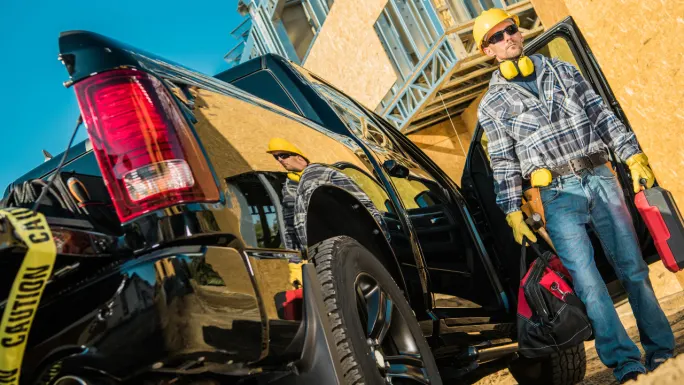
When a work truck goes down, tools, materials, crews, and customer commitments can all be left waiting. First-call success starts with understanding the truck’s real-world configuration and what the fleet needs to keep moving.
Envato | by duallogic
Downtime Does Not Stay with the Truck
The direct cost of a roadside event is usually easy to identify. There may be a service charge, towing bill, repair expenses, or replacement vehicle cost. The indirect expenses are harder to see because they spread across the operation.
“Hard costs include the time your team spends coordinating the services needed, the costs of a replacement vehicle and employee to cover the need while the vehicle is being repaired or towed, and the costs of delays and task completion,” White said.
A replacement employee may need to be sent. A second vehicle may need to be reassigned. Tools or materials may arrive late. A technician may miss an appointment, or an entire crew may be unable to begin work. The customer may not know or care that the original problem was mechanical. The customer only knew the work did not happen as expected.
“Indirect costs include customer satisfaction and other costs of labor caused by the delay of delivering tools, equipment, supplies, or other items needed to a specific job,” White said.
A few hours of downtime can therefore become a missed service window, a delayed project, an idle crew, or a damaged customer relationship. That is why the true cost of a roadside event cannot be measured by the towing invoice alone.
The Right Rescue May Require More Than One Tow
A commercial truck traveling through a remote area of Washington was carrying excavation equipment to a jobsite when the truck became disabled. Sending the truck and its trailer together to a repair facility would have recovered the vehicle, but it would not have delivered the equipment the project needed.
“After contacting dispatch, it was determined the correct solution was to dispatch two tow trucks,” White said. “One delivered the truck to the designated repair facility for engine repairs, and a second connected to the loaded Landoll trailer to deliver the equipment to the jobsite.”
The disabled truck still needed repairs. That part of the event did not disappear. The difference was that the fleet did not allow the truck’s mechanical failure to become the project’s delay automatically.
The power unit needed to reach the appropriate repair facility, while the loaded trailer needed to continue toward the jobsite. That required access to two qualified heavy-duty providers in a remote area and a dispatcher who understood that the goal was larger than clearing a disabled vehicle. The result, according to White, was that the excavation equipment arrived without creating an additional delay for the project.
“Having the capacity to complete two heavy-duty tows at the same time in a remote area ensured zero delays,” he said.
That example illustrates what first-call success should mean for a work truck fleet. It does not simply mean someone answered the telephone or a tow truck eventually arrived. It means the situation was understood well enough to protect the driver, recover the truck, and preserve as much of the day’s work as possible.
Build the Roadside Plan Around the Trucks and Work
A roadside plan should account for the trucks a fleet actually operates and the places those trucks actually work. That includes vehicle classes, vocational bodies, mounted equipment, trailers, typical payloads, operating territories, jobsite conditions, and hours of operation.
Drivers need to know whom to call and what information to provide. Fleet managers need confidence that qualified providers can be found across the operation’s service territory. The roadside partner needs enough information about the fleet’s trucks and equipment to avoid starting from scratch during every event.
No two vocational roadside events are the same. The same chassis can require a very different response depending on its body, load, trailer, surroundings, and purpose that day.
The goal is not to eliminate every breakdown. It is to prevent a mechanical problem from turning into a larger operational failure because the first provider arrived without the right equipment or no one considered what would happen to the driver, load, crew, customer, and job while the truck was down.
For a work truck fleet, roadside assistance is not simply a tow plan. It is part of the strategy for protecting people, managing disruption, and keeping the work moving when a vehicle cannot.
Roadside needs can look very different depending on the vehicles and operation. See how commercial fleets can prepare for recovery, or learn how small business fleets can reduce disruption when one disabled vehicle affects the entire workday.
Quick Answers
A work truck breakdown can halt job productivity since the truck often carries essential tools, equipment, and materials needed at the job site, causing delays in project timelines.
*Summarized by AI
More Maintenance & Uptime
Building a Better Vehicle Replacement Model
Meter readings still matter, but engine hours, idle time, maintenance trends, and utilization can help fleets spot costly vehicles before the odometer does.
Read More →
How JASPER Keeps Fleets Moving and Profitable
Every business decision within fleet management ultimately comes down to financial performance. Investing in dependable replacement powertrain components and responsive support can measurably impact the bottom line.
Read More →
Ryder Honors 2026 Top Technician at 25th Anniversary Skills Competition
Hosted in Nashville, Ryder’s 25th annual Top Technician Skills Competition honored the best technicians across the U.S. and Canada. Top Tech celebrates technician expertise while promoting growth, recognition, and camaraderie. Here are the winners.
Read More →From Our Partners
How JASPER Keeps Fleets Moving and Profitable
Sponsored by Jasper Engines & Transmissions
Basic Tracking vs Next Generation Fleet Technology
Sponsored by AT&T Business
5 Facts Every Fleet Manager Should Know About Embedded Telematics
Sponsored by Stellantis/Mobilisights
How AI Video Telematics Boosts Driver Safety and Helps to Avoid Unnecessary Costs
Sponsored by Verizon Connect

Charting the 8 Bottom-Line Benefits of Workforce Optimization
Sponsored by Verizon Connect

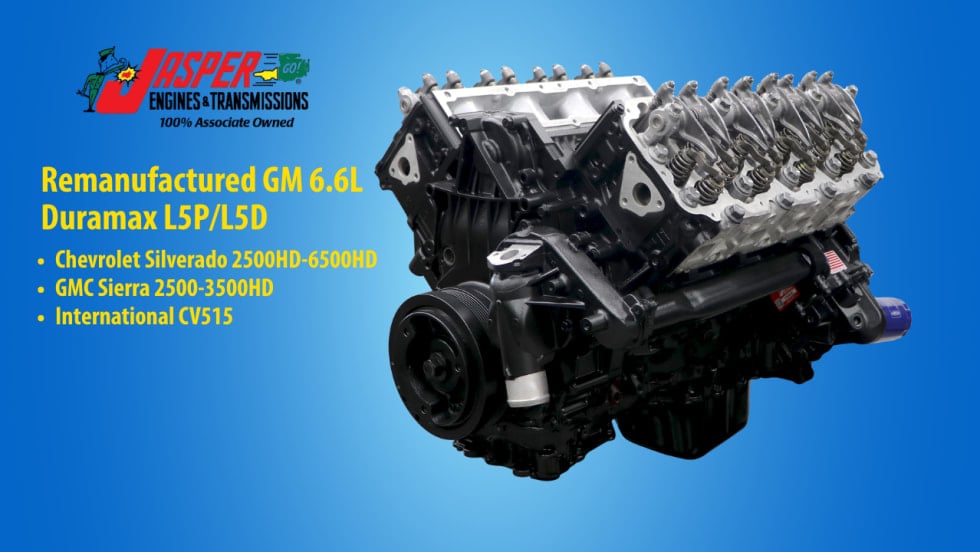
Jasper Offers GM 6.6L Duramax L5P/L5D Complete Format Diesel Engines
Jasper Engines & Transmissions now offers the remanufactured GM Duramax 6.6L L5P/L5D as a complete format engine for several General Motors and International 2017-2023 HD pickup trucks.
Read More →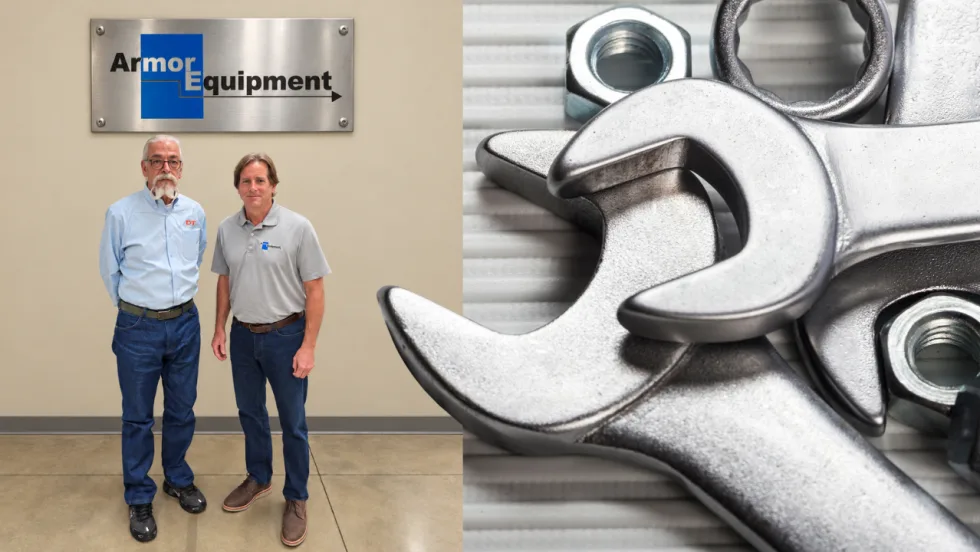
Armor Equipment Strengthens Minnesota Service Capabilities with Acquisition of Dakota Truck
Armor Equipment has acquired Dakota Truck, a medium- and heavy-duty truck and trailer repair business based in Lakeville, Minnesota. The acquisition adds truck and trailer repair expertise, building on Armor’s expansion into the Upper Midwest.
Read More →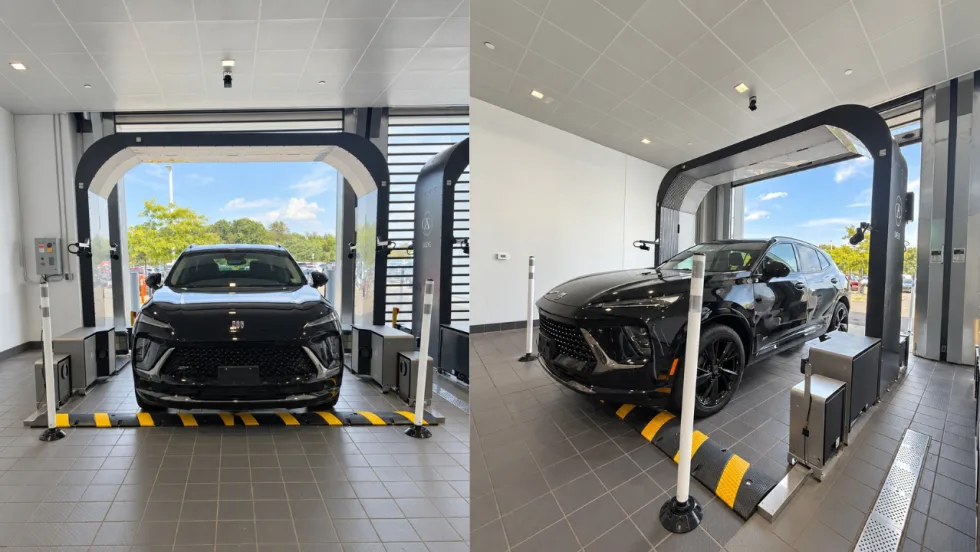
LaFontaine Partners With UVeye to Expand AI Vehicle Inspections in Michigan
LaFontaine is expanding UVeye AI vehicle inspections across Michigan, while UVeye tells Work Truck how the technology can support fleet maintenance and heavy-duty vehicle inspections.
Read More →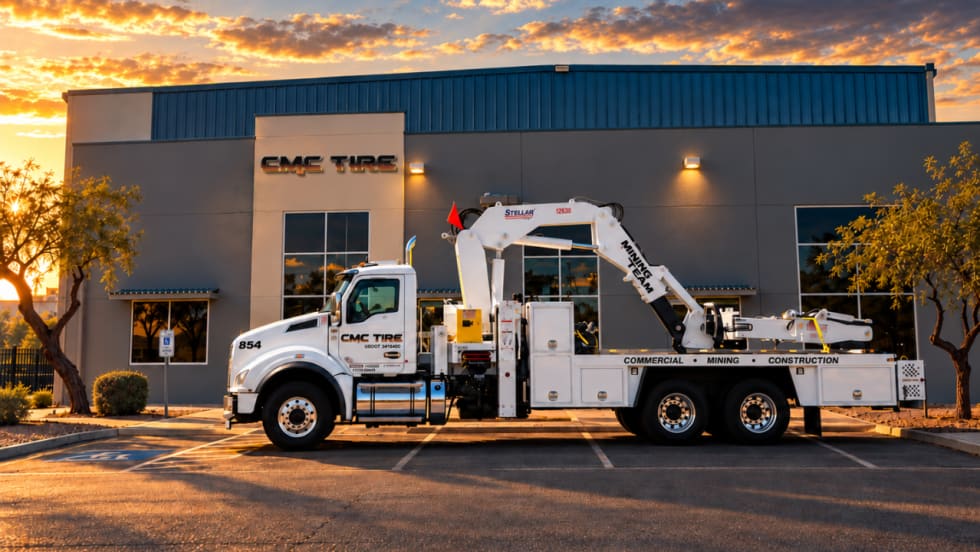
Les Schwab Expands Commercial Tire Footprint Into Arizona
Les Schwab Tires has expanded into Arizona with two commercial tire locations in Phoenix and Tucson, strengthening its fleet service footprint in the Southwest.
Read More →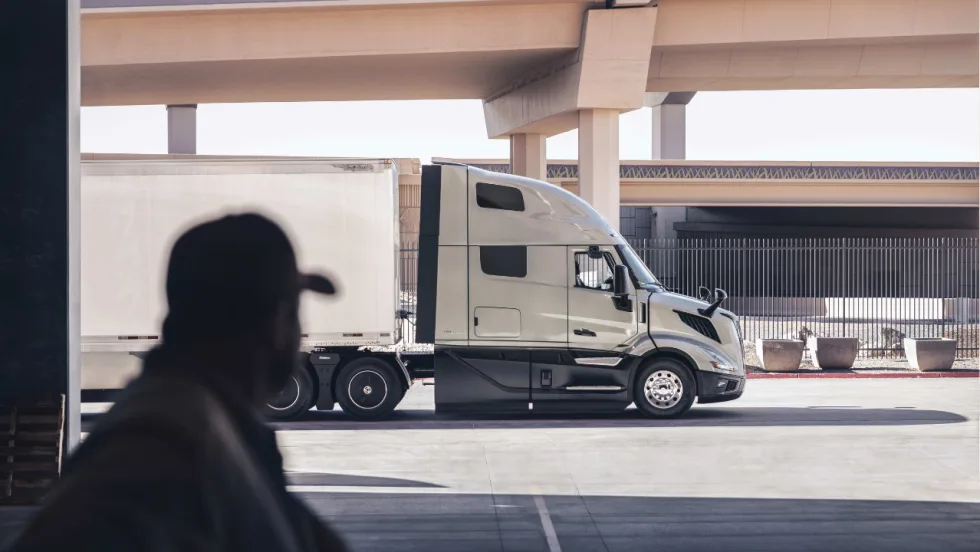
Volvo Trucks’ 'Lock and Leave' Software Updates Go Live Across North America
Unattended over-the-air software updates are now available in Volvo trucks across the U.S. and Canada. The new capability lets trucks stay current with the latest software without interrupting operations or requiring a dealership visit.
Read More →
Why Technician Appreciation Can’t Be a Once-a-Year Thought
For fleets trying to keep skilled technicians, recognition cannot begin and end with Technician Appreciation Week. Learn what year-round appreciation really looks like and why the everyday technician experience matters just as much as pay when fleets are trying to keep good people.
Read More →
How Faster Driver Reporting Can Keep Small Truck Problems Small
When minor damage, warning lights, or equipment issues are reported late, small problems can quickly become bigger maintenance headaches. Conversational AI can help shorten the path from what a driver notices in the field to the person who can act on it.
Read More →