




Medium-Duty Truck Essentials: Trends, Tips, and Innovations
Stay ahead in medium-duty trucking with key trends, maintenance tips, and innovations to keep your fleet efficient, secure, and future-ready.

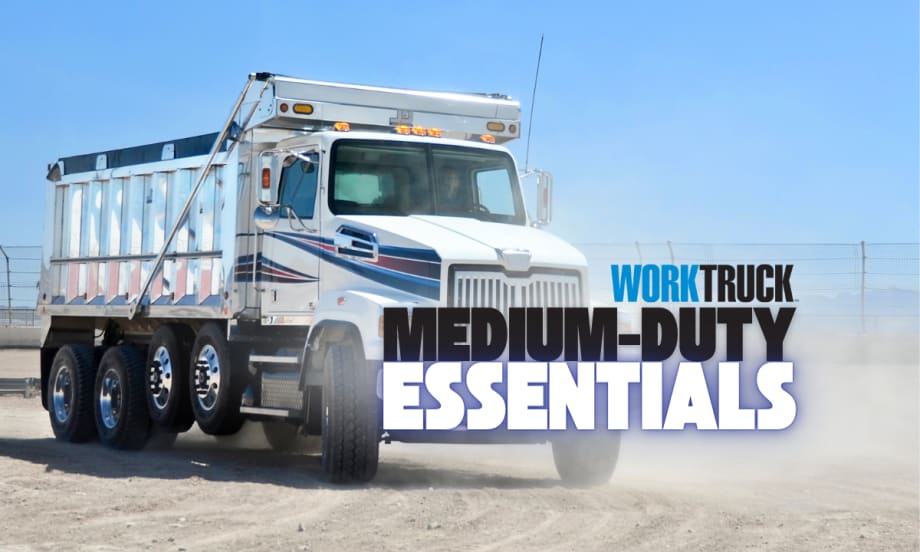
From cutting-edge technology to smarter maintenance strategies, staying ahead means knowing what’s next.
Photo: Work Truck
- Highlights current trends in medium-duty trucking to enhance fleet efficiency and security.
- Provides insightful maintenance tips vital for prolonging the vehicle lifespan and operational readiness.
- Discusses innovative technologies and strategies for preparing fleets for future challenges and opportunities.
*Summarized by AI
The medium-duty truck market is evolving fast, and staying ahead requires insight into the latest trends, maintenance strategies, and emerging technologies. Whether you're looking to extend the life of your fleet, combat rising security threats, or make smarter truck purchasing decisions, we’ve gathered expert insights to help you navigate these challenges.
From advancements in electrification and hybrid technology to critical maintenance must-dos and security solutions, this guide highlights what fleet managers need to know to keep operations running efficiently.
Let’s dive into the key takeaways that will shape fleet decisions in the year ahead.
1. Top Truck Trends for 2024
If you're not staying ahead of the curve, it’s easy to feel left behind. Our Work Truck team has their finger on the pulse, and here are the top trends you should know about:
5 Things to Know When Selecting Charging Solutions for Work Truck Fleets: If you are considering electrifying your work truck fleet, what do you need to know before spending money? Check out these five things you need to consider.
Facing Rising Cargo Theft, Fleets Turn to Technology for Solutions: Discover how fleet managers leverage advanced technology like real-time tracking, AI, and telematics to combat rising cargo theft and enhance security across their operations.
Work Truck’s 2025 Forecast Series: Navigating Challenges and Trends Ahead: Is your fleet ready for 2025? Discover the top trends shaping fleet management, from AI and telematics to sustainability and regulatory challenges, in Work Truck’s must-read forecast series!
2. Maintenance Tips to Extend Truck Lifespan
Keeping your trucks running smoothly is non-negotiable. We all know downtime is costly, so a solid maintenance routine is key. Check out some game-changers:
Engine Health Monitoring: Regular diagnostics and oil analysis can detect early signs of wear and tear, preventing small issues from turning into major (and expensive) repairs. Implementing predictive maintenance with telematics can help schedule service before a breakdown occurs.
Tire Care: Underinflated tires reduce fuel efficiency and increase the risk of blowouts. Routine pressure checks, alignments, and rotations extend tire life and improve safety. Investing in tire pressure monitoring systems (TPMS) can also help fleets stay on top of tire health.
Brake System Checks: Brake failure is a fleet’s worst nightmare. Regular inspections of brake pads, rotors, and fluid levels can prevent costly repairs and ensure safe stopping distances. Consider upgrading to high-performance brake pads for improved durability.
Fuel System Maintenance: Keeping fuel filters clean and using high-quality fuel can prevent injector clogging and extend engine life. For diesel trucks, monitoring DEF (diesel exhaust fluid) levels and quality ensures compliance with emissions regulations.
Seasonal Prep: Extreme temperatures impact truck performance. In colder months, battery checks and fuel system winterization are critical. For hotter climates, cooling system inspections prevent overheating. A seasonal maintenance checklist can help fleets stay prepared year-round.
3. Key Innovations to Consider
Innovation in medium-duty trucking is accelerating, and staying competitive means embracing new technologies that enhance safety, efficiency, and performance. Here are some must-have advancements shaping the industry:
Advanced Driver Assistance Systems (ADAS): Accidents are costly and dangerous, but ADAS is helping fleets prevent them before they happen. Features like lane departure warnings, automatic emergency braking (AEB), blind-spot monitoring, and adaptive cruise control are becoming standard in newer models. These technologies don’t just improve safety—they also help lower insurance costs and reduce downtime due to accidents.
Hybrid and Alternative Powertrains: Not ready for a fully electric fleet? Hybrid medium-duty trucks offer a balance between fuel efficiency and sustainability without requiring a complete overhaul of your charging infrastructure. Plug-in hybrid models provide an electric boost for short trips while relying on traditional fuel for longer hauls. Other alternative powertrains, like hydrogen fuel cell technology and renewable natural gas (RNG), are gaining traction as fleets explore cleaner fuel solutions. These options reduce emissions without sacrificing range or payload capacity.
Smart Fleet Management & Predictive Maintenance: Telematics and AI-powered diagnostics are revolutionizing how fleets monitor vehicle health. Predictive maintenance uses real-time data to detect early signs of wear and tear, allowing fleets to schedule service before a breakdown occurs. Additionally, over-the-air (OTA) software updates are making it easier to keep truck systems up to date, reducing the need for downtime at service centers.
Cargo Security & Theft Prevention Technology: With cargo theft on the rise, fleet managers are turning to advanced tracking and security solutions to protect valuable loads. Technologies like:
Smart locks with remote access
Geofencing and GPS tracking for real-time cargo monitoring
AI-powered surveillance cameras inside trucks and trailers
4. Choosing the Right Truck for Your Fleet
Selecting the right medium-duty truck is critical to keeping your fleet efficient, cost-effective, and reliable. With so many options available, it's essential to focus on key factors that impact performance, maintenance, and long-term costs.
Assess Payload and Route Requirements – A truck that’s too small will be overworked, leading to excessive repairs, while one that’s too large wastes fuel and adds unnecessary costs. Understanding your fleet’s typical payload capacity, terrain, and daily mileage helps narrow down the best options. Consider whether the truck will be used for city deliveries, highway hauls, or off-road applications, as each requires different power, fuel efficiency, and maneuverability considerations.
Evaluate Upfit Compatibility – Medium-duty trucks often require specialized equipment, from service bodies and refrigeration units to liftgates and tool storage. Choosing a truck with the right frame, chassis, and power capabilities ensures seamless upfitting without costly modifications. It’s also important to assess weight distribution, as poorly planned upfits can affect handling, fuel efficiency, and safety.
Consider Fuel Type & Efficiency – Fuel choice impacts both operating costs and sustainability goals. Diesel trucks offer durability and fuel efficiency for long hauls, while gasoline models may be better suited for lower-mileage applications. Hybrid and electric options are gaining traction for fleets looking to reduce emissions and long-term fuel expenses. Alternative fuels like CNG, propane, and hydrogen can also be viable, depending on infrastructure availability and fleet needs.
Analyze Total Cost of Ownership (TCO) – The purchase price is just the beginning. Long-term costs such as depreciation, fuel economy, maintenance, repairs, and insurance can vary significantly between models. A truck with a slightly higher upfront cost but lower maintenance and fuel expenses may be the smarter investment in the long run. Understanding these factors helps fleet managers make cost-effective decisions that align with budget and operational goals.
Driver Comfort & Safety Features – A comfortable, well-designed truck cab improves driver satisfaction, reduces fatigue, and enhances safety. Ergonomic seating, easy-to-use controls, and advanced visibility features make a big difference during long hours on the road. Safety technology, such as Advanced Driver Assistance Systems (ADAS), lane departure warnings, and automatic emergency braking, further help reduce accident risks and improve fleet-wide safety.
Looking Ahead: What’s Next for Medium-Duty Trucks?
Looking forward, advancements in fuel efficiency, safety technology, and fleet management software will continue to reshape the medium-duty truck landscape. Stay tuned to Work Truck for ongoing coverage of these innovations and how they will impact your fleet.
More Vehicle Insights
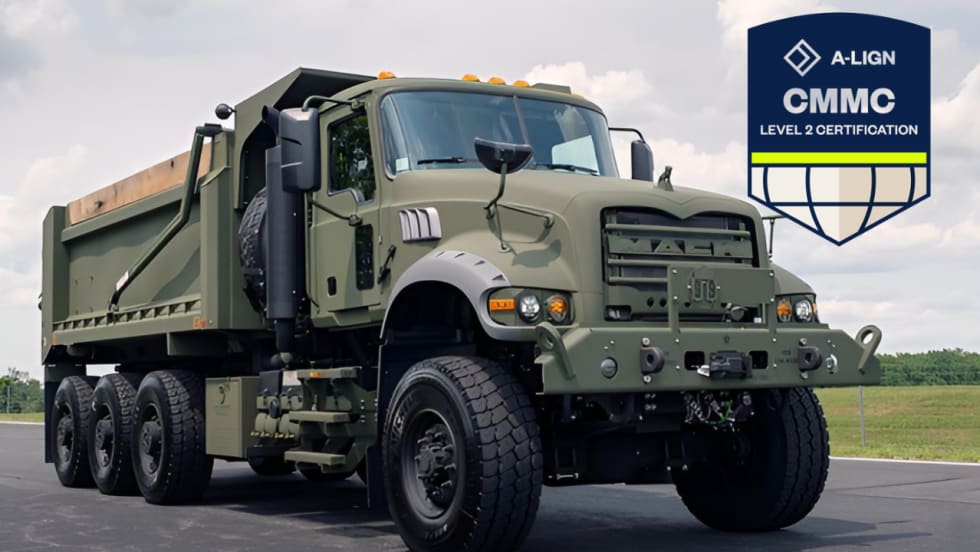
Mack Defense Achieves Cybersecurity Maturity Model Certification Level 2
After an assessment conducted by an authorized Certified Third-Party Assessment Organization (C3PAO), Mack Defense has achieved Cybersecurity Maturity Model Certification (CMMC) Level 2.
Read More →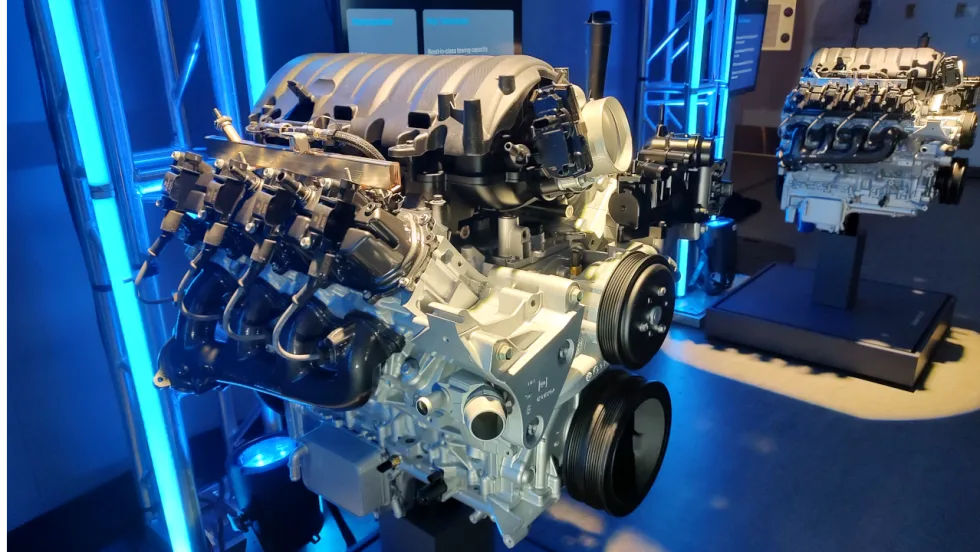
GM Unveils New Sixth-Generation Small Block Engines for 2027 Light-Duty Pickups
General Motors unveiled two new small-block engines, backed by extensive real-world validation and more than 70 years of small-block V8 manufacturing experience, as part of the engine portfolio for the 2027 Chevrolet Silverado 1500 and GMC Sierra 1500.
Read More →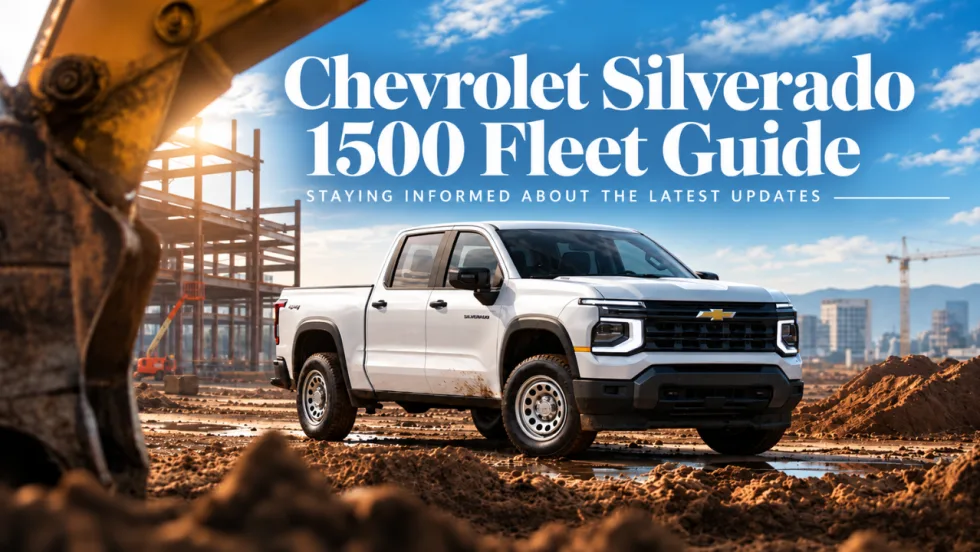
Chevrolet Silverado 1500 Fleet Guide Specs Capability and 2027 Model-Year Updates
The next-generation 2027 Chevrolet Silverado 1500 brings new V-8 engines, updated technology, expanded safety features, and a fleet-focused Work Truck. Here’s what commercial fleets need to know so far.
Read More →
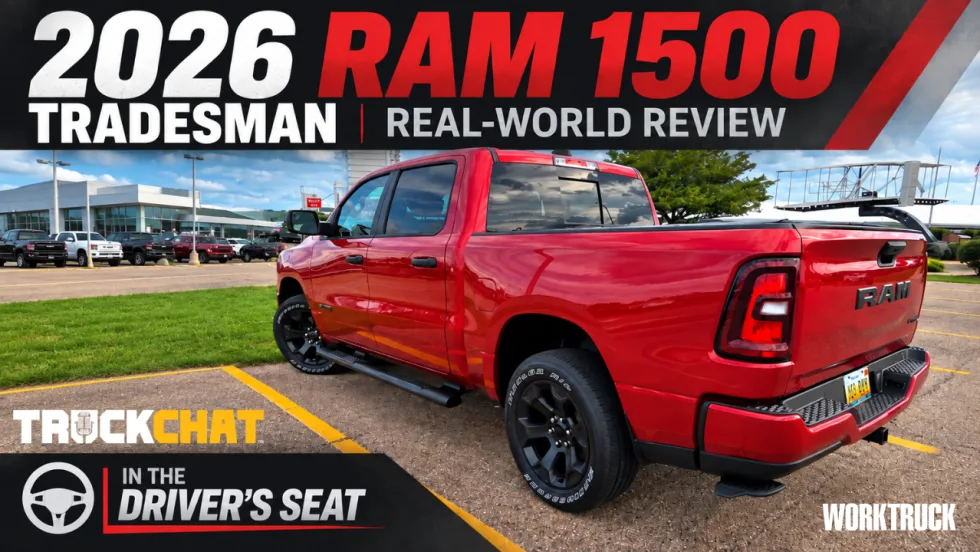
2026 Ram 1500 Tradesman Put to a Real-World Fleet Test
A few days behind the wheel of a 2026 Ram 1500 Tradesman turned into a test of visibility, parking, work-ready features, and even severe-weather driving.
Read More →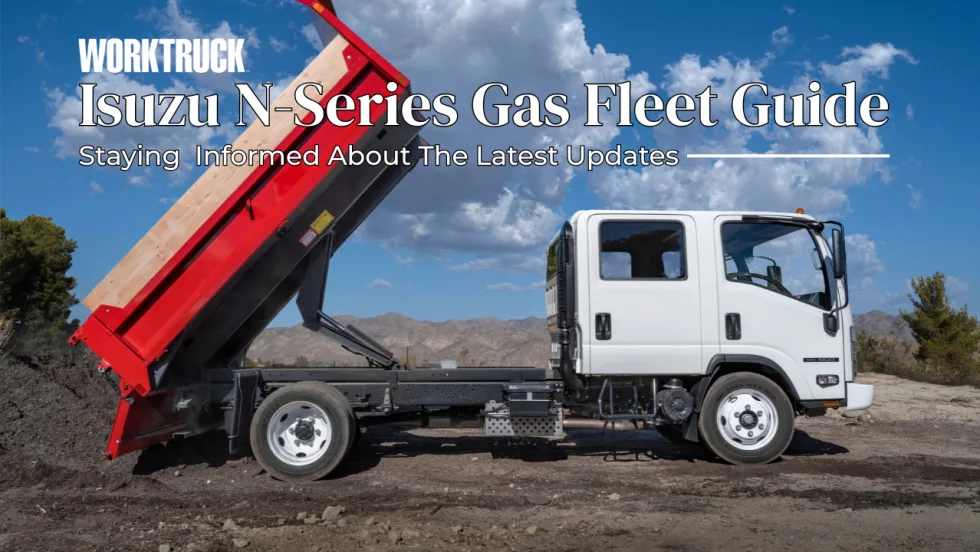
Isuzu N-Series Gas Fleet Guide: Specs, Capability and 2027 Model-Year Updates
Explore Isuzu Truck North America’s N-Series Gas fleet specs, engine performance, GVWR and payload capability, configurations, chassis dimensions, work-focused features, and 2027 model-year information.
Read More →
Ram ProMaster City Fleet Guide Specs Cargo Capacity and 2027 Updates
Work Truck’s Ram ProMaster City Fleet Guide tracks the latest specifications, cargo capability, configurations, fleet technology, pricing, and model-year updates for Ram’s mid-size commercial van.
Read More →
Ford F-150 Fleet Guide Specs Capability and 2026 Model-Year Updates
Explore 2026 Ford F-150 fleet specs, engines, towing and payload capability, configurations, work features, technology, and model-year updates.
Read More →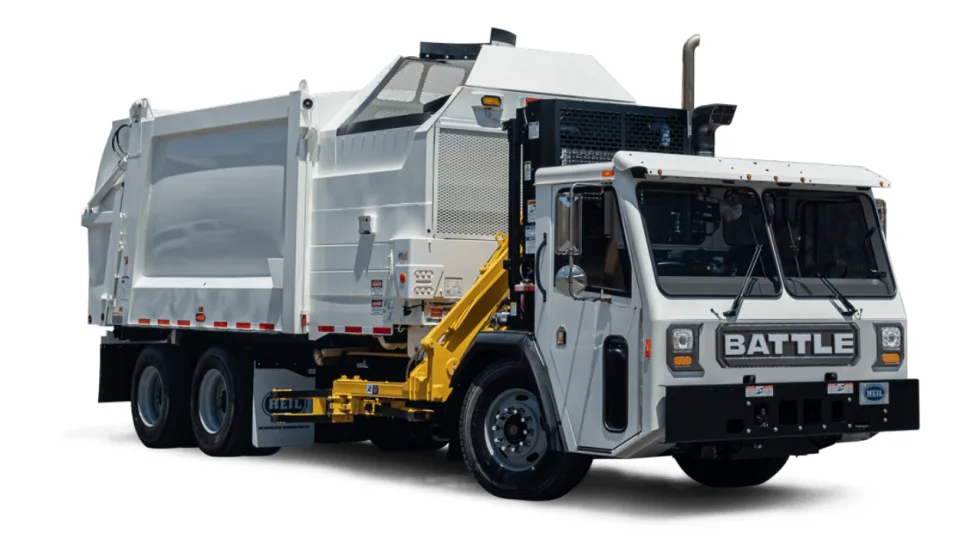
TCI Now Sells & Supports Battle Motors’ Vocational Trucks
Midwest truck dealer Truck Centers, Inc. (TCI) has expanded its transportation solutions with sales and service support for Battle Motors’ heavy-duty vocational trucks at locations in locations in Indiana, Illinois, and Missouri
Read More →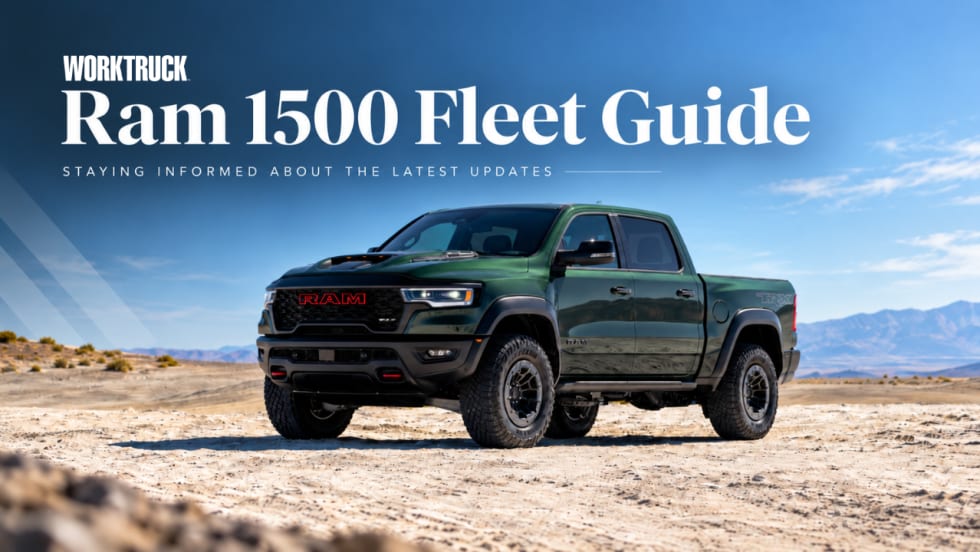
Ram 1500 Fleet Guide Specs, Capability and 2027 Model-Year Updates
Explore always up-to-date Ram 1500 fleet specs, engines, towing and payload capability, configurations, technology, pricing updates, and model-year changes.
Read More →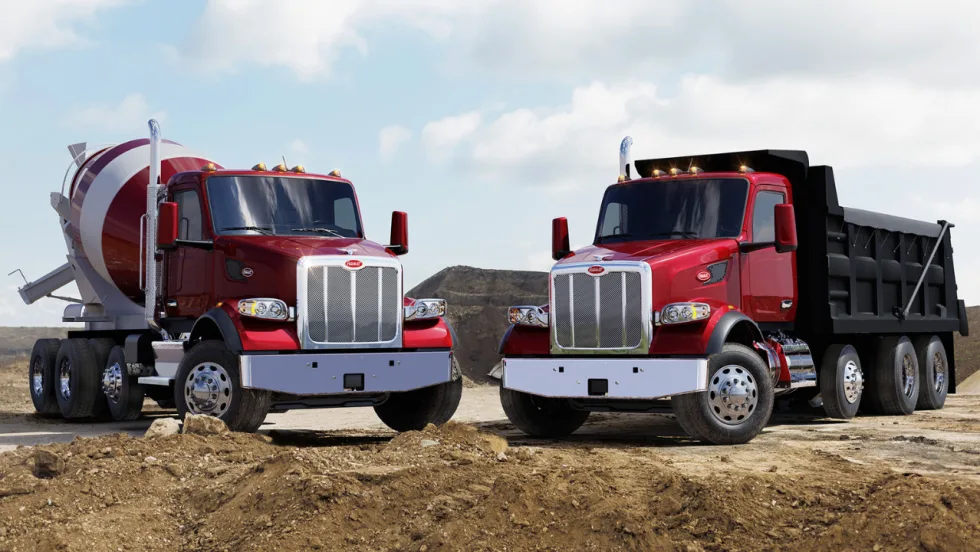
Peterbilt Trucks Equipped with Paccar TX-18 Pro Boost Efficiency for Maryland Fleet
Patuxent Companies is replacing aging trucks with the Peterbilt Model 567 and Model 589, specified with the Paccar TX-18 Pro 18-speed automated transmissions, and is reporting an 8% to 10% improvement in fuel economy.
Read More →