





Looking Back: International Truck Delivers First CV Series Production Unit
International CV Series: Medium-Duty Workhorse to End Production
Although International will end production of its CV Series in September, dealers will continue to support the Class 4-6 work truck, and International sees the MV Series filling the niche needs of fleets that have depended on the CV.
April 29, 2026
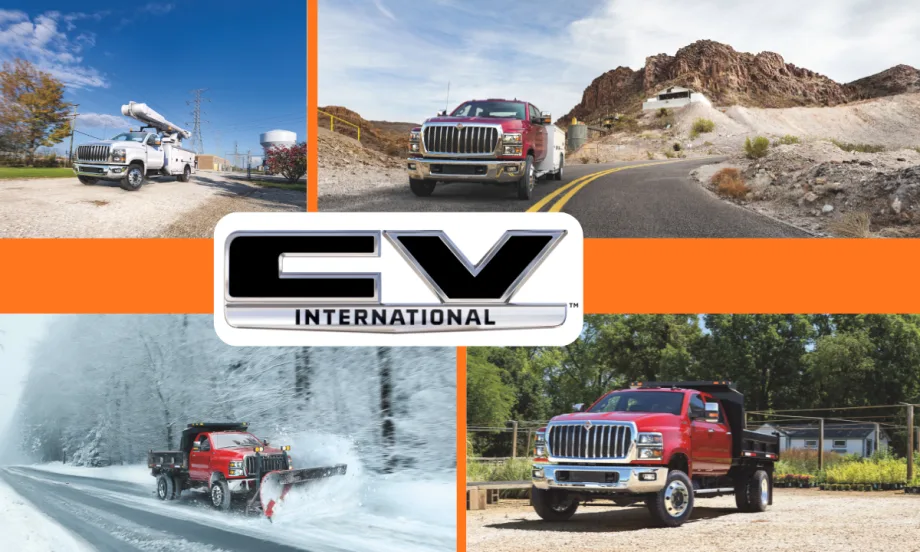
When International sells its Springfield Assembly Plant later this year, the CV Series will end production. But during its tenure, it was a Class 4-6 work truck that fleets could upfit for a variety of applications.
Credit: International/Work Truck
8 min to read
In September, International will sunset its CV Series. The truck launched in 2018 as a Class 4/5 medium-duty work truck and even reached the lower end of Class 6 during its production run. The end of production will coincide with International's sale of the Springfield Assembly Plant in Ohio, to Roshel, a defense and commercial vehicle manufacturer.
The CV Series was the result of a collaboration between International (then Navistar) and General Motors on Class 4 and 5 trucks, which also led to the Chevrolet 4500HD, 5500HD, and 6500HD introduced in 2018, marking GM’s return to the medium-duty market. The Springfield facility also produced select Chevrolet Express and GMC Savana Cutaway van variants.
“GM will end production of the Chevrolet Silverado 4500 HD, 5500 HD, 6500 HD, and select Chevrolet Express and GMC Savana Cutaway van variants following the September 30 conclusion of our manufacturing agreement with International Motors," GM said in a statement. "A majority of our popular Chevrolet Express/GMC Savana cutaway variants will continue to be built at GM’s Wentzville, Missouri facility after September 30, 2026. We are evaluating future portfolio options for medium-duty and will share more information as it becomes available.”
The first of the International CV Series was delivered in early 2019. Team Fishel, a utility engineering, construction, and network installation services provider, was the first to field International’s new medium-duty truck.
Conley said there were many facets to the decision to sell the Springfield Assembly Plant. Part of that was that the International-General Motors agreement would expire this year.
“So, tough decisions, many, many facets that go into it,” Conley said.
What the CV Series Offers
“We knew that there was a need for a commercial-grade vehicle in that Class 5, bottom of Class 6 area that we wanted to explore. We were able to develop a relationship with General Motors, explained Chad Conley, vice president, dealer retail sales East, International. “General Motors saw a need in their portfolio for a Class 4, Class 5 product. So, through that, we came together, went into a development agreement with them for commercial trucks, and we proceeded forward.”
Conley explained that International developed some components, such as the chassis and hood, while GM provided others. In the end, the CV Series was born.
“What made it special is that we were able to bring forward that commercial truck upfitability for our body builders. Instead of looking at how do we upgrade a pickup truck chassis, we went into it looking at this as a true commercial truck chassis, playing in that about 16,000 to 23,400 GVW,” he explained.
Even though the cab had a somewhat pickup-truck appearance and ease of use for the driver, the end product was a true medium-duty truck from the ground up, rather than a heavy-duty pickup truck scaled up. It even featured a tilting hood for better access to the engine and service points.
“First of all, it's built on formed straight rails. We did end up having some dips in those rails for the cab mounting, but we have a commercial-grade front steer axle and commercial-grade rear suspension. So, the chassis itself was built based on an overall commercial chassis for payload carrying and weight, versus trying to upgrade a pickup truck chassis as some of the competition there at the time we're doing it,” explained Conely. “So that really set us apart.”
He said they also brought in a commercial medium-duty Class 6/7 brake system to ensure safety and the payloads that the new truck would be carrying.
Simplicity ruled, and there was only one truck chassis that could span the various classes. Actually, there were two trucks: the International CV Series and GM’s Silverado HD. There were varying suspension components based on the class of truck, but all were using the same chassis.
“That bottom of Class 6 up to 23,500 was really where it hit its sweet spot,” Conley added.
The chassis were produced in International’s Springfield plant, and then the chassis cabs went to body builders and upfitters. But, International designed the truck for easy upfitting and body building.
“We prided ourselves here at International on our capability of upfitting, installing the body integration piece of it, and that was something we carried forward to the CV,” Conley said.
While Conley didn’t want to speak on behalf of GM with specifics to their units produced annually, he said International typically made between 2,500 to 3,000 CV Series chassis each year. But, he did say GM’s volume was a little higher.
The two trucks, International’s and GM’s, were basically the same.
“It was essentially the same product with different badging and grille,” added Conley.
Background with the CV Series
Conely has what he calls an interesting background with the CV. He worked in engineering when it was first developed, and was involved when International first started working on the contract with GM. His role at International has grown since then, and he now has commercial responsibilities for the Eastern half of the U.S.
“At heart, I'm a truck guy, so anytime there's any product that we make the decision, as hard as it may be, to sunset a product, it's always tough for all of us,” he said.
Although fleets operate on replacement cycles, as a truck-loving International guy, Conley would be happy to see them keep the CVs running forever.
CV Series Key Applications
“Service trucks were definitely a key application for us, landscape dump, small utility products. We even had some small products running in the fire truck industry, and then from there, we even saw some small box trucks,” Conley explained. “So, really varying application, any application where the customer needed something in that lower end of Class 6 or Class 5, where they didn't need the big GVW, the big payload, but they also wanted the practicality of getting in and out of locations, the driver's capability to feel more secure in a smaller product.”
The CV is powered by International’s 6.6-liter diesel engine with 350 horsepower and 700 lb-ft of torque and is available as either a day cab or a crew cab with several axle configurations.
“It served itself well in all applications that we serve today with our MV product,” he expanded.
Springfield Plant Legacy
Conley has family ties to the Springfield plant – his dad worked for International for 35 years, spending the majority of those years at Springfield. But the younger Conley also worked at the Springfield plant for about 6 months early in his career as part of a rotational program.
“So, a lot of products have been produced there over the years. It has always been a mainstay for this company there. Any time you walk away or sunset a plant, it's always difficult for all of us, if you will. We are happy that there are some folks coming in there that may continue on that plant in a production capacity,” Conley said.
Today, the plant still produces the CV and Silverado, and an additional product for GM.
“There's a little bit of sadness when a Springfield assembly plant goes away; however, I'm really excited about the things we're doing at San Antonio and the growth that's happening down there,” he added.
Continued Service & Parts for the CV
The International dealer network will continue to support the CV for many years to come, according to Conley. Those same dealers can work closely with customers to help them shift from the CV to the MV.
“Our MV product has done very well and continues to do very well. So, the flexibility that chassis gives us will allow us to work with the CV customers, and they'll have the full dealer network support across the country, in Canada,” he explained.
International MV Class 6-7
The International MV is the company’s Class 6-7 product, and Conley said that in many roles, customers can transition from the CV to the MV.
“We are committed to working with them to make that transition smooth,” Conley said.
The MV offers three powertrain options: the Cummins B6.7 and the Cummins L9. Three cab configurations are available: day cab, extended cab, and crew cab.
International promotes the MV series for a variety of applications, including:
Pickup and delivery
Refrigerated van
Roll off
Service
Utility bucket truck
Snow plow
Dump truck
Rescue
Beverage – truck body
Beverage – roll up trailer
Landscape
Flatbed
Digger derrick
Ambulance
Cement mixer
The MV is produced at the International plant in San Antonio, Texas, and some MV products in the Escobedo plant just outside Monterrey, Mexico.
What’s Coming from International?
Although CV Series production will end later this year, Conley said, there are exciting times ahead for International.
“We have been doing extremely well with our S13 integrated powertrain, which includes our T14 transmission. I think when you look at 13 liters in this industry, I would tell you this S13 stands apart,” Conley said.
“We still have what I believe is the best-in-class premium vocational product on the market, DHX,” he added.
He also said International will be launching a new mid-range diesel, its new HV product, with a Cummins X10 engine early next year.
“We’re really excited about that,” he said.
Conley also said International will continue to find ways to keep the MV at the top of the Class 6/7 market. Some announcements will also be coming about International’s Class 8 highway truck.
“So, if you look at International today, I can confidently say we have the best product lineup that we've ever had, with some really exciting things still to come, and it's a good time to work in International,” he concluded.
More Vehicle Research
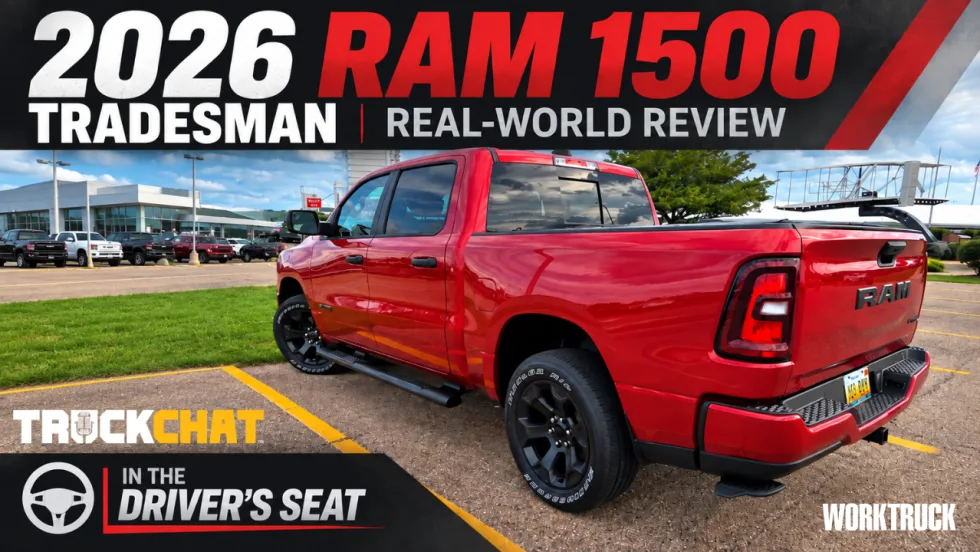
2026 Ram 1500 Tradesman Put to a Real-World Fleet Test
A few days behind the wheel of a 2026 Ram 1500 Tradesman turned into a test of visibility, parking, work-ready features, and even severe-weather driving.
Read More →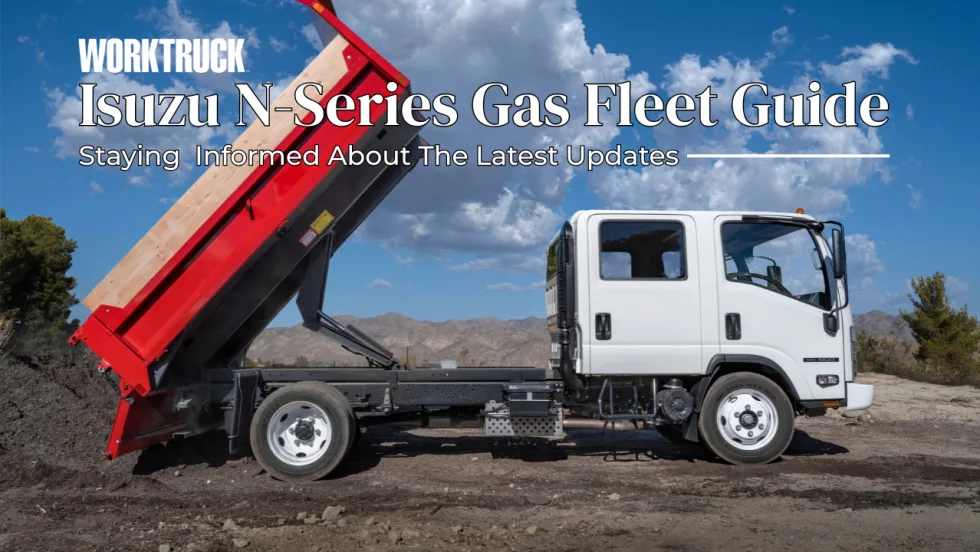
Isuzu N-Series Gas Fleet Guide: Specs, Capability and 2027 Model-Year Updates
Explore Isuzu Truck North America’s N-Series Gas fleet specs, engine performance, GVWR and payload capability, configurations, chassis dimensions, work-focused features, and 2027 model-year information.
Read More →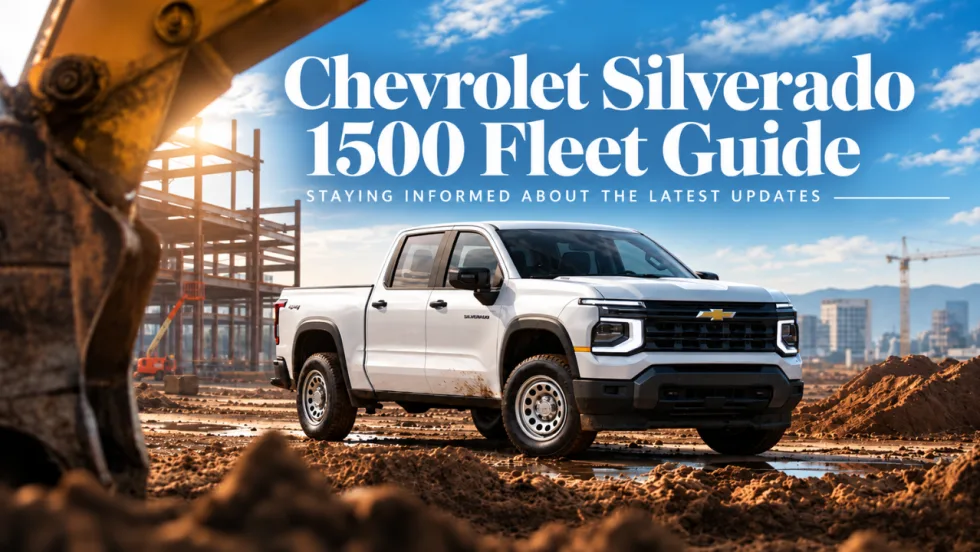
Chevrolet Silverado 1500 Fleet Guide Specs Capability and 2027 Model-Year Updates
The next-generation 2027 Chevrolet Silverado 1500 brings new V-8 engines, updated technology, expanded safety features, and a fleet-focused Work Truck. Here’s what commercial fleets need to know so far.
Read More →
Ram ProMaster City Fleet Guide Specs Cargo Capacity and 2027 Updates
Work Truck’s Ram ProMaster City Fleet Guide tracks the latest specifications, cargo capability, configurations, fleet technology, pricing, and model-year updates for Ram’s mid-size commercial van.
Read More →
Ford F-150 Fleet Guide Specs Capability and 2026 Model-Year Updates
Explore 2026 Ford F-150 fleet specs, engines, towing and payload capability, configurations, work features, technology, and model-year updates.
Read More →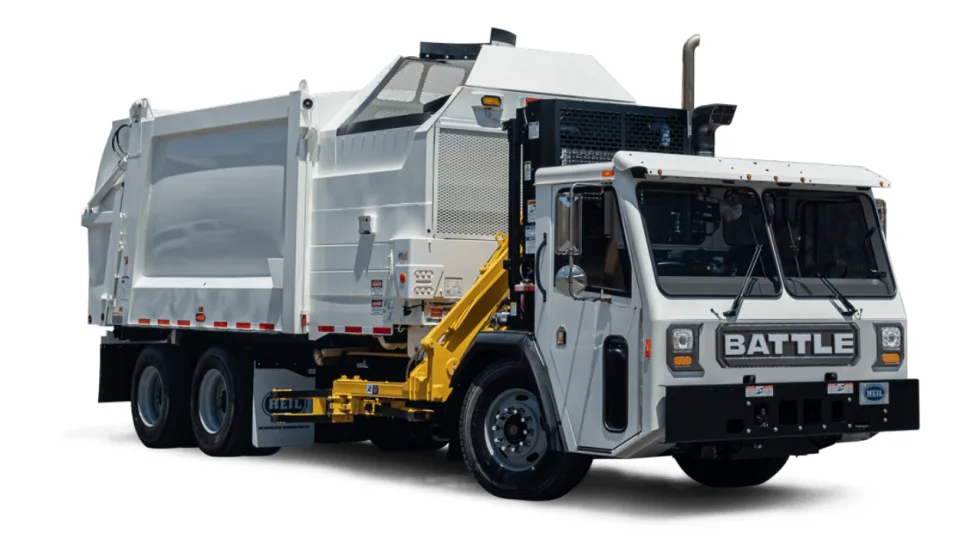
TCI Now Sells & Supports Battle Motors’ Vocational Trucks
Midwest truck dealer Truck Centers, Inc. (TCI) has expanded its transportation solutions with sales and service support for Battle Motors’ heavy-duty vocational trucks at locations in locations in Indiana, Illinois, and Missouri
Read More →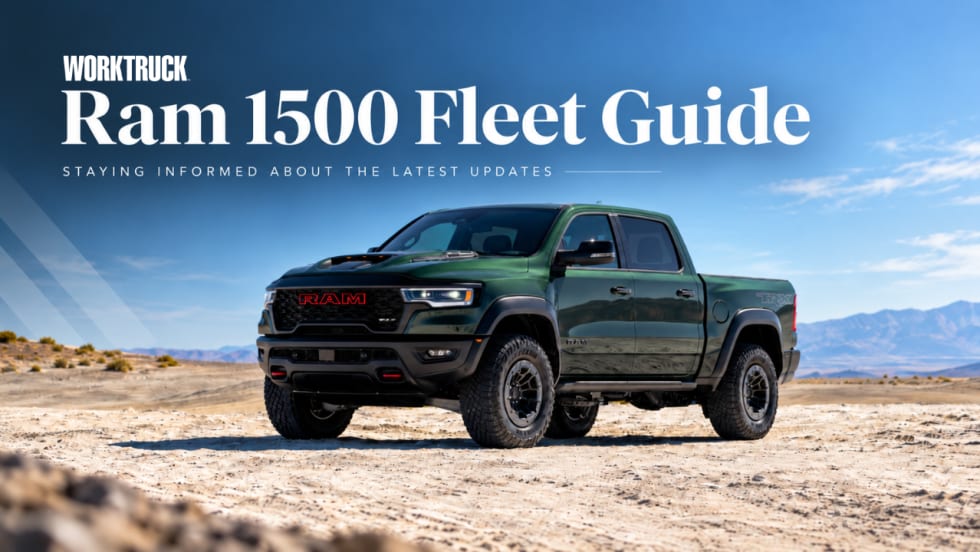
Ram 1500 Fleet Guide Specs, Capability and 2027 Model-Year Updates
Explore always up-to-date Ram 1500 fleet specs, engines, towing and payload capability, configurations, technology, pricing updates, and model-year changes.
Read More →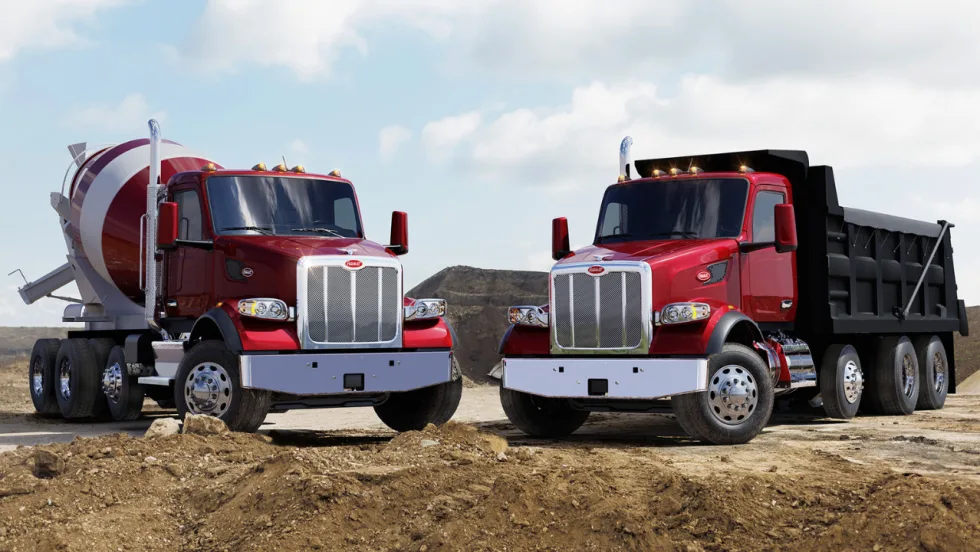
Peterbilt Trucks Equipped with Paccar TX-18 Pro Boost Efficiency for Maryland Fleet
Patuxent Companies is replacing aging trucks with the Peterbilt Model 567 and Model 589, specified with the Paccar TX-18 Pro 18-speed automated transmissions, and is reporting an 8% to 10% improvement in fuel economy.
Read More →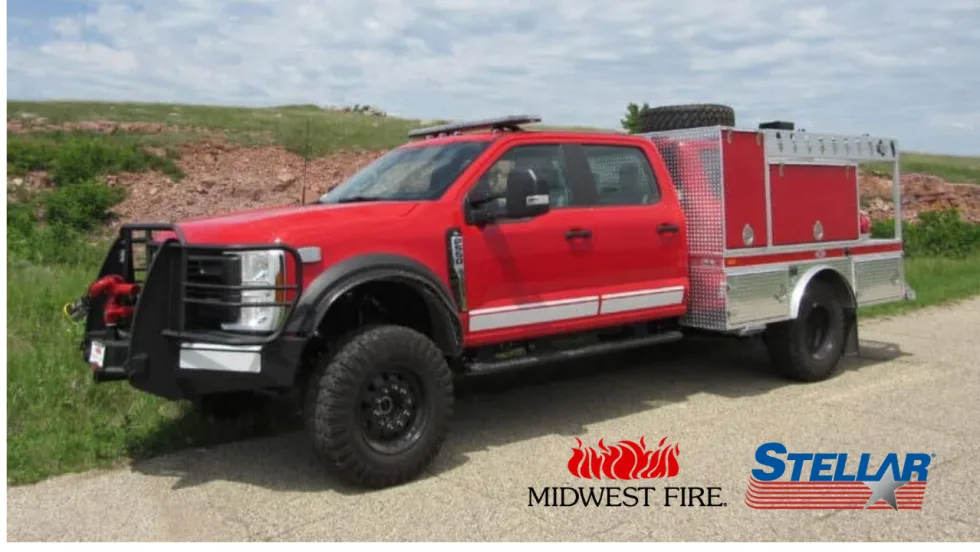
Stellar Expands into Fire Apparatus Market with Acquisition of Midwest Fire
Stellar Industries has acquired Midwest Fire, a custom fire apparatus manufacturer headquartered in Luverne, Minnesota, with nearly four decades of specialized apparatus experience.
Read More →
Recalls You Need to Know About in August 2026
If you have Altec, Chrysler, Ford, Heil, General Motors, International, Mack Trucks, Paccar, Rivian, Royal Truck, Toyota, US Truck Body, or Volvo Trucks vehicles in your fleet, you should check these important recalls issued by the National Highway Safety Administration.
Read More →