




Braking Beyond Basics: Practical Tips to Extend Work Truck Brake Life
Discover how to extend brake life, improve stopping distances, and avoid costly repairs with smart fleet management.

Do you know how long it takes a truck to stop? You might just be surprised!
Photo: Work Truck
When it comes to fleet safety and managing costs, your truck's braking system is one of the most critical areas to keep in check. Whether you're running light-duty trucks making daily stops or medium-duty trucks that haul heavy loads, brake wear is inevitable.
But there's good news: Simple, proactive strategies can help extend the life of truck brakes, boost safety, and hit the brake pedal on rising costs.
Understanding Truck Brake Wear: The Basics
Work trucks take a beating, especially when loaded up and facing stop-and-go traffic. Over time, all that heat, friction, and constant use starts wearing down components like brake pads and rotors. These systems are designed to handle your truck's weight, load, and stopping power.
However, neglecting maintenance or missing early warning signs can quickly become longer stopping distances and unsafe driving conditions.
Ignoring early warning signs — like squealing, grinding, or a spongy brake pedal — can lead to larger, more expensive repairs down the line. When left unchecked, worn brakes can cause damage to other parts of your truck, such as the tires, suspension, and even the transmission, as the vehicle compensates for reduced stopping ability.
In extreme cases, brake failure can result in accidents, leading to costly downtime, legal liabilities, and even increased insurance premiums.
Beyond safety, poorly maintained brakes affect your fleet’s overall performance. Trucks with degraded braking systems often experience longer stopping distances, requiring drivers to brake earlier and harder. This not only puts more wear on the brakes themselves but also creates a ripple effect throughout the vehicle. Straining the engine, transmission, and tires can ultimately lead to decreased fuel efficiency and more frequent repairs — costing your business both time and money.
Top Tips for Extending the Life of Work Truck Brakes
If you're looking to get more out of your fleet's truck brakes and keep maintenance costs in check, here are a few practical tips you can implement right now:
1. Keep Up with Regular Inspections and Maintenance
Don't wait until there's a problem — be proactive with your brake care. Regular inspections are a must, especially when spotting wear and tear on break pads, rotors, and other parts. Follow the manufacturer's maintenance schedule and consider ramping up inspections if your trucks operate in tough environments like construction zones or urban traffic.
2. Don't Skip Brake Fluid Checks
Think of brake fluid as the unsung hero of your truck's braking system. Without it, hydraulic pressure can't engage the brakes properly. But over time, moisture seeps in, reducing effectiveness and causing corrosion. Regular checks and fluid changes help keep things running smoothly.
3. Stop Overloading Your Trucks
It's tempting to load up your trucks beyond capacity, but doing so puts unnecessary strain on the brakes, making them wear out faster. Stick to the recommended weight limits for light- and medium-duty trucks to help prolong brake life.
4. Train Drivers on Better Braking Techniques
Here's where you can make a big difference: train your drivers. Habits like coasting to slow down before hitting the brakes, avoiding sudden stops, and using engine braking when appropriate can seriously reduce brake wear. It's one of the simplest ways to get more out of your brake system.
5. Invest in High-Quality Brake Pads
Not all brake pads are created equal; this is one area where you don't want to skimp. Higher-quality brake pads may cost more upfront, but the long-term savings on reduced wear and maintenance are worth the investment. It's about playing the long game.
6. Use Telematics and Other Tech
Fleet management technology is your friend. Tools like telematics can track driving behavior, alerting you to hard braking events so you can coach drivers who might need it. It's also a great way to identify routes that could be optimized to reduce stop-and-go traffic, which helps protect your brakes.
Why Stopping Distance, and Good Brake Pads, Matter
Extending brake life is important, but understanding stopping distances is crucial for safe fleet operations. As brake components wear down, stopping a truck becomes more challenging, leading to potential hazards on the road. Medium-duty trucks, in particular, have longer stopping distances than their light-duty counterparts due to the heavier loads they carry.
Are you ready to break down a truck's stopping distance? Here are a few factors to take into consideration:
Perception Time – The time it takes the driver to perceive the need to brake.
Reaction Time – The time it takes for the driver to react and actually hit the brakes.
Braking Distance – The distance the truck travels after the brakes are applied.
Several factors affect stopping distance, including:
Weather conditions
Speed
Road gradient
Towing
The overall condition of the vehicle
Worn brake components increase stopping distances, putting your drivers and others on the road at risk. Regular brake maintenance can help reduce these risks, especially in heavier trucks.
To calculate a truck's stopping distance, we need to break it into two parts: the Reaction Distance and the Braking Distance. Here’s how you can calculate them:
Reaction Distance Formula:
Reaction Distance = Speed (mph) × 1.47 × Reaction Time (seconds)
Speed (in mph) is the truck’s speed in miles per hour.
1.47 converts the speed from mph to feet per second.
Reaction Time is typically 1.5 seconds for an average driver.
Braking Distance Formula:
Braking Distance = Speed (mph)2 / 2 x Friction Coefficient × 32.2
Friction Coefficient depends on road conditions, ranging from 0.7 for dry pavement to lower values for wet or icy roads.
Gravity is the constant 32.2 ft/s².
Once you’ve calculated these, the Total Stopping Distance is:
Total Stopping Distance = Reaction Distance + Braking Distance
Calculate Your Truck's Minimum Stopping Distance
Note: There are a LOT of factors involved, as we've noted above. This tool will help you determine the minimum stopping distance a truck may require, but remember that real-world numbers are likely far higher. Refer to your vehicle's manufacturer
Enter the truck's speed (in mph), reaction time, and the road's friction coefficient to calculate the stopping distance:
Your Results:
Reaction Distance:
Braking Distance:
Total Stopping Distance:
One Foot on the Brake Pedal: Brake Care is a Must
Prioritizing brake maintenance isn't just about cost savings — it's about keeping your fleet on the road safely. With regular check-ups, proper driver training, and the right parts, you'll not only extend the life of your brakes but also reduce stopping distances and help protect everyone out there.
So, get ahead of the game with your brake maintenance and see the payoff with lower costs, safer roads, and a fleet that's always ready to roll.
More Maintenance & Uptime
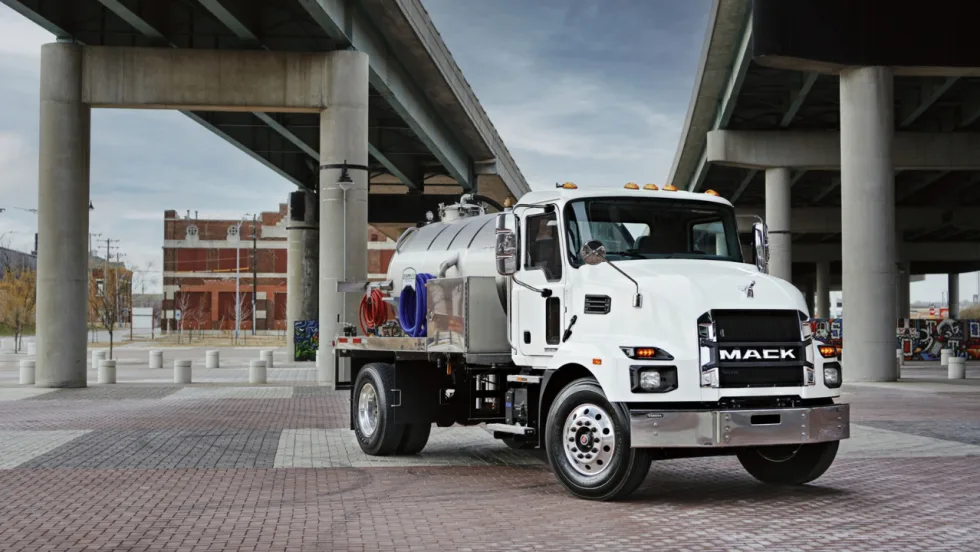
Mack Adds Chassis Coverage Options for Fleet Repair Costs
Mack Trucks introduced four system-specific chassis coverage plans, giving fleets more flexibility to manage repair costs for driveline, HVAC, electronics, safety systems, and other components.
Read More →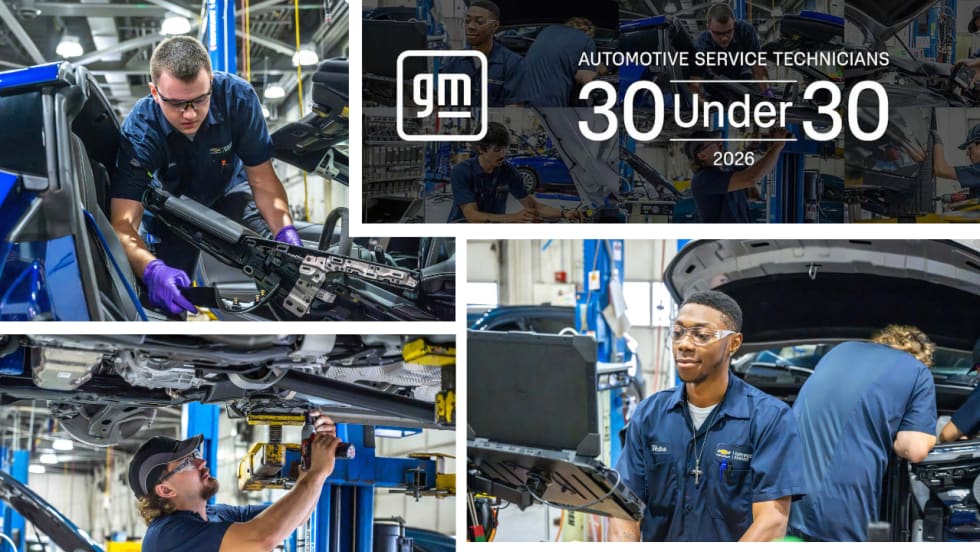
GM Launches ‘30 Under 30’ Program to Elevate Automotive Service Technicians and Inspire the Next Generation
The GM Automotive Service Technicians 30 Under 30 program honors GM service technicians under the age of 30 who demonstrate continuous technical training, exemplary customer service, mentorship, and leadership.
Read More →
Kooner Fleet Management Solutions Named Exclusive On-Site Fleet Maintenance Provider for Safe Truck Parking
A strategic partnership between Kooner Fleet Management Solutions and Safe Truck Parking brings mobile maintenance and 24/7 repair services directly to Safe Truck Parking locations, beginning in San Diego, California, with nationwide expansion planned.
Read More →From Our Partners
How JASPER Keeps Fleets Moving and Profitable
Sponsored by Jasper Engines & Transmissions
Basic Tracking vs Next Generation Fleet Technology
Sponsored by AT&T Business
5 Facts Every Fleet Manager Should Know About Embedded Telematics
Sponsored by Stellantis/Mobilisights
How AI Video Telematics Boosts Driver Safety and Helps to Avoid Unnecessary Costs
Sponsored by Verizon Connect

Charting the 8 Bottom-Line Benefits of Workforce Optimization
Sponsored by Verizon Connect


Building a Better Vehicle Replacement Model
Meter readings still matter, but engine hours, idle time, maintenance trends, and utilization can help fleets spot costly vehicles before the odometer does.
Read More →
How JASPER Keeps Fleets Moving and Profitable
Every business decision within fleet management ultimately comes down to financial performance. Investing in dependable replacement powertrain components and responsive support can measurably impact the bottom line.
Read More →
Ryder Honors 2026 Top Technician at 25th Anniversary Skills Competition
Hosted in Nashville, Ryder’s 25th annual Top Technician Skills Competition honored the best technicians across the U.S. and Canada. Top Tech celebrates technician expertise while promoting growth, recognition, and camaraderie. Here are the winners.
Read More →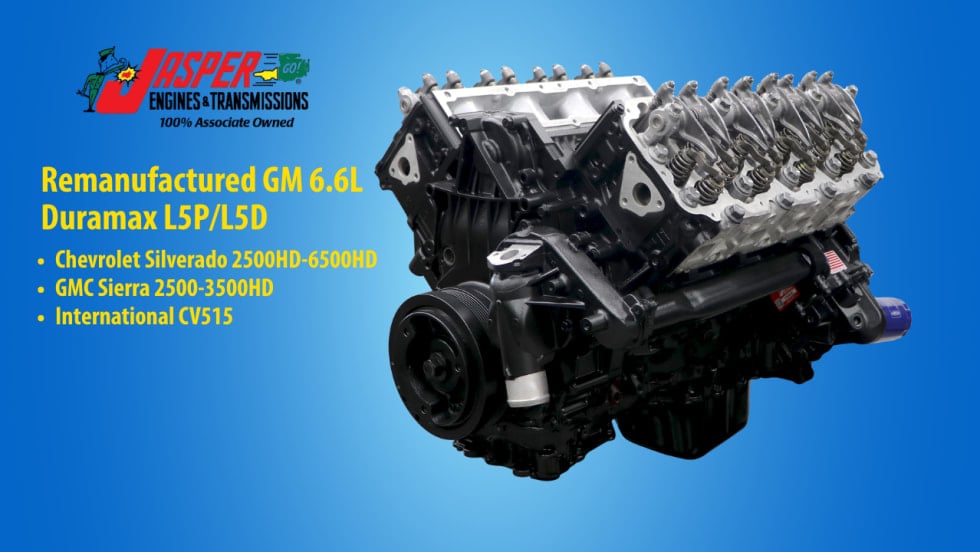
Jasper Offers GM 6.6L Duramax L5P/L5D Complete Format Diesel Engines
Jasper Engines & Transmissions now offers the remanufactured GM Duramax 6.6L L5P/L5D as a complete format engine for several General Motors and International 2017-2023 HD pickup trucks.
Read More →
Armor Equipment Strengthens Minnesota Service Capabilities with Acquisition of Dakota Truck
Armor Equipment has acquired Dakota Truck, a medium- and heavy-duty truck and trailer repair business based in Lakeville, Minnesota. The acquisition adds truck and trailer repair expertise, building on Armor’s expansion into the Upper Midwest.
Read More →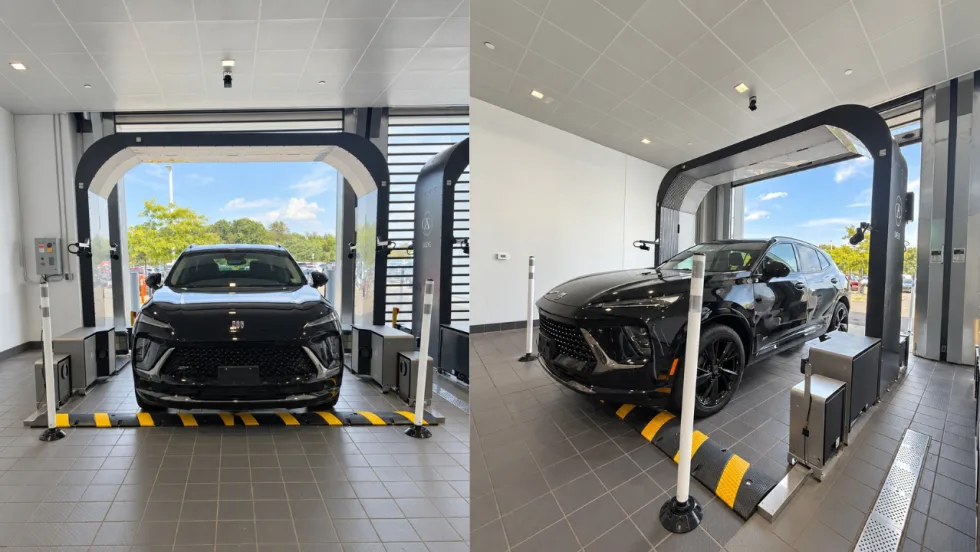
LaFontaine Partners With UVeye to Expand AI Vehicle Inspections in Michigan
LaFontaine is expanding UVeye AI vehicle inspections across Michigan, while UVeye tells Work Truck how the technology can support fleet maintenance and heavy-duty vehicle inspections.
Read More →
Les Schwab Expands Commercial Tire Footprint Into Arizona
Les Schwab Tires has expanded into Arizona with two commercial tire locations in Phoenix and Tucson, strengthening its fleet service footprint in the Southwest.
Read More →