




Using Training and Tech to Transform Driver Habits
Effective work truck driver safety training should encompass a blend of theoretical classroom learning and practical hands-on experiences, delivered by knowledgeable experts with extensive field expertise.

Work truck drivers should be trained on safe operations in and around active work zones.
Photo: Canva/WT Illustration
As the construction season gears up and road volumes swell, the safety of work truck drivers is a growing priority. Work trucks face unique challenges on the road, from navigating congested traffic to operating in close proximity to active construction zones.
The transportation industry is facing a concerning trend in the safety of large truck operations.
In 2021, a significant escalation in crashes involving large trucks was recorded, with 5,700 incidents leading to fatalities—an 18% rise from 2020 and a staggering 49% increase over the last decade. The involvement rate of large trucks in fatal crashes per 100 million miles traveled has also climbed by 7% from the previous year, and 22% over 10 years.
These National Safety Council (NSC) statistics include both commercial and noncommercial vehicles with a gross vehicle weight rating over 10,000 pounds, excluding buses and motor homes. Moreover, the year witnessed 117,300 large trucks involved in injury-inducing crashes, marking a 12% uptick from 2020.
The alarming data points to a broader issue within the industry, necessitating a reevaluation of safety protocols and measures to stem this rising tide of large-truck-related incidents on our roads.
AWP Safety, a provider of work zone safety solutions, emphasizes the pivotal importance of customized training and advancements in vehicle technology in mitigating such risks. Here we touch on the instruction required for work truck operators and examine how intelligent electronic systems and software can improve safety, both during the busy construction period and throughout the year.
Safety Training Essentials for Work Truck Operators
Ensuring the safety of work truck operators hinges on comprehensive, job-specific training programs that go beyond basic road safety guidelines, addressing the unique and complex challenges of managing large and cumbersome work trucks.
This in-depth training, which equips drivers to expertly navigate these specialized vehicles in a variety of situations, covers:
Defensive Driving — This module aims to provide drivers with advanced situational awareness skills, enabling them to anticipate and skillfully navigate through potential road hazards. These could range from abrupt halts in dense traffic to unpredictable actions from other motorists.
Construction Zone Navigation — This segment of training covers a comprehensive understanding of the construction signage, the ability to interpret and respond to the directions of on-site personnel effectively, and the skills to maneuver large vehicles in confined spaces with limited visibility.
Load and Equipment Handling — This training component focuses on the correct procedures for loading, securing and unloading equipment, as well as mitigating the risks of shifting or dislodging cargo. It delves into the principles of weight distribution within the vehicle, educating drivers on how different operational scenarios and loading configurations can influence the truck's handling and stability.
Emergency Response — This crucial training module prepares drivers to face unforeseen events with confidence and competence. It encompasses a broad spectrum of emergency scenarios, from mechanical breakdowns and road accidents to sudden health emergencies of the driver or passengers. The curriculum includes basic first-aid training, rudimentary vehicle repair techniques and the protocols for effective emergency communication.

Work truck fleets should train drivers on all facets of safety.
Photo: AWP Safety
Fleet operators seeking to enhance the proficiency of their drivers can find the necessary training programs through a variety of channels, including industry associations like ATTSA and specialized organizations like AWP Safety. By consulting with experts, fleet operators can also identify accredited programs that adhere to current standards and best practices, ensuring their drivers receive the most up-to-date training.
Technological Solutions: The Future of Work Truck Safety
In the quest to augment safety training for work truck operations, incorporating emergent technologies into vehicles plays a pivotal role. These advancements can provide drivers with immediate, on-the-go assistance, greatly improving their situational awareness and decision-making skills.
By leveraging today’s digital tools, drivers are better equipped to respond to dynamic road conditions and potential hazards, thereby fostering a safer driving environment for all road users. Key integrations that are making significant strides in enhancing safety include:
Advanced Driver-Assistance Systems (ADAS) — By harnessing a combination of sensors, cameras and sophisticated algorithms, ADAS offers a plethora of features designed to augment human capabilities. Among these, automatic emergency braking stands out by enabling vehicles to respond to imminent collisions faster than human reflexes, significantly reducing the severity of accidents or averting them altogether. Adaptive cruise control, as another popular feature, maintains a safe distance from the vehicle ahead, adjusting speed to the flow of traffic, thus mitigating the risk of rear-end collisions. Additionally, lane-keeping assistance vigilantly monitors the vehicle's positioning within road markings and gently corrects steering to prevent unintended lane departures, a common precursor to side-swipe accidents and off-road crashes.
Telematics and Fleet Management Systems — The advent of telematics has revolutionized fleet management, offering a granular view of vehicle operations through data analytics. These systems meticulously record and analyze speed, acceleration patterns and braking behaviors, providing fleet managers with actionable insights to enforce safety protocols and promote responsible driving behaviors. Moreover, they enable optimized route planning, factoring in real-time traffic conditions and road work.
360-Degree Camera Systems — Navigating the confined and often chaotic environments of construction zones poses a formidable challenge. Here, 360-degree camera systems emerge as an indispensable ally, offering an unobstructed panoramic view of the vehicle's immediate surroundings. This comprehensive visual aid is instrumental in avoiding collisions with obstructions, equipment, and personnel, helping to ensure safe maneuverability in tight spaces.
Blind Spot Detection — The structural design of work trucks inherently creates substantial blind spots. Blind spot detection systems serve as an electronic sentinel, monitoring these vulnerable areas and alerting drivers to the presence of other vehicles or objects.
Stability Control Systems — Stability control systems continuously monitor vehicle dynamics and in critical situations, autonomously adjust engine output and apply targeted braking to individual wheels, maintaining vehicular stability and averting potential overturns.
Driving Efficiency & Safety Through Software
AWP Safety is utilizing customizable software to enhance road safety and better manage its specialized vehicle fleet. A central part of this approach involves adopting Derive VQ fleet management technology that reduces vehicle idle times and fine-tunes automatic transmission settings for improved fuel efficiency. The result is a notable decrease in fuel use and emissions, contributing to lower costs and more eco-conscious fleet operations.
The technology also features a speed control function that prevents vehicles from exceeding AWP's established speed limits, eliminating the possibility of drivers, even inadvertently, engaging in unsafe driving practices due to speed.
Improving EHSQ Practices for Work Truck Fleets
For work truck fleet owners looking to enhance both the safety and efficiency of their operations, integrating environmental, health, safety, and quality (EHSQ) strategies is key, and the role of cloud computing in this integration is critical.
By leveraging cloud-based digital solutions, these strategies become more dynamic and accessible, allowing for real-time monitoring, analysis, and implementation of safety and quality protocols. Furthermore, cloud platforms facilitate instant updates and the distribution of critical information across the fleet. This is especially advantageous for companies with field-based teams and fluctuating project timelines, enabling instant data exchange and more adaptable reactions to shifting demands.
A critical step for improving safety in work truck operations is standardizing incident reporting and tracking. Safety incident reporting software, a key component of EHSQ solutions, enables the efficient capture, analysis, and reporting of all safety incidents and near misses.
This systematic approach not only simplifies the management of the incident life cycle but also aids in identifying underlying causes to prevent future occurrences and ensures compliance with regulatory standards.
Top-tier EHSQ software simplifies the process of data collection, making it straightforward to gather information through mobile devices and promoting incident reporting via intuitive online platforms.
By examining data from previous incidents in conjunction with inspection and maintenance logs, it's possible to identify trends and risk elements, which can inform the creation of proactive safety strategies. Adding photos to incident documentation also enriches the investigative and problem-solving procedures, providing clearer insights and aiding in more effective resolutions.
Dependence on fragmented management systems may result in overlooked risks and ineffective handling of incidents. Embracing EHSQ software, such as Intelex solutions adopted by AWP Safety, can greatly enhance process coordination. These tools prove invaluable, especially for organizations with sprawling networks, multiple facilities, and extensive vehicle fleets, fostering a unified approach to safety and quality management.
Don’t Forget the DVIR
As a work truck fleet owner, it's crucial to ensure that a Driver Vehicle Inspection Report (DVIR) is conducted daily for every commercial vehicle in use. This practice is not just a recommendation but a requirement under Federal Law 49 CFR 396.11 and 396.13, overseen by the United States Department of Transportation (DOT) and the Federal Motor Carrier Safety Administration (FMCSA).
The purpose of the DVIR is to diminish the likelihood of accidents, injuries, and fatalities that can arise from inadequate vehicle maintenance. Adhering to this regulation not only helps in maintaining the safety and integrity of your fleet but also in staying compliant with federal safety standards.
A Collaborative Approach to Work Truck Safety
The safety of work truck drivers during the construction season and periods of high road volume demands a multifaceted approach.
By integrating targeted safety training, in-vehicle technologies, and data-centric platforms for ongoing improvements, the hazards faced by drivers can be significantly reduced. However, the success of these initiatives requires a collaborative effort from drivers, employers, and educational bodies. Together, we can ensure that work truck drivers remain safe on the roads, contributing to the overall safety of our roadways during the busiest times of the year.
Remember Summer Heat Hazards
Summer's warmth also introduces potential health risks for work truck drivers and construction workers. Intense heat, combined with the physically demanding nature of construction activities and the necessity of wearing personal protective equipment (PPE), escalates the threat of heat stress illnesses such as heat cramps, heat exhaustion, and heatstroke.
To combat these dangers, it is crucial to prioritize heat illness prevention training, allowing workers to recognize the early signs of heat stress and understand the necessary precautions to take.
Key personal risk factors for heat stress include dehydration, certain medications, lack of acclimatization to hot weather, age, weight, fitness level, preexisting medical conditions, and dietary choices.
Environmental contributors include high temperatures and humidity, direct sun exposure, minimal wind, and the nature and duration of the workload. Special attention should be paid to new employees, or those returning from an absence who may be more vulnerable to heat stress, particularly during heatwaves.
An effective heat illness prevention program encompasses written procedures, comprehensive employee training, and ensuring access to water and shade. It should also include continuous weather monitoring and acclimatization measures for new or returning workers. Importantly, all work and/or vehicle operations should cease immediately if any worker shows symptoms of heat stress, such as confusion, weakness, or difficulty breathing, and emergency protocols should be activated.
More Safety & Compliance

Lytx Launches 360 Hub Kit for Expanded Fleet Camera Visibility
Lytx’s new AI-ready gateway and HD auxiliary camera ecosystem, the Lytx 360 Hub Kit, extends visibility across side, rear, cargo, and blind-zone views to help fleets see more and respond faster.
Read More →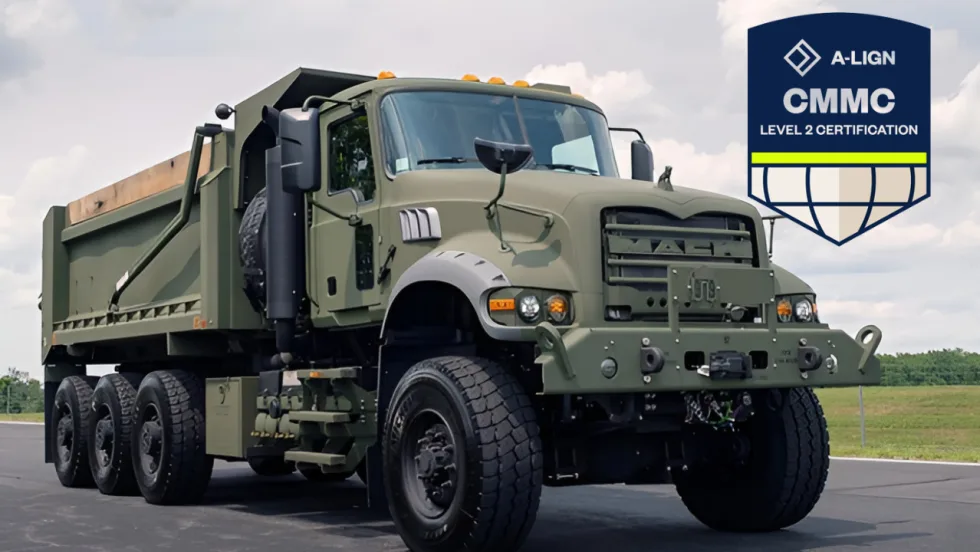
Mack Defense Achieves Cybersecurity Maturity Model Certification Level 2
After an assessment conducted by an authorized Certified Third-Party Assessment Organization (C3PAO), Mack Defense has achieved Cybersecurity Maturity Model Certification (CMMC) Level 2.
Read More →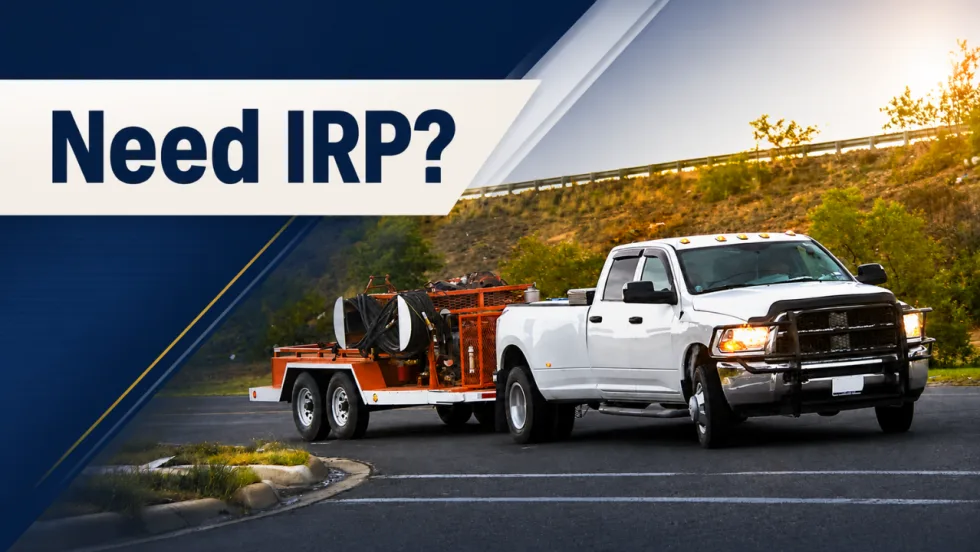
When Work Trucks Under 26,001 Pounds Need IRP Registration
Think trucks under 26,001 pounds are automatically in the clear when it comes to IRP? Not always. Learn where lighter vehicles can still run into trip permit, apportioned registration, and IFTA compliance requirements when crossing state or provincial lines.
Read More →From Our Partners



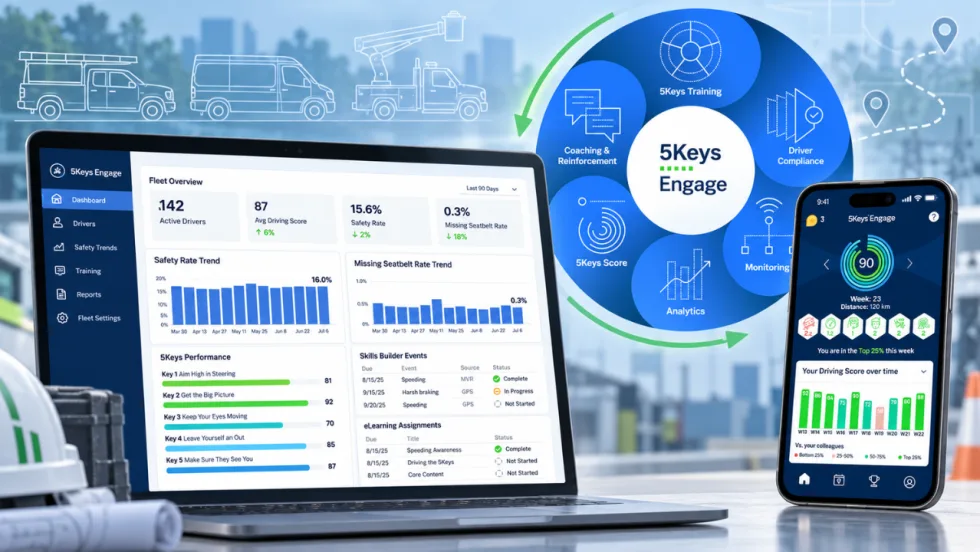
Smith System Wants Work Truck Fleets to Look Beyond the Driver Alert
Smith System’s new Driver Risk Management program is built to help mixed work truck fleets turn telematics alerts and observations into specific behaviors, coaching actions, and measurable follow-up.
Read More →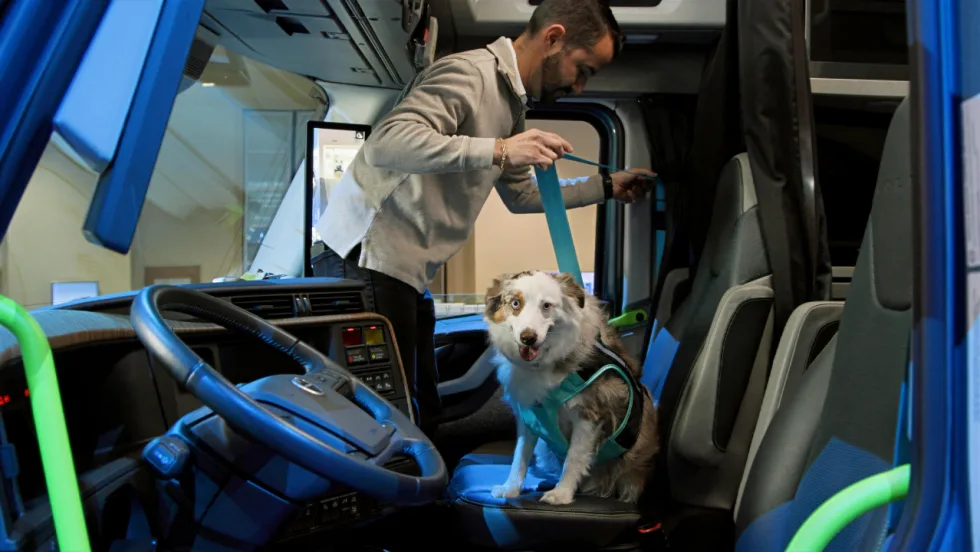
Volvo Trucks Releases New Safety Recommendations for Traveling with Pets
One of the most important recommendations for professional drivers traveling with pets is to ensure pets are properly restrained while the truck is moving. Other tips are available in the new guide from Volvo Trucks North America and Center for Pet Safety.
Read More →
Are Work Truck Drivers Warming Up to Dash Cams and GPS Tracking?
A new survey finds field-service drivers may be more comfortable with dash cams and GPS tracking than fleet managers think, especially when the technology helps protect them after a crash.
Read More →
Recalls You Need to Know About in August 2026
If you have Altec, Chrysler, Ford, Heil, General Motors, International, Mack Trucks, Paccar, Rivian, Royal Truck, Toyota, US Truck Body, or Volvo Trucks vehicles in your fleet, you should check these important recalls issued by the National Highway Safety Administration.
Read More →
API Issues Refueling Safety Guidelines
The American Petroleum Institute offers a list of safe vehicle refueling guidelines, including ways to avoid potential problems with static electricity discharges in fall, winter, and early spring.
Read More →
Winter Fleet Prep: Expert Tips to Keep Vehicles Running Smoothly
Cold weather can expose weak batteries, tires, fuel systems, and maintenance gaps fast. Use this winter fleet checklist to prepare trucks and drivers before temperatures drop.
Read More →
When a Work Truck Breaks Down, the Job Can Stop, Too
A work truck breakdown can stop more than the vehicle. Discover how payloads, jobsites, and specialty equipment change the roadside response.
Read More →