What is heat stress?
Heat stress refers to the condition in which the body's internal temperature rises to dangerous levels due to exposure to high temperatures, often combined with physical exertion and inadequate hydration
 MENU
MENU SEARCH
We are entering the hottest months of the year. Learn how to create a safe and supportive work environment for your work truck drivers.


No matter the occupation, everyone is susceptible to heat stress.
Photo: Work Truck
It's crucial to prioritize the safety and well-being of work truck drivers, especially when it comes to combating the challenges of heat stress.
Heat stress can significantly impact drivers' performance and cognitive abilities, posing risks not only to their own safety but also to the safety of others on the road.
Jeff Martin, Lytx global sales strategy vice president helped us explore the common factors contributing to heat stress and its effects on drivers — as well as practical strategies fleet managers can implement to create a safe and supportive work environment.
It’s important to understand that any one of us is susceptible to heat stress with or without common factors.
However, some common factors make it more prevalent such as age, fitness, obesity, dehydration levels, drugs, alcohol use, metabolism, and insufficient acclimation to warmer weather conditions.
These are compounded when there is a lack of proper rest and adequate nutrition 24 to 72 hours before field services work begins.
Work truck drivers aren’t just drivers, they also perform physical tasks outside the vehicles.
Performing this "industrial athlete" workload in temperatures exceeding 85 degrees can cause fatigue, disorientation, cramping, dizziness, headaches, and dehydration.
Any of these (or more) can impact judgment, balance, depth perception, awareness, and reactions to other potential hazards related to the task.
Of major concern is the fact that heat stress illness can also lead to, or be mistaken for, fatigued driving – not only endangering the driver but others as well.
The U.S. Department of Labor’s Bureau of Labor Statistics reported in September 2021 that environmental heat contributed to 38 work-related fatalities on average per year and an average of 2,700 cases with days away from work each year between 2011 and 2019.
OSHA has made it clear that employers are responsible for the prevention, recognition and response to heat stress illness.
They have encouraged employers to have a proactive education campaign, provide shaded rest breaks and various resources (water, ice, cooling areas, rest breaks, proper clothing, workload management, etc.) to ensure employees mitigate the potential for heat stress illnesses.
Also, according to OSHA, most outdoor fatalities (50%-70%) occur in the first few days of working in warm or hot environments because the body needs to build a tolerance to heat over time gradually.
So, it’s also important to build time for workers to acclimate to warmer weather gradually.
Leading companies provide policies and messaging that demonstrate concern and care for the employees and the company’s support for preventing heat stress illnesses.
This can be reinforced by various support and resources that managers provide to employees to ensure they have not only the education and focus, but the tools and methods to prevent heat stress illness.
Some examples of the types of resources that can be shared, include OSHA Quick Cards and CDC recommendations.
Additionally, companies and managers can institute “heat alert” programs on specific days that are forecasted to be over a certain temperature.
Leading employers can provide consistent and proactive awareness campaigns around heat stress prevention and the general well-being of their employees.
All employees and managers must know the three keys to heat stress illness:
Prevention.
Recognition.
Response.
Other key aspects to highlight in an effective campaign are the dangers of drug and alcohol use and ensuring appropriate clothing and equipment are used.
Most successful campaigns are those centered around multiple “employee touches” such as posters, letters, videos, and general workplace discussions about how to prevent, recognize, and respond if faced with a heat stress event.
Additionally, the awareness campaign must start early in the season so that mindset can adjust to the importance of being an industrial athlete instead of just a professional driver.
One of the keys to being prepared is getting acclimated to the warmer weather. Many products and resources are available for employers to provide to their workers, such as water jugs, ice machines, cooling towels, electrolyte packets, etc.
It is also imperative that management demonstrates care and concern for heat stress prevention by allowing shaded and or cooling breaks during the workday.
Other employee considerations should be limiting physical demand if possible while acclimating, and/or scheduling shifts during lower heat-peak hours.
One best practice is for dispatchers or managers to periodically “check in” with drivers to do a well-being check during various parts of the day or other work-related conversations.
Not only is it the right thing to do, but it reinforces that the company truly values the driver’s health and well-being and demonstrates that they appreciate their drivers’ work.

Geofencing is a familiar fleet tool today, but its early adoption marked a major shift in vehicle tracking, route monitoring, and the debate over employee privacy.
Read More →
In October 2026, what recalls might impact your fleet? Work Truck has the answers in this comprehensive overview of recent NHTSA recalls.
Read More →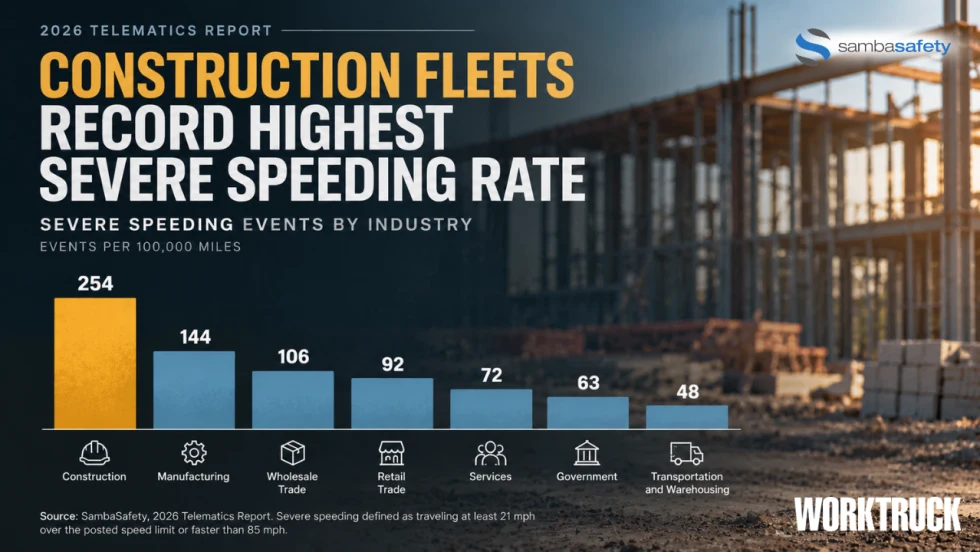
SambaSafety found construction fleets monitor roughly 92% of their vehicles but recorded the highest severe speeding rate among industries studied.
Read More →
Lytx’s new AI-ready gateway and HD auxiliary camera ecosystem, the Lytx 360 Hub Kit, extends visibility across side, rear, cargo, and blind-zone views to help fleets see more and respond faster.
Read More →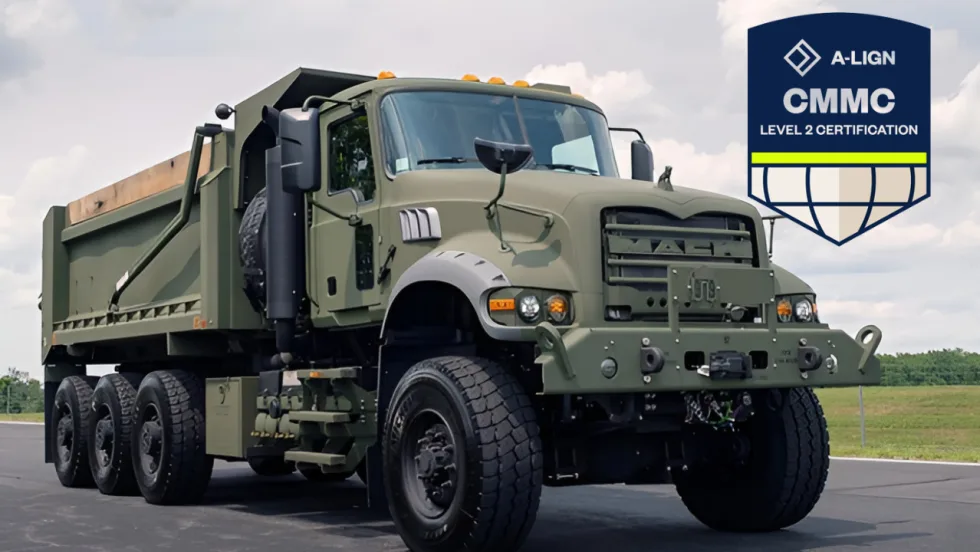
After an assessment conducted by an authorized Certified Third-Party Assessment Organization (C3PAO), Mack Defense has achieved Cybersecurity Maturity Model Certification (CMMC) Level 2.
Read More →
Think trucks under 26,001 pounds are automatically in the clear when it comes to IRP? Not always. Learn where lighter vehicles can still run into trip permit, apportioned registration, and IFTA compliance requirements when crossing state or provincial lines.
Read More →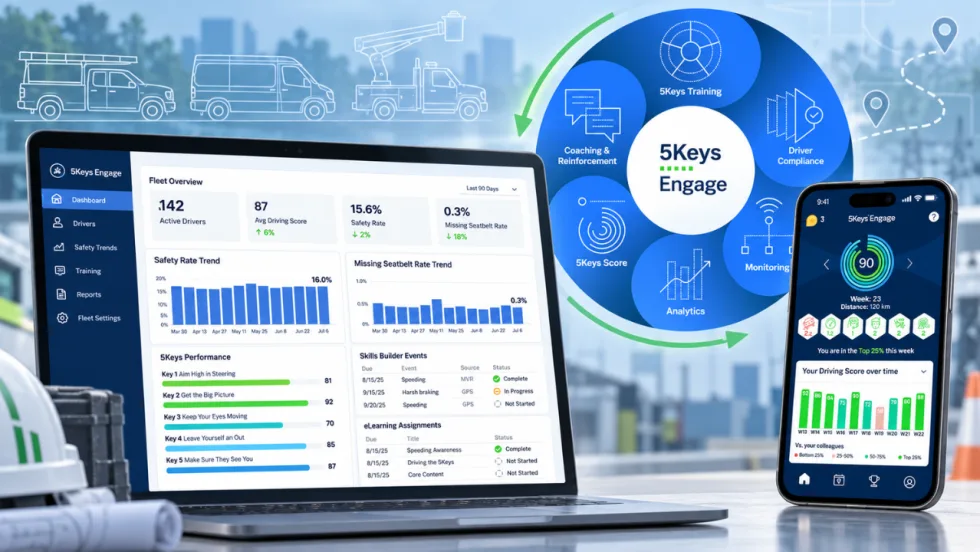
Smith System’s new Driver Risk Management program is built to help mixed work truck fleets turn telematics alerts and observations into specific behaviors, coaching actions, and measurable follow-up.
Read More →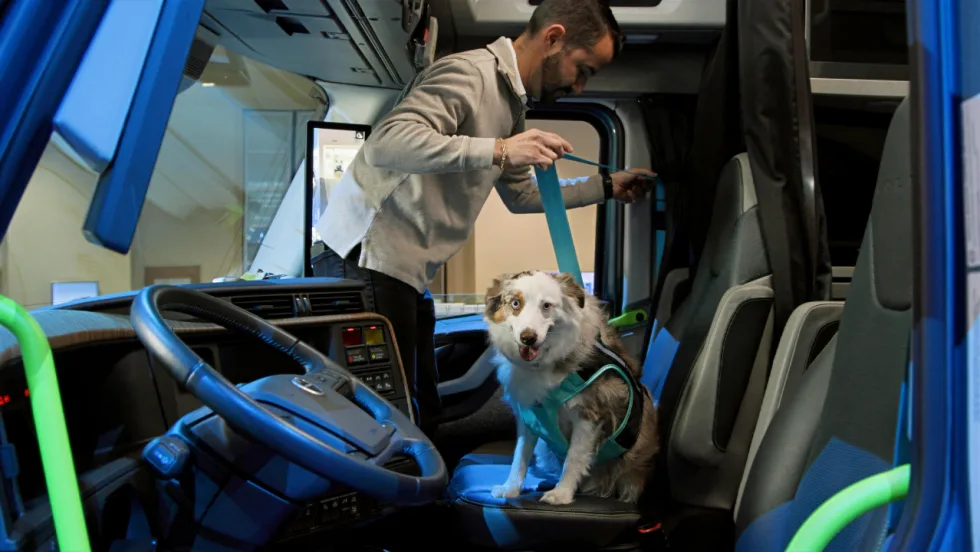
One of the most important recommendations for professional drivers traveling with pets is to ensure pets are properly restrained while the truck is moving. Other tips are available in the new guide from Volvo Trucks North America and Center for Pet Safety.
Read More →
A new survey finds field-service drivers may be more comfortable with dash cams and GPS tracking than fleet managers think, especially when the technology helps protect them after a crash.
Read More →
If you have Altec, Chrysler, Ford, Heil, General Motors, International, Mack Trucks, Paccar, Rivian, Royal Truck, Toyota, US Truck Body, or Volvo Trucks vehicles in your fleet, you should check these important recalls issued by the National Highway Safety Administration.
Read More →