




Transforming Tech: The Future of Fleet Maintenance
Everything You Need to Know About DVIR
Vehicle inspections are an important part of a truck driver’s daily routine and they are essential to keeping vehicles in good condition while ensuring road safety and fleet compliance.
by Carlton Bale, ZED Connect
October 31, 2018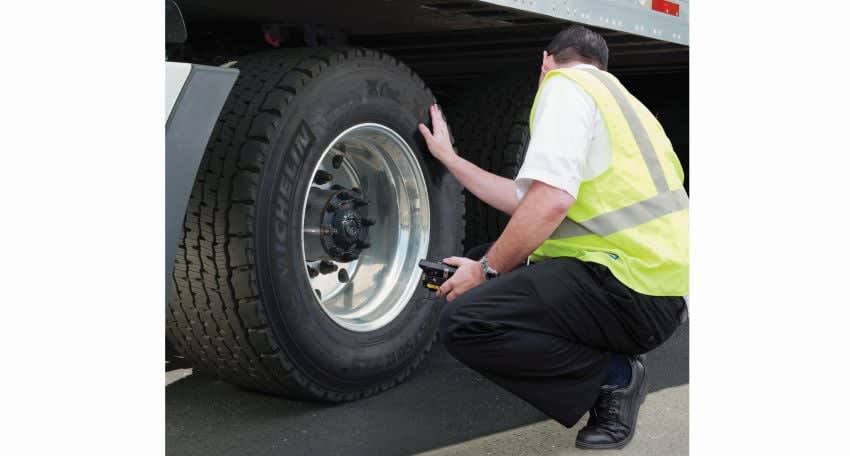
There are eight levels of inspections, including full (North American Standard Inspection), walk-around driver/vehicle, driver/credentials, special inspections as part of a study, vehicle-only, terminal, and radioactive materials, jurisdictional mandated, and electronic inspection.
Photo: Michelin
5 min to read
A Driver Vehicle Inspection Report, or DVIR, is a formal record confirming a driver completed an inspection on a commercial motor vehicle (CMV). Inspections are carried out at the beginning of the day, before work begins, and also at the end of the day when driving is finished (called the pre-trip inspection and post-trip inspection).
Vehicle inspections are an important part of a truck driver’s daily routine and are essential to keeping vehicles in good condition while ensuring road safety and fleet compliance.
Vehicle Inspections are a legal requirement in the U.S., and carriers must keep DVIRs on-site for three months from the report is submission date.
We’ve put together this handy guide to understanding everything you need to know about DVIRs so you can keep your drivers safe and your fleets in compliance.
First, some facts:
3.5 million roadside safety inspections are conducted annually.
15 trucks per minute are inspected in North America during the annual International Roadcheck.
Failure of an inspection can mean immediate removal from the roads until a repair is complete.
An out of-service truck can cost a carrier $861 on average, not including any fines or repairs.
FMCSA estimates that the roadside inspections and programs conducted in 2017 prevented 14,000 accidents and 9,000 injuries.
Here is the breakdown of everything involved with DVIRs including regulations, inspections, responsibilities, steps, the introduction of electronic data collection, and penalties.
Understanding the DVIR Regulations
In the United States, completing a DVIR is a requirement based on federal regulations. Vehicle inspection rules also exist in other countries and jurisdictions, such as the province of Ontario in Canada.
In 2014, the Federal Motor Carrier Safety Administration (FMCSA) rescinded the requirement for drivers to submit an inspection report if no defects or deficiencies are found.
DVIR regulations do not apply to the following operators: private motor carriers carrying passengers not as a business, driveaway-towaway, and motor carriers with only one commercial motor vehicle.
Importance of Inspections
The goal of the U.S. and other authorities is to reduce the number of crashes, injuries, and fatalities involving commercial vehicles. DVIRs help ensure a vehicle is in a safer and optimal condition before and after operation. This provides a safe environment for the driver and anyone around.
In the U.S., Motor Carrier Safety Assistance Program (MCSAP) Inspectors are responsible for roadside inspections on commercial motor vehicles and drivers. Following the North American Standard Inspection Program criteria, inspectors check the trucks to verify if they comply with federal safety and hazardous materials regulations.
There are eight levels of inspections, including full (North American Standard Inspection), walk-around driver/vehicle, driver/credentials, special inspections as part of a study, vehicle-only, terminal, and radioactive materials, jurisdictional mandated, and electronic inspection.
Almost 3.5 million inspections were conducted across the country in 2016. The rate of vehicles taken out-of-service (OOS) was 20.05%. Last year, the most frequent vehicle violation during roadside inspections was not having working lamps, according to FMCSA Large Truck and Bus Statistics.
Individual Responsibilities of Drivers
Before the vehicle returning to service, motor carriers must certify any repair, correct deficiencies, or replace defective and missing parts. If repairs are deemed unnecessary to prevent unsafe operations, a carrier must certify the repair wasn’t needed.
Before operation, a driver must inspect and sign-off on repairs. Carriers must keep DVIRs and certifications for repairs for at least three months at the principal place of business or where the vehicle resides or is maintained.
The DVIR Process
A DVIR includes several basic steps, including inspection, defects identification, report signing, and corrective action.
Step 1:Vehicle Inspection. During an inspection, a driver will perform a circle check of the vehicle, checking under the hood, walking around to look for defects or damage, and starting the vehicle to test the lights and brakes, among other things.
Step 2: Report Defects. The driver must report any defects or deficiencies that will impact the vehicle's safe operation or could lead to a breakdown.
Step 3: Sign Off. The driver signs the report and then submits it to the motor carrier.
Step 4: Corrective Action and Certification of Repairs Motor carriers must immediately repair and certify any defects listed on the DVIR that would affect the vehicle's safe operation.
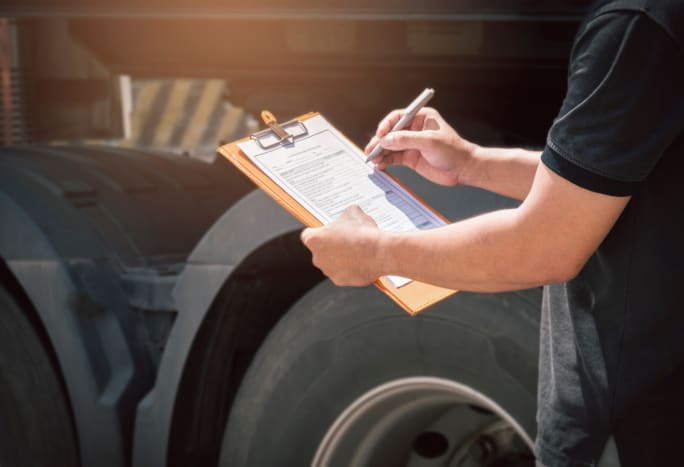
Drivers will perform a circle check of the vehicle during inspections.
Photo: Canva
Collecting Electronic Data
Electronic data collection is a way to improve the speed of uploading inspection reports. FMCSA supports the electronic collection of inspection data and has shared that more states are adopting this method as it makes reporting processes for drivers much more efficient.
Penalties for Noncompliance
Carriers found to be non-compliant with DVIR regulations are subject to fines from the Department of Transportation (DOT) officer at their discretion.
Aside from the fines laid on by an officer, there are other costs associated with noncompliance. If a vehicle is found unsafe, the vehicle will immediately be out of commission until it’s repaired.
This unplanned downtime can lead to lost revenue for the carrier. In addition, the carrier’s CSA score could take a hit, which would cause a loss of business.
Return to Service: Repairs & Documentation
A motor carrier must repair all defects identified in a DVIR before returning the vehicle to service. The repair must be documented in writing by the motor carrier or the shop conducting the repair.
If a repair or correction was unnecessary, that must also be documented. This repair documentation must be signed by either the person conducting the repair or by the vehicle's driver.
Subscribe to Our Newsletter
More Safety & Compliance
Fleetworthy Expands Expedited Inspection to 5 States
Following its industry-first launch in Nevada, Fleetworthy’s automated inspection technology is now live in California, Michigan, Vermont, and Maine.
Read More →
Crossing State Lines in a Light-Duty Work Truck? Check These Rules First
Crossing state lines in a lighter work truck? J.J. Keller's Kathy Close explains when IRP registration, trip permits, and towing rules come into play.
Read More →
GeoFencing Adds to Your Truck Security Arsenal
Geofencing is a familiar fleet tool today, but its early adoption marked a major shift in vehicle tracking, route monitoring, and the debate over employee privacy.
Read More →From Our Partners



Recalls You Need to Know About in October 2026
In October 2026, what recalls might impact your fleet? Work Truck has the answers in this comprehensive overview of recent NHTSA recalls.
Read More →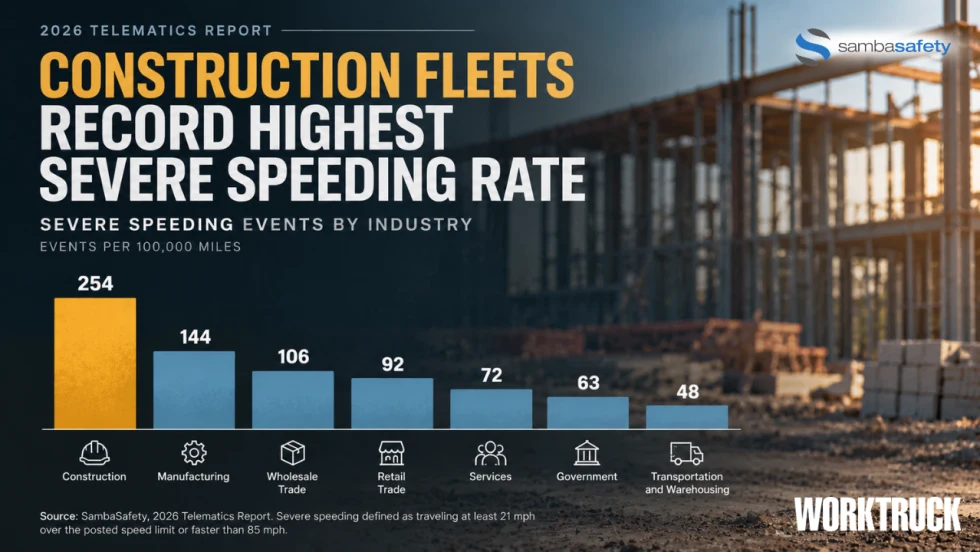
Construction Fleets Show Telematics Adoption Alone May Not Reduce Driving Risk
SambaSafety found construction fleets monitor roughly 92% of their vehicles but recorded the highest severe speeding rate among industries studied.
Read More →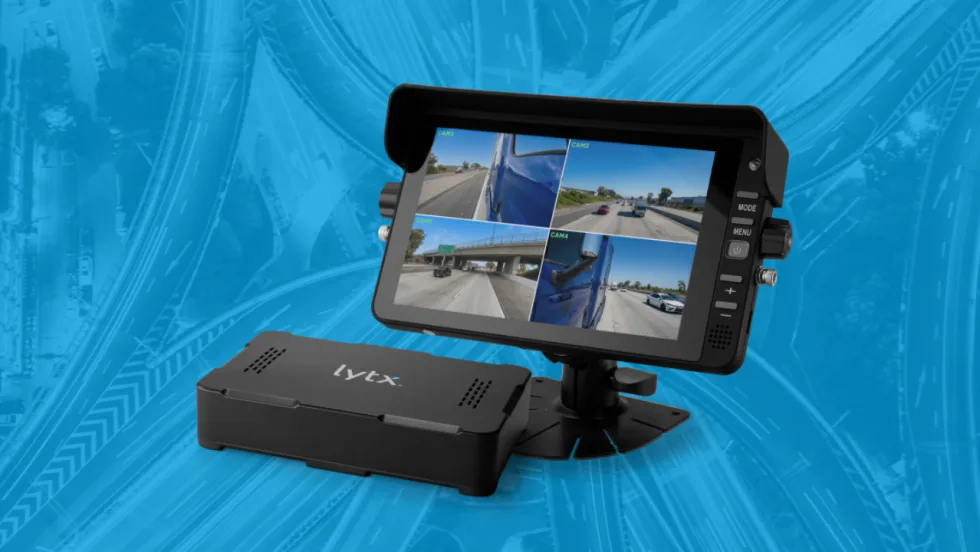
Lytx Launches 360 Hub Kit for Expanded Fleet Camera Visibility
Lytx’s new AI-ready gateway and HD auxiliary camera ecosystem, the Lytx 360 Hub Kit, extends visibility across side, rear, cargo, and blind-zone views to help fleets see more and respond faster.
Read More →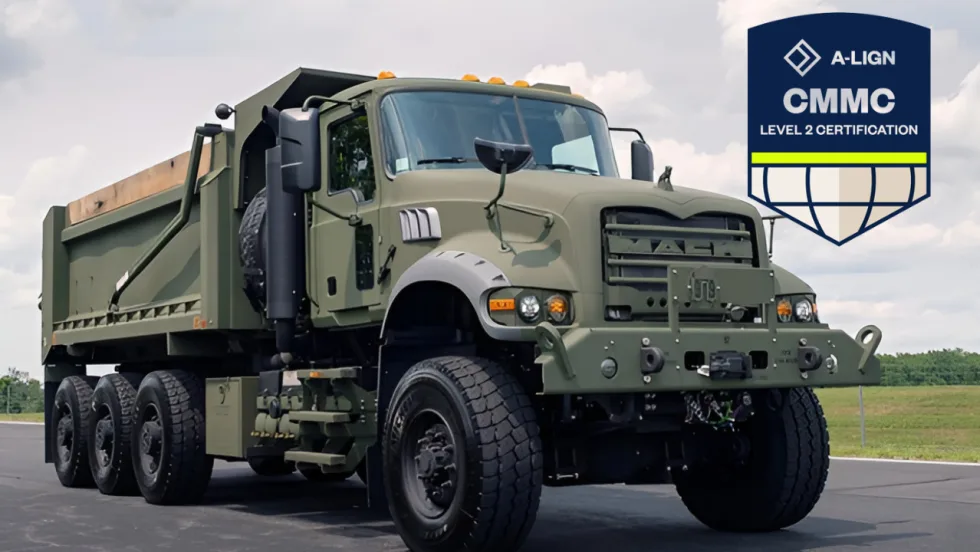
Mack Defense Achieves Cybersecurity Maturity Model Certification Level 2
After an assessment conducted by an authorized Certified Third-Party Assessment Organization (C3PAO), Mack Defense has achieved Cybersecurity Maturity Model Certification (CMMC) Level 2.
Read More →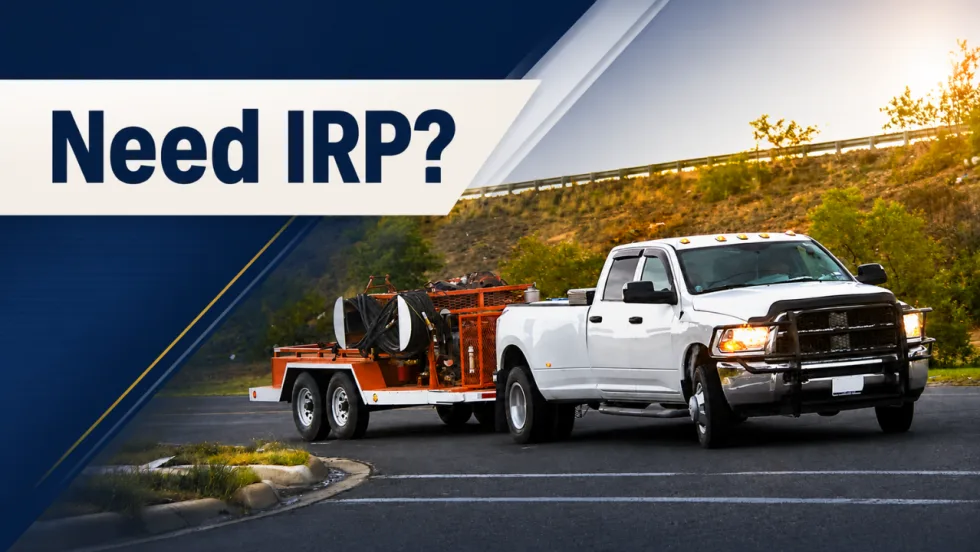
When Work Trucks Under 26,001 Pounds Need IRP Registration
Think trucks under 26,001 pounds are automatically in the clear when it comes to IRP? Not always. Learn where lighter vehicles can still run into trip permit, apportioned registration, and IFTA compliance requirements when crossing state or provincial lines.
Read More →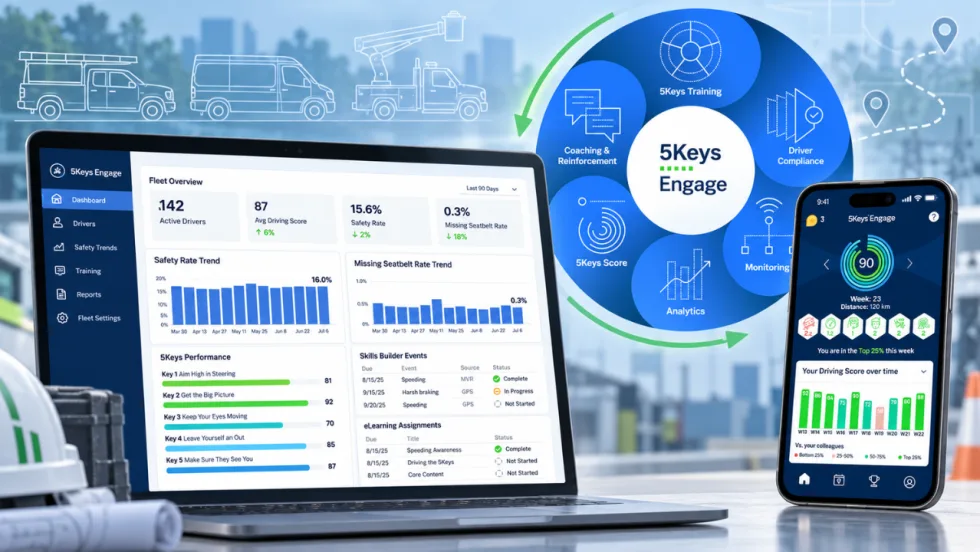
Smith System Wants Work Truck Fleets to Look Beyond the Driver Alert
Smith System’s new Driver Risk Management program is built to help mixed work truck fleets turn telematics alerts and observations into specific behaviors, coaching actions, and measurable follow-up.
Read More →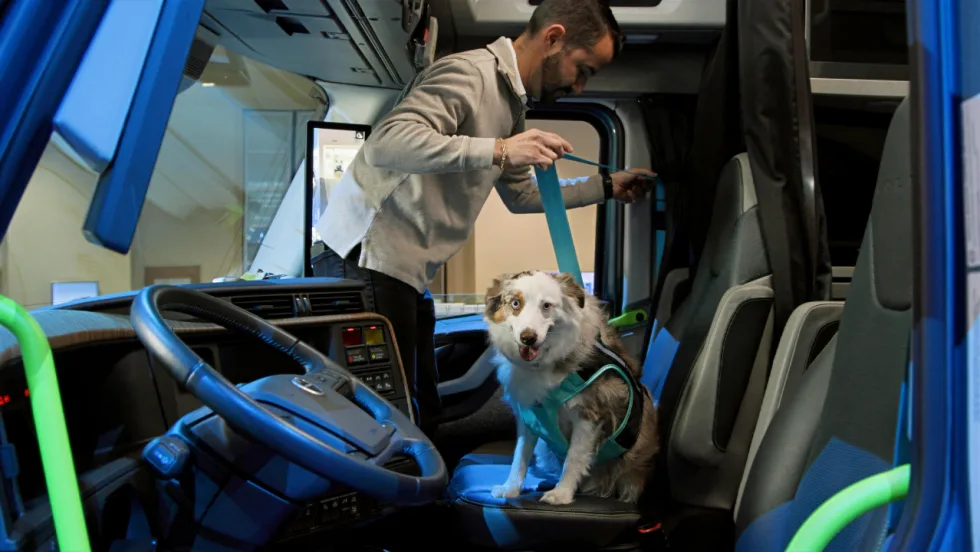
Volvo Trucks Releases New Safety Recommendations for Traveling with Pets
One of the most important recommendations for professional drivers traveling with pets is to ensure pets are properly restrained while the truck is moving. Other tips are available in the new guide from Volvo Trucks North America and Center for Pet Safety.
Read More →