




What Fleets Can Learn from Listening to Drivers
What happens when drivers help shape specs, safety, and fleet programs? Atwell’s Crystal Zile shares how feedback led to smarter fleet decisions.
April 21, 2026

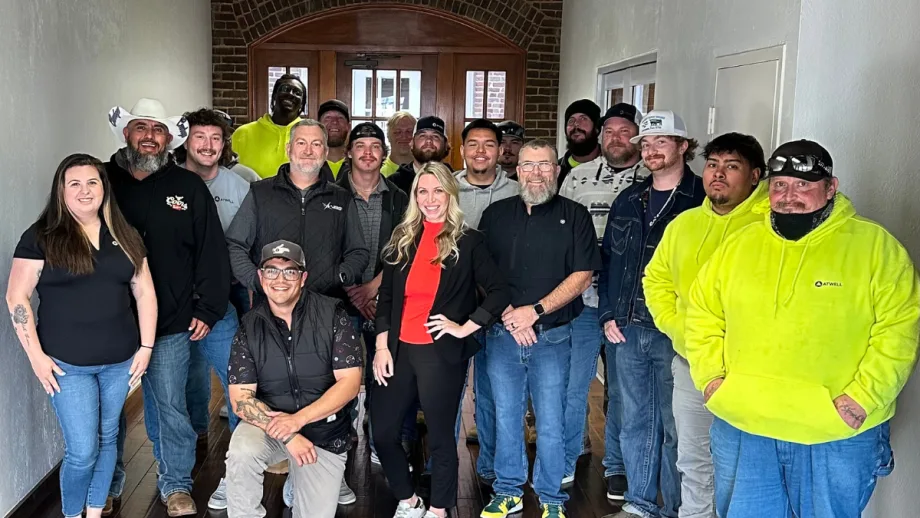
Trust isn’t built in one meeting. It’s built over time, through consistent communication and proving that every voice actually matters.
Credit: Crystal Zile
8 min to read
Fleet programs don’t usually fail because of bad intentions. More often, they fall short somewhere between the office and the field, where assumptions quietly replace reality, and small disconnects turn into bigger operational gaps over time.
That’s exactly the challenge Crystal Zile, CAFM, fleet manager at Atwell, set out to address.
“There really wasn’t one single moment; it was more of a pattern I couldn’t ignore,” Zile said. “We were rolling out strong programs like telematics, scorecards, safety initiatives, but I kept asking myself a simple question: are we actually hearing from the drivers, or are we just talking at them?”
That question became the foundation for Atwell’s “In the Driver’s Seat” campaign. What started as a simple effort to gather feedback quickly evolved into something much more impactful: a consistent, structured way to listen, respond, and ultimately make better fleet decisions grounded in real-world experience.
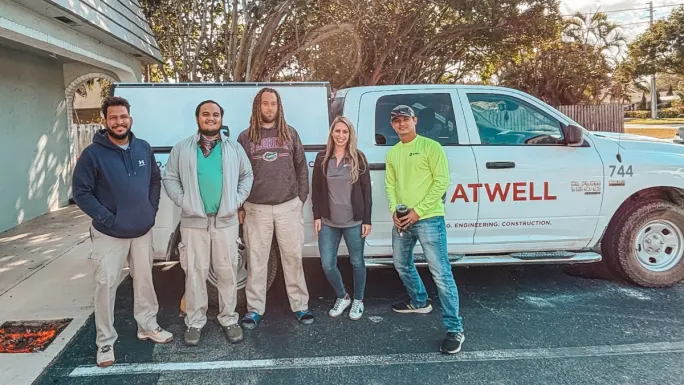
It’s not just about the truck. It’s about how that truck actually works in the field, and the only way to know that is to ask the people using it every day.
Credit: Crystal Zile
Why Driver Feedback Is Critical For Fleet Program Success
Fleet leaders are used to building programs that make sense on paper. Standardization, efficiency, and scalability tend to drive those decisions. But as Zile and her team began to step back and evaluate their approach, it became clear that what works in theory doesn’t always translate cleanly into the field.
“In fleet, it’s easy to build policies from behind a desk and assume they’re working in the field,” she said.
The reality is that drivers experience every friction point firsthand. They know where processes break down, where tools fall short, and where small inefficiencies add up over the course of a day.
“If we want real adoption and real improvement, their perspective has to be part of the conversation,” Zile added.
That shift in thinking reframes feedback as something much more than a survey response. It becomes a direct line into how the fleet is actually operating and where meaningful improvements can be made.
How To Build Driver Buy-In And Trust From the Start
Of course, gathering that kind of feedback only works if drivers are willing to participate. And as many fleet managers know, that’s not always a given.
Zile recognized early on that how the program was introduced would determine whether it gained traction or stalled out.
“I knew from the start that if this felt like ‘just another corporate initiative,’ it was going to fall flat,” she said.
So instead of overengineering the rollout, the focus stayed on clarity and intent. Drivers needed to understand what this was, why it mattered, and most importantly, that it was a safe space to be honest.
“We kept it simple and transparent. I communicated directly with drivers and made it clear this was their space to be honest. No trick questions, no hidden agenda,” she noted.
Fleet leads helped reinforce that message in the field, while the survey itself was intentionally designed to be quick and easy to complete. No long forms, no unnecessary complexity, just a straightforward opportunity to share input.
Still, what ultimately drove buy-in wasn’t the messaging alone. It was the follow-through.
“What made the biggest difference was follow-through,” Zile said. “We didn’t just collect feedback and move on.”
That consistency is what starts to build trust, and trust is what keeps drivers engaged over time.
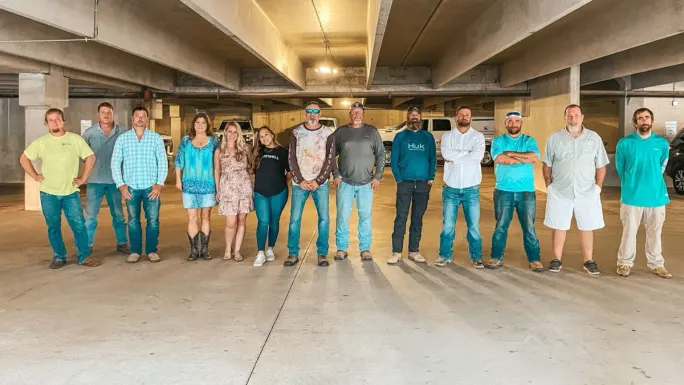
When feedback turns into action, engagement follows. What starts as a survey becomes something bigger, a culture shift built on follow-through.
Credit: Crystal Zile
Turning Feedback Into A Repeatable And Actionable Process
Once participation began to grow, the next step was to ensure the process itself was sustainable. Atwell landed on a cadence that feels manageable for both the fleet team and the drivers.
The campaign runs twice a year, offering a regular pulse check without overwhelming the field. “Each cycle is a short, focused survey that drivers can complete quickly, usually just a few minutes,” Zile said.
The structure is intentionally balanced. Scaled questions provide measurable data points, while open-ended responses give drivers space to explain what’s really happening behind those numbers.
“The numbers help us spot trends across the fleet, while the written feedback gives context you just can’t get from a score alone,” she noted. And that context is where real value lives.
What Driver Feedback Reveals About Upfitting And Daily Operations
As the responses started coming in, clear patterns began to emerge. Not surprisingly, much of the most actionable feedback centered on the trucks themselves and how they function in the field.
“The most meaningful feedback has come from the questions where drivers can talk about their day-to-day experience, especially when it comes to how their trucks are set up,” Zile said.
Upfitting stood out as a consistent theme. Drivers shared detailed input on storage layout, tool accessibility, visibility, lighting, and equipment security.
“Things like storage layout, accessibility of tools, visibility, lighting, and even how equipment is secured during transport come up consistently,” she added.
What became clear is that these aren’t just preferences or minor inconveniences. They directly impact how efficiently work gets done and how safely drivers can operate throughout the day.
One question helped unlock even more insight.
“We’ve also seen strong responses when we ask what they would change if they could spec their own vehicle,” Zile noted.
That simple shift encourages drivers to think proactively, giving fleet teams a clearer picture of what an optimized setup looks like in practice.
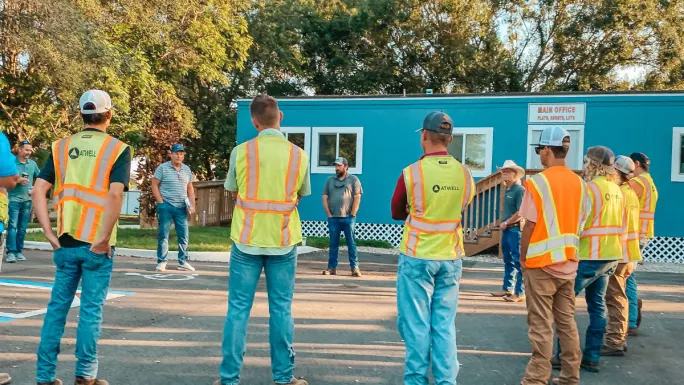
The conversations that shape a fleet don’t happen behind a desk. They happen here, where drivers compare notes, share frustrations, and surface the small details that ultimately drive better decisions.
Credit: Crystal Zile
When Feedback Exposes Gaps In Communication
Not all feedback pointed to equipment or processes. Some of the most valuable insights came from areas the team thought were already working well.
“One of the biggest surprises came from our incentive program,” Zile said.
From a fleet perspective, the program was well-built and clearly defined. But the feedback told a different story.
“A lot of drivers didn’t fully understand what the incentive was for or how it worked,” she noted.
That disconnect highlighted an important reality. Even strong programs can fall short if the message doesn’t land.
“You can build a great program, but if people don’t clearly understand it, you’re not going to get the full impact,” Zile added.
From there, the team expanded how they communicated the program, making recognition more visible and reinforcing the message across multiple touchpoints.
How Driver Input Leads to Smarter Fleet Decisions
As the program matured, the impact became more visible in day-to-day fleet decisions, especially around vehicle specs and upfitting strategies.
“Before the campaign, a lot of our decisions were based on standardization and what we thought would work best,” Zile said.
With direct input from drivers, those decisions became more intentional and better aligned with real-world needs.
“We started making more intentional changes to how we spec and upfit vehicles,” she noted.
In some cases, that meant adjusting layouts or equipment choices. In others, it meant stepping away from a one-size-fits-all approach and tailoring setups to better match specific job functions.
“When drivers feel like their truck is set up for them instead of just assigned to them, it improves efficiency, reduces frustration, and ultimately supports safer operations,” Zile added.
These kinds of changes may seem incremental, but over time, they create meaningful improvements in both productivity and driver experience.
Why Closing the Feedback Loop Matters
One of the reasons the program continues to gain traction is how Atwell handles communication after the survey closes.
“After each campaign, we share a summary of what we heard at a high level, not just the positives, but also the areas where drivers told us we need to improve,” Zile said.
That level of transparency reinforces credibility and shows drivers their input is being taken seriously.
From there, the team outlines the actions being taken, whether they are immediate fixes or longer-term initiatives requiring additional planning.
“It’s not a one-time survey and done, it’s an ongoing dialogue,” Zile noted. It’s that ongoing dialogue that keeps drivers engaged and invested.
How Engagement Improves Over Time
Like many feedback initiatives, participation didn’t happen overnight. Early on, there was some hesitation, as expected. To help encourage participation, the team introduced a simple incentive and focused on making the process feel approachable and worthwhile.
“As drivers started to see their feedback led to real changes, participation improved naturally,” she added.
That progression highlights an important point. Engagement isn’t something you can force. It’s something you build by consistently showing that input leads to action.
The Broader Impact on Fleet Performance And Culture
Over time, the program's impact has extended beyond individual changes or improvements. It has shifted how drivers and fleet teams interact overall. “Drivers feel like they have a voice now, and that’s changed the tone of how we operate,” Zile said.
That shift has made it easier to roll out and gain adoption for programs like telematics, safety initiatives, and scorecards.
“It becomes less about compliance and more about collaboration,” she noted.
When that kind of collaboration takes hold, it naturally reduces friction in the field, leading to improvements in both efficiency and safety.
How Fleets Can Get Started With Driver Feedback Programs
For fleets looking to implement something similar, Zile’s advice comes down to being intentional from the beginning.
“Start with intent, not just a survey,” she said. It’s easy to build a questionnaire and send it out. The harder part is committing to what comes next.
“If you’re not prepared to truly listen and act on what comes back, it’s going to do more harm than good,” she added.
Even when not every suggestion can be implemented, acknowledging feedback and communicating next steps builds credibility and keeps the conversation moving forward.
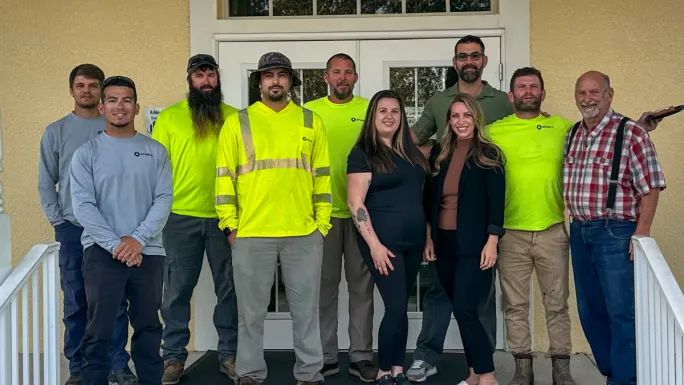
Behind every data point is a team. Programs start to click when the people doing the work feel seen, heard, and part of the process.
Credit: Crystal Zile
Balancing Driver Input With Operational Realities
One of the more nuanced lessons from the program is learning how to evaluate feedback thoughtfully.
“It’s about understanding the difference between wants and needs and doing that in a way that still respects the driver’s perspective,” Zile said.
Not every request is a must-have, but each one provides insight into how vehicles are being used and where improvements may have the most impact.
“Because we’re hearing directly from drivers, we can identify the changes that genuinely make their jobs easier and safer, while also being thoughtful about where we don’t need to go overboard,” she noted.
That balance is where strong fleet management comes into play, supporting the field while maintaining cost control and operational consistency.
At its core, “In the Driver’s Seat” represents a shift in how fleets and drivers work together. Or, as Zile said: “If we expect drivers to buy into safety and performance, we have to show them their input matters just as much.”
And once that shift takes hold, everything from adoption to performance starts to move in the right direction.
Subscribe to Our Newsletter
More Safety
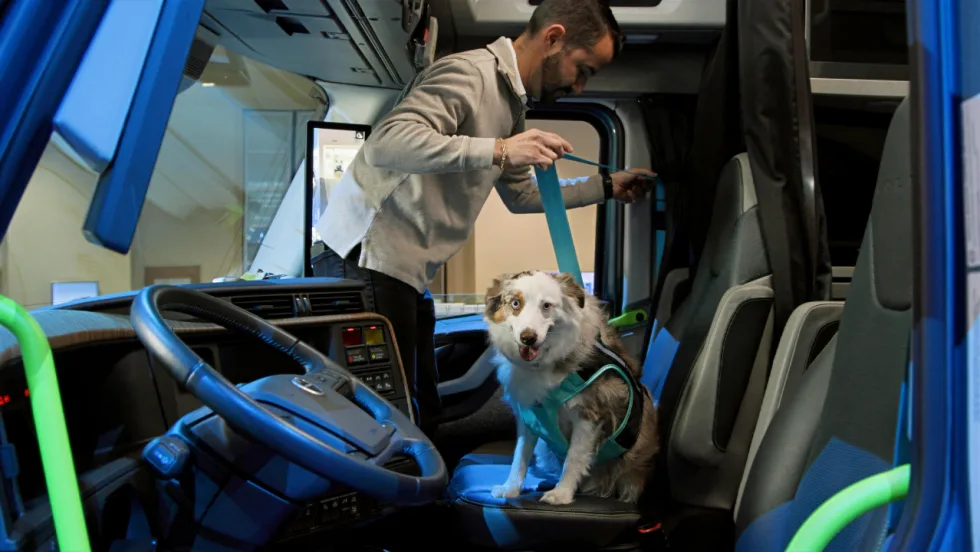
Volvo Trucks Releases New Safety Recommendations for Traveling with Pets
One of the most important recommendations for professional drivers traveling with pets is to ensure pets are properly restrained while the truck is moving. Other tips are available in the new guide from Volvo Trucks North America and Center for Pet Safety.
Read More →
API Issues Refueling Safety Guidelines
The American Petroleum Institute offers a list of safe vehicle refueling guidelines, including ways to avoid potential problems with static electricity discharges in fall, winter, and early spring.
Read More →
Winter Fleet Prep: Expert Tips to Keep Vehicles Running Smoothly
Cold weather can expose weak batteries, tires, fuel systems, and maintenance gaps fast. Use this winter fleet checklist to prepare trucks and drivers before temperatures drop.
Read More →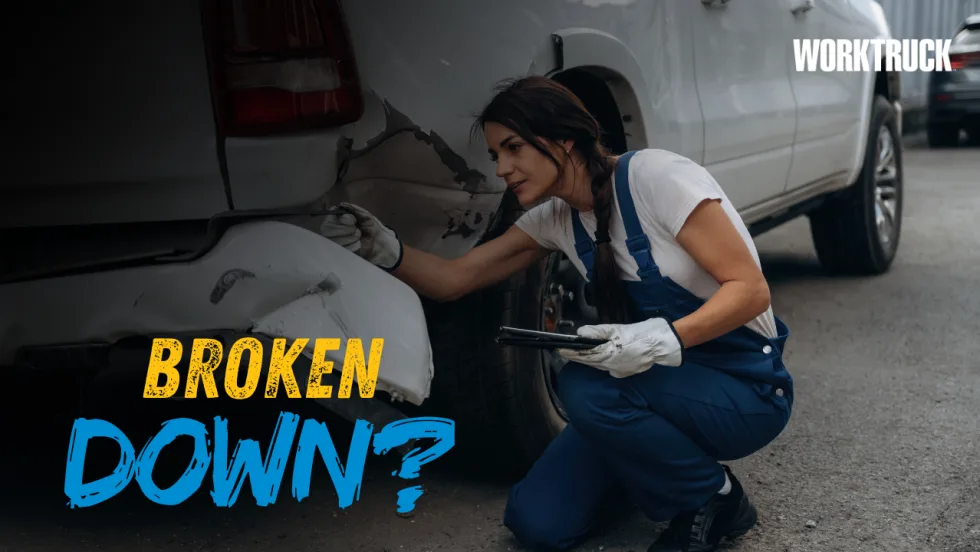
When a Work Truck Breaks Down, the Job Can Stop, Too
A work truck breakdown can stop more than the vehicle. Discover how payloads, jobsites, and specialty equipment change the roadside response.
Read More →
What Stronger Long-Term Fleet Service Partnerships Actually Require
Fleet service partnerships rarely fall apart all at once. Learn the three warning signs that trust is eroding and what fleets and providers can do before downtime, frustration, and lost revenue follow.
Read More →
Applause & TRUCE Software Partner to Improve Driver Safety Through AI-Powered Telematics & Employee Performance Management
Applause has integrated TRUCE driving metrics directly into its employee-first performance and safety platform that transforms mobile devices into AI-powered telematics.
Read More →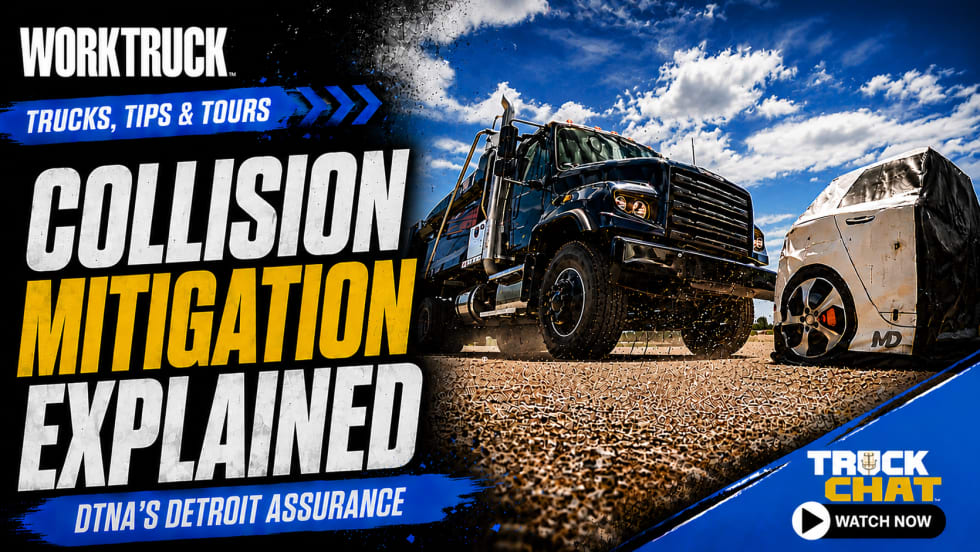
How Detroit Assurance with Active Brake Assist Works
Do you want to see what it is like to experience Detroit Assurance’s Active Brake Assist? In this video, Work Truck will put you in the cab to see how it all works and then hear more details from DTNA’s Mike Young.
Read More →
Get Left of Loss: A 5-Step Workplace Violence Prevention Framework for Fleet Operators
Violence risks do not stop at the driver’s door. Learn five practical steps fleets can take to spot threats early and protect workers before loss occurs.
Read More →
Sponsored•July 17, 2026
How Better Visibility Cut Speeding Violations by 48%
Fleet leaders don't need more data, they need clearer visibility into what the data is saying. This case study explores how one utility replaced speeding-event counts with a single metric — miles driven in violation — to strengthen safety and significantly reduce speeding violations.
Read More →
13 Safe Driving Tips for Commercial Vehicle Drivers
Make sure you are spending time on the road safely with these important tips.
Read More →