




Tips: Preventing Slips, Trips and Falls to Improve Driver Safety
More than Annoying: How Driver Complaints Reveal Loss Indicators
Drivers’ complaints are early warnings. Fix the friction points behind them to improve safety, reduce claims, and keep good drivers happy.
by Leslie Stoll, Acuity Insurance
February 3, 2026
When driver complaints are ignored, frustration builds and the risk of incidents, injuries, and losses rises fast.
Credit: Work Truck
5 min to read
If drivers sound frustrated, that could be a leading indicator of your next loss. Most accidents aren’t a result of reckless drivers; they come from friction points that force good drivers to make bad decisions, and drivers are probably already complaining about them. Turning those ‘annoyances’ into action plans can improve safety, reduce claims, and boost driver satisfaction.
I have worked with businesses for 27 years to reduce their risk and prevent injuries, incidents, and claims. Below are some common complaints I hear, along with the advice I give, so you can learn from others' experiences instead of having to experience a claim or injury yourself.
Complaints that Signal Risk Before the Claim
These are the everyday frustrations drivers talk about first, long before they ever show up as an incident report, insurance claim, or injury log:
Complaint #1: “There’s nowhere to park.”
Poor parking options put drivers in tough situations, especially in urban areas. They might need to leave vehicles far from the jobsite, increasing the risk of vandalism or theft. Sometimes, the only option is a congested side street or an unsafe shoulder, which can lead to collisions.
The farther employees walk with their tools and work bags, the greater the risk of slips, trips, and material-handling injuries.
What I recommend for parking:
Review the parking situation for each job before work begins. Doing this reduces the burden on your employees of deciding where to park. Your employees might not feel empowered to spend money on parking if they have to make the decision themselves.
When you weigh the cost of paid parking in a secured lot against the productivity lost from searching for street parking or dealing with equipment theft, $50 a day in a parking lot may be a deal. Encourage drivers to report parking challenges so solutions can be found and shared. A culture of feedback prevents repeated mistakes and helps create safer conditions.
Complaint #2: “The roads are too narrow.”
This can be a frustrating and expensive problem. I can share an example: A fleet customer, making a non-routine delivery, put an address into their GPS and followed the instructions. When they got there, they realized the address was actually on the opposite side of a major highway.
By exiting south from the highway, instead of north, they ended up in a residential area, where the only way out was to make a very narrow turn down an alley. They hit a fire hydrant and had a very large claim.
What I recommend for routing:
Don’t rely entirely on a GPS system. When you’re driving in an unfamiliar area, double-check that your GPS is showing accurate directions. Use satellite view on Google to “drive” the route ahead of time, and check Street View to verify that the address shown matches your intended destination.
If you have any concerns about your vehicle's ability to safely drive in the area, take a few minutes to “virtually” drive down the block and look at the nearby intersections. If anything about the address looks off, or if you notice anything that could cause problems for drivers, look a little deeper into those GPS directions and consider alternative routes.
Road rage and stress on congested streets can turn everyday frustration into costly collisions if fleets don’t address the root causes.
Credit: Work Truck
Complaint #3: “People are so angry on the road.”
Drivers often don’t receive the respect they deserve. More time on the road leads to greater exposure to drivers and more incidents of anger and blame. Stress can result not only from the fear of encountering violence but also from the anxiety of being disciplined by a supervisor.
What I recommend for road rage:
A great way to reduce the risk of violence is to train your drivers in de-escalation techniques, such as maintaining a calm demeanor that can help diffuse situations. There are numerous online resources on road rage that you can use to support such training. To further reduce your driver’s stress, make sure they know that management is aware that the public often places false blame on truck drivers and that any complaints will be fully investigated before a driver faces any consequences.
To further ease your drivers' minds, consider implementing telematics to provide proof so things don’t devolve into a he-said/she-said situation. In the event of an incident that requires police to be called, these systems can be very useful, allowing drivers to download footage directly to their smartphones at the scene.
Drivers can then present evidence to police officers, which may even allow them to avoid a ticket proactively rather than defend themselves in court. What’s on a driver’s driving record can be the difference between being employable and being seen as an unacceptable risk, giving your drivers the technology to refute false claims is incredibly valuable.
Complaint #4: “The roads are too congested.”
Congestion is one of the most common complaints. It increases the likelihood of vehicle collisions, sideswipes, and pedestrian incidents. Congestion creates stress, which can lead to poor decisions, such as abrupt lane changes or speeding to make up for lost time. We often hear this complaint around roads during school dismissal times or near crowded shopping areas.
What I recommend for congestion:
As with other complaints on this list, congestion can often be avoided through research. Consider adjusting schedules or routes to avoid high traffic times or, in some cases, certain roads entirely. Encourage drivers to maintain flexibility and get comfortable slowing down.
Don’t box your drivers into narrow delivery time slots. If your customer requires this, make sure your driver knows that you will have their back if they are late due to traffic or other unpredictable events. Nothing is so important that you can’t be delayed 10 minutes because of traffic.
Reinforce that safety matters more than speed. Telematics can help here, too. They can monitor stop-and-go patterns and identify chronic bottlenecks, enabling you to reroute with the data needed to make informed decisions.
Driver feedback is more than venting. It’s often the first sign of risk before an incident or claim ever happens.
Credit: Work Truck
Turn Complaints into a Leading Indicator
You can’t control every road condition, but you can control how quickly you spot friction and respond to it. When you treat complaints as early warnings, you prevent the “small problem” from becoming the claim everyone has to explain later.
Create a monthly Driver Friction Review that pulls together:
- driver feedback
- dispatcher insights
- anonymized complaint logs
- route data
- incident trends
Use what you learn to plan long-term improvements and make quick fixes, such as updating parking guidance, revisiting customer dock procedures, or adjusting routes. Then close the loop by reporting results back to drivers, so they can see that speaking up leads to real change.
Track the patterns, share the fixes, and you’ll reduce losses while strengthening a safety culture that drivers trust.
Subscribe to Our Newsletter
More Safety & Compliance
Fleetworthy Expands Expedited Inspection to 5 States
Following its industry-first launch in Nevada, Fleetworthy’s automated inspection technology is now live in California, Michigan, Vermont, and Maine.
Read More →
Crossing State Lines in a Light-Duty Work Truck? Check These Rules First
Crossing state lines in a lighter work truck? J.J. Keller's Kathy Close explains when IRP registration, trip permits, and towing rules come into play.
Read More →
GeoFencing Adds to Your Truck Security Arsenal
Geofencing is a familiar fleet tool today, but its early adoption marked a major shift in vehicle tracking, route monitoring, and the debate over employee privacy.
Read More →From Our Partners


Recalls You Need to Know About in October 2026
In October 2026, what recalls might impact your fleet? Work Truck has the answers in this comprehensive overview of recent NHTSA recalls.
Read More →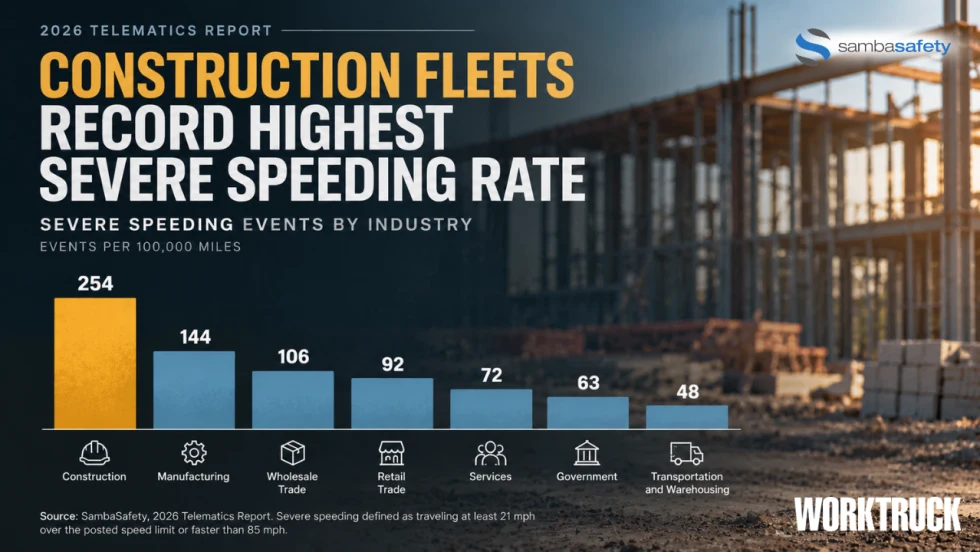
Construction Fleets Show Telematics Adoption Alone May Not Reduce Driving Risk
SambaSafety found construction fleets monitor roughly 92% of their vehicles but recorded the highest severe speeding rate among industries studied.
Read More →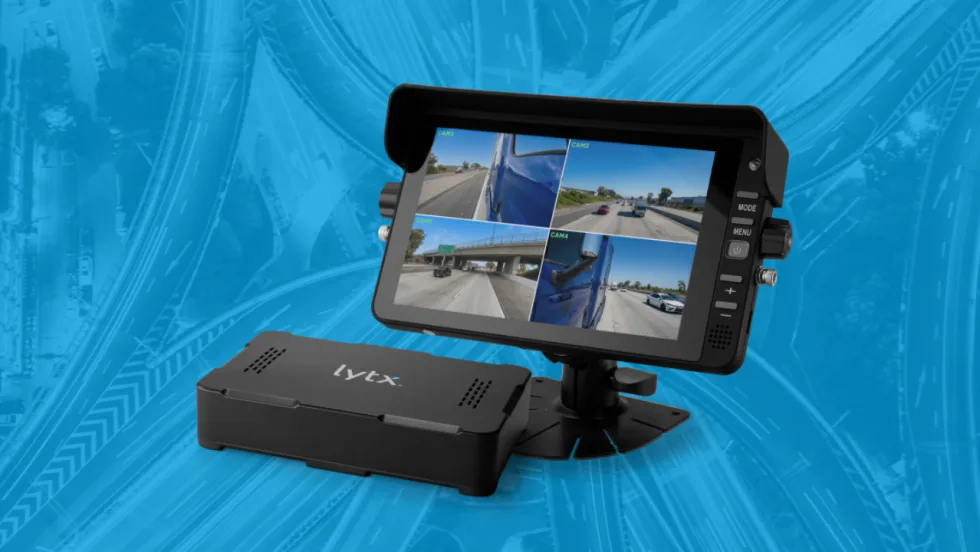
Lytx Launches 360 Hub Kit for Expanded Fleet Camera Visibility
Lytx’s new AI-ready gateway and HD auxiliary camera ecosystem, the Lytx 360 Hub Kit, extends visibility across side, rear, cargo, and blind-zone views to help fleets see more and respond faster.
Read More →
Mack Defense Achieves Cybersecurity Maturity Model Certification Level 2
After an assessment conducted by an authorized Certified Third-Party Assessment Organization (C3PAO), Mack Defense has achieved Cybersecurity Maturity Model Certification (CMMC) Level 2.
Read More →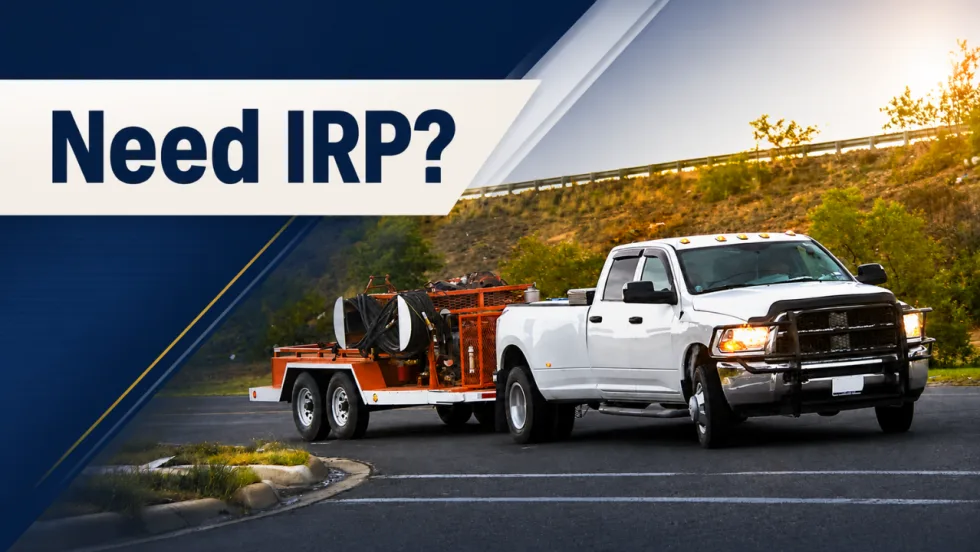
When Work Trucks Under 26,001 Pounds Need IRP Registration
Think trucks under 26,001 pounds are automatically in the clear when it comes to IRP? Not always. Learn where lighter vehicles can still run into trip permit, apportioned registration, and IFTA compliance requirements when crossing state or provincial lines.
Read More →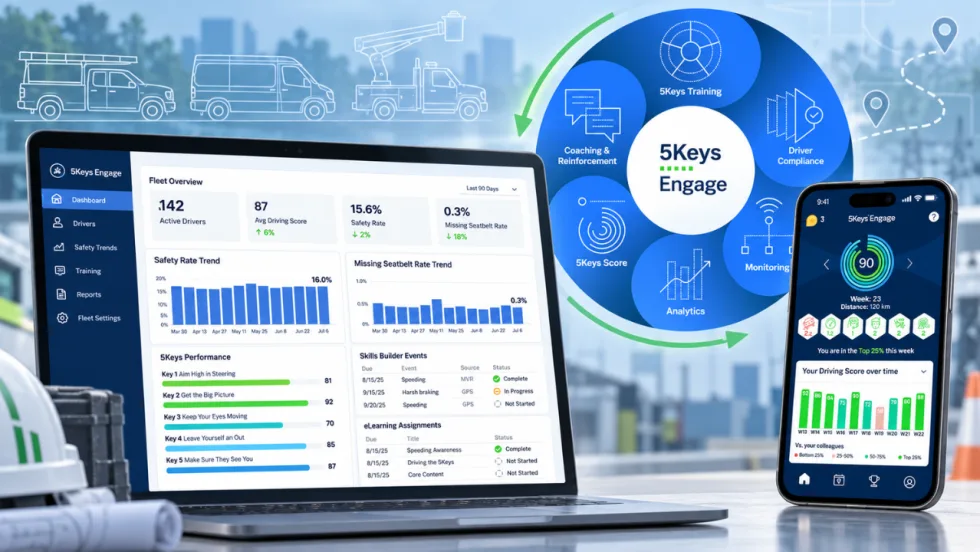
Smith System Wants Work Truck Fleets to Look Beyond the Driver Alert
Smith System’s new Driver Risk Management program is built to help mixed work truck fleets turn telematics alerts and observations into specific behaviors, coaching actions, and measurable follow-up.
Read More →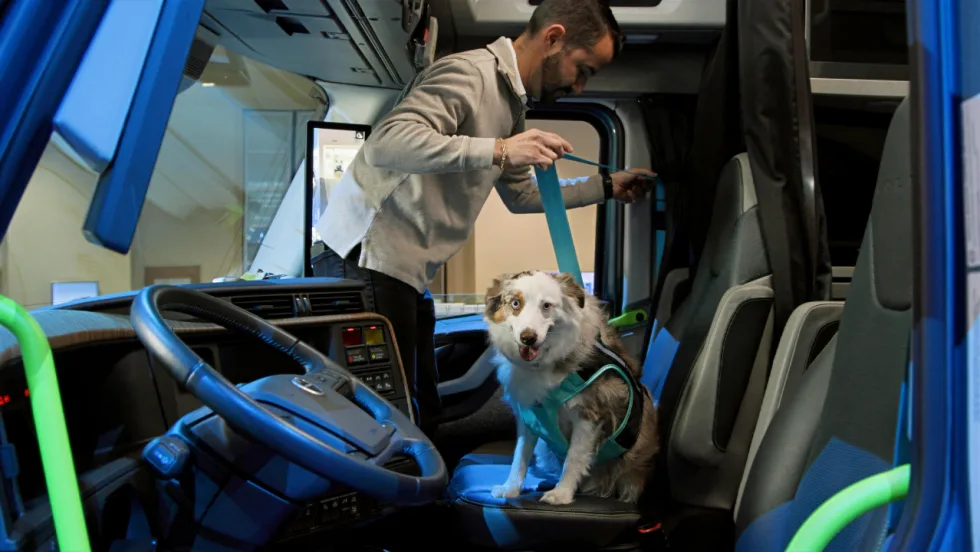
Volvo Trucks Releases New Safety Recommendations for Traveling with Pets
One of the most important recommendations for professional drivers traveling with pets is to ensure pets are properly restrained while the truck is moving. Other tips are available in the new guide from Volvo Trucks North America and Center for Pet Safety.
Read More →