




Reducing Workers’ Compensation Claims in Light- and Medium-Duty Fleets
Prevent costly injuries in light- and medium-duty trucking with specialized safety training. Learn key risks and prevention strategies to protect your drivers.

Safe driving goes beyond the road. Protect your light- and medium-duty drivers with proactive safety training and smart risk management.
Photo: Work Truck
Frequent stops and extended periods spent loading and unloading can put light- and medium-duty drivers at risk for injury. Although drivers in light- or medium-duty trucking operations may not always require a Commercial Driver’s License (CDL), they should still be considered professional operators.
As such, they should receive specialized driver safety training to handle the unique demands and risks associated with their jobs.
Preparing drivers for a wide variety of physical tasks, including lifting, bending, carrying heavy items, and navigating busy environments, can help reduce the risk of injury. Although these positions may not always be perceived as high-risk, the cumulative effect of these exposures can lead to costly workers’ compensation claims if not properly managed.
Understanding and addressing risks to help minimize injury and protect your drivers is important. The following are some of the most common workers’ compensation claims faced by light- and medium-duty trucking fleets, along with proactive strategies to help prevent them and promote a safer working environment.
Preventing Slip-and-Fall Injuries
Slippery surfaces in loading docks, warehouses, and parking areas are common risk factors, particularly when drivers and workers frequently enter and exit trucks in various environments.
Snow, ice, and rain increase the risk of slips when drivers are on the ground, moving in and out of the truck, or interacting with customers. Frequent entry and exit from the vehicle also increase the risk of falls.
Injuries from slips and falls often result in bruises, fractures, and sprains. These injuries can lead to expensive medical treatments, disrupt the smooth operation of your business, cause delays, and harm your relationships with customers.
Prevention strategies include:
Footwear: Ensure drivers and workers wear sturdy shoes or boots with good tread, ideally slip-resistant shoes. Adverse weather conditions, uneven walking surfaces, and slick flooring are all exposures that can lead to a slip and fall.
Three Points of Contact: Emphasize maintaining three points of contact (hands and feet) when climbing into cargo areas, into and out of delivery vans, or onto a trailer to minimize the risk of falls.
Environment Inspections:
Regularly inspect loading docks, parking areas, and steps for ice, debris, and spills, and ensure these are promptly cleared or treated. If the problem recurs, investigate to determine the root cause of the issue and attempt to implement long-term corrective actions, such as rerouting downspouts or adding drainage.
You have control over your business, but with frequent stops, your drivers must work safely in a wide variety of environments. Train them on common issues to watch for and how to respond safely and professionally. If unsafe conditions are present at a customer location, encourage drivers to report their concerns to a supervisor; it may be significant enough for the account manager to have a conversation with the customer.

Slippery docks and unpredictable weather can turn routine stops into major hazards. Equip your drivers with the training and tools to prevent slips and falls.
Photo: Work Truck
Reducing Back and Musculoskeletal Injuries
Frequent lifting, carrying, and moving heavy loads can strain the back and muscles, potentially leading to back injuries and other musculoskeletal issues, which may result in medical claims.
These can be acute and happen suddenly due to strain, sprain, fracture, or trauma, or they can develop over time from repetitive motion. These injuries can take months to resolve and directly affect productivity.
Prevention strategies are:
Proper Lifting Techniques: Train drivers and warehouse personnel on proper lifting techniques, emphasizing using their legs rather than their backs for heavy lifts.
Proper Carrying Techniques: When items need to be carried manually, they should be kept near and centered on the body to reduce stress on the back.
Provide Material Handling Equipment: Using a well-maintained handcart or dolly reduces the strain placed on the workers. Review the proper use guidelines for all equipment, as an overloaded cart can be just as concerning as not using a cart at all.
Stretching and Movement: Encourage regular breaks for stretching and movement to reduce muscle stiffness and improve circulation.
Ergonomic Tools: Invest in ergonomic tools, such as cushioned grips, adjustable lifts, or dollies, to reduce physical strain during cargo handling.
Stretching Programs: Encourage workers to take periodic breaks to stretch and relieve muscle tension, particularly in areas of high strain, such as the back, shoulders, and arms.
Reducing Vehicle Accidents and Collisions
Poorly maintained local roads, tight parking spaces, and frequent stop-and-go traffic can increase the risk of accidents for local drivers. Although light- or medium-duty truckers have shorter drives, the combination of physical labor and managing multiple stops can lead to fatigue that affects their alertness. Distracted driving is always a concern. Drivers may be tempted to check GPS, answer calls and texts, or surf the internet when stuck in traffic.
Accidents resulting from these behaviors can lead to injury and property damage, thereby multiplying the business impact.
Prevention strategies are:
Distracted Driving/Mobile Device Policies: Consider your distracted driving and mobile device policies. Encourage safe communication methods that your employees will adhere to, thereby reducing distractions. Remind your drivers that distractions can occur from more than just using a mobile device, such as eating, being engrossed in a podcast, or simply letting their minds wander about weekend plans. Once you have a policy in place, be sure everyone signs off on it and that it’s enforced.
Driver Training: Provide comprehensive driver training on defensive driving, hazard awareness, and navigating local roads safely, emphasizing the unique challenges faced by your drivers, such as tight spaces and busy urban environments.
Building Comprehensive Safety Programs
By addressing the unique risks through training, equipment investments, and ergonomic adjustments, fleet operators can significantly reduce the likelihood of workers’ compensation claims.
Choosing the right workers’ compensation provider can save your business money and help keep your employees safer. Check if your insurance provider offers proactive safety programs, risk assessments to help reduce accidents, and return-to-work programs to assist injured employees in resuming their duties more quickly. These benefits can help lower insurance premiums, reduce claims, and improve safety.
Not all insurance companies offer the same services to their insureds and some charge for their use. Work with an independent insurance agency that understands trucking to compare your options and better understand the benefits you can make the most of with the right insurance partner.
More Safety & Compliance
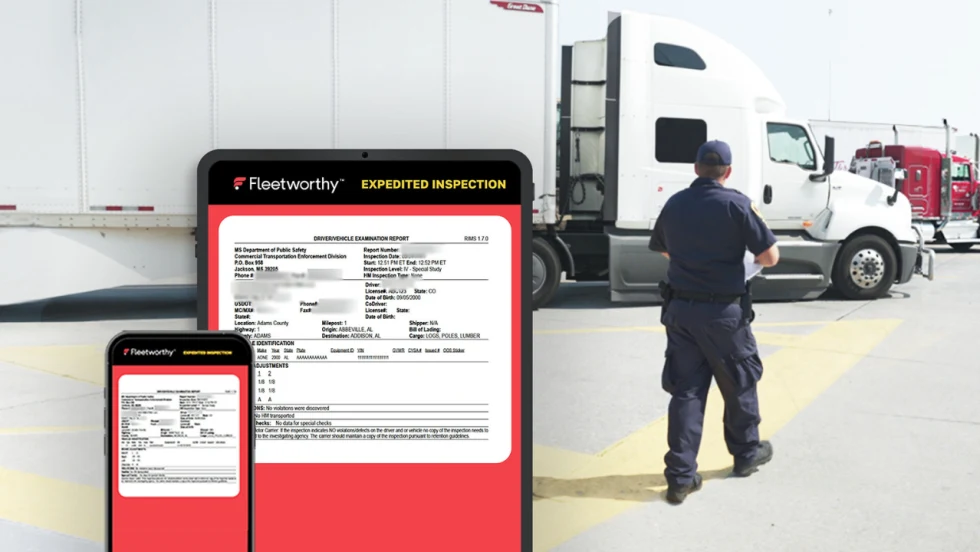
Fleetworthy Expands Expedited Inspection to 5 States
Following its industry-first launch in Nevada, Fleetworthy’s automated inspection technology is now live in California, Michigan, Vermont, and Maine.
Read More →
Crossing State Lines in a Light-Duty Work Truck? Check These Rules First
Crossing state lines in a lighter work truck? J.J. Keller's Kathy Close explains when IRP registration, trip permits, and towing rules come into play.
Read More →
GeoFencing Adds to Your Truck Security Arsenal
Geofencing is a familiar fleet tool today, but its early adoption marked a major shift in vehicle tracking, route monitoring, and the debate over employee privacy.
Read More →From Our Partners


Recalls You Need to Know About in October 2026
In October 2026, what recalls might impact your fleet? Work Truck has the answers in this comprehensive overview of recent NHTSA recalls.
Read More →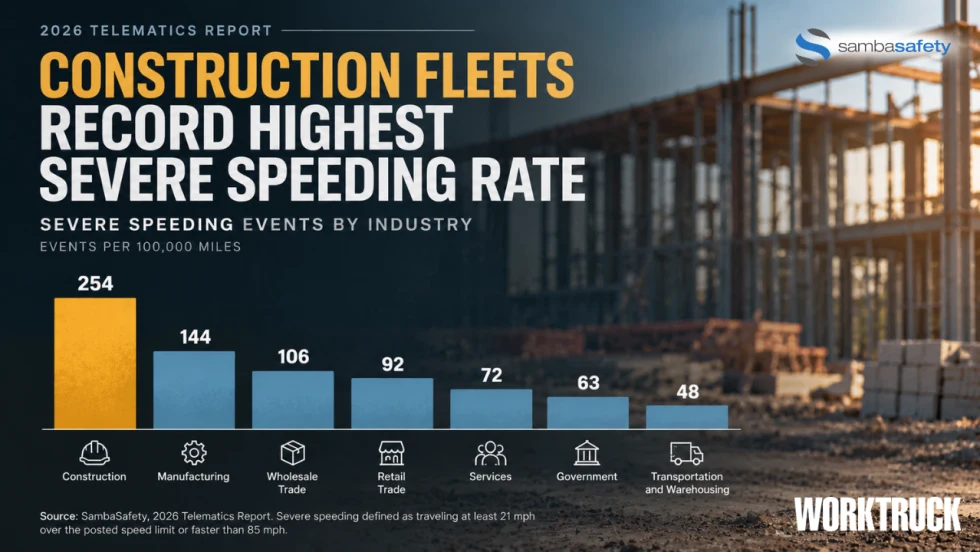
Construction Fleets Show Telematics Adoption Alone May Not Reduce Driving Risk
SambaSafety found construction fleets monitor roughly 92% of their vehicles but recorded the highest severe speeding rate among industries studied.
Read More →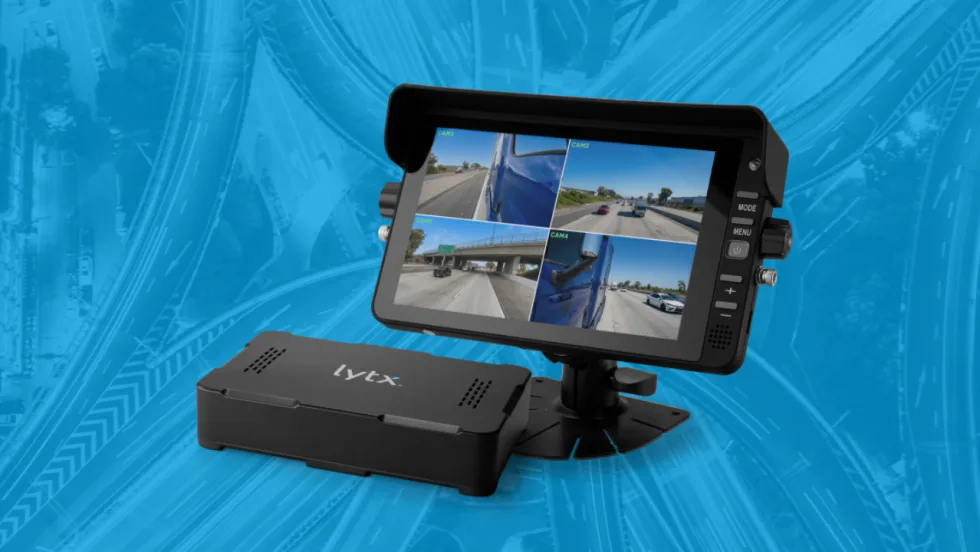
Lytx Launches 360 Hub Kit for Expanded Fleet Camera Visibility
Lytx’s new AI-ready gateway and HD auxiliary camera ecosystem, the Lytx 360 Hub Kit, extends visibility across side, rear, cargo, and blind-zone views to help fleets see more and respond faster.
Read More →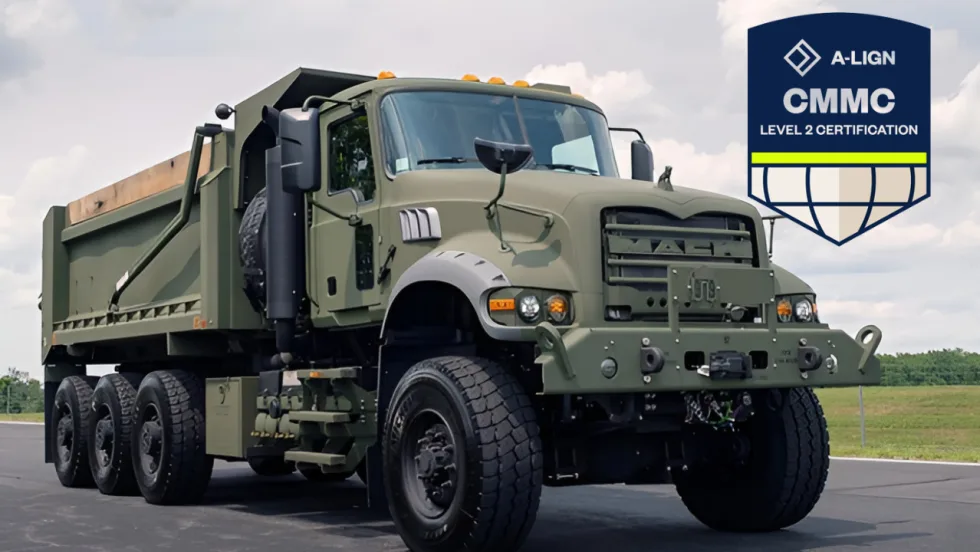
Mack Defense Achieves Cybersecurity Maturity Model Certification Level 2
After an assessment conducted by an authorized Certified Third-Party Assessment Organization (C3PAO), Mack Defense has achieved Cybersecurity Maturity Model Certification (CMMC) Level 2.
Read More →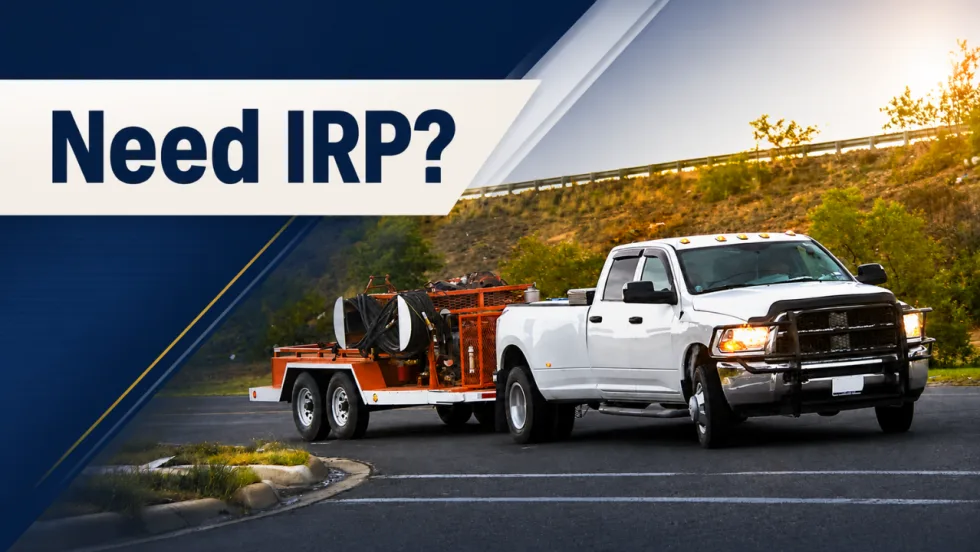
When Work Trucks Under 26,001 Pounds Need IRP Registration
Think trucks under 26,001 pounds are automatically in the clear when it comes to IRP? Not always. Learn where lighter vehicles can still run into trip permit, apportioned registration, and IFTA compliance requirements when crossing state or provincial lines.
Read More →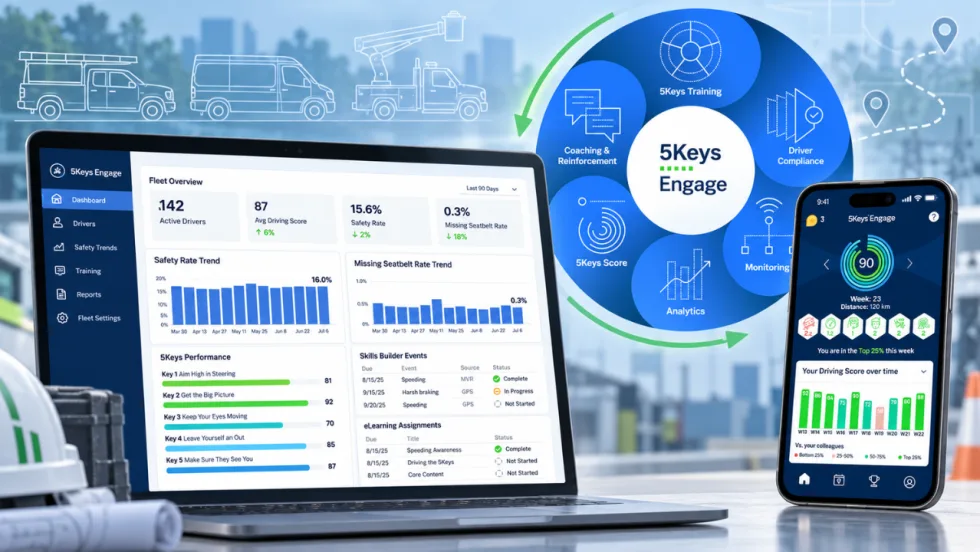
Smith System Wants Work Truck Fleets to Look Beyond the Driver Alert
Smith System’s new Driver Risk Management program is built to help mixed work truck fleets turn telematics alerts and observations into specific behaviors, coaching actions, and measurable follow-up.
Read More →
Volvo Trucks Releases New Safety Recommendations for Traveling with Pets
One of the most important recommendations for professional drivers traveling with pets is to ensure pets are properly restrained while the truck is moving. Other tips are available in the new guide from Volvo Trucks North America and Center for Pet Safety.
Read More →