




A Call to Duty: OSHA for Commercial Drivers
Who regulates truck driver safety — OSHA or FMCSA? The answer is both. Learn how the General Duty Clause applies to fleets and how to avoid costly violations.


Employers can avoid violating the general duty clause by making good-faith efforts to correct existing workplace hazards and to identify and address new hazards as they appear.
Photo: Work Truck
It’s been a long-standing question for motor carriers. Who has authority over the workplace safety of its commercial drivers — the Occupational Safety and Health Administration (OSHA) or the Federal Motor Carrier Safety Administration (FMCSA)?
The answer is both. When drivers are on the road, they are under the authority of the FMCSA, but employers are still subject to OSHA’s General Duty Clause.
Understanding OSHA’s General Duty Clause
The General Duty Clause (Section 5(a)(1) of the OSH Act) requires employers to provide a safe and healthful workplace. Employers must protect employees from recognized workplace hazards, even if there’s no OSHA standard for the situation or if hazards still exist after compliance with a standard.
Bottom line: Your drivers are under the clause even when in and around your vehicle, not just at job sites.
OSHA’s Role in Enforcement and Penalties
OSHA utilizes the clause in its penalty and enforcement actions. The violation can potentially cost employers up to $16,550 per violation. Many of the general duty clause citations are the result of ergonomic and heat stress hazards.
The clause was the third most cited OSHA violation for trucking companies from October 2023 through September 2024. The average fine for trucking companies was $12,466.
Proactive Steps to Avoid OSHA Violations
Employers can avoid violating the general duty clause by making good-faith efforts to correct existing workplace hazards and to identify and address new hazards as they appear.
Consider the following proactive measures to help protect motor carrier employees, including truck drivers:
Regularly review your accident and injury records. Are there patterns or areas for concern?
Investigate every accident or injury in the workplace. Is there a specific cause? Is there a specific action needed to prevent the accident or injury from recurring?
Conduct job hazard analyses (JHA) on a regular basis. Have you identified specific hazards associated with every job? Do you continue to identify new job hazards?
Document your training efforts. Do you conduct periodic retraining as necessary?
In addition, consider establishing an employee safety committee in the workplace. And even if you have met the “letter of the law,” step back and critically assess whether the process might still be unsafe.
How to Conduct a Job Hazard Analysis (JHA)
A job hazard analysis is a technique that focuses on job tasks to identify hazards before they occur. It uses the relationship between the worker, the task, the tools, and the work environment.
JHA development involves bringing in the employees to break down their jobs into steps. A step occurs when there is a change in motion or position, or a new tool is used.
Ideally, after you identify uncontrolled hazards, you will take steps to eliminate or reduce them to an acceptable risk level. An example might be using personal protective equipment when loading or unloading a truck.
The JHA should be reviewed periodically.
In addition to a scheduled review, it should be looked at when the steps in the job change or deviate from a previously documented JHA.
Key Takeaway: Beyond FMCSA Compliance
Workplace safety for drivers is more than just following FMCSA rules and industry best practices to avoid commercial vehicle crashes.
Each step or motion of the driver’s job should be examined for hazards that can cause injury or illness. These general risks will not be audited by the FMCSA but by OSHA.
More Safety & Compliance

Lytx Launches 360 Hub Kit for Expanded Fleet Camera Visibility
Lytx’s new AI-ready gateway and HD auxiliary camera ecosystem, the Lytx 360 Hub Kit, extends visibility across side, rear, cargo, and blind-zone views to help fleets see more and respond faster.
Read More →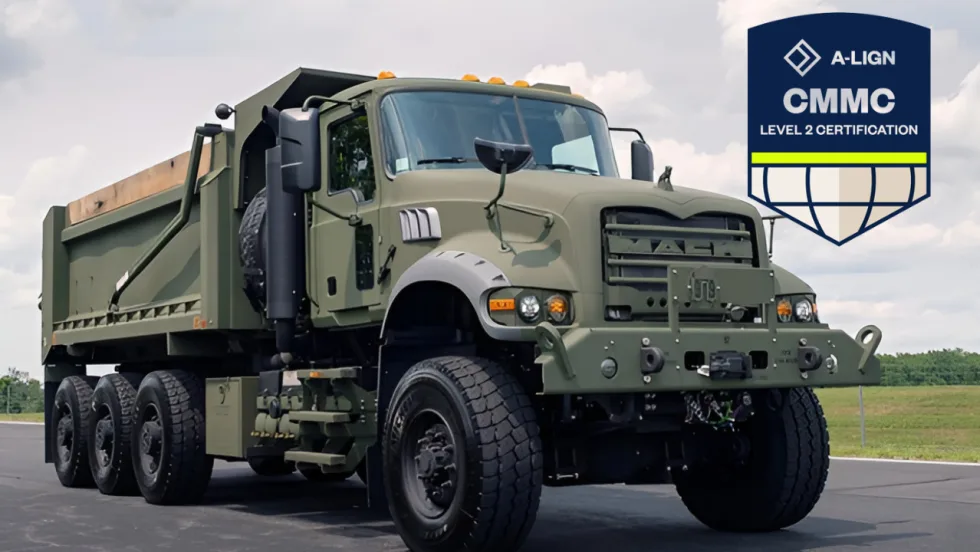
Mack Defense Achieves Cybersecurity Maturity Model Certification Level 2
After an assessment conducted by an authorized Certified Third-Party Assessment Organization (C3PAO), Mack Defense has achieved Cybersecurity Maturity Model Certification (CMMC) Level 2.
Read More →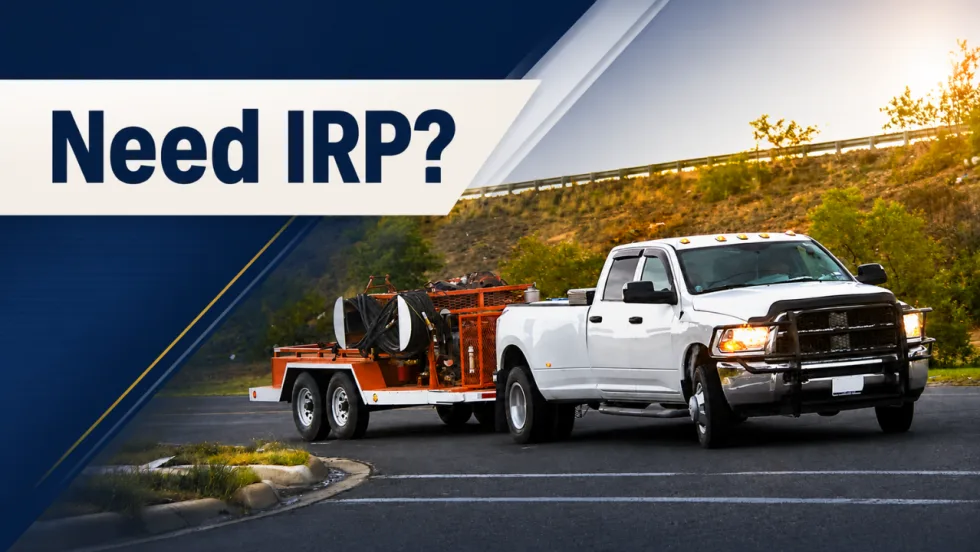
When Work Trucks Under 26,001 Pounds Need IRP Registration
Think trucks under 26,001 pounds are automatically in the clear when it comes to IRP? Not always. Learn where lighter vehicles can still run into trip permit, apportioned registration, and IFTA compliance requirements when crossing state or provincial lines.
Read More →From Our Partners




Smith System Wants Work Truck Fleets to Look Beyond the Driver Alert
Smith System’s new Driver Risk Management program is built to help mixed work truck fleets turn telematics alerts and observations into specific behaviors, coaching actions, and measurable follow-up.
Read More →
Volvo Trucks Releases New Safety Recommendations for Traveling with Pets
One of the most important recommendations for professional drivers traveling with pets is to ensure pets are properly restrained while the truck is moving. Other tips are available in the new guide from Volvo Trucks North America and Center for Pet Safety.
Read More →
Are Work Truck Drivers Warming Up to Dash Cams and GPS Tracking?
A new survey finds field-service drivers may be more comfortable with dash cams and GPS tracking than fleet managers think, especially when the technology helps protect them after a crash.
Read More →
Recalls You Need to Know About in August 2026
If you have Altec, Chrysler, Ford, Heil, General Motors, International, Mack Trucks, Paccar, Rivian, Royal Truck, Toyota, US Truck Body, or Volvo Trucks vehicles in your fleet, you should check these important recalls issued by the National Highway Safety Administration.
Read More →
API Issues Refueling Safety Guidelines
The American Petroleum Institute offers a list of safe vehicle refueling guidelines, including ways to avoid potential problems with static electricity discharges in fall, winter, and early spring.
Read More →
Winter Fleet Prep: Expert Tips to Keep Vehicles Running Smoothly
Cold weather can expose weak batteries, tires, fuel systems, and maintenance gaps fast. Use this winter fleet checklist to prepare trucks and drivers before temperatures drop.
Read More →
When a Work Truck Breaks Down, the Job Can Stop, Too
A work truck breakdown can stop more than the vehicle. Discover how payloads, jobsites, and specialty equipment change the roadside response.
Read More →