Preventing Slips, Trips and Falls to Improve Driver Safety
Slips, trips, and falls are a top driver injury risk, especially in winter. Learn tips to boost safety, reduce costs, and keep your fleet accident-free this season!
by A.J. Gajdosik, Acuity Insurance
January 14, 2025
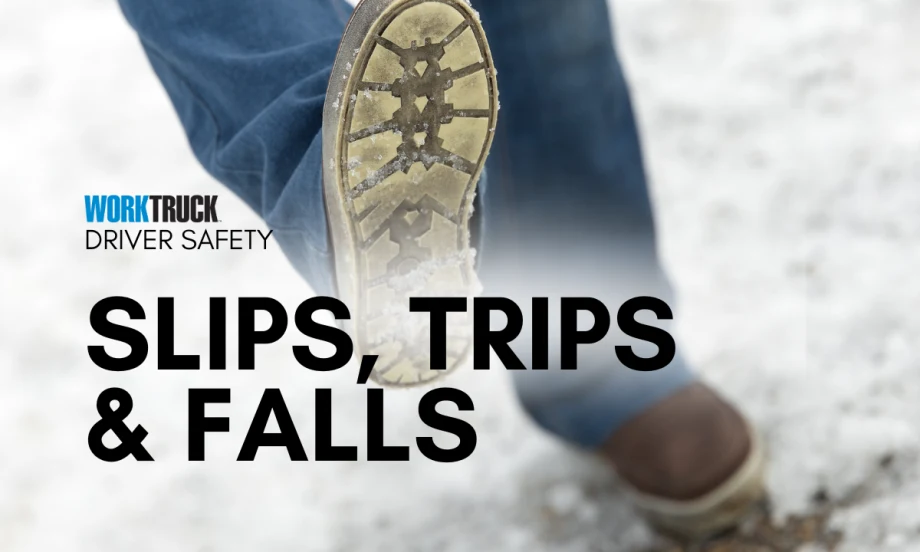
Preventing slips and falls starts with preparation and awareness. Ensure safety for your fleet this winter with proactive measures.
Photo: Work Truck
5 min to read
Reducing accidents for drivers goes beyond just road safety. Slips, trips, and falls can hurt drivers and, in turn, your bottom line. These incidents may increase medical expenses and workers’ compensation costs and reduce productivity.
Ad Loading...
The good news is there are proactive measures that can be taken to set your organization up for a safer winter and to reduce the likelihood of slips, trips, and falls.
Ad Loading...
The Impact of Slips and Falls on Fleet Drivers
After accidents on the road, slips, trips, and falls are a leading cause of driver injury. Unsurprisingly, Acuity Insurance data shows slips, trips, and falls are most likely from December through February. With slippery conditions being more common during the winter, these accidents are more likely but not inevitable.
As a senior loss control representative at Acuity Insurance, I have more than 20 years of experience working with businesses to help reduce their risk and operate safely. I recommend a multistep approach to help improve safety.
Safety Prevention Tips for Drivers
Taking the right precautions can significantly reduce the likelihood of a slip or fall accident. Drivers should be proactive in preparing for hazardous conditions and practicing safe behaviors. Below are some key measures to prevent injuries:
Prepare for success. Many slip-and-fall incidents can be avoided with proper planning. Taking the time to prepare for slippery surfaces, low light, and entering and exiting your truck can reduce your likelihood of a slip or fall accident.
Check for slippery surfaces: Before stepping down from your vehicle or walking on any surface, inspect it for potential hazards. Always look out for slippery conditions caused by snow, ice, oil, loose gravel, or potholes.
Create good lighting:Winter brings not only ice and sleet — making slips and falls more likely — but also shorter days, which reduce visibility and increase the risk even further. Ensure all work areas are well-lit. Poor lighting increases the likelihood of tripping or missing potential hazards.
Have the right equipment: Always wear shoes with nonslip soles. Proper footwear can significantly reduce the chances of slipping on wet or icy surfaces. Always wear gloves when entering or exiting the vehicle. Gloves help maintain a firm grip and protect your hands from the cold or any sharp edges. Take care. Once you’ve made your preparations, take the following actions to help reduce your likelihood of slips, trips, and falls when you’re on the road or loading your truck.
Enter and exit the vehicle carefully: Entering and exiting a truck is one significant cause of slips and falls for truck drivers. There are some commonsense choices you can take to reduce your risk.
Use the three-point rule: This means always having three points of contact with the vehicle — one hand and two feet, or two hands and one foot. This helps ensure stability and reduces the risk of losing balance.
Use handholds and step plates: When climbing into or out of the vehicle, use the handholds, steering wheel, and step plates provided. Ensure these surfaces are free of slippery conditions like ice, grease, or dirt.
Face the vehicle: When exiting or entering the vehicle, always face the cab. This minimizes the risk of a misstep or losing your grip.
Avoid jumping: Never jump down from the cab, trailer, or loading dock. Instead, use the stairs or steps provided. Jumping can cause strain on your body and lead to serious injury.
Walk like a penguin: It’s best to take small, controlled steps on slippery surfaces. This helps maintain balance and reduces the risk of slipping. This is true on slippery walkways and loading docks.
Stay alert: This can help with many safety concerns. Stay aware of your surroundings and anticipate potential hazards. In areas like loading docks or parking lots, uneven surfaces can be hard to spot, especially in poor lighting or inclement weather.
Prioritize your health: Engage your leg muscles when entering or exiting vehicles. This reduces the strain on your back and reduces the likelihood of injury.
Stay steady on slippery surfaces this winter—take small, controlled steps and ‘walk like a penguin’ to avoid slips and falls.
Photo: Work Truck
The Role of Fleet Managers in Truck Driver Safety
While drivers are responsible for their own safety, management plays an important role in creating a safe environment. By taking the following measures, fleet managers can help reduce the risk of slip and fall injuries:
Ad Loading...
Invest in maintenance. Ensure proper lighting in all areas of the yard, including parking lots and loading docks. Well-lit areas help truck drivers and employees avoid hazards. Regularly inspect and maintain the surfaces on which drivers walk. Fill in potholes and remove debris to keep walking paths clear and safe. Develop and implement a snow-and-ice removal plan for your yard or terminal. Ensure ice-melting products such as salt or sand are readily available in winter months.
Provide safety equipment. Provide safety equipment such as headlamps and reflective clothing for fleet drivers, especially when working outdoors in low-light conditions. Ensure all vehicles are equipped with well-maintained handles, steps, and other access points. Regularly inspect these parts for dirt, snow, ice, or wear that could make them slippery.
Provide training and safety protocols. Provide training for drivers on safe practices. Include guidance on entering and exiting vehicles. This training helps reduce injury risks and ensures compliance with Federal Motor Carrier Safety Administration (FMCSA) regulations. According to FMCSA Regulation §399.207, anyone accessing the cab of a high-profile truck must have sufficient steps, handholds, or deck plates to always maintain at least three points of contact with the vehicle.
Slips, trips, and falls can be a dangerous risk to fleet and truck drivers. These injuries not only affect the health and well-being of drivers but also cost trucking companies significant amounts of money in medical expenses, workers’ compensation, and lost productivity.
There are measures drivers and fleet managers can take to reduce risk and help ensure work truck drivers can return home safely.
About the Author: A.J. Gajdosik is a Senior Loss Control Representative at Acuity, where he has been helping improve safety efforts since 2015. He is a Certified Safety Professional (CSP), earned the Associate in Risk Management and Associate for Risk Management for Public Entities designations from the Insurance Institute of America and is a graduate of University of Central Missouri. This article was authored and edited according to Work Truck editorial standards and style. Opinions expressed may not reflect that of WT.
Geofencing is a familiar fleet tool today, but its early adoption marked a major shift in vehicle tracking, route monitoring, and the debate over employee privacy.
Lytx’s new AI-ready gateway and HD auxiliary camera ecosystem, the Lytx 360 Hub Kit, extends visibility across side, rear, cargo, and blind-zone views to help fleets see more and respond faster.
After an assessment conducted by an authorized Certified Third-Party Assessment Organization (C3PAO), Mack Defense has achieved Cybersecurity Maturity Model Certification (CMMC) Level 2.
Think trucks under 26,001 pounds are automatically in the clear when it comes to IRP? Not always. Learn where lighter vehicles can still run into trip permit, apportioned registration, and IFTA compliance requirements when crossing state or provincial lines.
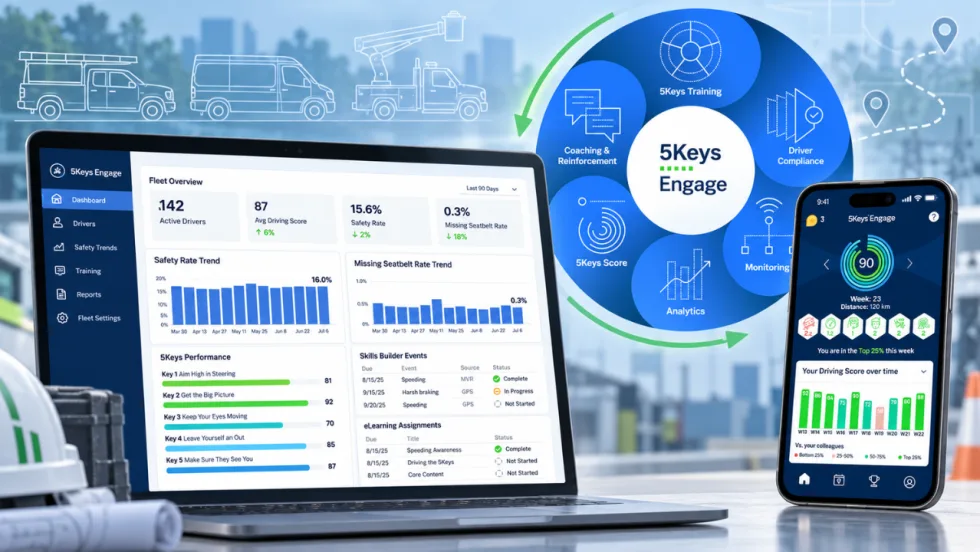
Smith System’s new Driver Risk Management program is built to help mixed work truck fleets turn telematics alerts and observations into specific behaviors, coaching actions, and measurable follow-up.
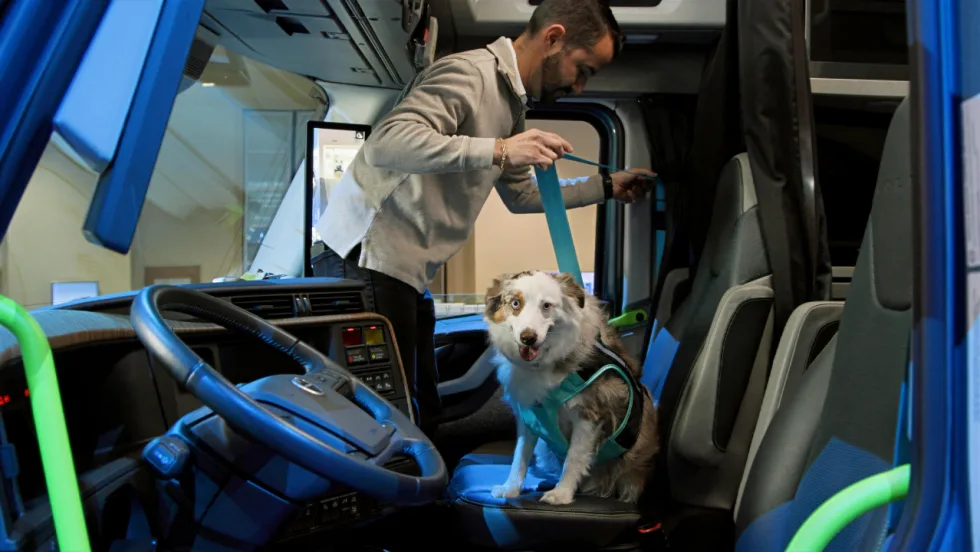
One of the most important recommendations for professional drivers traveling with pets is to ensure pets are properly restrained while the truck is moving. Other tips are available in the new guide from Volvo Trucks North America and Center for Pet Safety.