





Learn More: Building a Fleet from the Backlot to the Fleet Yard
Construction Fleets Show Telematics Adoption Alone May Not Reduce Driving Risk
SambaSafety found construction fleets monitor roughly 92% of their vehicles but recorded the highest severe speeding rate among industries studied.
October 1, 2026
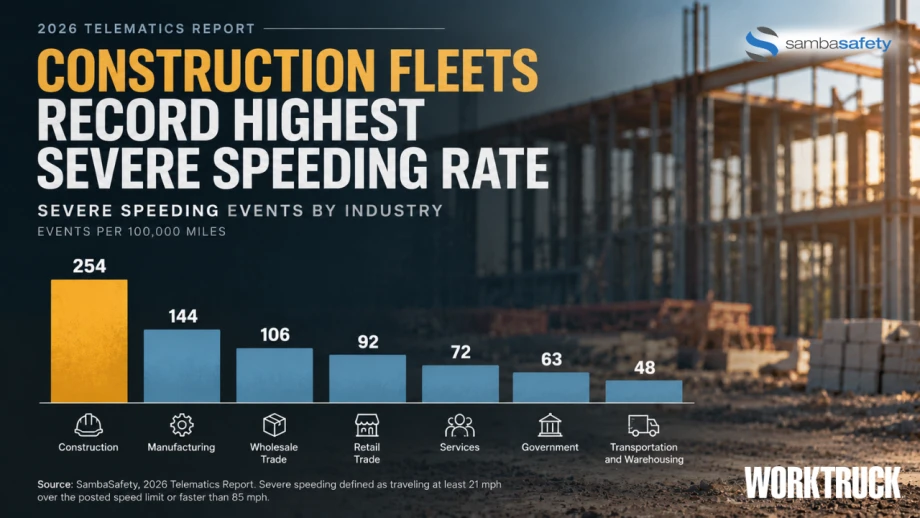
Construction fleets recorded 254 severe speeding events per 100,000 miles, more than five times the rate for transportation and warehousing fleets, despite high telematics use. The findings point to the challenge of turning fleet data into driver safety action.
Credit:
SambaSafety | Work Truck
3 min to read
Installing telematics may provide visibility into risky driving. SambaSafety's latest research suggests the bigger challenge is figuring out what fleets do once those behaviors become visible.
Construction fleets recorded 254 severe speeding events per 100,000 miles, the highest median rate among the industries included in SambaSafety's 2026 Telematics Report. Transportation and warehousing fleets recorded 48 events per 100,000 miles, creating a more than fivefold difference between the two sectors.
The difference isn't simply explained by a lack of telematics adoption.
Construction fleets reported monitoring roughly 92% of their vehicles, and 86% cited improving safety as a reason for using telematics. SambaSafety said the findings indicate that acting on the information, rather than adopting the technology, is the bigger hurdle for the sector.
Speeding Risk Peaks in the Morning
Across the report's telematics dataset, speeding represented 73% of all recorded driving events. SambaSafety's analysis covered more than 95,000 drivers and 500 million miles during the first half of 2026, including 135.1 million driver behavior events from 245 fleets.
Timing also mattered.
Severe speeding was defined in the report as traveling at least 21 mph over the posted speed limit or faster than 85 mph. Forty-one percent of severe speeding events occurred between 6 a.m. and noon, compared with 23% in the afternoon, 19% in the evening, and 17% overnight.
SambaSafety noted that greater driving exposure during the morning could contribute to the pattern. The report also points to operational pressures such as traffic delays, delivery windows, dispatch times, and insufficient route buffers as factors fleets may need to examine when speeding patterns appear across groups of drivers.
Construction Fleets Also Lead in Distracted Driving Events
The industry differences extend beyond speeding. Construction fleets recorded a median distracted driving rate of 187 events per 100,000 miles. Transportation and warehousing fleets recorded 76, while wholesale trade fleets recorded 74.
Distracted driving is also receiving more attention from the commercial auto insurance industry. Eighty-four percent of surveyed insurance professionals identified distracted driving as a significant threat to commercial auto profitability, tied with increased litigation and nuclear verdicts as the leading concern.
Fleets Have the Data, but Training Is Not Always Connected
The report found a broader disconnect between collecting driver data and using it for coaching. Only 26% of fleets use telematics data to assign driver training. Among fleets that combine telematics with training, however, 78% reported fewer crashes or claims, while 89% reported improved safety. 2026-SambaSafety-Telematics-Rep…
Construction fleets showed an even wider training gap. One-third reported that they do not train drivers, while only 23% use telematics information to assign training. Construction drivers averaged 4.5 training assignments annually.
In addition, construction fleets also said telematics systems may need to better account for how vocational vehicles actually operate. The report notes that generic thresholds developed for light-duty or over-the-road vehicles can potentially flag maneuvers such as tight turns on construction sites as higher-risk events, creating risk profiles that fleets may believe do not reflect their operating environment.
For work truck fleets, the report points to a shift in the telematics conversation. The technology can identify speeding, distraction, and other behaviors, but collecting the event is only the first step. The larger task is determining whether the response should be driver coaching, training, changes to operations, or a closer look at how the system itself defines risk.
More Safety & Compliance
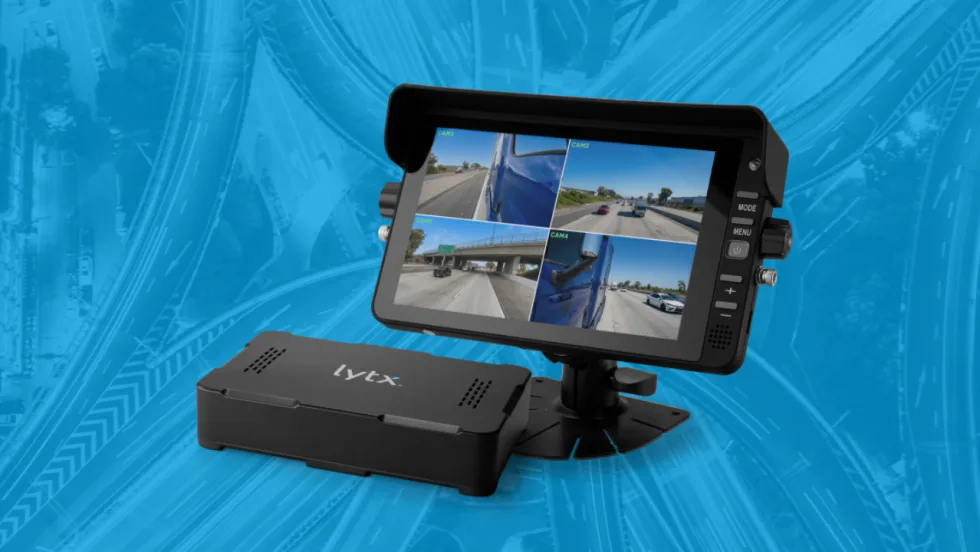
Lytx Launches 360 Hub Kit for Expanded Fleet Camera Visibility
Lytx’s new AI-ready gateway and HD auxiliary camera ecosystem, the Lytx 360 Hub Kit, extends visibility across side, rear, cargo, and blind-zone views to help fleets see more and respond faster.
Read More →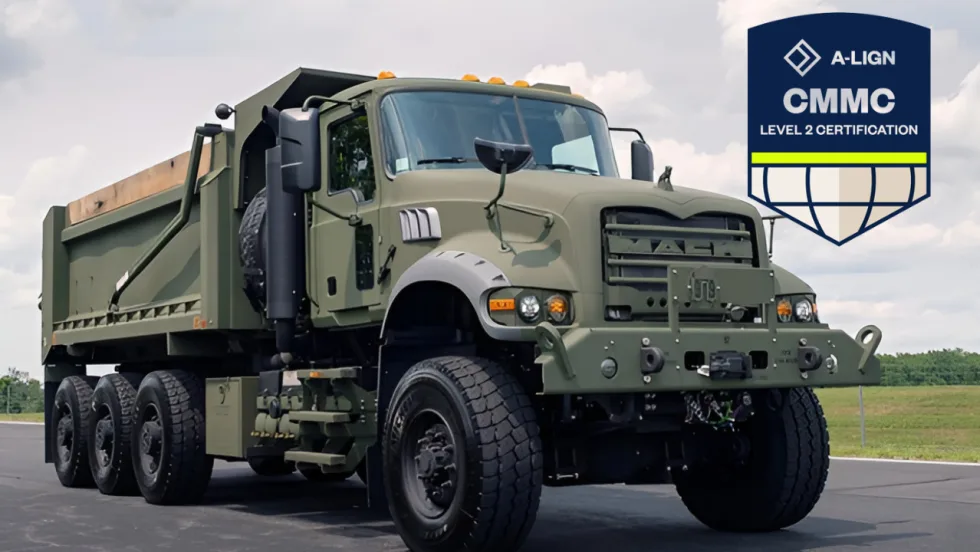
Mack Defense Achieves Cybersecurity Maturity Model Certification Level 2
After an assessment conducted by an authorized Certified Third-Party Assessment Organization (C3PAO), Mack Defense has achieved Cybersecurity Maturity Model Certification (CMMC) Level 2.
Read More →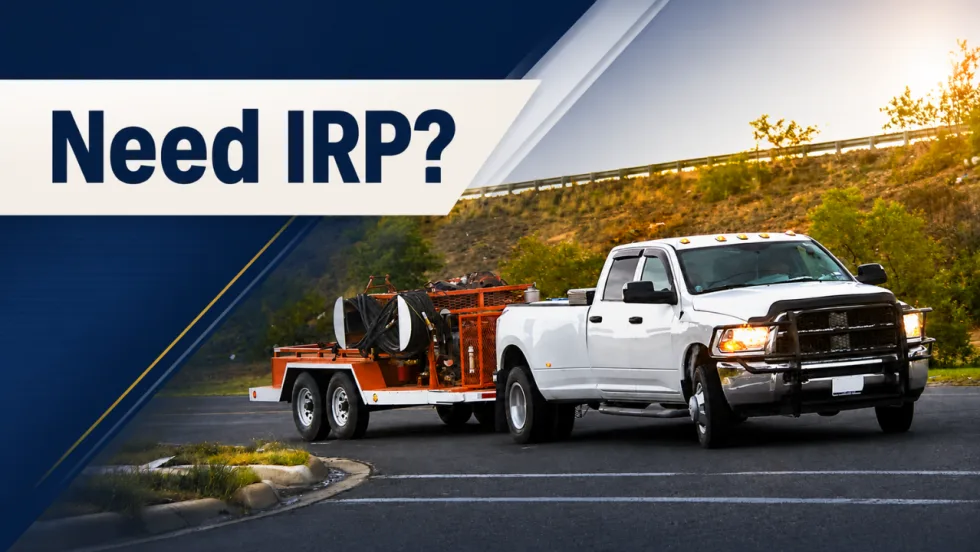
When Work Trucks Under 26,001 Pounds Need IRP Registration
Think trucks under 26,001 pounds are automatically in the clear when it comes to IRP? Not always. Learn where lighter vehicles can still run into trip permit, apportioned registration, and IFTA compliance requirements when crossing state or provincial lines.
Read More →From Our Partners


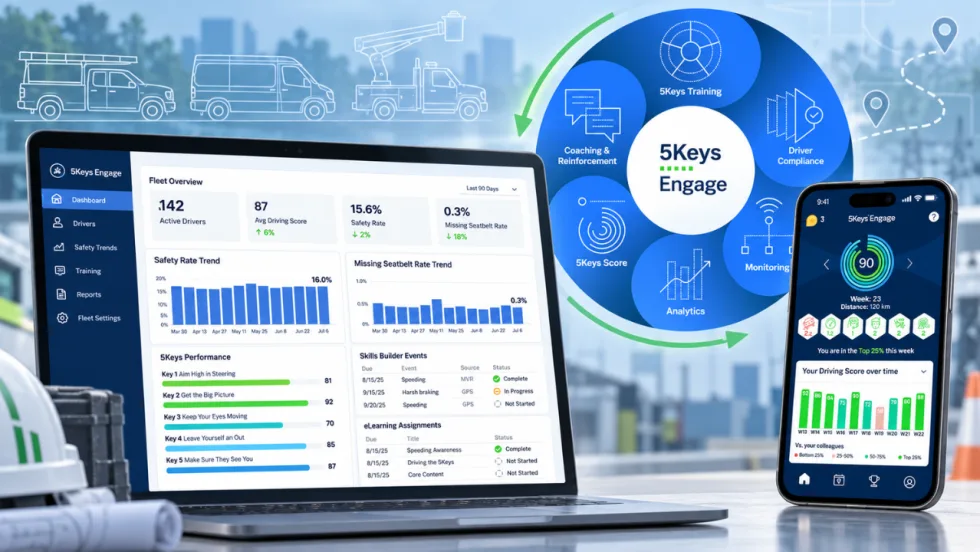
Smith System Wants Work Truck Fleets to Look Beyond the Driver Alert
Smith System’s new Driver Risk Management program is built to help mixed work truck fleets turn telematics alerts and observations into specific behaviors, coaching actions, and measurable follow-up.
Read More →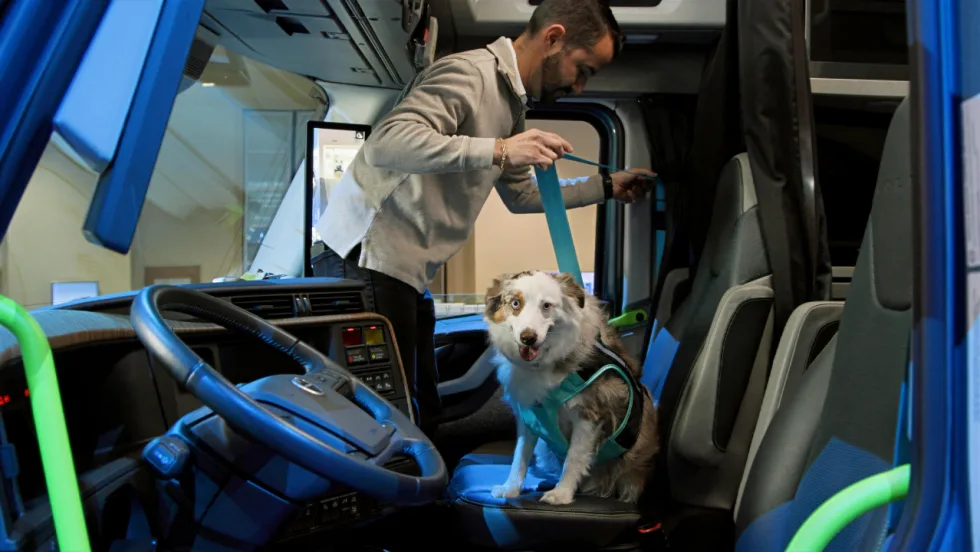
Volvo Trucks Releases New Safety Recommendations for Traveling with Pets
One of the most important recommendations for professional drivers traveling with pets is to ensure pets are properly restrained while the truck is moving. Other tips are available in the new guide from Volvo Trucks North America and Center for Pet Safety.
Read More →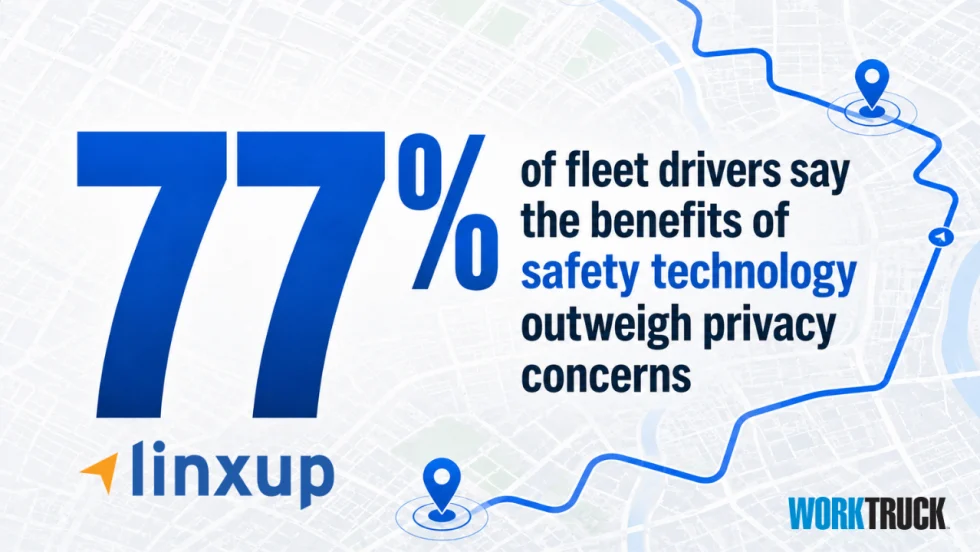
Are Work Truck Drivers Warming Up to Dash Cams and GPS Tracking?
A new survey finds field-service drivers may be more comfortable with dash cams and GPS tracking than fleet managers think, especially when the technology helps protect them after a crash.
Read More →
Recalls You Need to Know About in August 2026
If you have Altec, Chrysler, Ford, Heil, General Motors, International, Mack Trucks, Paccar, Rivian, Royal Truck, Toyota, US Truck Body, or Volvo Trucks vehicles in your fleet, you should check these important recalls issued by the National Highway Safety Administration.
Read More →
API Issues Refueling Safety Guidelines
The American Petroleum Institute offers a list of safe vehicle refueling guidelines, including ways to avoid potential problems with static electricity discharges in fall, winter, and early spring.
Read More →
Winter Fleet Prep: Expert Tips to Keep Vehicles Running Smoothly
Cold weather can expose weak batteries, tires, fuel systems, and maintenance gaps fast. Use this winter fleet checklist to prepare trucks and drivers before temperatures drop.
Read More →
When a Work Truck Breaks Down, the Job Can Stop, Too
A work truck breakdown can stop more than the vehicle. Discover how payloads, jobsites, and specialty equipment change the roadside response.
Read More →