





Fun Fact: We are saving time, not "savings" time, so make sure you write Daylight Saving Time (just one S!).
Navigating the Effects of Daylight Saving Time on Work Truck Fleets
Discover how daylight saving time impacts work truck fleets and get essential tips for fleet managers and drivers to navigate the "fall back" transition.
October 30, 2025

Fleet drivers adapt to earlier sunsets after daylight saving time, navigating routes with increased vigilance and safety measures.
Photo: Work Truck
3 min to read
With daylight saving time (DST) behind us and the "fall back" adjustment settling in, fleet managers and drivers feel the impacts firsthand. It's only an hour's difference, but anyone in the industry knows it can significantly ripple through work truck operations.
For some, the extra morning light brings relief and even some unexpected benefits. For others, it introduces new challenges that demand attention. Now that the clocks have rolled back let's break down how this time shift affects fleet operations and share some practical tips to help everyone adapt.
The Immediate Impact: A Mixed Bag for Fleets
Waking up to earlier sunrises has been a welcome change for many drivers. More morning daylight means better visibility and can give drivers an alertness boost right at the start of their shifts. That natural light isn't just a perk—it's a game changer for early-morning safety and driver morale.
But, as with most things, there's a flip side. The downside? Earlier sunsets. Daylight is cut short in the late afternoon, leaving more drivers navigating their routes in the dark.
This shift can increase the risk of accidents and calls for extra vigilance from drivers who now face low-light conditions during parts of their routes that were previously illuminated.
Add to this the fact that adjusting to DST takes a toll on our internal clocks. Some drivers might find that sleep patterns are off-kilter, leading to fatigue and reduced alertness—especially during those suddenly darker evening shifts.
Tips to Navigate the Post-DST Transition
Fleet managers and drivers don't need to settle for just getting by. A few practical steps can help maintain safety and productivity as everyone adjusts:
Reinforce Evening Safety Practices: Remind drivers about defensive driving, especially during dusk and evening hours when light conditions change quickly. A refresher on vigilance can go a long way.
Prioritize Driver Well-being: Sleep routines can still be out of whack in the days after the time change, so emphasize the need for quality rest. Encourage short, restorative power naps if schedules allow, and make sure drivers start their shifts well-rested to stave off fatigue-related issues.
Check on Vehicle Tech: Ensure that adaptive headlights, automatic emergency braking systems, and other safety features are in top condition. These tools are invaluable as drivers adjust to darker evenings.
Monitor Driver Performance: Watch for signs of slower reaction times or fatigue. Catching these indicators early can help prevent issues and maintain fleet safety.
Adjust Route Schedules if You Can: If flexibility allows, tweak delivery or route schedules to make the most of available daylight. Shifting routes earlier in the day could cut down on extensive after-sunset driving.
Making the Most of This Adjustment Period
The week after daylight saving time ends can be tricky for drivers and fleet managers. But the transition can be smoother and safer for everyone with clear communication, a focus on driver safety, and minor operational tweaks.
As fleets and drivers ease into the new routine, remember that preparation and adaptability are key. A little foresight now can go a long way toward maintaining safe and efficient operations, even as the sun sets a little sooner.
Editor’s Note: Some advice never goes out of style. This piece first ran in November 2024, but it’s worth another look.
Subscribe to Our Newsletter
More Safety

Volvo Trucks Releases New Safety Recommendations for Traveling with Pets
One of the most important recommendations for professional drivers traveling with pets is to ensure pets are properly restrained while the truck is moving. Other tips are available in the new guide from Volvo Trucks North America and Center for Pet Safety.
Read More →
API Issues Refueling Safety Guidelines
The American Petroleum Institute offers a list of safe vehicle refueling guidelines, including ways to avoid potential problems with static electricity discharges in fall, winter, and early spring.
Read More →
Winter Fleet Prep: Expert Tips to Keep Vehicles Running Smoothly
Cold weather can expose weak batteries, tires, fuel systems, and maintenance gaps fast. Use this winter fleet checklist to prepare trucks and drivers before temperatures drop.
Read More →
When a Work Truck Breaks Down, the Job Can Stop, Too
A work truck breakdown can stop more than the vehicle. Discover how payloads, jobsites, and specialty equipment change the roadside response.
Read More →
What Stronger Long-Term Fleet Service Partnerships Actually Require
Fleet service partnerships rarely fall apart all at once. Learn the three warning signs that trust is eroding and what fleets and providers can do before downtime, frustration, and lost revenue follow.
Read More →
Applause & TRUCE Software Partner to Improve Driver Safety Through AI-Powered Telematics & Employee Performance Management
Applause has integrated TRUCE driving metrics directly into its employee-first performance and safety platform that transforms mobile devices into AI-powered telematics.
Read More →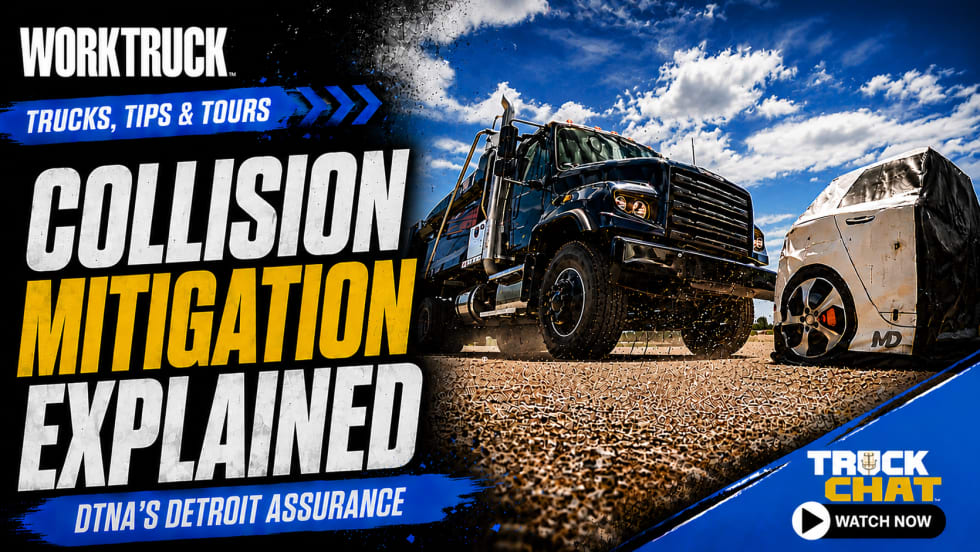
How Detroit Assurance with Active Brake Assist Works
Do you want to see what it is like to experience Detroit Assurance’s Active Brake Assist? In this video, Work Truck will put you in the cab to see how it all works and then hear more details from DTNA’s Mike Young.
Read More →
Get Left of Loss: A 5-Step Workplace Violence Prevention Framework for Fleet Operators
Violence risks do not stop at the driver’s door. Learn five practical steps fleets can take to spot threats early and protect workers before loss occurs.
Read More →
Sponsored•July 17, 2026
How Better Visibility Cut Speeding Violations by 48%
Fleet leaders don't need more data, they need clearer visibility into what the data is saying. This case study explores how one utility replaced speeding-event counts with a single metric — miles driven in violation — to strengthen safety and significantly reduce speeding violations.
Read More →
13 Safe Driving Tips for Commercial Vehicle Drivers
Make sure you are spending time on the road safely with these important tips.
Read More →