





Fleet Training That Works: Best Practices for Building a Safety-First Culture
Samsara Launches New AI Coaching Features to Transform Fleet Safety at Scale
Now, drivers have holistic coverage provided by Samsara Coach before, during, and after their shift. This includes start-of-the-day audio briefings to help predict road risk, on-the-road support through two-way audio coaching, and post-trip support through AI Avatar.
April 8, 2026
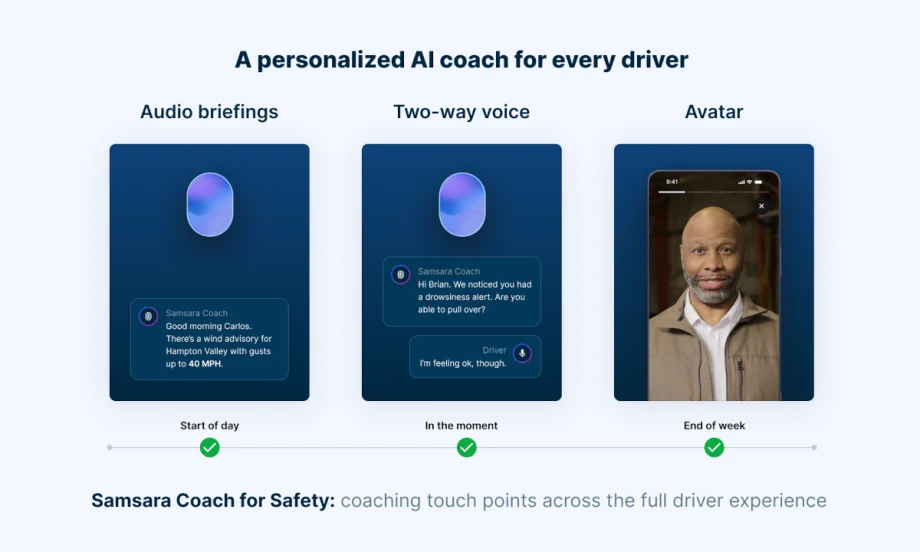
Samsara Coach now offers new AI-powered tools to help managers support and coach fleet drivers.
Credit: Samsara
3 min to read
Samsara, the pioneer of the Connected Operations Platform, has added several new automated coaching features to support both managers and drivers throughout the driving journey. By providing a more complete view of risk and scaling personalized feedback through AI, these new capabilities allow fleets to reduce crashes and improve safety without increasing administrative workload.
"Through our partnership with Samsara, we have seen a clear correlation between our insurance customers who leverage driver coaching and reduced crash rates," said Alasdair MacKechnie, head of auto liability at Inigo. "Sustained coaching through the Samsara platform can improve driver behavior, leading to fewer crashes, a reduction in loss activity, and insurance premium savings."
Helping Managers Become Better Coaches
Built on Samsara’s proprietary risk model, these new features help managers of lean teams to scale coaching through AI and automation:
Turn every manager into a world-class coach: Managers can now refine how they give drivers feedback using the new AI Role Play and AI Guided Coaching features. With AI Role Play, managers can simulate real-world scenarios and tough conversations, helping prepare for difficult conversations with an AI “driver.” AI Guided Coaching Sessions equip managers with an AI-powered framework for delivering structured, effective one-on-one coaching conversations that help inspire real behavior change.
Save time and resources with automated safety event triage: Samsara’s AI automatically reviews, prioritizes, and classifies safety events into risk categories. High-risk drivers are routed for human coaching, while less risky drivers are automatically routed to self-service coaching. The system now monitors more than 45 risk factors, so managers can spend their time coaching drivers who need the most support.
Identify and take action on the most critical risks: Samsara’s Safety Program Overview serves as a command center for managers to evaluate their coaching program's performance. For example, a manager can see how many events are routed to drivers for self-coaching versus escalated to managers, track completion and compliance, and measure whether automation is driving behavior change and risk reduction. With built-in actionable recommendations, managers can fine-tune their programs to ensure they continuously deliver measurable safety outcomes and provide consistent positive reinforcement.
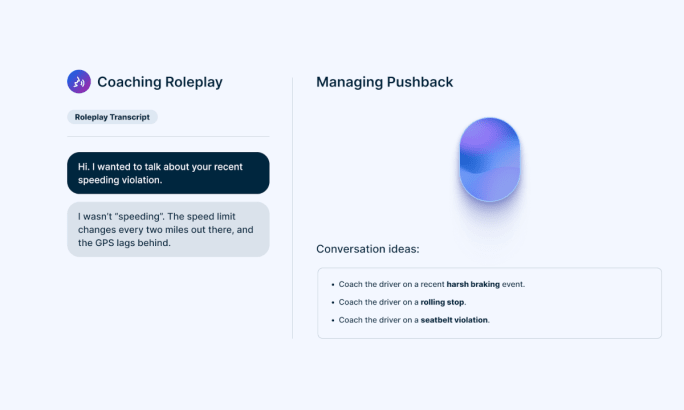
Managers can now refine how they give drivers feedback using Samsara’s new AI Role Play and AI Guided Coaching features. With AI Role Play, managers can simulate real-world scenarios and tough conversations.
Credit: Samsara
This scalable automated approach is already generating massive time savings for early adopters, Samsara said.
“We pushed over 5,000 coaching events in a 30-day period to drivers,” said Tosin Lediju, SH&E manager at Ecolab. “If you consider the time and effort that would have been spent reviewing all those events, that’s huge.”
Support Before, During & After Every Shift
Just weeks after the launch of Samsara Coach, an important new feature is now available to provide continuous support across the entire driver journey.
To set drivers up for success before a shift, managers can now automate a new start-of-the-day audio briefing delivered directly in the cab. This personalized audio summary sets the tone for the day with clear guidance—helping drivers anticipate risks like severe weather, celebrate recent safety milestones, and reinforce the positive habits that keep them safe on the road.
Now, drivers have holistic coverage provided by Samsara Coach before, during, and after their shift. This includes start-of-the-day audio briefings to help predict road risk, on-the-road support through two-way audio coaching, and post-trip support through AI Avatar.
“Safety is a continuous loop that requires support at every level of an organization,” said Johan Land, senior vice president of product at Samsara. “By offering end-to-end coaching for both drivers and managers, we’re moving beyond just flagging isolated errors to providing a true partner for the frontline. This is a glimpse into the future of AI-guided frontline work, making every shift safer and more efficient from start to finish.”
More Safety
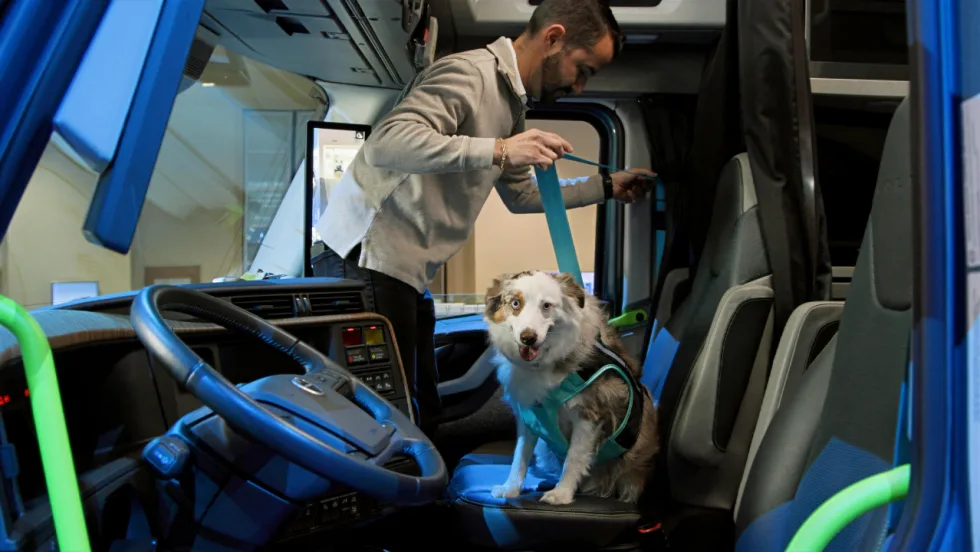
Volvo Trucks Releases New Safety Recommendations for Traveling with Pets
One of the most important recommendations for professional drivers traveling with pets is to ensure pets are properly restrained while the truck is moving. Other tips are available in the new guide from Volvo Trucks North America and Center for Pet Safety.
Read More →
API Issues Refueling Safety Guidelines
The American Petroleum Institute offers a list of safe vehicle refueling guidelines, including ways to avoid potential problems with static electricity discharges in fall, winter, and early spring.
Read More →
Winter Fleet Prep: Expert Tips to Keep Vehicles Running Smoothly
Cold weather can expose weak batteries, tires, fuel systems, and maintenance gaps fast. Use this winter fleet checklist to prepare trucks and drivers before temperatures drop.
Read More →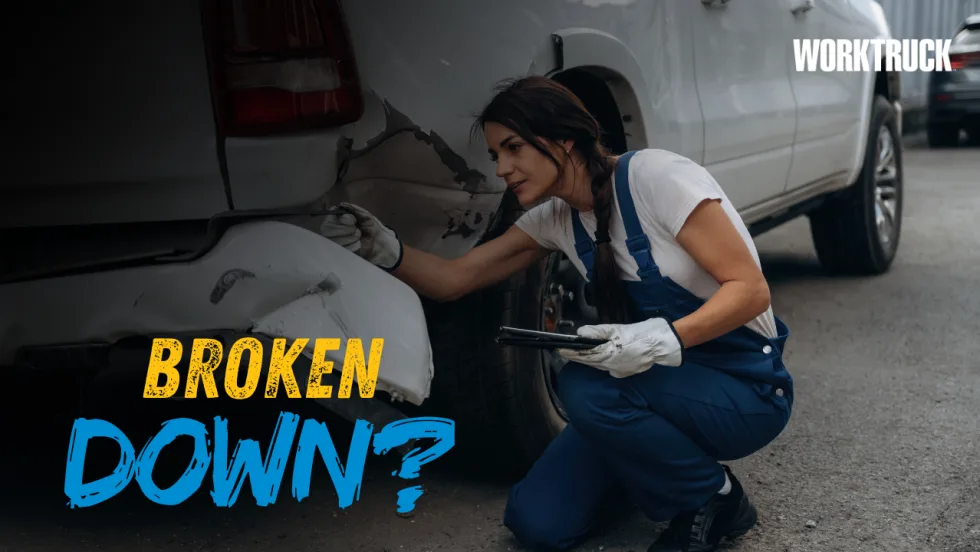
When a Work Truck Breaks Down, the Job Can Stop, Too
A work truck breakdown can stop more than the vehicle. Discover how payloads, jobsites, and specialty equipment change the roadside response.
Read More →
What Stronger Long-Term Fleet Service Partnerships Actually Require
Fleet service partnerships rarely fall apart all at once. Learn the three warning signs that trust is eroding and what fleets and providers can do before downtime, frustration, and lost revenue follow.
Read More →
Applause & TRUCE Software Partner to Improve Driver Safety Through AI-Powered Telematics & Employee Performance Management
Applause has integrated TRUCE driving metrics directly into its employee-first performance and safety platform that transforms mobile devices into AI-powered telematics.
Read More →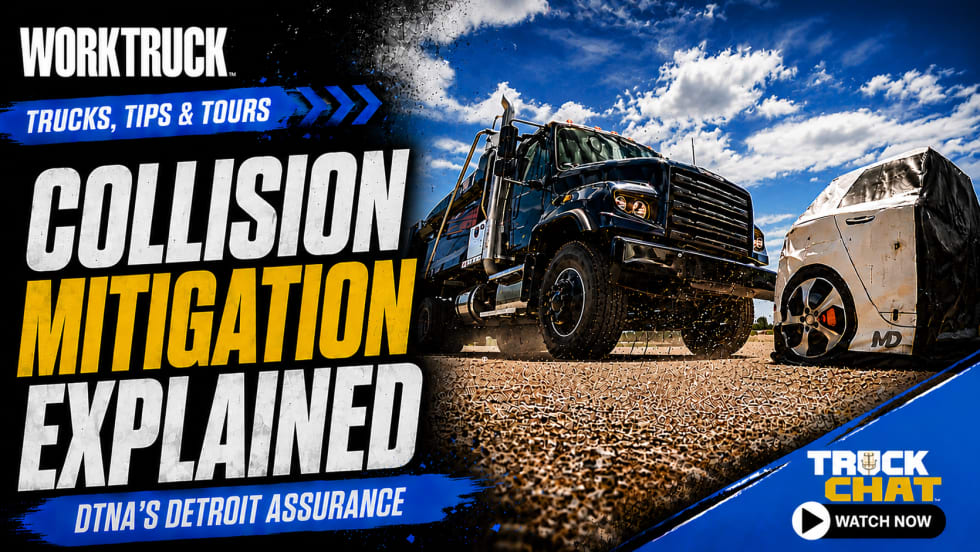
How Detroit Assurance with Active Brake Assist Works
Do you want to see what it is like to experience Detroit Assurance’s Active Brake Assist? In this video, Work Truck will put you in the cab to see how it all works and then hear more details from DTNA’s Mike Young.
Read More →
Get Left of Loss: A 5-Step Workplace Violence Prevention Framework for Fleet Operators
Violence risks do not stop at the driver’s door. Learn five practical steps fleets can take to spot threats early and protect workers before loss occurs.
Read More →
Sponsored•July 17, 2026
How Better Visibility Cut Speeding Violations by 48%
Fleet leaders don't need more data, they need clearer visibility into what the data is saying. This case study explores how one utility replaced speeding-event counts with a single metric — miles driven in violation — to strengthen safety and significantly reduce speeding violations.
Read More →
13 Safe Driving Tips for Commercial Vehicle Drivers
Make sure you are spending time on the road safely with these important tips.
Read More →