




How Telematics Is Transforming Fleet Risk from Insight to Action
What if you could spot risky driving before it leads to a crash? See how telematics is still changing fleet safety today.

AI-powered telematics combines connected vehicle data, video, and real-time insights to help fleets identify risky driving behaviors early, strengthen coaching programs, improve claims outcomes, and reduce operating costs.
Work Truck
- Telematics allows for the identification of risky driving behaviors before accidents occur.
- The ongoing evolution of telematics continues to enhance fleet safety measures.
- Insights from telematics enable proactive actions to prevent potential driving incidents.
*Summarized by AI
Commercial fleets are navigating one of the most complex operating environments in recent history. Rising repair costs, increasing liability severity, and persistent risks of distracted driving are putting pressure on both safety performance and profitability. According to the U.S. Bureau of Labor Statistics, motor vehicle maintenance and repair costs continue to outpace overall inflation, while the Insurance Information Institute reports that liability claim payouts have grown by more than $30 billion over the past decade.
Against this backdrop, telematics is emerging as a critical tool; not just for tracking vehicles, but for fundamentally transforming how fleets understand and manage risk.
From Data Collection to Risk Prevention
Telematics has evolved far beyond simple GPS tracking. Today’s systems leverage a combination of sensors, accelerometers, and video to capture real-time driving behavior at the individual driver and vehicle levels.
This continuous, objective stream of data enables fleets to move from reactive loss response to proactive risk prevention. Instead of learning about unsafe behaviors after an accident occurs, managers can identify patterns, such as speeding, hard braking, or distracted driving, and intervene early with targeted coaching.
The power of this approach lies in its immediacy. Real-time alerts can prompt a driver to correct behavior in the moment, while aggregated data highlights broader trends that may otherwise go unnoticed.
In an industry where distracted driving remains a leading cause of loss, this visibility is critical. Research from the Insurance Institute for Highway Safety (IIHS) shows that a significant portion of trips involve some level of mobile phone use, and highly distracted drivers are exponentially more likely to be involved in accidents.
Turning Insight into Safer Outcomes
The real value of telematics comes not from the data itself, but from how it is used. Programs that pair technology with structured coaching, training, and risk engineering support consistently deliver the strongest results.
In one example from The Hartford, a fleet deployed AI-enabled video telematics across more than 800 vehicles. By identifying patterns of risky behavior and targeting them with tailored training programs, the organization reduced its loss payments by $2 million.
Similarly, a mid-sized fleet leveraged telematics insights to address distracted driving and unsafe following distances through state-of-the-art AI video telematics devices that instantly alert drivers to safety risks, such as distractions and close following. Within the first year, the company saw meaningful reductions in risky behaviors and a substantial decrease in accident frequency. The company reduced its accidents and claims by 76% and saw a 42% reduction in distracted driving and a 57% decrease in close-following instances.
These results underscore a key point: telematics is most effective when it drives behavioral change, not just measurement.
Supporting Drivers, Not Policing Them
One of the most important and sometimes overlooked shifts in telematics adoption is how it is positioned within an organization. When implemented thoughtfully, telematics is not about surveillance. It is about support.
Objective data creates a foundation for fair, consistent coaching. Drivers receive clear expectations, immediate feedback, and recognition for safe performance. This can strengthen engagement, improve trust, and even reduce turnover, which is an ongoing challenge for many fleets.
In fact, engaged drivers have been shown to be significantly safer and less distracted on the road.
By reframing telematics as an incentive and coaching tool that protects drivers, rather than a system that monitors them, organizations can build a stronger safety culture across their operations.
Strengthening Claims Outcomes with Objective Evidence
Telematics is also reshaping how fleets manage claims. In many incidents, especially those involving intersection accidents or disputed liability, cases can devolve into “he said, she said” scenarios. Video-enabled telematics changes that dynamic by providing objective evidence of what actually occurred.
In one example, telematics footage clearly demonstrated that an insured driver entered an intersection on a green light, while the opposing vehicle ran a red light. The availability of that evidence led to a favorable arbitration outcome and the withdrawal of the opposing claim. This ability to produce accurate, defensible data not only reduces legal costs but also accelerates resolution and protects businesses from unwarranted losses.
Defending Driver and Company Reputation
It is inspiring to see drivers who consider moving goods and services a key part of their craft. It reflects pride in their work, a sense of responsibility, and care for the people around them. That care says something about the driver, but it also says something about the company they represent.
When telematics is used as a cultural tool, it helps create a fleet that visibly reflects that care. For companies with branded vehicles on the road, each trip is a public expression of the business. A fleet known for thoughtful, consistent driving does more than support safety; it helps protect the company’s reputation, reinforces trust in the community, and creates a strong foundation to navigate challenges.
Connecting Safety to Broader Business Performance
While safety is often the initial driver for telematics adoption, the benefits extend well beyond accident reduction. Integrated telematics data provides insights into fuel usage, idle time, vehicle utilization, and maintenance patterns. This allows fleets to optimize operations, reduce costs, and make more informed strategic decisions.
It also helps organizations move away from assumptions and proxies. Instead of estimating risk based on indirect indicators, fleets can rely on real-world data to understand exactly how vehicles are being operated and where improvements are needed.
A More Predictive Approach to Risk
Ultimately, telematics represents a shift toward a more predictive, data-driven model of risk management. It enables fleets to detect behavioral changes, monitor emerging risks, and take action before losses occur. It also creates a more transparent and defensible framework for decision-making, whether that’s coaching drivers, managing claims, or optimizing operations.
For insurers and fleet partners, this opens the door to deeper collaboration around risk engineering, safety programs, and long-term performance improvement.
Driving Forward with Confidence
As commercial fleets face rising costs and increasingly complex risks, telematics offers a practical path forward.By turning real-world data into actionable insight, encouraging safer behaviors, and strengthening both operational and claims outcomes, telematics is helping fleets protect what matters most—their people, their business, and their future.
As connected safety technology such as telematics continues to evolve, its role in shaping a safer, more efficient transportation ecosystem will only grow.

About the Author: David Turner is head of innovation and risk services data, technology, and telematics at The Hartford. This article was authored and edited following Work Truck editorial standards and style. Opinions expressed may not reflect those of WT.
The Hartford | Work Truck
Quick Answers
Telematics is a technology that combines telecommunications and informatics to monitor and manage vehicles, capturing data on aspects like location, speed, and vehicle diagnostics.
*Summarized by AI
More Technology & AI
Geotab Data Shows Regional Trucking Growing Faster as Last Mile Routes Get Denser
Geotab's first U.S. supply chain report finds stable long-haul activity, stronger regional freight movement, tighter hub-and-spoke utilization, and more last-mile trips on shorter routes.
Read More →
When Fleet Technology Helps and When It Just Adds Complexity
New technology can help fleets work smarter, but only if it solves the right problem. Lauren Fletcher talks with AP Fleet’s Alex Coveney about innovation, AI, data, and knowing when a new solution is actually worth adopting.
Read More →
Volvo Trucks’ 'Lock and Leave' Software Updates Go Live Across North America
Unattended over-the-air software updates are now available in Volvo trucks across the U.S. and Canada. The new capability lets trucks stay current with the latest software without interrupting operations or requiring a dealership visit.
Read More →From Our Partners
Basic Tracking vs Next Generation Fleet Technology
Sponsored by AT&T Business
5 Facts Every Fleet Manager Should Know About Embedded Telematics
Sponsored by Stellantis/Mobilisights
How AI Video Telematics Boosts Driver Safety and Helps to Avoid Unnecessary Costs
Sponsored by Verizon Connect
Charting the 8 Bottom-Line Benefits of Workforce Optimization
Sponsored by Verizon Connect

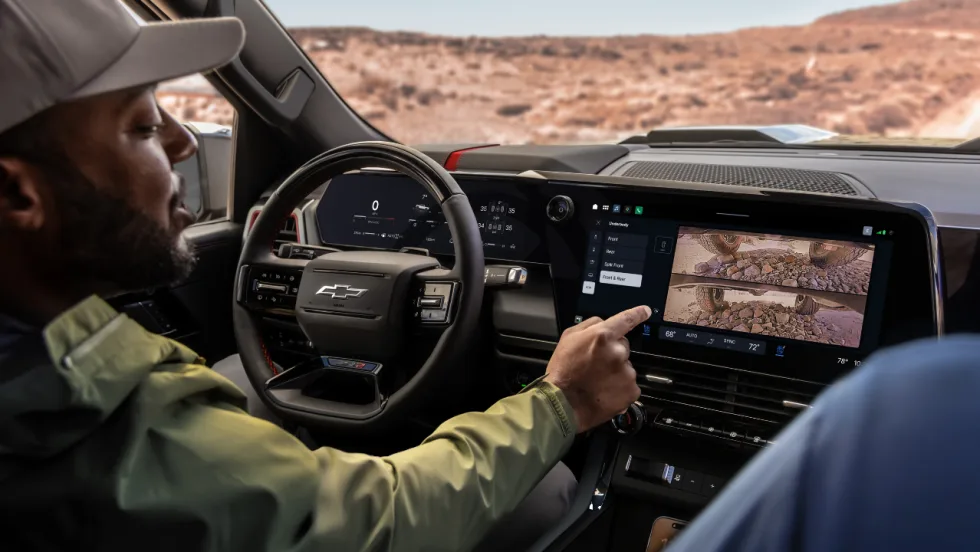
GM Brings New Truck Focused Interface to 2027 Silverado and Sierra
GM's new pickup interface puts trailering data, camera views, vehicle controls, and smartphone integration closer to the driver in the 2027 Silverado and Sierra.
Read More →
Samsara Driver Perks Expands Rewards Beyond the Long Haul Driver
Samsara’s new driver rewards program was built with a broader professional driver in mind, including employees who split their day between driving, job sites, service calls, and other work.
Read More →
AI Service Advisor Aims to Cut Fleet Repair Downtime
Fleetio said its AI Service Advisor can help fleets cut repair downtime by an average of 2.5 hours per repair while reducing manual maintenance work.
Read More →
Verra Mobility Launches AI-Driven Title & Registration Solution
Verra Mobility has launched a new AI-driven Title & Registration platform to help fleets move vehicles from acquisition to the road the same day while reducing compliance risk.
Read More →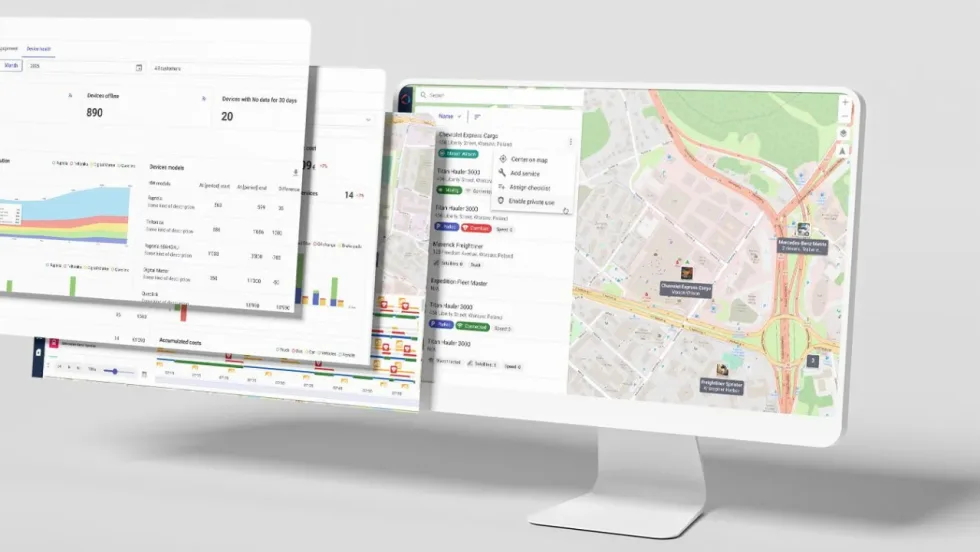
Wialon Unlocks OEM Data to Give Fleet Owners Data Ownership & Operational Clarity
Wialon has introduced hardware-free OEM integration as the EU Data Act accelerates the shift in vehicle data access across the fleet industry in many countries.
Read More →
Teletrac Navman Promotes New CEO from Within
Teletrac Navman’s next CEO, Ricardo Buranello, has served as the company’s chief financial and operating officer. He brings deep financial and operational expertise, a strong strategic orientation, and an intimate knowledge of the business to his new role.
Read More →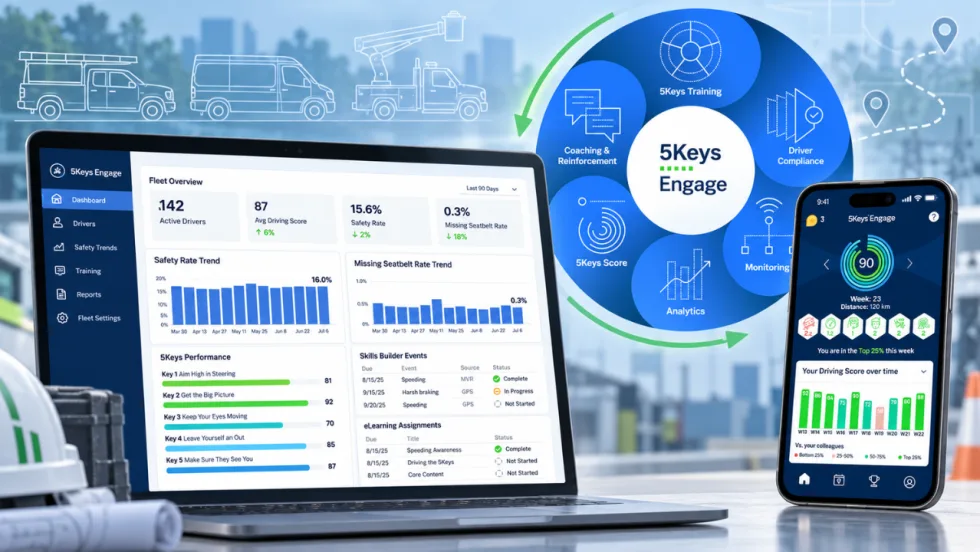
Smith System Wants Work Truck Fleets to Look Beyond the Driver Alert
Smith System’s new Driver Risk Management program is built to help mixed work truck fleets turn telematics alerts and observations into specific behaviors, coaching actions, and measurable follow-up.
Read More →