




Driver Shortages or Fleet Retention Problems? Let’s Talk Solutions
Is it a driver shortage or a retention problem? Either way, your trucks aren't moving without drivers. Let's talk about real-world solutions to keep your fleet rolling.

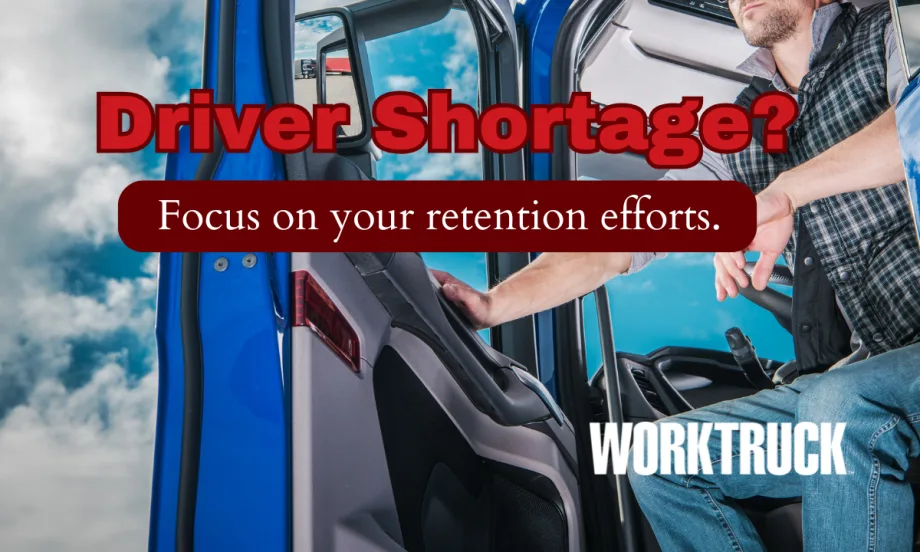
How can fleets contend with driver turnover and a shortage of qualified replacements? Simple. Focus on boosting your fleet's driver retention efforts.
Photo: Work Truck
The driver shortage has been a hot topic for years, and it doesn’t seem to be going away anytime soon. While the causes of the shortage are complex and vary from region to region, one thing is clear: fleet managers are feeling the impact. Trucks don’t move without drivers, and when you’re short on drivers, it hits your bottom line.
But let’s address the elephant in the room. There are strong opinions on whether we’re truly facing a driver shortage or if it’s more of a case of a shortage of good companies to work for. Some argue that we wouldn't have this conversation if pay, benefits, and working conditions improved. And you know what? There’s truth to both sides.
The reality is that while the industry debates the terminology, fleet managers still have trucks to move and deadlines to meet. Whether you call it a driver shortage or a retention issue, the challenge is the same: attracting and keeping skilled drivers in the seats.
So, how do we solve it? There’s no magic fix, but there are plenty of strategies to help fleets attract and retain drivers in today’s challenging labor market.
1. Rethink Your Recruiting Process
Ask yourself: How easily can a driver apply for a job with your company? If your process is clunky, outdated, or too long, you’ll likely lose potential hires before they even enter the door. Streamline your application process with mobile-friendly applications, quick response times, and clear job expectations.
Also, get creative with where you’re recruiting. Traditional job boards are great, but are you tapping into local communities, trade schools, or social media platforms? Building relationships with driving schools and offering referral bonuses to your current drivers can also help bring in new talent.
2. Consider Mentorship Programs for New Drivers
New drivers often leave the industry within their first year. Why? Because they don’t feel supported. Consider setting up a mentorship program that pairs new drivers with seasoned veterans. A mentor can offer guidance, answer questions, and help new drivers navigate the challenges of the job, making them more likely to stick around.
3. Offer Flexible Routes and Schedules
Not every driver wants to be on the road for weeks at a time. Offering more flexible routes or regional runs can help attract drivers who want more home time. With more drivers prioritizing work-life balance, fleets that adapt their schedules to meet those needs will have a competitive edge.
Look at your current route structures. Can you create more predictable schedules or shorter hauls? Sometimes, small adjustments can make a big difference in driver satisfaction.
4. Competitive Pay and Benefits
We can’t ignore the obvious, money matters. If your pay and benefits packages aren’t competitive, you will struggle to attract and keep drivers. But it’s not just about the paycheck. Health benefits, retirement plans, paid time off, and other perks play a huge role in a driver’s decision to stay.
Consider offering performance-based bonuses or incentives for things like safe driving, on-time deliveries, or fuel efficiency. Recognition goes a long way in showing drivers that their efforts are valued.
5. Driver Appreciation Programs
It’s not just about hiring drivers, it’s about keeping the ones you have happy. Driver appreciation doesn’t have to be complicated. It can be as simple as saying thank you, sending handwritten notes, or recognizing milestones like safe driving records.
Create a formal driver recognition program. Whether it’s a monthly award, safety bonuses, or yearly appreciation event, these efforts show your drivers that they matter. And when drivers feel valued, they’re more likely to stick around.
6. Invest in Driver Comfort and Safety
Think about the equipment your drivers are using. Are your trucks comfortable and safe? Investing in well-maintained, modern equipment shows your drivers that you care about their well-being.
Consider features like ergonomic seating, advanced safety systems, and even in-cab technology that makes life on the road easier. A comfortable driver is a happy driver, and a happy driver is more likely to stay with your company.
7. Promote Career Growth Opportunities
Driving doesn’t have to be a dead-end job. Show your drivers that there’s room to grow within your company. Whether through additional training, leadership opportunities, or transitioning into different roles (like fleet management or dispatch), promoting career growth can help retain drivers looking for long-term stability.
8. Address Work-Life Balance
Drivers are people, too. They have families, hobbies, and lives outside of their trucks. Offering solutions that improve work-life balance, such as flexible schedules, wellness programs, and mental health resources, can make your fleet stand out in a competitive market.
Think about it this way: If your drivers are happy and healthy, they will be more productive and stick around longer.
Let’s Keep the Conversation Going
We know the driver shortage isn’t going away overnight. But your fleet can weather the storm by focusing on creative solutions and prioritizing your drivers’ needs.
So, what have you tried that works? I want to hear from you! What strategies have helped you attract and retain drivers? Share your thoughts in the comments, or shoot me a message. Let’s tackle this challenge together.
Your drivers are your fleet’s most valuable asset. Let’s make sure they know it.
More Blog Posts

Can America Replace Canadian Truck Production Without Hurting U.S. Fleets?
U.S. tariffs are targeting Canadian truck production, but Ford and GM show why moving that manufacturing south isn’t so simple. After 60 years of building one North American supply chain, what could fleets lose by pulling it apart?
Read More →
The Fleet Skills We Keep Missing on Veterans’ Resumes
What if some of the strongest candidates are already out there, but we are overlooking them because their experience is written in a language our industry does not always recognize?
Read More →
Technicians Are Doing More Than Turning Wrenches
Technicians do far more than repair vehicles. Six professionals reveal the problem-solving, pressure, and pride behind keeping fleets moving.
Read More →
WWCD? What Would Coach Do?
A personal reflection on Ed "Coach" Bobit, the mentor who shaped my career, and why I still ask myself one question 12 years later: WWCD?
Read More →
What the Fleet Industry Still Gets Wrong About Talent
What can the fleet industry learn from the women helping shape its future? A look at talent, leadership, sponsorship, and why new perspectives drive progress.
Read More →
AI Isn’t Killing Content, but Lazy Expertise Is
Thought leadership loses value when AI does the thinking. Here’s why authentic industry voices still matter most.
Read More →
Do I Need a U.S. DOT Number?
Whether you operate a small fleet of light-, medium-, or heavy-duty units, or are merely the owner of one truck wanting to ensure you adhere to the law, knowing if you can need a U.S. DOT number can be confusing.
Read More →
Is Retirement in Fleet Now More Like ‘Rewiring’?
Fleet professionals rarely retire for good. They return as advisors, mentors, and consultants, keeping hard-won experience in the industry.
Read More →
What Does Visibility in Fleet Really Look Like?
Advocacy changes things. Visible trust changes things. Structure changes things. Access changes things. A willingness to share connections, rooms, and opportunities, and a belief in someone before it is convenient, changes things.
Read More →
Work Truck Week 2026 Shows an Industry Focused on Practical Progress
Taken together, these themes show an industry that is not chasing a single technological solution. Instead, it is building a broader toolkit designed to support the diverse and demanding jobs fleets perform every day.
Read More →