




The Fleet World Hit the Reset Button in 2025
Discover how 2025 forced work truck fleets to reset costs, data, uptime, safety, energy and workforce strategies for a stronger 2026.
December 1, 2025


Work Truck fleets hit the reset button in 2025 this year, looking at costs, data, uptime, safety, energy and workforce strategies for a stronger 2026.
Photo: Work Truck
3 min to read
If you spent any time around work trucks in 2025, you already know the feeling. It was the year the fleet world collectively looked around, shrugged, and said, “Alright, time to hit reset.”
Everything from budgets to replacement cycles to safety programs got a reality check. And honestly, it wasn’t all bad. It forced everyone to get clearer, smarter, and way more intentional about how they run their operations.
How Did 2025 Treat YOU?
Take a moment and let us know how YOU feel about 2025 by clicking on the poll below. We'd love to know how his year treated you. Results will be shared in a future editorial.
Costs Took Center Stage
Costs were front and center. Not in a mild “let’s keep an eye on that” way, but in a “let’s follow every dollar like it’s about to run away” kind of way. Fuel, maintenance, downtime, fraud risk, insurance, upfits, tariffs… if it could impact the bottom line, it did. Fleet managers had to talk cost control in a whole new language, and leadership finally started listening.
At the same time, uptime quietly became the star of the show. It didn’t matter whether you ran ten trucks or ten thousand. If a vehicle was out of service, the ripple effects were felt everywhere. Shops that could keep trucks rolling were gold. Telematics and diagnostics weren’t “nice to have” tools anymore. They became the heartbeat of daily operations.
Electrification also shifted gears. Instead of chasing hype or forcing pilots, fleets stepped back and started planning in a more grounded way. They asked the right questions this time. Where will we charge? Who will manage it? What does a realistic range look like? How do we make this practical instead of painful? EVs didn’t disappear. They just grew up a bit.
And while all of that was happening, the pressure was on. Tariffs shook up pricing. Supply chains still weren’t fully stable. Small vans were practically a treasure hunt. Skilled technicians were harder to come by. Fraud evolved faster than most fleets wanted to admit. And tech moved forward at a speed that made even the most organized managers feel like they were sprinting to keep up.
Fleets Didn’t Break, They Got Better
But here’s the good part. Even with all the chaos, fleet leaders didn’t fold. They adapted and rebuilt. They rethought long-standing processes and finally got strategic about the things that used to hang out at the bottom of the to-do list. They leaned into data and planning. They leaned into tools that helped them work smarter, not harder.
The result? A fleet landscape that looks different heading into 2026. Stronger. More resilient. Way more forward-thinking. And more grounded in real results, not industry noise.
This series digs into the biggest lessons and the most meaningful trends from 2025, packed with real insights from fleet leaders, suppliers, and experts across the work truck industry.
If you’re trying to figure out what mattered, what moved the needle, and what deserves your attention in the year ahead, you’re in the right place.
Let’s get into it. Check out the full series today!
How Rising Costs Reshaped Work Truck Fleets in 2025 [Part 1]
Data Became the Backbone of Fleet Decisions in 2025 [Part 2]
Safety, Security, and Risk Became Non-Negotiable in 2025 [Part 4]
Energy Strategies Shifted as Fleets Rebalanced Their Options in 2025 [Part 5]
Workforce Pressures Pushed Fleets To Rethink Talent, Training, and Support in 2025 [Part 6]
Vehicle Availability and Market Shifts Shaped Fleet Decisions in 2025 [Part 7]
Subscribe to Our Newsletter
More Blog Posts

Can America Replace Canadian Truck Production Without Hurting U.S. Fleets?
U.S. tariffs are targeting Canadian truck production, but Ford and GM show why moving that manufacturing south isn’t so simple. After 60 years of building one North American supply chain, what could fleets lose by pulling it apart?
Read More →
The Fleet Skills We Keep Missing on Veterans’ Resumes
What if some of the strongest candidates are already out there, but we are overlooking them because their experience is written in a language our industry does not always recognize?
Read More →
Technicians Are Doing More Than Turning Wrenches
Technicians do far more than repair vehicles. Six professionals reveal the problem-solving, pressure, and pride behind keeping fleets moving.
Read More →
WWCD? What Would Coach Do?
A personal reflection on Ed "Coach" Bobit, the mentor who shaped my career, and why I still ask myself one question 12 years later: WWCD?
Read More →
What the Fleet Industry Still Gets Wrong About Talent
What can the fleet industry learn from the women helping shape its future? A look at talent, leadership, sponsorship, and why new perspectives drive progress.
Read More →
AI Isn’t Killing Content, but Lazy Expertise Is
Thought leadership loses value when AI does the thinking. Here’s why authentic industry voices still matter most.
Read More →
Do I Need a U.S. DOT Number?
Whether you operate a small fleet of light-, medium-, or heavy-duty units, or are merely the owner of one truck wanting to ensure you adhere to the law, knowing if you can need a U.S. DOT number can be confusing.
Read More →
Is Retirement in Fleet Now More Like ‘Rewiring’?
Fleet professionals rarely retire for good. They return as advisors, mentors, and consultants, keeping hard-won experience in the industry.
Read More →
What Does Visibility in Fleet Really Look Like?
Advocacy changes things. Visible trust changes things. Structure changes things. Access changes things. A willingness to share connections, rooms, and opportunities, and a belief in someone before it is convenient, changes things.
Read More →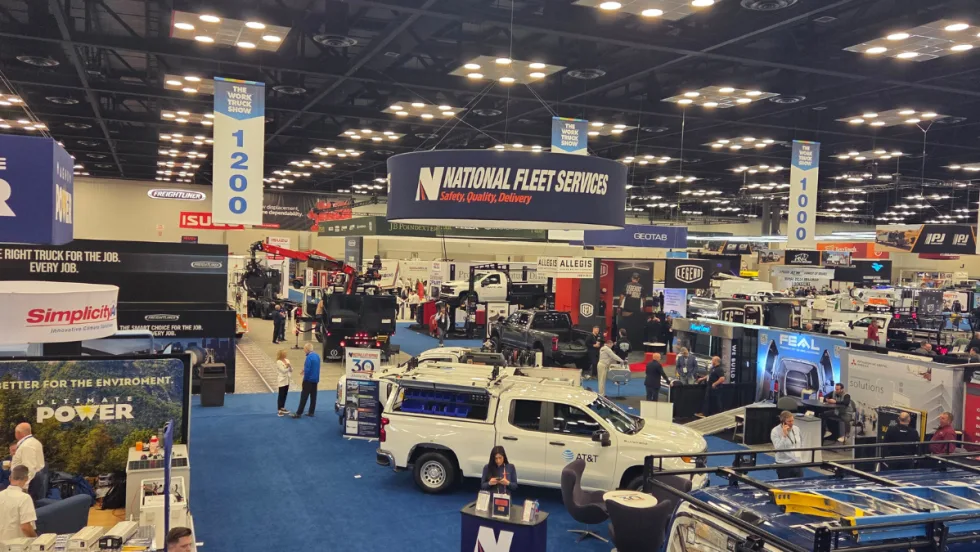
Work Truck Week 2026 Shows an Industry Focused on Practical Progress
Taken together, these themes show an industry that is not chasing a single technological solution. Instead, it is building a broader toolkit designed to support the diverse and demanding jobs fleets perform every day.
Read More →