Building Better Fleet Leaders: Strategies to Retain and Develop Strong Management
Fleet leadership matters. Learn why retaining and developing strong managers is key to reducing turnover, boosting morale, and driving long-term fleet success.
by Josh Turley, RTA: The Fleet Success Company
June 26, 2025
Strong fleet operations start with strong leadership. A fleet manager’s role is more than just trucks and tech—it’s about motivating people, making strategic decisions, and keeping the whole operation on course.
Photo: Work Truck
4 min to read
The commercial fleet industry spends a lot of time worrying about driver and technician retention, but what about the people leading them? Leadership retention is a critical yet often overlooked factor in fleet success.
Ad Loading...
Many fleet managers are promoted from technical roles without formal leadership training. While they may know trucks inside and out, managing a team is a different challenge. The result? High turnover, low morale, and operational instability.
Ad Loading...
Studies show that 50% of employees leave jobs due to management issues. Fleets simply cannot afford to ignore leadership development. Without strong, stable leadership, operations suffer, leading to:
Inefficient decision-making that affects fleet availability, maintenance schedules, and budgeting.
Higher turnover across all levels—not just at the top.
Increased costs from constant recruitment and training.
The Unique Leadership Challenges in Commercial Fleets
Fleets are more than just trucks: they’re teams.
Managing a fleet isn’t just about tracking assets, it’s about leading people. Fleet managers oversee diverse roles, from technicians to procurement specialists and logistics coordinators. Poor leadership can result in disengaged teams, costly mistakes, and operational breakdowns.
The challenge is that many fleet managers step into leadership roles with little to no formal training. They’re expected to balance technical expertise with strategic decision-making, but they struggle to keep teams motivated and operations running smoothly without proper support.
Ad Loading...
The Cost of Leadership Turnover in Fleet Management
Replacing any team member is expensive and disruptive. Replacing a fleet manager is magnitudes harder. Hiring, onboarding, and ramp-up time can take months, costing thousands of dollars. More importantly, leadership turnover leads to:
Losing institutional knowledge affects fleet policies, maintenance practices, and compliance.
Delayed decision-making that impacts fleet efficiency.
Increased costs from inefficiencies and frequent re-hiring.
Leadership stability is key to keeping fleets running efficiently, and investing in retention can help avoid these costly disruptions.
Why Leadership Training is Often Overlooked
Fleet management is a unique industry. Unlike other operational roles, there’s no clear path to becoming a manager. Most fleet leaders start as technicians, drivers, or shop supervisors, people who know vehicles inside and out but often lack formal leadership training.
Many fleet managers are promoted because they excel at the technical side of the job. They’re great at solving mechanical issues, maintaining schedules, and keeping trucks running. However, leadership requires different skills: managing people, handling budgets, strategic thinking, and communicating effectively with upper management.
Ad Loading...
Companies often assume that good technicians will naturally become good managers, but that’s not always the case. As a result, new managers are frequently left to figure it out independently. They may feel overwhelmed without mentorship or formal training, leading to frustration and burnout.
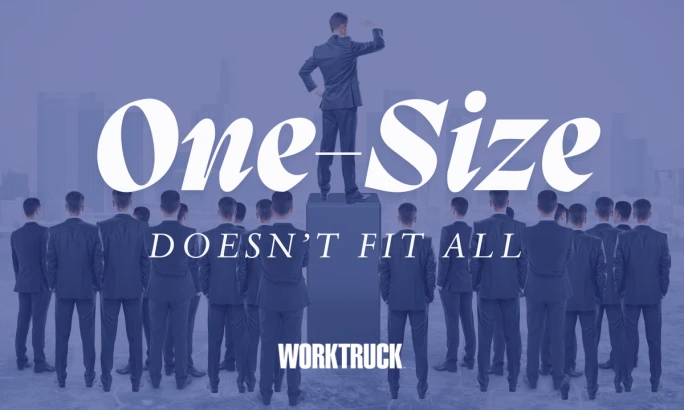
Not all managers need the same playbook. Fleet leadership calls for tailored training, not cookie-cutter courses. What works in the boardroom won’t always fly in the maintenance bay.
Photo: Work Truck
Strategies to Strengthen Leadership Retention in Fleets
One-size-fits-all leadership training doesn’t work in fleet management. Fleets need training programs tailored to their unique challenges, covering:
Personnel management: Conflict resolution, employee engagement, and retention strategies.
Strategic planning: Budgeting, cost control, and asset management.
Regulatory compliance: Staying ahead of industry policies and government mandates.
Encouraging fleet managers to earn leadership certifications can further support their professional growth and effectiveness. Fleet managers often learn more from each other than from formal training sessions. That’s why mentorship and peer networking are critical. Fleets should:
Establish peer mentoring programs where experienced leaders guide new managers.
Encourage participation in industry associations like NAFA, APWA, or regional fleet groups to share best practices and insights.
Identify high-potential employees and offer structured leadership development.
Provide cross-training so employees can step into leadership roles when needed.
Document key fleet policies, budgeting processes, and operational best practices to preserve institutional knowledge.
Improve Work-Life Balance & Leadership Support
Fleet managers often face high-pressure demands, leading to burnout and early exits. To make management roles more attractive and sustainable, fleets should:
Offer leadership coaching and clear career progression paths.
Provide resources that help managers balance workload and reduce burnout.
Fleet leaders are people, too. High-pressure roles without support lead to burnout and turnover. When managers are overwhelmed, the whole fleet feels it.
Photo: Work Truck
The Bottom Line: Investing in Leadership is Investing in Fleet Success
The fleet industry needs to take leadership retention seriously. We can’t just focus on keeping drivers and technicians on board while neglecting the people who manage them. Fleets can build a stronger, more resilient management pipeline by prioritizing leadership training, mentorship, and retention strategies.
Ad Loading...
It’s time to stop thinking of fleet leadership as just another role. It’s a strategic asset that impacts every aspect of the operation. Investing in strong, stable leadership isn’t just good for the manager, it’s essential for the entire fleet’s success. Now is the time to focus on leadership retention before the next wave of retirements leaves fleets struggling to fill the gap.
About the Author: Josh Turley is CEO of RTA: The Fleet Success Company. This article was authored and edited according to Work Truck editorial standards and style. Opinions expressed may not reflect that of WT.
Buying fleet management software in 2027 means looking beyond features and price. As fleet operations, technology and expectations evolve, this guide explores what today’s fleet professionals should consider when choosing a system that can deliver value now and adapt to what comes next.
Tina Kourakos never planned on a career in fleet. More than 30 years later, she says curiosity, strong relationships, and a willingness to keep learning helped turn an unexpected assignment into a career spanning fleet management and OEM leadership.
From chicken lights to diesel engines and trucking history, test your knowledge with 19 questions from the 2026 Work Truck Exchange and Heavy Duty Trucking Exchange.
Shades of Fleet video thumbnail featuring Lauren Fletcher beside the text “The People Behind the Process, Keeping Fleets Moving,” with fleet vehicles and logistics imagery in the background.
Work Truck is seeking insights from fleet leaders and industry partners on the trends that shaped 2026 and what commercial fleets should prepare for in 2027. Participate today!
Preventing cargo theft requires investment in technology, operational processes, and employee training. In an industry with tight margins, it can be difficult to justify investments whose value is measured by incidents that might never occur.
Geofencing is a familiar fleet tool today, but its early adoption marked a major shift in vehicle tracking, route monitoring, and the debate over employee privacy.
Truckers’ strike rumors, GM’s new 2027 engines, hidden idling costs, racing lessons, IRP rules, and more headline this week’s Truck Chat Weekly Cheat Sheet.
Fleet leaders, we want to hear from you. Share how empathy, trust, and creating space for people can strengthen your team, improve performance, and support retention.
Race car driver and mechanical engineer Isaac Johnson shares practical lessons on preparation, relationships, setbacks, and building teams that perform when it counts.