





Keep Watching: Legend of Fleet Video Series
What One 40-Year Fleet Career Can Teach You Today
What can a 40-year fleet career teach you today Learn practical lessons on leadership, drivers, and decision-making from Carl Nelson’s experience
May 12, 2026
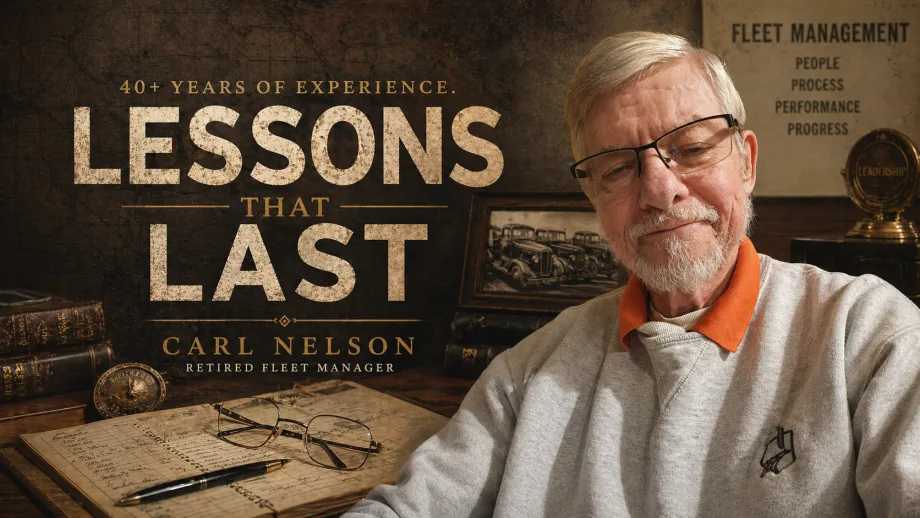
One of the more interesting perspectives Nelson shared is his view of the fleet industry as a whole. In his experience, it’s one of the few professional spaces where people are genuinely willing to help each other succeed.
Credit:
Work Truck | Carl Nelson | OpenAI (Background)
7 min to read
- Insights into effective leadership and management can be drawn from Carl Nelson's four decades in the fleet industry.
- Carl Nelson's career highlights the importance of understanding and meeting the needs of drivers to improve operations.
- Decision-making strategies developed over Carl Nelson's extensive career offer valuable guidance for navigating complex industry challenges.
*Summarized by AI
There’s something refreshing about talking to someone who’s spent more than four decades in fleet and still keeps things simple. No buzzwords, overcomplicating, or pretending the path was perfectly planned. Because it wasn’t.
Carl Nelson will be the first to tell you that in the latest episode of Fleet Legends, sponsored by LEGEND.
Like most people in this industry, he didn’t grow up thinking, one day, I’ll manage a fleet. In fact, he puts it even more plainly. “I’ve never known anybody who wanted to grow up to be a fleet manager,” he said, laughing a bit at the reality of it.
And yet, here he is. A career spanning more than 40 years, working with fleets like AT&T and AmeriGas, and leaving behind a legacy built on steady leadership, practical thinking, and a willingness to learn as he went.
If there’s a takeaway right out of the gate, it’s this. You don’t need a perfectly mapped-out plan to build a meaningful career in fleet. You just need to be willing to step in, figure things out, and keep going.
Not Falling Into Fleet. Sliding Into It Sideways
We’ve all heard the phrase “falling into fleet,” and it usually comes with a shrug and a story. Nelson's version is a little more memorable.
“I kind of slid into fleet sideways,” he said.
At the time, he was already using a company vehicle when his organization started looking more closely at cost savings and operational efficiencies. Fleet became part of that conversation. His boss asked if he wanted to get involved. He said yes.
That was it. No formal training program. No deep technical background. Just an opportunity and the curiosity to take it.
What made the transition easier, he said, was that he wasn’t dropped into it alone. “I was able to work with a diverse group of very knowledgeable, hardworking people,” he explained. Instead of having everything dumped on him at once, he had the space to learn, ask questions, and build his understanding over time.
It’s a reminder that how you enter fleet matters less than how you approach it once you’re in.
The Changes That Mattered Most Weren’t Always Flashy
When you talk to someone who’s been in the industry that long, it’s natural to expect a highlight reel of major shifts. And yes, there have been plenty. But when asked what really changed the game, Nelson doesn’t jump to the latest trends or technologies. He goes back to something more foundational.
“The biggest thing for me is when computerization finally came into fleet,” he added.
It’s easy to overlook now, but that shift from manual processes to digital systems reshaped everything. Tracking data became easier. Decision-making became faster. Accuracy improved. And for someone like Nelson, it opened the door to building better tools.
“I was even able to write a couple of programs that made fleet management considerably easier for us,” he said.
That detail said a lot. Not because everyone needs to go out and build their own software, but because it highlights a mindset that still applies today. Fleets evolve, technology changes, and tools get better.
But the real value comes from people who are willing to ask, how can this make my job easier and my fleet better?
A Simple Philosophy That Actually Holds Up
Over the course of his career, Nelson developed a framework he kept coming back to. Not something overly polished or packaged, just a way to stay grounded in the day-to-day work:
- Research
- Observe
- Listen
- Educate
- Respect
He referred to it as “ROLER,” even if the acronym came together more by accident than design. “If you keep all those qualities in mind, I think it makes the job considerably easier,” he said.
And while it might sound straightforward, it covers a lot of ground. Doing the research before making decisions. Paying attention to what’s actually happening in your fleet. Listening to the people who are closest to the work. Staying open to learning. And treating people with respect, no matter their role.
It’s not complicated. But it’s consistent. And in fleet, that goes a long way.
The Part No One Talks About Enough
There’s another piece of Nelson's experience that feels especially honest. If he could go back and give himself advice early in his career, it wouldn’t be about technology or operations. It would be about navigating people.
“I wish I knew how to play politics,” he admitted.
It’s not something he ever really embraced. He described himself as someone who tends to say things as they are, without trying to soften the edges or manage perceptions too carefully.
“And it made the job considerably difficult at times,” he said.
But there’s a flip side to that. That same approach also built credibility. People knew where he stood; there was no guessing. Paired with that is another mindset he emphasizes, especially for newer fleet managers: Don’t be afraid to say you don’t know something.
“Do your research and not be afraid to say, ‘I don’t know,’ and go find the answer,” he said.
In an industry that touches so many moving parts, from vehicles to vendors to drivers to leadership, it’s unrealistic to expect anyone to have all the answers upfront. The difference is in how you respond when you don’t.
Fleet Works Best When People Actually Work Together
One of the more interesting perspectives Nelson shared is his view of the fleet industry as a whole. In his experience, it’s one of the few professional spaces where people are genuinely willing to help each other succeed.
“This is the only position I’ve ever had in my life where there was no competition,” he said. “People were willing to help.”
That doesn’t mean there aren’t challenges or differences in approach, but there’s a strong culture of sharing knowledge. Lessons learned, mistakes made, and things that worked and things that didn’t.
“I never met a single person who didn’t welcome being able to share their knowledge,” he added.
That kind of environment changes how you grow in the role. It means you don’t have to figure everything out on your own. It means the network matters. And it means asking questions is not just accepted, it’s expected.
If You’re Not Listening to Drivers, You’re Missing Something
Throughout the conversation, Nelson kept coming back to one group in particular: Drivers.
“By paying attention and listening to the drivers, you’re going to know their job a whole lot better than you are,” he said.
It’s a simple point, but an important one. The people who use the vehicles every day have insights that can’t be captured in a report or spreadsheet. They know what works in real conditions. They know what slows them down. They know where improvements can be made.
And when fleet managers take that seriously, the results follow. Better vehicle specs, smarter decisions, and more practical solutions. There’s also a leadership angle here. When drivers contribute ideas that get implemented, recognizing that contribution matters.
“Make sure that driver got the credit for it,” Nelson said. It’s a small thing that can have a big impact on engagement and trust.
You Don’t Need a Big Team to Make a Difference
Nelson spent much of his career operating with limited resources. At times, he describes himself as essentially a team of one. Which meant learning how to prioritize, stay organized, and keep things moving forward without a lot of extra support.
“I had to learn how to deal with people, and I had to pay close attention, take a lot of notes,” he added.
It wasn’t always easy, but it was effective. What kept him motivated wasn’t just hitting budget targets or improving processes. It was seeing the results of the work play out in real time.
“Every day was a day that I looked forward to going to work and being able to make a difference,” he said.
That difference showed up in safer vehicles, better policies, and more efficient operations. Not flashy wins, but meaningful ones.
So What Actually Sticks From All of This?
If you step back from the details, Nelson's perspective comes into focus pretty clearly. Fleet is complex, but the fundamentals aren’t:
- Do the research.
- Listen to the people around you.
- Use the resources available to you.
- Stay open to learning.
- Treat people with respect.
And maybe most importantly, don’t expect to have it all figured out from day one. Because almost no one does. What matters is how you approach the work, how you learn along the way, and how you contribute to the bigger picture. And if you stick with it long enough, you might just end up being one of the people others learn from next.
Quick Answers
Carl Nelson's experience emphasizes the importance of fostering open communication, empowering team members, and leading by example to achieve long-term success and employee satisfaction.
*Summarized by AI
Subscribe to Our Newsletter
More Operations
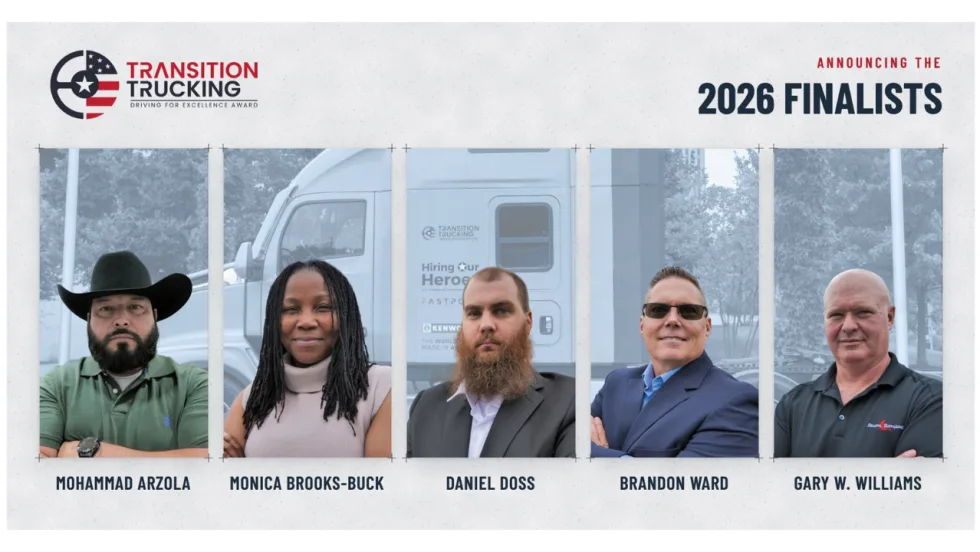
Finalists Announced for 2026 Transition Trucking: Driving for Excellence Award
Kenworth Truck Company, Fastport, and the U.S. Chamber of Commerce Foundation's Hiring Our Heroes program have announced the five finalists for the 2026 Transition Trucking: Driving for Excellence Award.
Read More →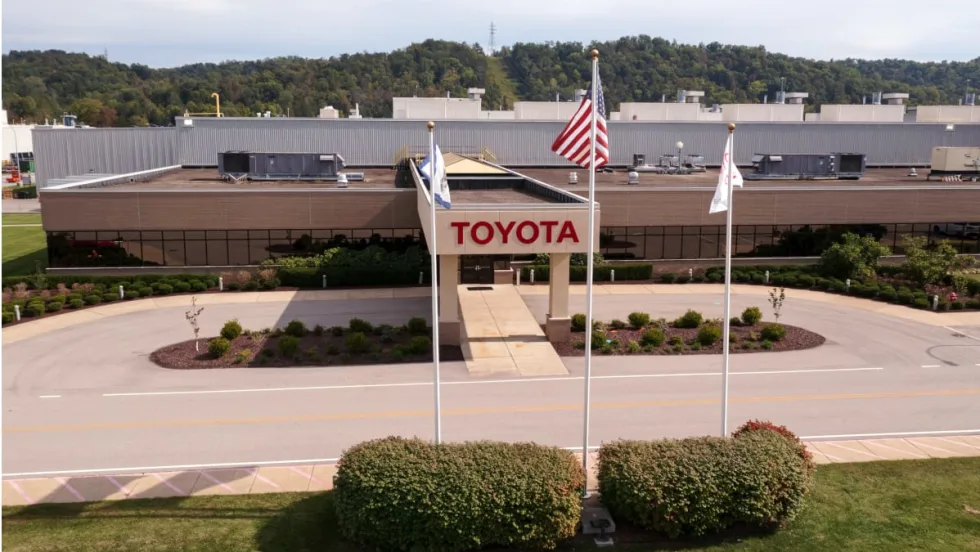
Toyota West Virginia Celebrates Three Decades of Manufacturing in the Mountain State
Toyota West Virginia celebrated 30 years of manufacturing. Toyota assembles both engines and drivetrain components in West Virginia to support its North American operations.
Read More →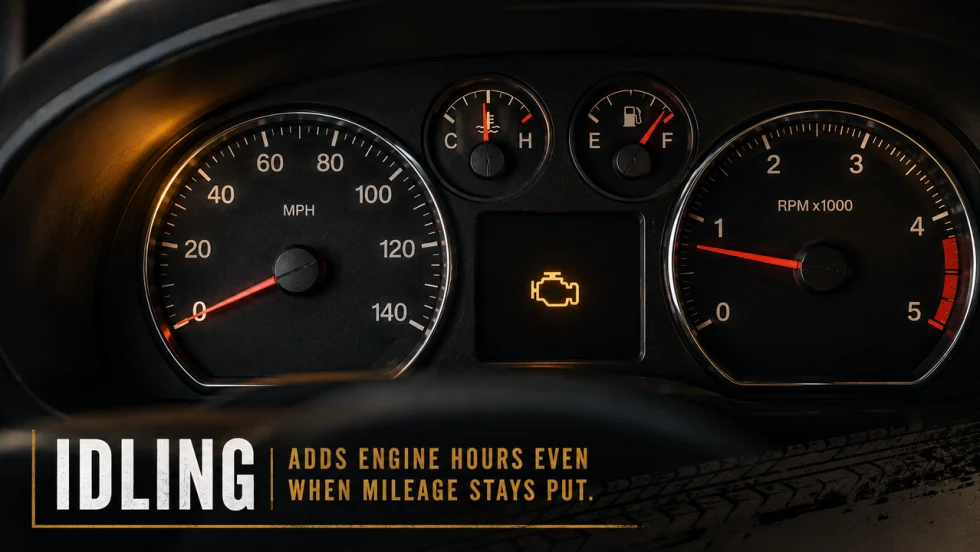
The Hidden Cost of Idling
A low-mileage truck can still be one of the fleet’s hardest-working and most worn assets. Engine hours, idle time, and duty cycle reveal what the odometer misses.
Read More →From Our Partners
Basic Tracking vs Next Generation Fleet Technology
Sponsored by AT&T Business

5 Facts Every Fleet Manager Should Know About Embedded Telematics
Sponsored by Stellantis/Mobilisights
How AI Video Telematics Boosts Driver Safety and Helps to Avoid Unnecessary Costs
Sponsored by Verizon Connect

Charting the 8 Bottom-Line Benefits of Workforce Optimization
Sponsored by Verizon Connect

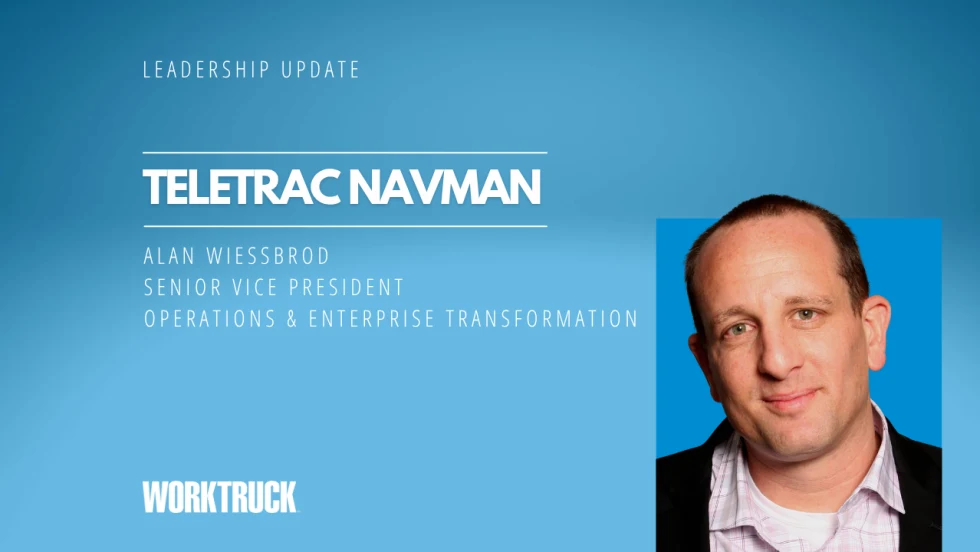
Teletrac Navman Hires SVP of Operations & Enterprise Transformation
Teletrac Navman has appointed Alan Wiessbrod to its senior leadership team as senior vice president, operations and enterprise transformation. The company said he has a strong track record of delivering profitable growth and operational excellence.
Read More →
2027 GM Trucks, Technician Retention, and Fleet Lessons Lead This Week’s News
New GM pickups, technician retention, fleet leadership lessons, winter equipment, and more headline this week’s Truck Chat Weekly Cheat Sheet.
Read More →
Family Ties Inside the Fleet Families Building Careers Across Generations
Three fleet families share what it really takes to work together, learn across generations, and keep business from following them home.
Read More →
Shades of Fleet Call for Voices: Fleet's Hidden Heroes
Fleet’s hidden heroes are often the ones keeping everything moving behind the scenes. September’s Shades of Fleet is looking for dispatchers, coordinators, parts specialists, and other support pros to share their stories.
Read More →
Truck Centers, Inc. Celebrates National Truck Driver Appreciation Week with $1,000 Fuel Card Giveaways
During National Truck Driver Appreciation Week, Truck Centers, Inc. is offering customers a chance to fuel up for free. Customers at all Truck Centers locations can enter to win one of four $1,000 fuel cards from Sept. 14 - 18.
Read More →
Fleet Guides, AI Time-Savers, Truck Tariffs & Fuel Strategy Lead the News
This week’s Truck Chat Cheat Sheet covers new fleet vehicle guides, practical AI use cases, U.S.-Canada truck production, mixed-energy strategy, and more.
Read More →
What Fleet Employers Are Missing When Hiring Veterans
What if some of the strongest candidates for fleet are already out there, but their experience is written in a language our industry does not always recognize?
Read More →