




Change Isn’t the Enemy, It’s the Upgrade We Keep Ignoring
Change doesn’t have to be scary. Learn how small shifts can make your fleet stronger, smarter, and more adaptable in the new year.


Sometimes change feels like a red flag, but the fleets that thrive are the ones that lean in, adapt, and give it a real chance.
Photo: Work Truck
You know that moment when someone suggests a new idea? Maybe it’s a process update, new tool, or smarter way to handle maintenance schedules, and the first thing out of someone’s mouth is: “Well, we’ve always done it that way.”
Cue the collective sigh.
If there’s a phrase that can stall progress faster than a truck stuck in a snowbank, that’s the one. And as we roll toward the end of another year, it might be time to finally retire it for good.
Because here’s the truth: change isn’t the enemy. It’s the thing that keeps us (and our fleets) alive, adaptable, and ready for whatever 2025 throws at us.
Why We Fight Change (and Why That’s Normal)
Let’s be honest: Humans like routine. In fleet, routine keeps us safe, compliant, and predictable. There’s a reason checklists exist, right? We thrive on knowing what comes next.
But here’s the catch: sometimes the “right way” stops being the best. Technology evolves. Regulations shift. Driver expectations change. And suddenly, the method that worked perfectly fine five years ago just isn’t cutting it anymore.
It’s normal to resist that shift. Nobody wakes up thrilled about learning a new telematics dashboard and retraining drivers or switching maintenance vendors mid-contract. Change feels risky. What if it slows things down? What if it fails? What if everyone hates it?
Totally valid fears. But resisting change entirely guarantees one thing: you’ll fall behind.
How to Cope with Change Without Losing Your Mind
The good news? You don’t have to overhaul your whole fleet overnight. You just have to start intentionally and with a little patience.
Here’s what can work for just about anyone managing change in or out of the fleet world:
Start small, but start. Pilot one new process before you roll it out company-wide. Maybe it’s a new preventive maintenance tracker or a driver safety app. Test, tweak, repeat.
Get your team’s fingerprints on it. People support what they help build. Whether it’s a new routing program or policy update, involve your drivers and technicians early. They’ll catch details leadership might miss, and they’ll be more likely to buy in when the change sticks.
Communicate like it’s your job (because it is). The fastest way to tank any change is poor communication. Be transparent. Explain the “why” as much as the “how.” And when something doesn’t go as planned, own it, then fix it.
Treat mistakes as experiments. Not everything will land perfectly on the first try. That’s okay. Each hiccup is data. Each mistake is a chance to learn something new. Learn from it, pivot, and keep moving.
Keep what works. Change doesn’t mean burning it all down. The best leaders know how to evolve without erasing the systems and traditions that still serve them well. Stability builds trust.
How This Plays Out in Fleet Life
Here’s the thing: Change in fleet management often looks less like revolution and more like evolution. Switching from spreadsheets to telematics isn’t just about fancy software; it’s about empowering teams to see patterns faster. Moving from gas to hybrid or EVs isn’t just about going green; it’s about future-proofing your operations. Updating your safety policies isn’t bureaucracy; it’s leadership in motion.
If we frame every adjustment as a threat, we’ll miss out on the growth that comes with it. But if we see it as an opportunity to make tomorrow a little easier than yesterday? That’s progress.
I’ve been there, too. I've been skeptical about new platforms or processes that seemed like more hassle than help. But time and again, those changes ended up being the very things that made my life simpler in the long run. Sometimes you just have to push through the awkward middle part to get to the payoff. Now I'm the one bringing the new ideas to the table.
Let’s Make 2026 the Year We Try Something New
Fleet work is built on grit, patience, and adaptability. Every major improvement in this industry started with someone brave enough to say, “What if we tried this instead?”
So as you plan for the new year, pick one thing to do differently, big or small. Maybe it’s a process update. Maybe it’s revisiting how you train new drivers. Maybe it’s finally trying that tech tool that’s been sitting in your inbox for months.
Whatever it is, take the leap. The fleet world doesn’t stand still, and neither should we. Because the truth is, we’ve always done it that way isn’t a badge of honor. It’s a roadblock. And I think we’ve all got better places to be.
Here’s to a year of testing, learning, and evolving one smarter move at a time.
Let's connect! Email me, let's chat!
Lauren.Fletcher@bobit.com
More Blog Posts

Can America Replace Canadian Truck Production Without Hurting U.S. Fleets?
U.S. tariffs are targeting Canadian truck production, but Ford and GM show why moving that manufacturing south isn’t so simple. After 60 years of building one North American supply chain, what could fleets lose by pulling it apart?
Read More →
The Fleet Skills We Keep Missing on Veterans’ Resumes
What if some of the strongest candidates are already out there, but we are overlooking them because their experience is written in a language our industry does not always recognize?
Read More →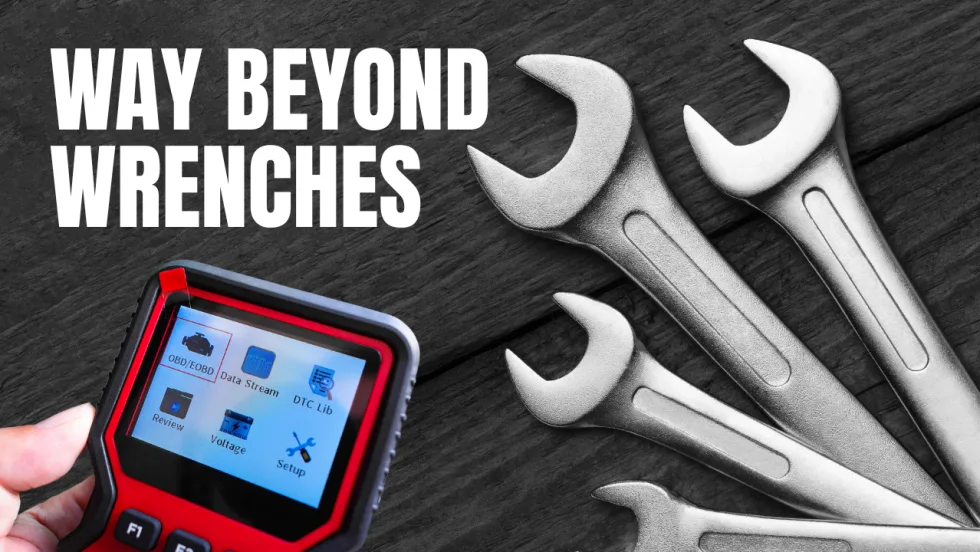
Technicians Are Doing More Than Turning Wrenches
Technicians do far more than repair vehicles. Six professionals reveal the problem-solving, pressure, and pride behind keeping fleets moving.
Read More →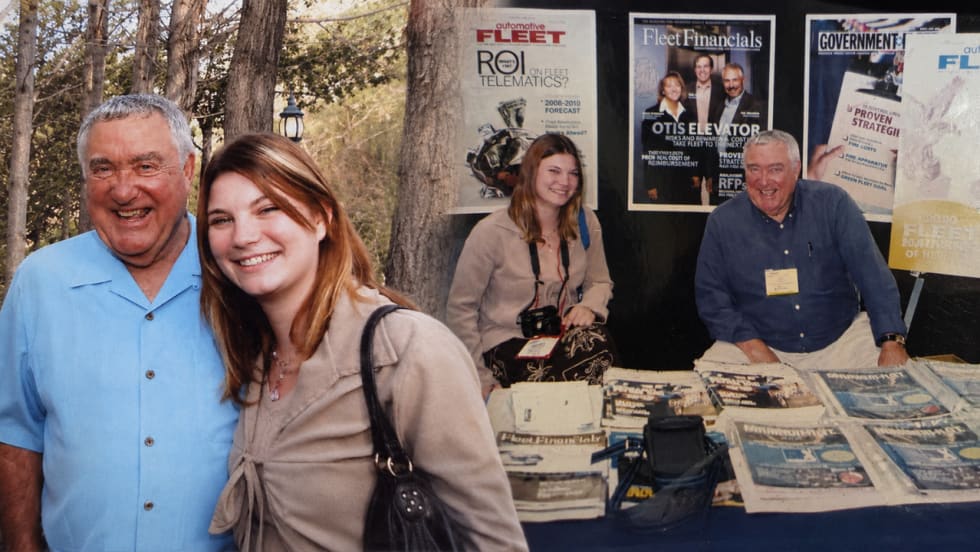
WWCD? What Would Coach Do?
A personal reflection on Ed "Coach" Bobit, the mentor who shaped my career, and why I still ask myself one question 12 years later: WWCD?
Read More →
What the Fleet Industry Still Gets Wrong About Talent
What can the fleet industry learn from the women helping shape its future? A look at talent, leadership, sponsorship, and why new perspectives drive progress.
Read More →
AI Isn’t Killing Content, but Lazy Expertise Is
Thought leadership loses value when AI does the thinking. Here’s why authentic industry voices still matter most.
Read More →
Do I Need a U.S. DOT Number?
Whether you operate a small fleet of light-, medium-, or heavy-duty units, or are merely the owner of one truck wanting to ensure you adhere to the law, knowing if you can need a U.S. DOT number can be confusing.
Read More →
Is Retirement in Fleet Now More Like ‘Rewiring’?
Fleet professionals rarely retire for good. They return as advisors, mentors, and consultants, keeping hard-won experience in the industry.
Read More →
What Does Visibility in Fleet Really Look Like?
Advocacy changes things. Visible trust changes things. Structure changes things. Access changes things. A willingness to share connections, rooms, and opportunities, and a belief in someone before it is convenient, changes things.
Read More →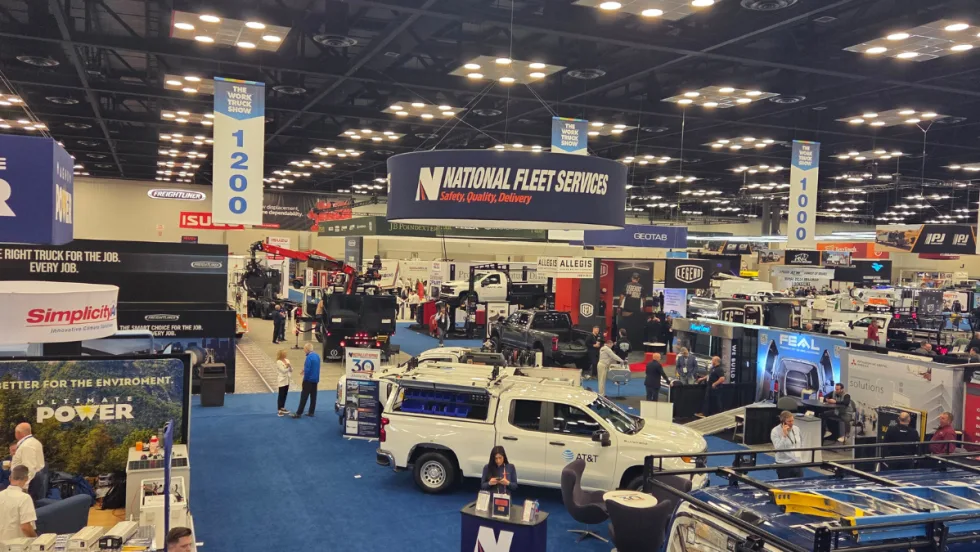
Work Truck Week 2026 Shows an Industry Focused on Practical Progress
Taken together, these themes show an industry that is not chasing a single technological solution. Instead, it is building a broader toolkit designed to support the diverse and demanding jobs fleets perform every day.
Read More →