





Keep Reading: Safeguarding Your Fleet from Holiday Theft
A Fourth of July Cargo Theft Reality Check for Fleet Managers
The Fourth of July creates prime conditions for cargo theft. Here's what fleet managers should review now to protect loads, drivers and operations.
June 23, 2026

Cargo thieves often take advantage of long holiday weekends when loads sit unattended and businesses operate with reduced staffing. Fleet managers are encouraged to review cargo security plans, tracking technology and driver communication procedures before the Fourth of July holiday.
Credit:
Work Truck
4 min to read
- Fleet managers should assess current security measures to deter potential cargo theft during the Fourth of July.
- The holiday period increases risk factors due to decreased personnel and heightened criminal activity.
- Reviewing and reinforcing driver safety protocols is crucial for maintaining secure operations.
*Summarized by AI
For many fleet managers, the days leading up to the Fourth of July are filled with route planning, driver scheduling, and making sure equipment is ready for the holiday rush. But while fleets are preparing for a long weekend, cargo thieves may be doing the same.
Extended holiday weekends create a perfect storm of opportunity. Loads sit longer, facilities close, staffing levels drop, and oversight becomes more limited. According to Ryan Kiefer, director of Travelers' Special Investigations Group, those conditions are exactly what organized theft rings are counting on.
"Long holiday weekends create ideal conditions for cargo thieves," Kiefer said. "Shipments are often left unattended for extended periods, sometimes 72 hours or more, while law enforcement resources are stretched thin and businesses are operating with reduced staff."
The result is a larger window of opportunity for criminals to identify, monitor, and ultimately steal valuable cargo.
Don't Let Familiarity Become a Security Risk
While theft tactics continue to evolve, Kiefer said one of the biggest vulnerabilities remains surprisingly simple: complacency.
"Drivers and fleet managers get comfortable parking in the same locations over and over again," he said. "That familiarity breeds a false sense of security."
Many fleets develop trusted parking habits over time. The problem is that thieves do their homework, too. Locations that have historically been safe can quickly become targets if criminals identify predictable patterns.
"Just because a location hasn't yet been targeted doesn't mean it never will be," Kiefer said. "Criminals surveil and adapt, and that seemingly safe spot may be next on their list."
The risk increases anywhere cargo remains stationary for extended periods, whether that's a freight hub, distribution center, manufacturer yard, truck stop, or unsecured parking lot. Major freight corridors such as Chicago, Los Angeles, and Memphis continue to see elevated theft activity because of the volume of freight moving through those markets, but the underlying risk factor is time. The longer a load sits unattended, the more attractive it becomes.
Technology Still Needs a Human Strategy
Technology remains one of the most effective tools fleets have for protecting cargo, but Kiefer cautions against assuming it alone will solve the problem. GPS tracking, telematics, and geofencing can provide real-time visibility and alert fleet personnel when a vehicle strays from its planned route or misses expected checkpoints. Those tools can dramatically improve response times when something goes wrong.
At the same time, cargo thieves are becoming increasingly sophisticated. "We're seeing the use of electronic sniffers that can detect whether a trailer is equipped with tracking devices," Kiefer said.
That means simply installing a tracker is no longer enough. Fleets should regularly review their security technology, ensure systems remain current, and consider using redundant tracking devices so a second layer of visibility remains if one tracker is located and removed.
Physical security matters as well. Travelers recommends that fleets use hardened security devices, such as air cuff locks, landing gear locks, and trailer door locks, to make trailers more difficult to access.
What Fleet Managers Should Review Before the Holiday
A few days before a major holiday is the ideal time to conduct a cargo security review. "Before any major holiday weekend, fleet managers need to take a close look at which loads are going to be sitting unattended and for how long," Kiefer said.
That review should include verifying GPS tracking and geofencing systems are functioning properly, confirming security devices are in place, and identifying loads that may require additional monitoring.
Equally important is making sure drivers know exactly what to do if they encounter suspicious activity or discover a theft.
"Drivers should know exactly who to call and what steps to take if something happens," Kiefer said. "Having those contact numbers readily accessible, rather than scrambling for them in the moment, can make all the difference in the speed of response."
For fleets operating regular routes, that preparation can also include identifying local law enforcement contacts and cargo theft resources in areas where drivers frequently stop.
The Biggest Myth About Cargo Theft
One misconception continues to surface across fleets of all sizes: the belief that once security technology is installed, the job is done. "The biggest misconception is that having tracking technology in place means you can take your eye off the ball," Kiefer said.
Technology is an important part of a cargo security strategy, but theft trends continue to change. Criminals adapt to new defenses, target new commodities, and find new ways to exploit vulnerabilities.
As fleets head into the Fourth of July holiday, the most effective defense may be maintaining a mindset of continuous vigilance. Security tools, driver training, communication plans, and regular risk assessments all work together. When one piece is neglected, the entire operation becomes more vulnerable.
And during a long holiday weekend, that's exactly the opening cargo thieves are hoping to find.
Quick Answers
The Fourth of July is a high-risk period for cargo theft due to increased travel, holiday schedules, and reduced security presence, which create opportunities for thieves.
*Summarized by AI
Subscribe to Our Newsletter
More Safety & Compliance

Mack Defense Achieves Cybersecurity Maturity Model Certification Level 2
After an assessment conducted by an authorized Certified Third-Party Assessment Organization (C3PAO), Mack Defense has achieved Cybersecurity Maturity Model Certification (CMMC) Level 2.
Read More →
When Work Trucks Under 26,001 Pounds Need IRP Registration
Think trucks under 26,001 pounds are automatically in the clear when it comes to IRP? Not always. Learn where lighter vehicles can still run into trip permit, apportioned registration, and IFTA compliance requirements when crossing state or provincial lines.
Read More →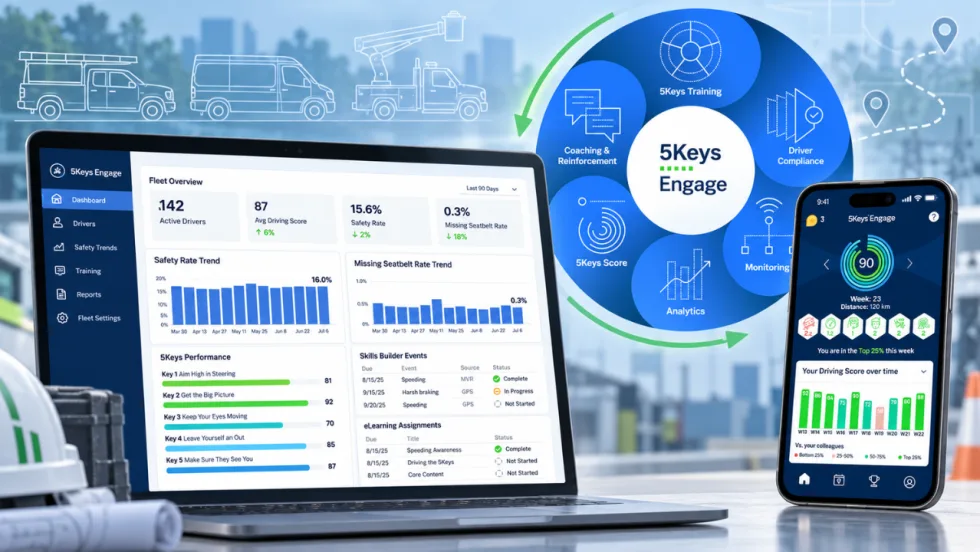
Smith System Wants Work Truck Fleets to Look Beyond the Driver Alert
Smith System’s new Driver Risk Management program is built to help mixed work truck fleets turn telematics alerts and observations into specific behaviors, coaching actions, and measurable follow-up.
Read More →

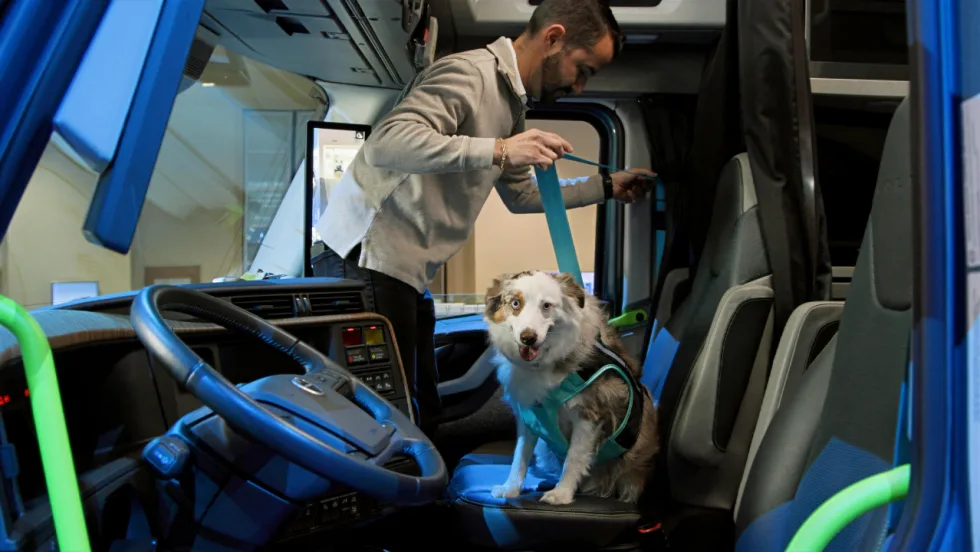
Volvo Trucks Releases New Safety Recommendations for Traveling with Pets
One of the most important recommendations for professional drivers traveling with pets is to ensure pets are properly restrained while the truck is moving. Other tips are available in the new guide from Volvo Trucks North America and Center for Pet Safety.
Read More →
Are Work Truck Drivers Warming Up to Dash Cams and GPS Tracking?
A new survey finds field-service drivers may be more comfortable with dash cams and GPS tracking than fleet managers think, especially when the technology helps protect them after a crash.
Read More →
Recalls You Need to Know About in August 2026
If you have Altec, Chrysler, Ford, Heil, General Motors, International, Mack Trucks, Paccar, Rivian, Royal Truck, Toyota, US Truck Body, or Volvo Trucks vehicles in your fleet, you should check these important recalls issued by the National Highway Safety Administration.
Read More →
API Issues Refueling Safety Guidelines
The American Petroleum Institute offers a list of safe vehicle refueling guidelines, including ways to avoid potential problems with static electricity discharges in fall, winter, and early spring.
Read More →
Winter Fleet Prep: Expert Tips to Keep Vehicles Running Smoothly
Cold weather can expose weak batteries, tires, fuel systems, and maintenance gaps fast. Use this winter fleet checklist to prepare trucks and drivers before temperatures drop.
Read More →
When a Work Truck Breaks Down, the Job Can Stop, Too
A work truck breakdown can stop more than the vehicle. Discover how payloads, jobsites, and specialty equipment change the roadside response.
Read More →
What Stronger Long-Term Fleet Service Partnerships Actually Require
Fleet service partnerships rarely fall apart all at once. Learn the three warning signs that trust is eroding and what fleets and providers can do before downtime, frustration, and lost revenue follow.
Read More →