




Digital Cargo Theft Hits New Level with Santo Tequila Heist
Digital thieves stole over $1 million in Santo Tequila without a hijacking. Fleets are learning that today’s biggest cargo risks come from data, not the highway.


Photo Caption:
Guy Fieri and Sammy Hagar, co-founders of Santo Tequila, whose shipments were recently targeted in a high-value digital cargo theft. The case highlights how freight crime is evolving from physical hijackings to sophisticated online schemes.
Photo: Business Wire | Work Truck
Two truckloads carrying more than $1 million worth of Guy Fieri and Sammy Hagar's Santo Tequila vanished without a single hijacking, alarm, or roadside incident. And, according to GearTrack, the theft didn’t happen on the highway: it happened online.
According to investigators, organized crime rings posing as legitimate carriers used forged documents, cloned websites, and spoofed GPS signals to pull off the heist. The freight tracking system showed both loads “in transit,” but in reality, the tequila had been rerouted and stolen through a sophisticated digital double-broker scheme.
Authorities say this type of cargo crime is becoming increasingly common as freight operations rely more heavily on digital handoffs and remote monitoring. Criminals are using advanced tactics, including AI-written emails and falsified tracking data, to manipulate systems that were once considered secure.
Experts warn that the threat landscape has shifted from physical theft to data-driven deception. Fleets, shippers, and logistics partners are now focusing on strengthening verification processes, GPS authentication, and end-to-end cargo visibility to prevent similar incidents.
From food to finished vehicles, digital theft schemes are targeting every corner of the supply chain — proving that today’s biggest risks might not come from the open road, but from the cloud.
How Fleets Can Prevent Digital Cargo Theft
Cargo theft isn’t new, but the playbook has changed. What used to be a lock-and-key problem is now a cybersecurity challenge, one that directly impacts fleet safety, insurance costs, and customer trust.
What fleets can do:
Verify every handoff. Always confirm carrier and broker details through trusted systems or direct contact, not just email or digital platforms.
Watch the data trail. Use GPS authentication tools that detect spoofed or duplicated location signals.
Train your team. Make sure drivers, dispatchers, and managers know the signs of digital fraud and how to verify authenticity before a load moves.
The Santo Tequila case is a reminder that in today’s connected fleet world, it’s not just about protecting what’s on the truck, it’s about protecting the data that tells you where that truck is.
Information for this report was compiled from law enforcement briefings and GearTrack’s analysis of the Santo Tequila cargo theft investigation.
More Safety
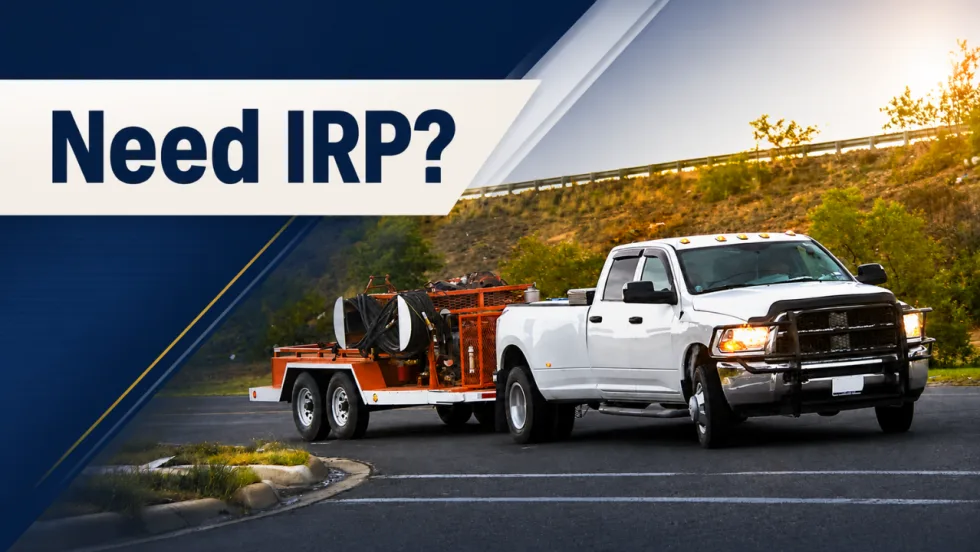
When Work Trucks Under 26,001 Pounds Need IRP Registration
Think trucks under 26,001 pounds are automatically in the clear when it comes to IRP? Not always. Learn where lighter vehicles can still run into trip permit, apportioned registration, and IFTA compliance requirements when crossing state or provincial lines.
Read More →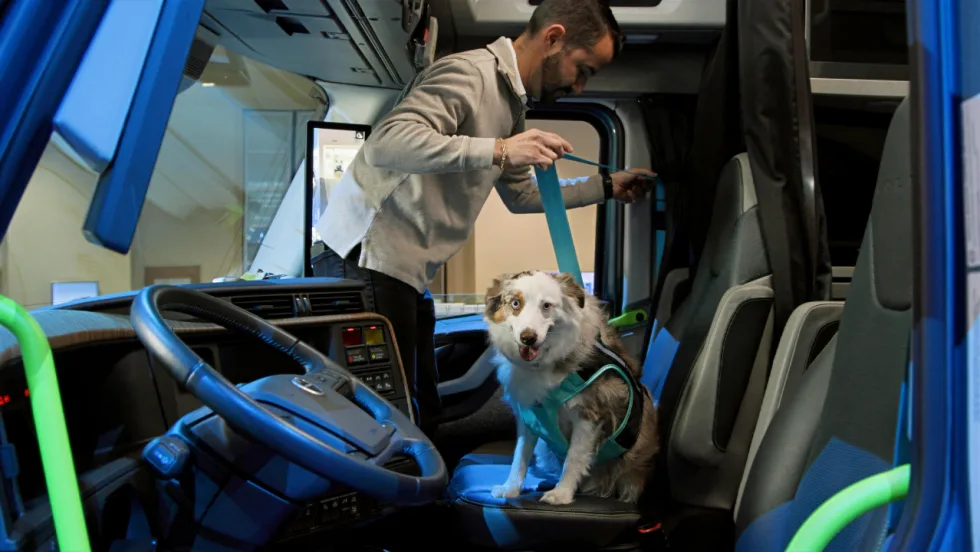
Volvo Trucks Releases New Safety Recommendations for Traveling with Pets
One of the most important recommendations for professional drivers traveling with pets is to ensure pets are properly restrained while the truck is moving. Other tips are available in the new guide from Volvo Trucks North America and Center for Pet Safety.
Read More →
API Issues Refueling Safety Guidelines
The American Petroleum Institute offers a list of safe vehicle refueling guidelines, including ways to avoid potential problems with static electricity discharges in fall, winter, and early spring.
Read More →
Winter Fleet Prep: Expert Tips to Keep Vehicles Running Smoothly
Cold weather can expose weak batteries, tires, fuel systems, and maintenance gaps fast. Use this winter fleet checklist to prepare trucks and drivers before temperatures drop.
Read More →
When a Work Truck Breaks Down, the Job Can Stop, Too
A work truck breakdown can stop more than the vehicle. Discover how payloads, jobsites, and specialty equipment change the roadside response.
Read More →
What Stronger Long-Term Fleet Service Partnerships Actually Require
Fleet service partnerships rarely fall apart all at once. Learn the three warning signs that trust is eroding and what fleets and providers can do before downtime, frustration, and lost revenue follow.
Read More →
Applause & TRUCE Software Partner to Improve Driver Safety Through AI-Powered Telematics & Employee Performance Management
Applause has integrated TRUCE driving metrics directly into its employee-first performance and safety platform that transforms mobile devices into AI-powered telematics.
Read More →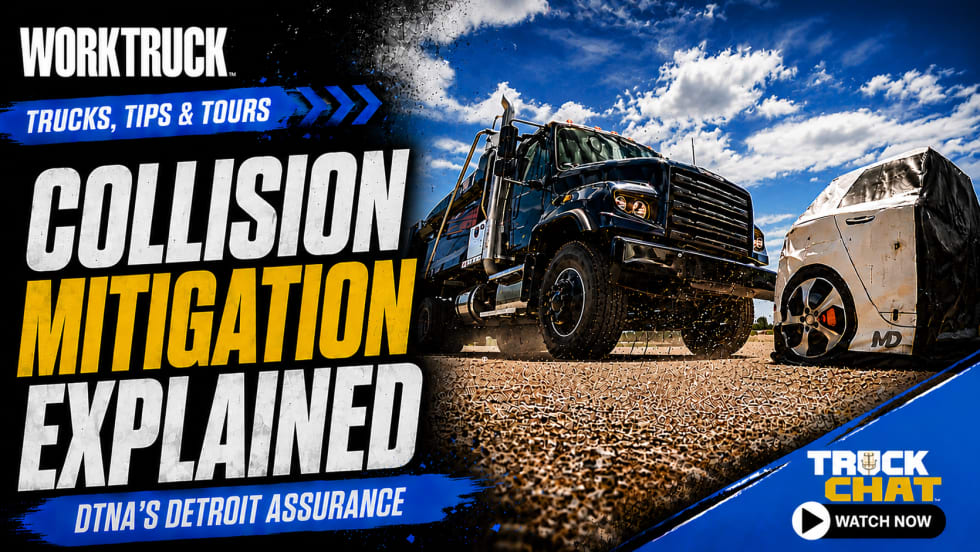
How Detroit Assurance with Active Brake Assist Works
Do you want to see what it is like to experience Detroit Assurance’s Active Brake Assist? In this video, Work Truck will put you in the cab to see how it all works and then hear more details from DTNA’s Mike Young.
Read More →
Get Left of Loss: A 5-Step Workplace Violence Prevention Framework for Fleet Operators
Violence risks do not stop at the driver’s door. Learn five practical steps fleets can take to spot threats early and protect workers before loss occurs.
Read More →
How Better Visibility Cut Speeding Violations by 48%
Fleet leaders don't need more data, they need clearer visibility into what the data is saying. This case study explores how one utility replaced speeding-event counts with a single metric — miles driven in violation — to strengthen safety and significantly reduce speeding violations.
Read More →