





Related: Is Your Truck Fleet Truly Safe?
13 Safe Driving Tips for Commercial Vehicle Drivers
Make sure you are spending time on the road safely with these important tips.
July 15, 2026

Safe driving starts before the wheels move, from buckling up and adjusting mirrors to putting distractions away.
Envato | DrazenPhoto
5 min to read
Professional drivers spend more time behind the wheel than nearly anyone else, which makes everyday driving habits especially important.
During the Commercial Vehicle Safety Alliance’s 2026 Operation Safe Driver Week, July 12–18, law enforcement agencies across North America are watching for unsafe behaviors by commercial and passenger vehicle drivers. This year’s campaign places additional emphasis on reckless, careless, and dangerous driving.
These safety reminders from CVSA can help commercial drivers stay focused, avoid unnecessary risks, and make every trip safer.
1. Always Buckle Up
Wear your seat belt every time the vehicle is moving, even on short trips or when driving at low speeds.
Seat belts help prevent drivers from being thrown from the vehicle or striking the steering wheel, dashboard, or windshield during a crash. They can also help drivers maintain control during sudden stops or emergency maneuvers.
2. Prepare Before You Drive
Complete as many tasks as possible before putting the vehicle in motion.
Program your GPS, review your route, adjust the mirrors, set the instrument panel lighting, and organize anything you may need during the trip. Secure loose objects that could move around the cab or become a distraction.
Taking a few minutes to prepare can reduce the temptation to make adjustments while driving.
3. Follow Posted Speeds
Obey speed limits and adjust your speed to traffic, weather, road conditions, and the vehicle's size and weight.
Driving too fast reduces the time available to recognize and avoid a hazard. It also increases stopping distance and can make a crash more severe.
Reduce speed in construction zones, heavy traffic, poor weather, and areas with limited visibility. A posted speed limit reflects ideal conditions, not necessarily the safest speed for every situation.
4. Avoid Distractions
Anything that takes your eyes, hands, or attention away from driving can increase the risk of a crash.
Common distractions include adjusting the radio, eating, drinking, reaching for objects, entering information into a navigation system, and interacting with dispatching or communication equipment.
Make adjustments before leaving or wait until you can park safely.
5. Watch for Distracted Drivers
You may be focused on the road, but the drivers around you may not be.
Watch for vehicles that drift between lanes, travel at inconsistent speeds, brake suddenly, or fail to respond to changing traffic conditions. These can be signs that a driver is distracted, tired, or impaired.
Increase your following distance and avoid remaining beside an unpredictable vehicle longer than necessary.
6. Put the Phone Away
Federal regulations prohibit commercial motor vehicle drivers from texting or using a handheld mobile phone while driving.
That includes holding the phone, reaching for it in an unsafe manner, or pressing multiple buttons to place a call. The restriction also applies when a vehicle is temporarily stopped in traffic or at a traffic signal.
Set your phone to “Do Not Disturb,” silence notifications, and place the device somewhere that will not tempt you to reach for it.
FMCSA research found that commercial motor vehicle drivers who texted while driving had 23.2 times greater odds of experiencing a safety-critical event, such as a crash, near-crash, or unintentional lane departure.
7. Avoid Aggressive Driving
Do not allow another driver’s behavior to pull you into making an unsafe decision.
Avoid speeding, following too closely, making abrupt lane changes, blocking another vehicle, or using the vehicle to intimidate someone else. Do not engage with a driver who is acting aggressively.
Stay calm, create distance, and focus on reaching your destination safely. Winning a roadside argument is not worth losing control of the situation.
8. Make Only Necessary Lane Changes
Every lane change creates another opportunity for a vehicle to enter a blind spot or for traffic conditions to change unexpectedly.
Stay in your lane as long as it is safe and practical. When a lane change is necessary, check your mirrors and blind spots, use your turn signal, and make sure there is enough space to complete the maneuver safely.
Avoid sudden or frequent lane changes, especially in congested traffic.
9. Maintain a Safe Following Distance
Following too closely limits your view of the road and reduces the time available to react when traffic slows or stops.
Commercial vehicles generally need more stopping distance than passenger vehicles, particularly when fully loaded or on wet, icy, or uneven roads.
Leave enough space to recognize a hazard, respond smoothly, and stop without relying on an emergency maneuver.
10. Give Yourself Enough Time
Plan trips with enough time to account for traffic, construction, weather, fuel stops, inspections, and other delays.
Drivers who feel rushed may be more likely to speed, follow too closely, make unsafe lane changes, or skip necessary breaks.
A schedule is important, but it should never take priority over safe vehicle operation.
11. Never Drive Impaired
Never operate a commercial vehicle under the influence of alcohol, illegal drugs, or any medication that affects your ability to drive safely.
Prescription and over-the-counter medications can also cause drowsiness, slower reaction times, dizziness, or impaired judgment. Read warning labels and speak with a medical professional when you are unsure how a medication may affect driving.
Watch for other motorists whose behavior suggests they may be impaired, and give them additional space.
12. Get Enough Rest
Fatigue can reduce awareness, slow reaction time, affect decision-making, and cause brief lapses in attention.
Get adequate sleep before beginning a trip and pay attention to warning signs such as frequent yawning, heavy eyelids, difficulty focusing, drifting within the lane, or not remembering the last few miles traveled.
If you begin feeling tired, pull over in a safe location and rest. Opening a window, turning up the radio, or consuming caffeine is not a substitute for sleep.
Federal regulations prohibit drivers from operating a commercial motor vehicle when fatigue, illness, or another condition makes it unsafe to drive.
13. Keep Your Attention on the Road
At 55 mph, a vehicle travels nearly 250 feet during a three-second glance away from the roadway. That is almost the length of a football field.
Keep checks of mirrors, gauges, and vehicle systems brief, and avoid attempting to manage multiple tasks while driving. Navigation, communication, and equipment adjustments should be completed before departure or after parking safely.
Safe driving is not just one major decision. It is a series of small decisions made mile after mile. Preparing before the trip, staying alert, allowing enough space, and refusing to drive distracted or impaired can help protect the driver, the vehicle, and everyone else sharing the road.
Subscribe to Our Newsletter
More Safety & Compliance

When Work Trucks Under 26,001 Pounds Need IRP Registration
Think trucks under 26,001 pounds are automatically in the clear when it comes to IRP? Not always. Learn where lighter vehicles can still run into trip permit, apportioned registration, and IFTA compliance requirements when crossing state or provincial lines.
Read More →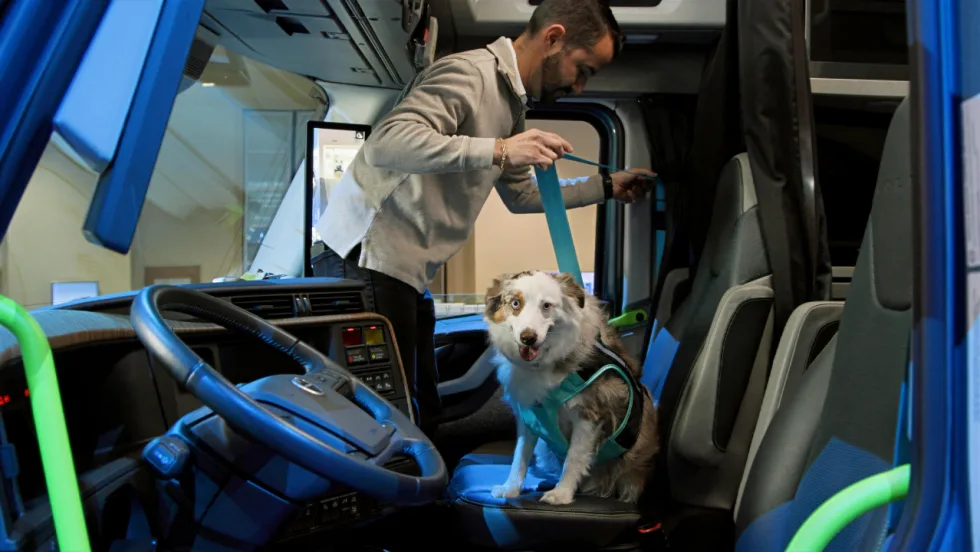
Volvo Trucks Releases New Safety Recommendations for Traveling with Pets
One of the most important recommendations for professional drivers traveling with pets is to ensure pets are properly restrained while the truck is moving. Other tips are available in the new guide from Volvo Trucks North America and Center for Pet Safety.
Read More →
API Issues Refueling Safety Guidelines
The American Petroleum Institute offers a list of safe vehicle refueling guidelines, including ways to avoid potential problems with static electricity discharges in fall, winter, and early spring.
Read More →


Winter Fleet Prep: Expert Tips to Keep Vehicles Running Smoothly
Cold weather can expose weak batteries, tires, fuel systems, and maintenance gaps fast. Use this winter fleet checklist to prepare trucks and drivers before temperatures drop.
Read More →
When a Work Truck Breaks Down, the Job Can Stop, Too
A work truck breakdown can stop more than the vehicle. Discover how payloads, jobsites, and specialty equipment change the roadside response.
Read More →
What Stronger Long-Term Fleet Service Partnerships Actually Require
Fleet service partnerships rarely fall apart all at once. Learn the three warning signs that trust is eroding and what fleets and providers can do before downtime, frustration, and lost revenue follow.
Read More →
Applause & TRUCE Software Partner to Improve Driver Safety Through AI-Powered Telematics & Employee Performance Management
Applause has integrated TRUCE driving metrics directly into its employee-first performance and safety platform that transforms mobile devices into AI-powered telematics.
Read More →
How Detroit Assurance with Active Brake Assist Works
Do you want to see what it is like to experience Detroit Assurance’s Active Brake Assist? In this video, Work Truck will put you in the cab to see how it all works and then hear more details from DTNA’s Mike Young.
Read More →
Get Left of Loss: A 5-Step Workplace Violence Prevention Framework for Fleet Operators
Violence risks do not stop at the driver’s door. Learn five practical steps fleets can take to spot threats early and protect workers before loss occurs.
Read More →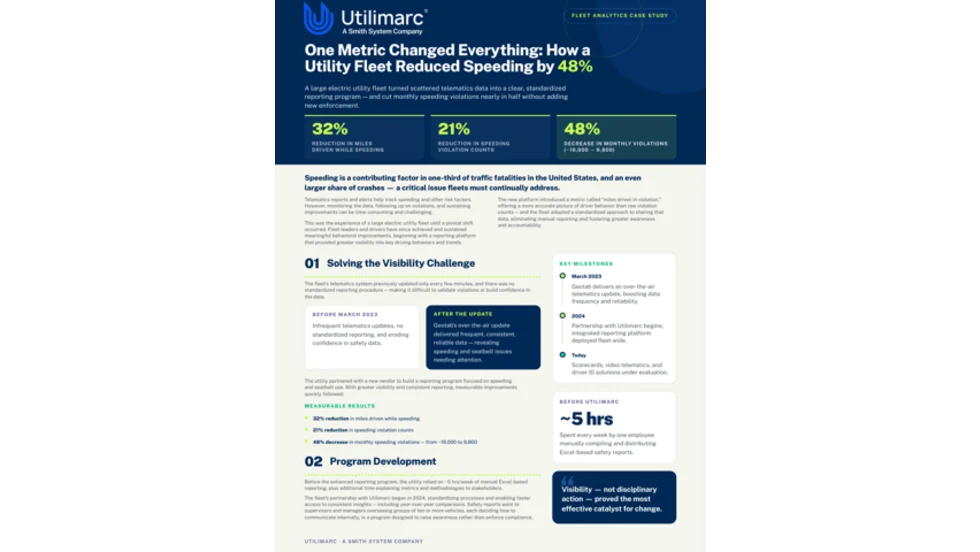
How Better Visibility Cut Speeding Violations by 48%
Fleet leaders don't need more data, they need clearer visibility into what the data is saying. This case study explores how one utility replaced speeding-event counts with a single metric — miles driven in violation — to strengthen safety and significantly reduce speeding violations.
Read More →