




Keep LeeEngaging Telematics Can Improve Driver Safety and Increase Savings
Get Left of Loss: A 5-Step Workplace Violence Prevention Framework for Fleet Operators
Violence risks do not stop at the driver’s door. Learn five practical steps fleets can take to spot threats early and protect workers before loss occurs.
by David Berno, Hub International
July 21, 2026
Fleet safety programs should account for more than road risks. Drivers and field workers may also face threats during stops, deliveries, and public interactions.
Credit:
Work Truck
4 min to read
Fleet workers face a distinct set of vulnerabilities that many office-based employees never encounter. They routinely operate alone, make stops at unfamiliar locations, handle valuable cargo, and interact with strangers throughout the day.
That operating environment creates conditions ripe for threatening or violent encounters to occur. According to OSHA, delivery drivers are among those at elevated risk of workplace violence. Nationally, workplace violence is the third-leading cause of fatal occupational injuries in the U.S. This risk often comes as a surprise to fleet safety managers whose safety focus centers primarily on road incidents, vehicle maintenance, and driver fatigue.
While the risk is significant, so is the opportunity to get ahead of it. Fleet managers who apply the same structured, proactive approach to workplace violence that they bring to road safety and DOT compliance can build meaningful protection for their teams before an incident arises.
What Does 'Getting Left of Loss' Mean for Fleets?
Timing is everything when it comes to workplace violence. Think of a linear timeline showing how a violent incident unfolds. On the left side, before any incident occurs, there are opportunities for early identification, intervention, and mitigation. On the right side, after an incident, organizations are dealing with response, recovery, and consequences ranging from injured workers to potential liability and operational disruption.
The goal is to spend as much time as possible on the left side of that timeline. That requires having a dedicated workplace violence prevention plan in place to spot early warning signs, intervene before situations escalate, and avoid the far greater costs of reacting to an incident.
It’s important for fleet operators to remember that threats can come from multiple directions. A robbery or confrontation at a delivery stop may be the most obvious concern, though violence can also arise between coworkers, follow someone to work from a personal situation, or emerge from online threats that materialize in person. Having a complete picture of that risk is where effective prevention starts.
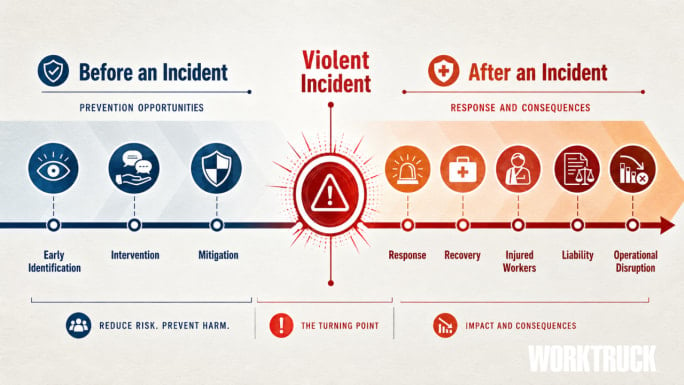
The strongest workplace violence strategy starts before an incident occurs, with early identification, intervention, clear reporting procedures, and consistent mitigation efforts.
Credit:
This image was generated by OpenAI. Please refer to our terms of use.
5 Steps to Build an Effective Workplace Violence Prevention Program
A strong prevention program does not need to be complicated, but it does need to be intentional. These five steps can help fleet operators build a practical framework that identifies risks early, gives workers clear guidance, and supports a consistent response when concerns arise.
1.Secure leadership buy-in
Prevention programs typically stall without visible commitment from the top. Senior leadership must understand risk, allocate resources, and send clear signals that worker safety extends beyond the vehicle. Supervisors at every level should be held accountable for ensuring prevention protocols are communicated and consistently applied across the operation.
2.Map your risk profile
No two fleet operations face identical exposures. A utility crew making late-night service calls carries different risks than a delivery team running daytime suburban routes. Before building a program, take stock of your specific vulnerabilities. Prevention strategies should be built around specific risk areas, not around a generic checklist. Consider the following:
- Do drivers make stops alone in isolated areas?
- Do they carry cash or high-value cargo?
- Do routes run through high-crime areas after dark?
- Is there a mechanism for workers to flag concerning interactions?
3.Put it in writing
A written workplace violence prevention policy sets the standard for the entire operation. It should define what constitutes workplace violence, including verbal threats, intimidation, and physical acts, establish a zero-tolerance stance, and outline reporting procedures that explicitly protect employees from retaliation.
Additionally, it should address physical security measures specific to fleet operations, such as check-in procedures for solo workers and steps drivers should take if they feel unsafe at a stop.
4.Train consistently
A distributed, often high-turnover workforce makes ongoing training essential. Training should focus on three areas:
- Recognizing early warning signs of escalating behavior
- De-escalation techniques for public-facing interactions
- The reporting process
Routine drills and scenario-based exercises help drivers build the confidence they need to identify and respond to threats when they emerge on the job.
5.Build a threat response process
Develop and implement a consistent evaluation process for when concerns surface. Designate a small team responsible for assessing threats and establish a clear protocol: document, evaluate, and respond.
For smaller fleets, this may only require one or two people. Smaller fleets should also establish relationships with local law enforcement across operating areas to ensure there’s a clear point of contact when a credible threat emerges.
Consistency is Key to Preventing Workplace Violence
An effective workplace violence prevention program doesn’t require a dedicated safety team or elaborate corporate infrastructure. Fleet operators of any size can build meaningful protection with a simple, consistently applied framework built on clear policies, reliable reporting mechanisms, and regular training. The more your organization runs "left of loss," the less time you’ll spend managing the costly aftermath.

Credit:
Work Truck | Hub International
Subscribe to Our Newsletter
More Safety & Compliance
Re-rating Gross Vehicle Weight Ratings (GVWR): Why and How it's Done
Sometimes, it is not in a fleet’s best interests to have a vehicle at a given GVWR. Changing the GVWR to a special value can be done, but the process is complicated.
Read More →
When a Work Truck Gets Stolen, the Real Loss Is Time
A stolen work truck can take more than a vehicle off the road. From tools and access cards to crew downtime, here’s how fleets can prepare for theft before it disrupts the entire workday.
Read More →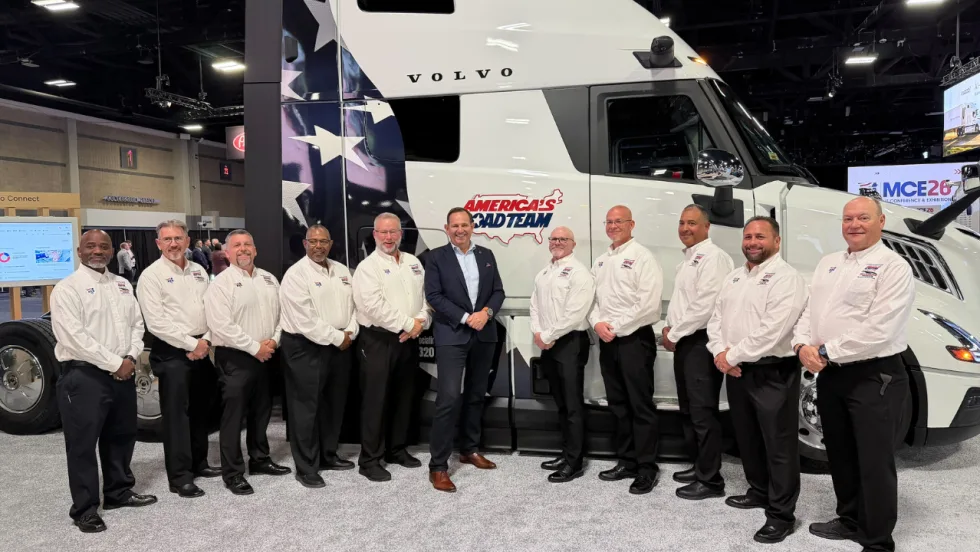
Volvo Trucks Marks 25 Years as Exclusive Sponsor of America's Road Team
Volvo Trucks North America will serve as the exclusive sponsor of the American Trucking Associations' America's Road Team, marking 25 years of Volvo sponsorship. The group of professional drivers promotes safety and the industry as they travel the country.
Read More →From Our Partners




Streamlight’s High-Output Scene Light Recognized with Occupational Safety Award
Streamlight’s Portable Scene Light III (PSL III) won the 2026 Occupational Health & Safety (OH&S) New Product of the Year Award in the Lighting category.
Read More →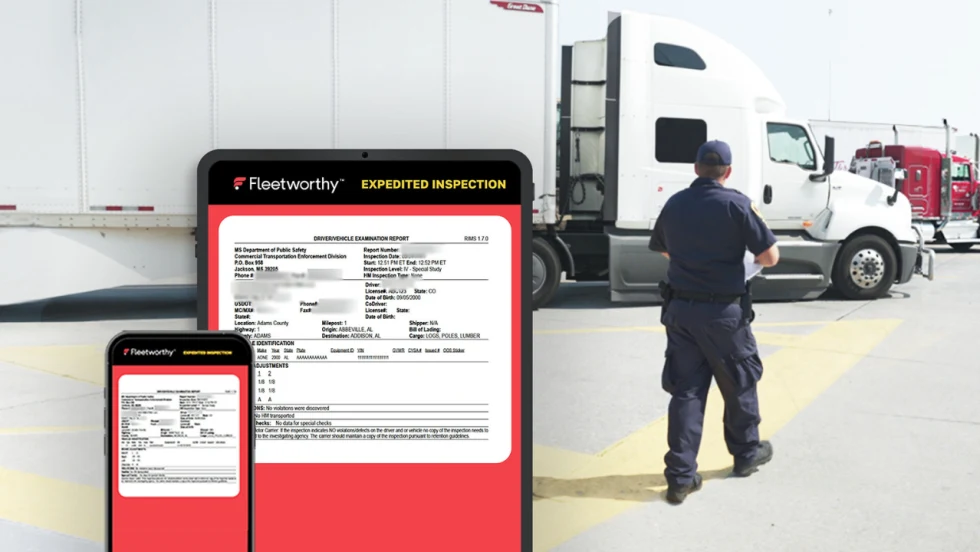
Fleetworthy Expands Expedited Inspection to 5 States
Following its industry-first launch in Nevada, Fleetworthy’s automated inspection technology is now live in California, Michigan, Vermont, and Maine.
Read More →
Crossing State Lines in a Light-Duty Work Truck? Check These Rules First
Crossing state lines in a lighter work truck? J.J. Keller's Kathy Close explains when IRP registration, trip permits, and towing rules come into play.
Read More →
GeoFencing Adds to Your Truck Security Arsenal
Geofencing is a familiar fleet tool today, but its early adoption marked a major shift in vehicle tracking, route monitoring, and the debate over employee privacy.
Read More →
Recalls You Need to Know About in October 2026
In October 2026, what recalls might impact your fleet? Work Truck has the answers in this comprehensive overview of recent NHTSA recalls.
Read More →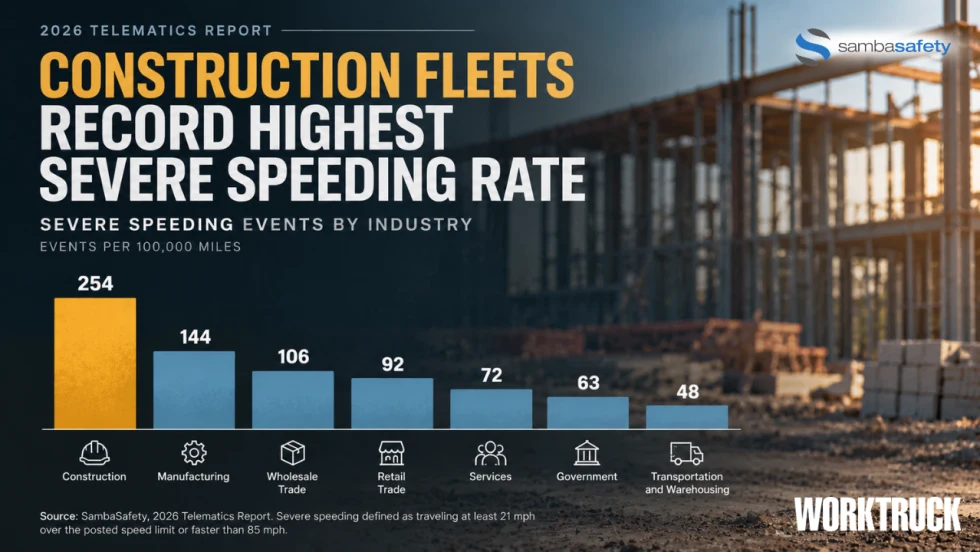
Construction Fleets Show Telematics Adoption Alone May Not Reduce Driving Risk
SambaSafety found construction fleets monitor roughly 92% of their vehicles but recorded the highest severe speeding rate among industries studied.
Read More →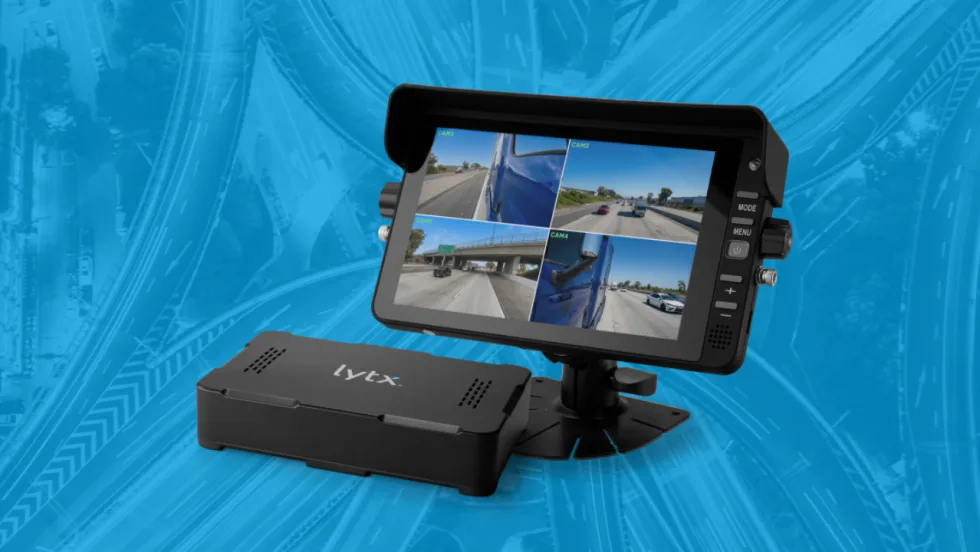
Lytx Launches 360 Hub Kit for Expanded Fleet Camera Visibility
Lytx’s new AI-ready gateway and HD auxiliary camera ecosystem, the Lytx 360 Hub Kit, extends visibility across side, rear, cargo, and blind-zone views to help fleets see more and respond faster.
Read More →