




Basic Tracking vs Next Generation Fleet Technology
Fleet software is getting more sophisticated and effective than ever, tying big data models together to transform maintenance, safety, and the value of your existing tech stack. Fleet technology upgrades are undoubtedly an investment, but updated technology can offer a much higher return. Read how upgrading your fleet technology can increase the return on your investment.
Getty Images

For nearly two decades, telematics data has given fleet managers visibility that helps them fine-tune maintenance, promote safety, and manage their fleets more efficiently by tracking vehicles and assets. Even the most basic fleet tracking software or telematics platform can transform the way a fleet is managed: It can turn a pen-and-paper operation into one that makes decisions based on facts and data instead of intuition.
But now, fleet software is getting more sophisticated and effective than ever, tying big data models together to transform maintenance, safety, and the value of your existing tech stack — and the fleet performance gains are remarkable.
What DoBasic Tracking Systems Do?
When we talk about basic tracking systems in the context of vehicle maintenance, safety, and platform integrations, they operate like this:
- Maintenance: Maintenance is tracked manually, which is error-prone and time-consuming. Basic systems require you to contact drivers and schedule service, which is also time-consuming and can lead to extending the time between services or missing them all together.
- Video: Fleet managers and safety officers can view footage of operators driving their vehicle to provide fact-based coaching, but this requires many hours of sifting through the footage for the teachable moments.
- Integrations: Basic systems house important location information for fleet vehicles and assets, but they can’t share data with other platforms, which limits their value.
What Does Next-Generation Fleet Technology Do?
The latest fleet technology advancements are offering more value than ever before.
- Maintenance: The latest fleet software helps fleets transition from reactive to proactive fleet maintenance through automated maintenance and repair scheduling. Fleet managers can also “talk” to AI-integrated platforms to get answers to their maintenance questions and automatically receive insights about vehicle health.
“Proactive maintenance helps prevent unexpected breakdowns, reducing costly downtime, extending vehicle longevity, and lowering maintenance, repair, and labor costs,” said Clara Severino, Senior Director of Product Management for AIoT SaaS provider Powerfleet.
- Video: The next wave of video telematics upgrades every aspect of the current technology, with 360° visibility around the vehicle, a summary of insights from video footage, and real-time safety prompts via in-cab coaching.
“Our platform does the work for our customers, giving them a quick way to determine who the high-risk drivers are, what unsafe behaviors they exhibit, and what coaching sessions should focus on,” said Jessica Dives, Director of Sales for Powerfleet. “We also help identify trends across their driver base and dissect that information in different ways, like driver location, vehicle type, and more, for even better insights.”
- Integrations: Integrations give fleets the power to eliminate data siloes, unify data, and see what’s happening in their operation from an all-in-one dashboard. Fleets can both integrate various sources of fleet data or connect with other systems to gain better insights and amplify the value of both systems.
“Even in the best of cases, most fleets are dealing with multiple software vendors, and these systems aren't communicating with each other,” Severino said. “The value that Powerfleet brings is tying them together, whether it's data in or data out. You don’t have to replace your existing software — you just have to unite it with your telematics data.”
Why Upgrade Your Fleet Tech?
Fleet technology upgrades are undoubtedly an investment, but updated technology can offer a much higher return. Let’s compare basic tracking systems with Powerfleet’s next-generation fleet technology. Powerfleet is at the forefront of fleet software advancements, offering automated maintenance, advanced AI-powered video telematics, and powerful software integrations.
Category | Basic Tracking and Systems | Powerfleet’s Next-Generation Technology | What Makes the Difference? |
|---|---|---|---|
Fuel Economy | 5% improvement | 15% improvement | Automated vehicle repairs and maintenance keep vehicles healthy and operating at peak fuel efficiency. |
Maintenance Costs | 7.5% decrease | 20% decrease | Maintenance intervals based on odometer, engine hours, or time reduce overservicing while extending vehicle life. |
Collision Rates | 20% reduction | 60% reduction | Real-time in-cab coaching and post-trip analysis help operators drive more safely and reduce crash risk. |
Insurance Costs | 5% reduction | 25% reduction | Advanced safety technology and structured driver coaching often lead to larger insurance premium discounts. |
Productivity and Utilization | 10% improvement | 25% improvement | Integrated data systems provide actionable insights that improve productivity and asset utilization. |
Don’t Forget: Your Network Matters, Too
In addition to leveraging the latest fleet software, it’s also important to be sure your vehicles and assets are connected to a reliable cellular network. Powerfleet pairs its AI-powered platform with the AT&T cellular network, which covers more roads than any other carrier.
Ready to get more value from your fleet technology?
Discover how Powerfleet’s AI-powered Unity platform delivers seamless integration, real-time intelligence, and measurable business impact. To learn more, visit att.com/Powerfleet
Download our eBook to read more on this topic
This article reflects the views of AT&T and does not necessarily represent the views of Work Truck or Bobit Business Media.
More Technology & AI
Geotab Data Shows Regional Trucking Growing Faster as Last Mile Routes Get Denser
Geotab's first U.S. supply chain report finds stable long-haul activity, stronger regional freight movement, tighter hub-and-spoke utilization, and more last-mile trips on shorter routes.
Read More →
When Fleet Technology Helps and When It Just Adds Complexity
New technology can help fleets work smarter, but only if it solves the right problem. Lauren Fletcher talks with AP Fleet’s Alex Coveney about innovation, AI, data, and knowing when a new solution is actually worth adopting.
Read More →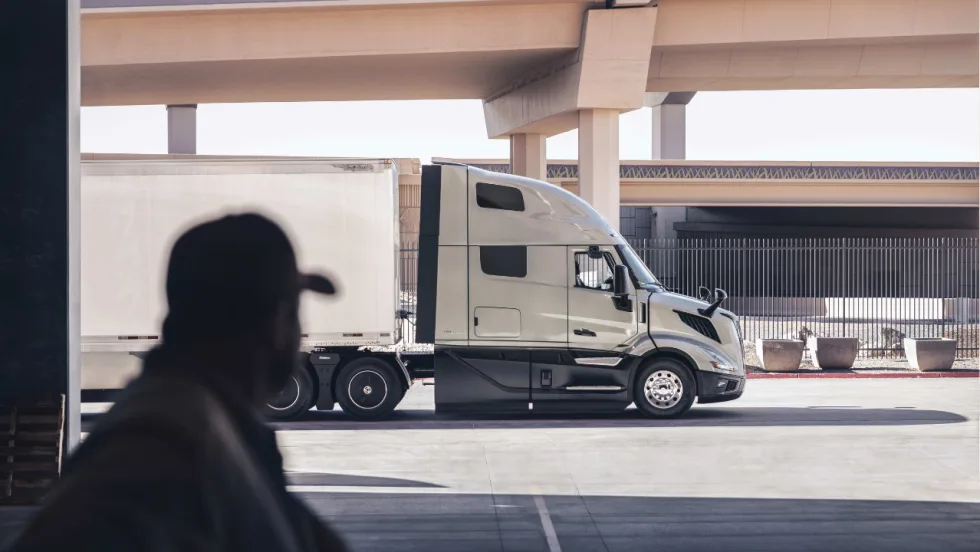
Volvo Trucks’ 'Lock and Leave' Software Updates Go Live Across North America
Unattended over-the-air software updates are now available in Volvo trucks across the U.S. and Canada. The new capability lets trucks stay current with the latest software without interrupting operations or requiring a dealership visit.
Read More →From Our Partners
Basic Tracking vs Next Generation Fleet Technology
Sponsored by AT&T Business
5 Facts Every Fleet Manager Should Know About Embedded Telematics
Sponsored by Stellantis/Mobilisights
How AI Video Telematics Boosts Driver Safety and Helps to Avoid Unnecessary Costs
Sponsored by Verizon Connect

Charting the 8 Bottom-Line Benefits of Workforce Optimization
Sponsored by Verizon Connect

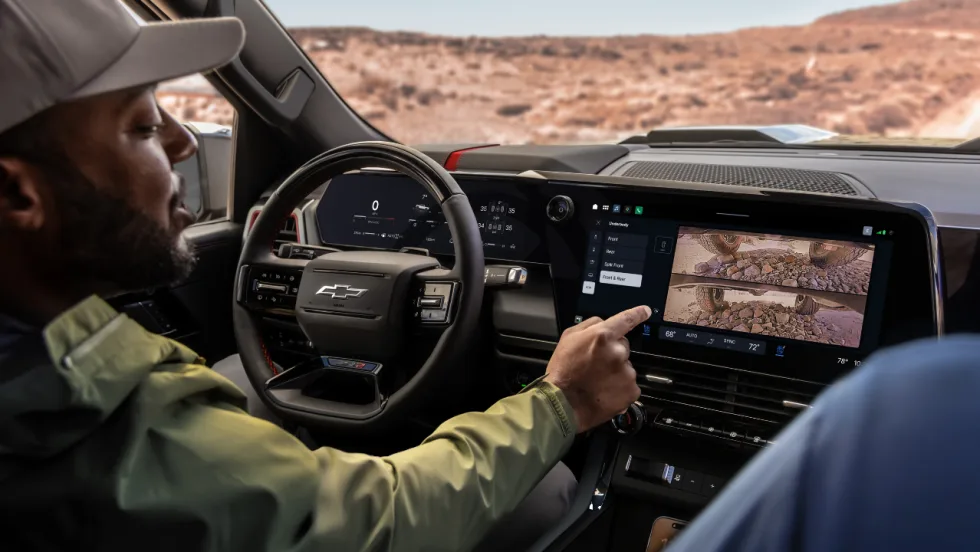
GM Brings New Truck Focused Interface to 2027 Silverado and Sierra
GM's new pickup interface puts trailering data, camera views, vehicle controls, and smartphone integration closer to the driver in the 2027 Silverado and Sierra.
Read More →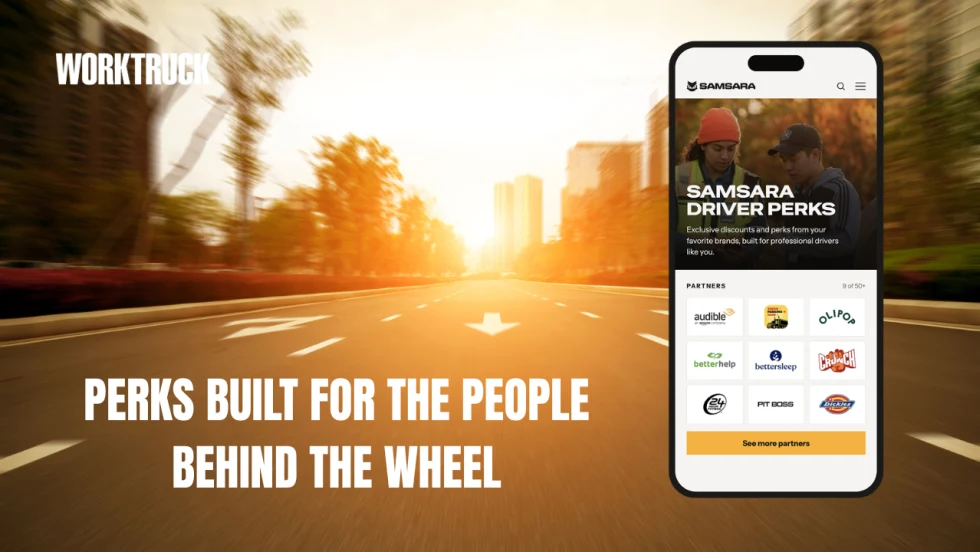
Samsara Driver Perks Expands Rewards Beyond the Long Haul Driver
Samsara’s new driver rewards program was built with a broader professional driver in mind, including employees who split their day between driving, job sites, service calls, and other work.
Read More →
AI Service Advisor Aims to Cut Fleet Repair Downtime
Fleetio said its AI Service Advisor can help fleets cut repair downtime by an average of 2.5 hours per repair while reducing manual maintenance work.
Read More →
Verra Mobility Launches AI-Driven Title & Registration Solution
Verra Mobility has launched a new AI-driven Title & Registration platform to help fleets move vehicles from acquisition to the road the same day while reducing compliance risk.
Read More →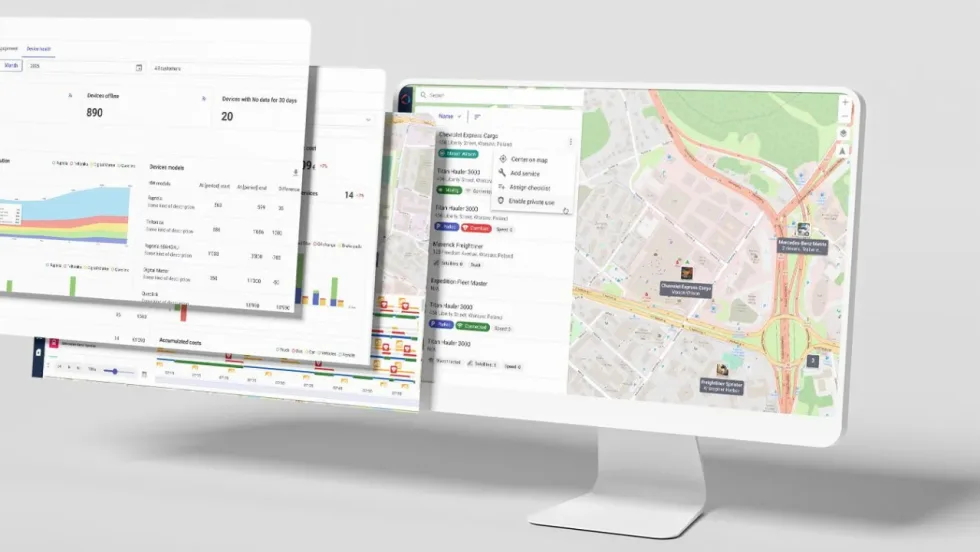
Wialon Unlocks OEM Data to Give Fleet Owners Data Ownership & Operational Clarity
Wialon has introduced hardware-free OEM integration as the EU Data Act accelerates the shift in vehicle data access across the fleet industry in many countries.
Read More →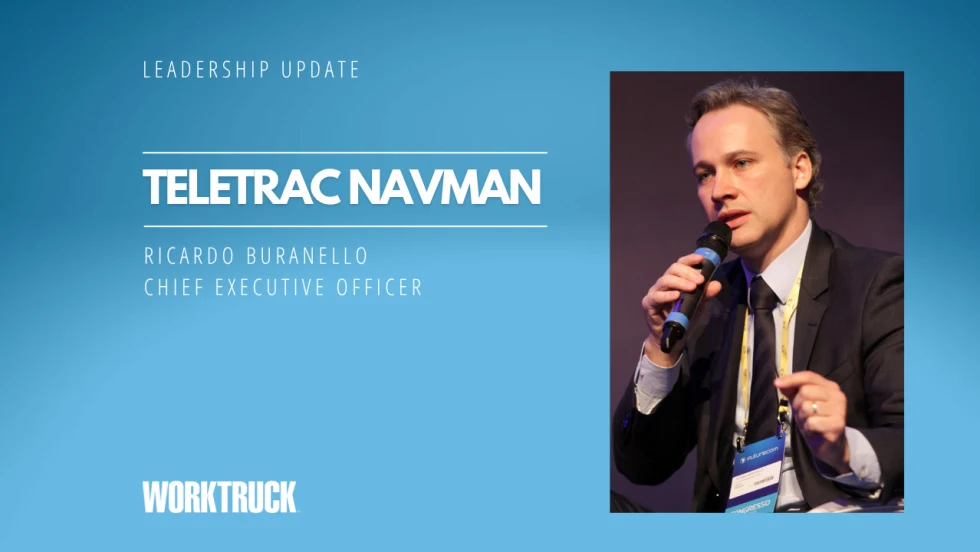
Teletrac Navman Promotes New CEO from Within
Teletrac Navman’s next CEO, Ricardo Buranello, has served as the company’s chief financial and operating officer. He brings deep financial and operational expertise, a strong strategic orientation, and an intimate knowledge of the business to his new role.
Read More →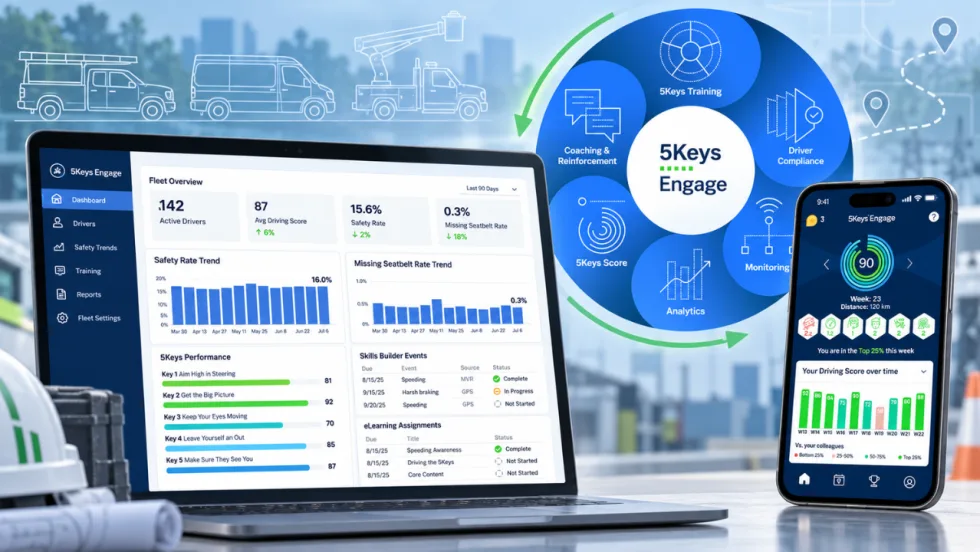
Smith System Wants Work Truck Fleets to Look Beyond the Driver Alert
Smith System’s new Driver Risk Management program is built to help mixed work truck fleets turn telematics alerts and observations into specific behaviors, coaching actions, and measurable follow-up.
Read More →