




How AI Video Telematics Boosts Driver Safety and Helps to Avoid Unnecessary Costs
At a time when supply chain issues and workforce shortages abound, fleet-dependent organizations across a variety of industries must protect drivers and the business against unnecessary costs and potential safety issues.
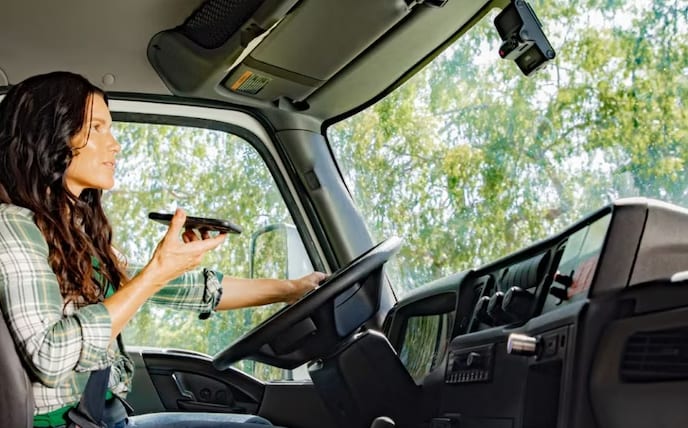
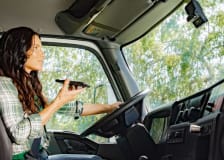
Photo Credit: Verizon Connect

At a time when supply chain issues and workforce shortages abound, fleet-dependent organizations across a variety of industries must protect drivers and the business against unnecessary costs and potential safety issues.
Integrated video telematics technology can help. According to the Verizon Connect 2024 Fleet Technology Trends Report, 70% of those in all industries find video telematics to be very or extremely beneficial. Some of the greatest benefits fleets can realize from integrated video telematics adoption include a reduction in accidents and in false claims, which in turn can lead to increased driver safety and reduced insurance costs.
“[I like] [t]he ability to see if our technicians are mishandling the vehicles [and the] ability to request videos when accidents happen to prove who is at fault. Verizon Connect is by far better than any company we have ever used for GPS monitoring.” - Verizon Connect User
Let’s explore these benefits in greater detail.
AI video telematics boosts driver safety
Modern video telematics uses AI technology to give fleet managers more visibility into what happens inside and outside the vehicle. It also enables fleet managers to analyze the data gleaned from the video footage and receive notifications that prioritize viewing of incidents categorized as unsafe. AI Dashcam alerts drivers in real time to help reduce accidents and transform fleet safety.
Visual information provides a factual account of unsafe driving behaviors (tailgating, stop sign violations, near-misses, distracted driving, speeding, etc.) to give both managers and drivers a better sense of what needs improvement. This allows managers to:
- Tailor coachable moments based on each driver’s needs
- Reinforce safe-driving policies as part of accident-reduction efforts
- Instantly reward drivers (as part of an incentive program) for demonstrating safe driving habits
AI video telematics helps to avoid unnecessary costs
Among the top goals achieved through use of video technology, protection from false claims (77%) and improved driver safety (73%) topped the list for all respondents, followed by the reduction of accidents (48%) and insurance costs (44%).
False claims and accidents can have a negative impact on an organization’s bottom line. Video telematics can help fleets reduce the likelihood of crashes in the first place, reducing accident-related costs as a result. And, if a crash does happen, a recording of the incident can be used as evidence to reduce false claims and help keep insurance premiums from skyrocketing. Video footage helps to show the full, unbiased context of driving events, such as driver behavior, weather conditions, vehicle positions and how an incident unfolded.
What your peers are saying about Verizon Connect video telematics
Precision Door Service, a garage repair and installation company in the midwestern United States, implemented a video telematics solution to provide peace of mind, especially when it came to driver safety.
With Verizon Connect Reveal and Integrated Video, the company has been able to create a driver safety program, coach drivers on better driving behaviors and get helpful video clips of harsh driving events, which can protect against false claims.
“With the camera, I can eliminate those situations that aren’t my fault.” – Craig Amundson, Owner, Precision Door Service.
CMC Logistics, a transportation fleet that delivers goods throughout the southeastern United States, realized several benefits from implementing a video telematics solution. With video footage available in near real time, they can download and review accident footage quickly and easily to help deflect false claims.
Video telematics also helps CMC Logistics see what is happening on the road and coach their crew on safe driving behaviors. In addition, the company uses video telematics to show drivers that when an accident occurs, the business will be looking out for them.
“The more times we are able to have their back and have proof that they truly were not at fault, all the drivers will get to the point where they want these things in their trucks.” – Patty James, Compliance Manager, CMC Logistics
What to look for in video telematics
For fleets considering an investment in video telematics, be sure to look for the following features:
- Dual footage view: Dual view of driver-facing and road-facing video via desktop or mobile app.
- Streamlined video download: Ability to download and share footage as an MP4 file, along with valuable metadata such as the vehicle name, address, date and time, which can provide helpful context.
- Near real-time notice: Notifications to view a video within minutes of when an incident occurs.
For more information on how video telematics can help your fleet, download our free eBook How smart video fuels smart business or schedule an online demo today.
More Technology & AI
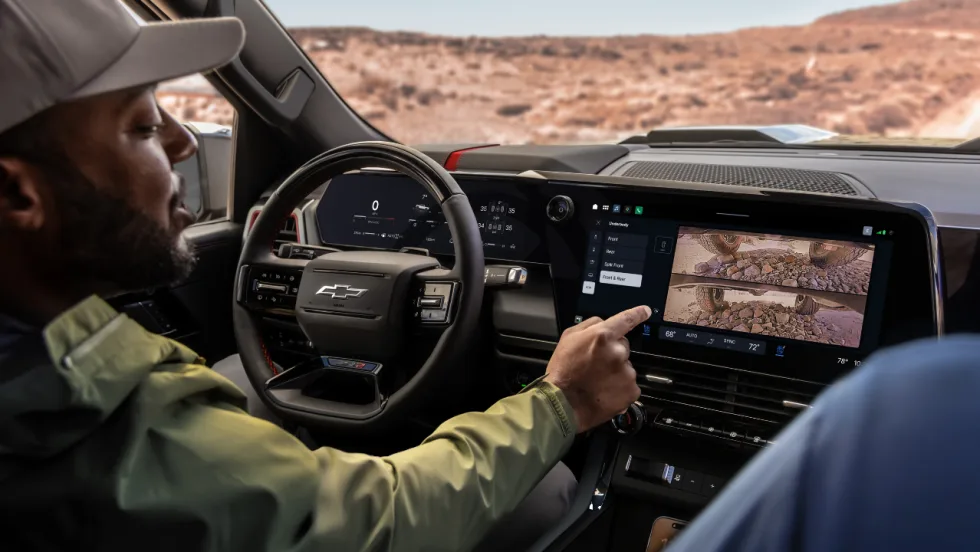
GM Brings New Truck Focused Interface to 2027 Silverado and Sierra
GM's new pickup interface puts trailering data, camera views, vehicle controls, and smartphone integration closer to the driver in the 2027 Silverado and Sierra.
Read More →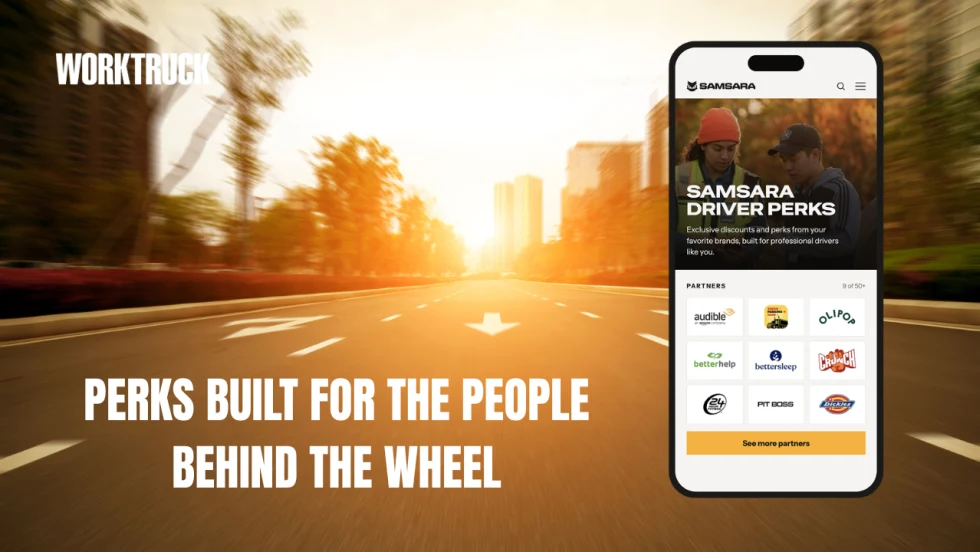
Samsara Driver Perks Expands Rewards Beyond the Long Haul Driver
Samsara’s new driver rewards program was built with a broader professional driver in mind, including employees who split their day between driving, job sites, service calls, and other work.
Read More →
AI Service Advisor Aims to Cut Fleet Repair Downtime
Fleetio said its AI Service Advisor can help fleets cut repair downtime by an average of 2.5 hours per repair while reducing manual maintenance work.
Read More →From Our Partners


Verra Mobility Launches AI-Driven Title & Registration Solution
Verra Mobility has launched a new AI-driven Title & Registration platform to help fleets move vehicles from acquisition to the road the same day while reducing compliance risk.
Read More →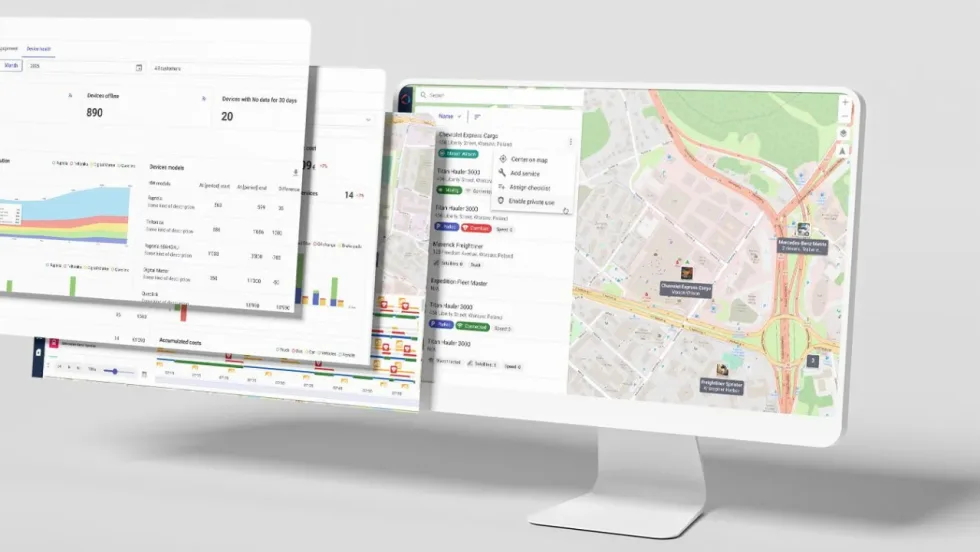
Wialon Unlocks OEM Data to Give Fleet Owners Data Ownership & Operational Clarity
Wialon has introduced hardware-free OEM integration as the EU Data Act accelerates the shift in vehicle data access across the fleet industry in many countries.
Read More →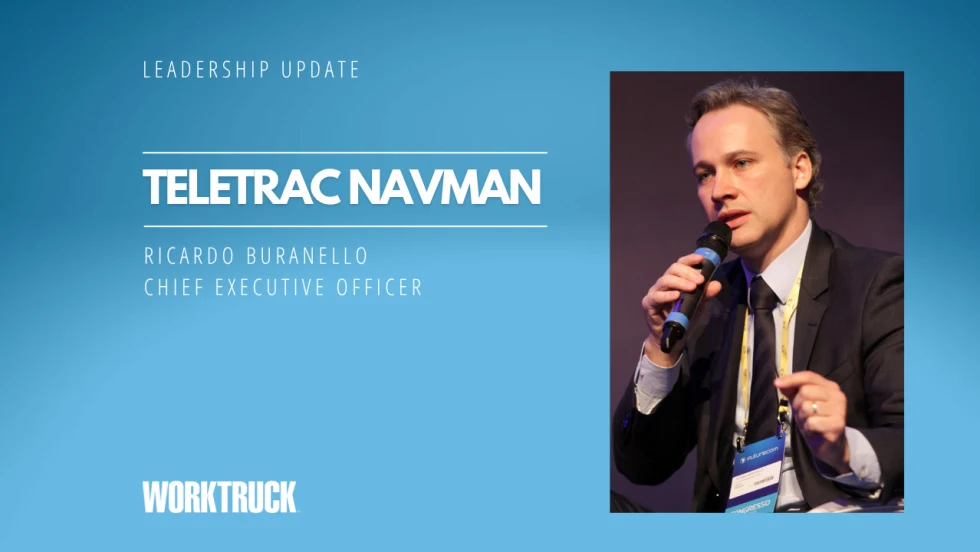
Teletrac Navman Promotes New CEO from Within
Teletrac Navman’s next CEO, Ricardo Buranello, has served as the company’s chief financial and operating officer. He brings deep financial and operational expertise, a strong strategic orientation, and an intimate knowledge of the business to his new role.
Read More →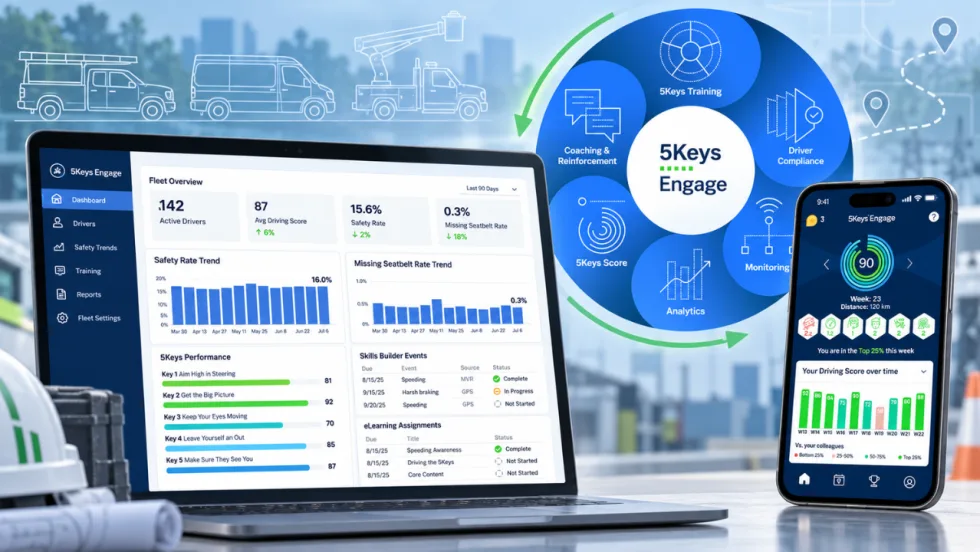
Smith System Wants Work Truck Fleets to Look Beyond the Driver Alert
Smith System’s new Driver Risk Management program is built to help mixed work truck fleets turn telematics alerts and observations into specific behaviors, coaching actions, and measurable follow-up.
Read More →
Ford Pro Software Updates: August 26
Check out the latest Ford Pro software updates, including Google Maps integration, Remote Vehicle Alarm integration, Motor Pool for easier management of shared pool vehicles, and more.
Read More →
Where AI Is Actually Saving Fleet Managers Time
AI is moving past the buzzword stage and into the daily fleet workflow. Fleetio’s Brianna Perry Lang breaks down where fleets are seeing real time savings, from maintenance and data entry to repair decisions, safety, and compliance
Read More →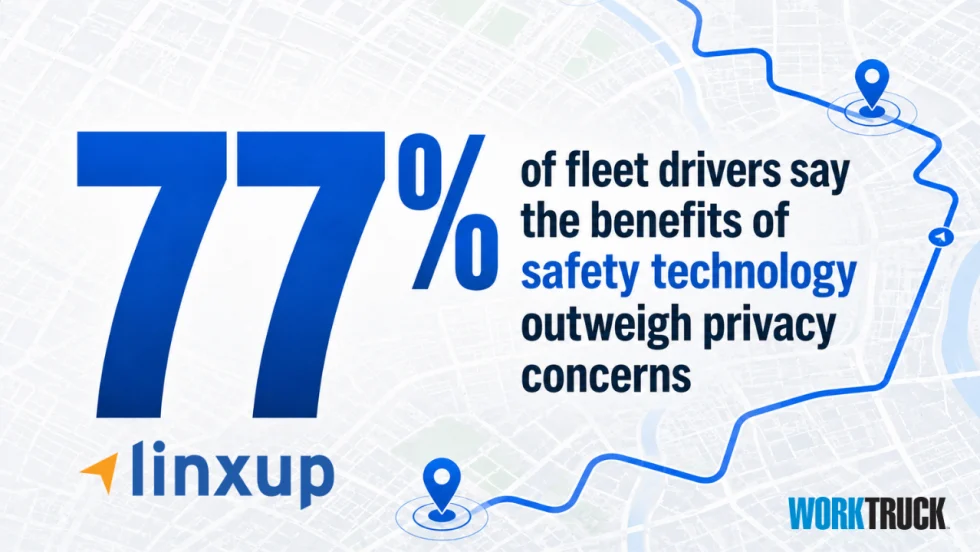
Are Work Truck Drivers Warming Up to Dash Cams and GPS Tracking?
A new survey finds field-service drivers may be more comfortable with dash cams and GPS tracking than fleet managers think, especially when the technology helps protect them after a crash.
Read More →