





Read More: How to Keep Your DOT D&A Records Audit-Ready
DOT Rules Remain Firmly Lit on Marijuana
DOT says not so fast on marijuana. Even with federal reclassification efforts, commercial drivers in safety-sensitive roles remain subject to marijuana testing and prohibitions.
July 2, 2026
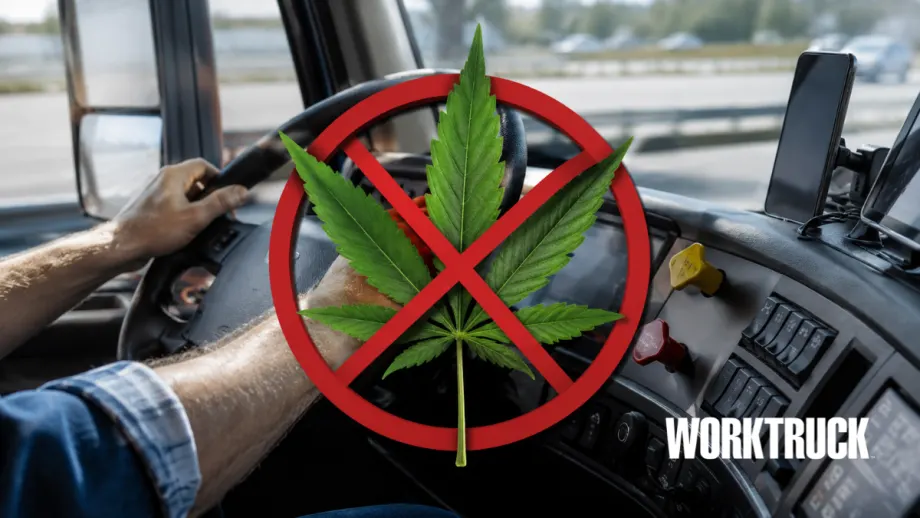
Despite ongoing federal discussions about marijuana reclassification, the U.S. Department of Transportation continues to prohibit marijuana use by commercial drivers and other employees in safety-sensitive positions.
Credit:
Work Truck
3 min to read
The Department of Transportation's message is loud and clear. Despite reclassifying some medical marijuana as a lesser drug by the Justice Department, it’s still prohibited for those in safety-sensitive positions covered under 49 CFR Part 40, including commercial drivers.
An executive order in December, followed by an order from the Justice Department in April, brought about a change in classification for FDA-approved drug products derived from marijuana and marijuana products regulated by a state medical marijuana license. They were moved from Schedule I to Schedule III drugs under the Controlled Substances Act (CSA). This action doesn’t reclassify recreational marijuana.
The U.S. Department of Transportation’s (DOT) Office of Drug and Alcohol Policy & Compliance (ODAPC) realized activity surrounding the status of marijuana confused both employers and employees in many transportation sectors.
As a result, ODAPC offered guidance that clarifies there is no “legitimate medical explanation” (e.g., state medical marijuana) for a drug test that was reported to the medical review officer (MRO) as positive for marijuana.
Legitimate Medical Explanations Defined
To understand why an MRO can’t accept a state-licensed marijuana product as a reason to change a DOT test result, you need to look at what constitutes a legitimate medical explanation.
A legitimate medical explanation requires the use of a legally prescribed controlled substance within the scope of federal prescription laws. Even after rescheduling, state-dispensed marijuana is not a U. S. Food and Drug Administration (FDA)-approved drug. FDA approval is required for a substance to be legally prescribed.
The guidance reminds MROs, employers, and employees that state-issued medical marijuana cards, physician recommendations or certifications, or dispensary records or receipts don’t satisfy Part 40 requirements for a legitimate medical explanation. ODAPC also states, “In addition, marijuana use is not compatible with safety-sensitive functions.”
What’s Next for Marijuana and Fleets?
The Drug Enforcement Administration (DEA) is initiating an administrative hearing process to consider the broader rescheduling of marijuana from Schedule I to Schedule III.
More will be known about the impact after the hearings are completed and a final rule is issued. If DEA rulemaking reclassifies marijuana to Schedule III overall, a lot must happen before any changes impact the DOT drug testing regulations.
The DOT is required to follow U.S. Health and Human Services (HHS) guidelines for DOT drug testing, including the drug testing panel. Until the DEA acts on rescheduling marijuana, neither the HHS nor the DOT can move forward.
Changes to the DOT drug testing panel can’t occur unless:
- The HHS provides new guidelines, and
- 49 CFR Part 40 is revised through the rulemaking process.
At this time, it’s unknown whether any stipulations will be built into the rescheduling, allowing HHS and DOT to continue testing for marijuana.
DOT's Position Remains Clear
Motor carriers should communicate with CDL drivers and those involved in their testing program about the status of marijuana. Key points to share include:
- Marijuana remains prohibited for those in safety-sensitive positions.
- The DOT drug panel will continue to analyze specimens for marijuana.
- An MRO is unable to accept medical marijuana as an excuse to change a positive test result to negative.
It’s important to snuff out any speculation about marijuana use by commercial drivers.
Quick Answers
The Department of Transportation (DOT) requires commercial drivers in safety-sensitive roles to undergo mandatory marijuana testing and adhere to prohibitions, despite federal reclassification efforts.
*Summarized by AI
Subscribe to Our Newsletter
More Safety & Compliance
Recalls You Need to Know About in October 2026
In October 2026, what recalls might impact your fleet? Work Truck has the answers in this comprehensive overview of recent NHTSA recalls.
Read More →
Construction Fleets Show Telematics Adoption Alone May Not Reduce Driving Risk
SambaSafety found construction fleets monitor roughly 92% of their vehicles but recorded the highest severe speeding rate among industries studied.
Read More →
Lytx Launches 360 Hub Kit for Expanded Fleet Camera Visibility
Lytx’s new AI-ready gateway and HD auxiliary camera ecosystem, the Lytx 360 Hub Kit, extends visibility across side, rear, cargo, and blind-zone views to help fleets see more and respond faster.
Read More →From Our Partners



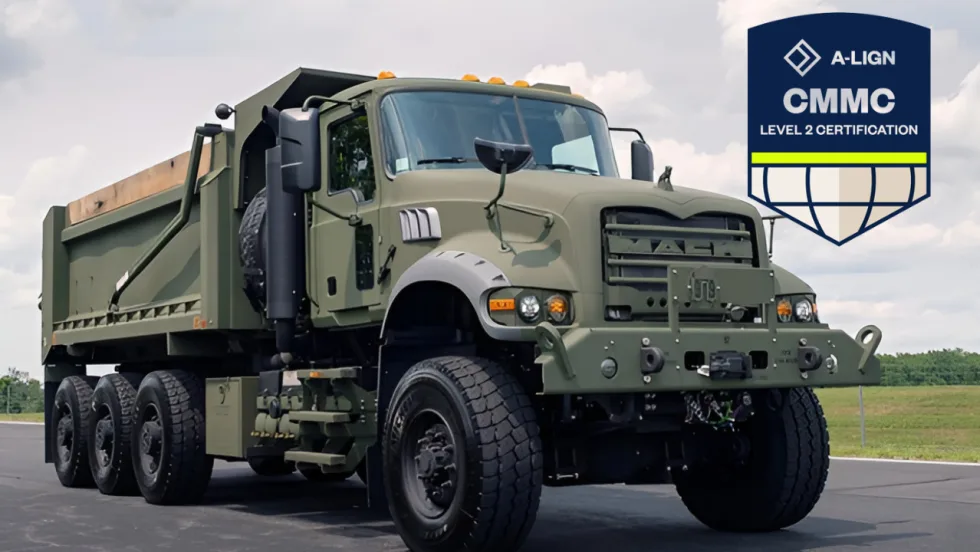
Mack Defense Achieves Cybersecurity Maturity Model Certification Level 2
After an assessment conducted by an authorized Certified Third-Party Assessment Organization (C3PAO), Mack Defense has achieved Cybersecurity Maturity Model Certification (CMMC) Level 2.
Read More →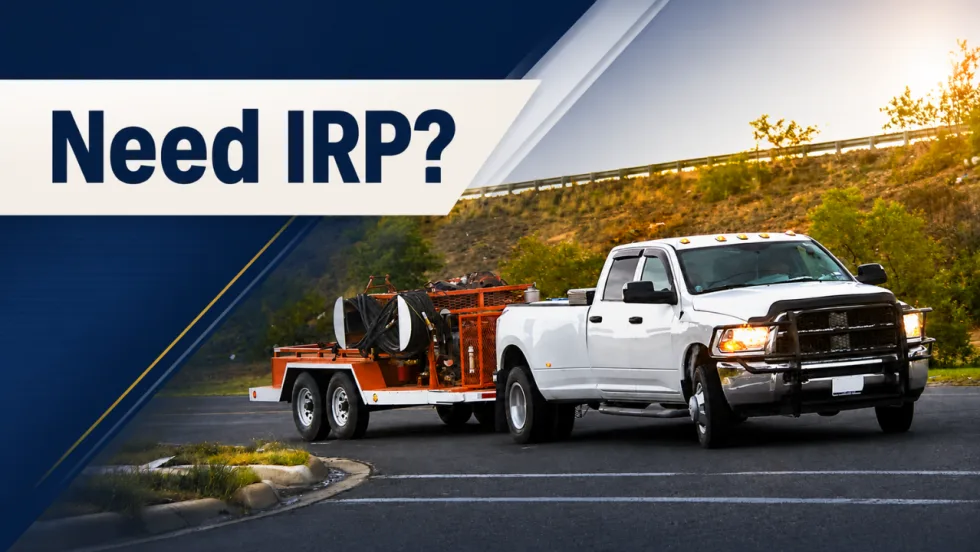
When Work Trucks Under 26,001 Pounds Need IRP Registration
Think trucks under 26,001 pounds are automatically in the clear when it comes to IRP? Not always. Learn where lighter vehicles can still run into trip permit, apportioned registration, and IFTA compliance requirements when crossing state or provincial lines.
Read More →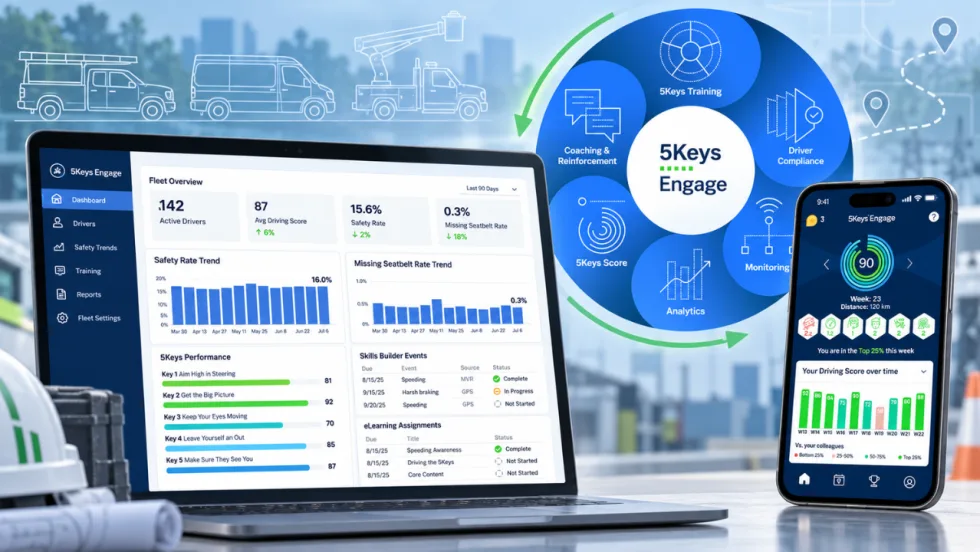
Smith System Wants Work Truck Fleets to Look Beyond the Driver Alert
Smith System’s new Driver Risk Management program is built to help mixed work truck fleets turn telematics alerts and observations into specific behaviors, coaching actions, and measurable follow-up.
Read More →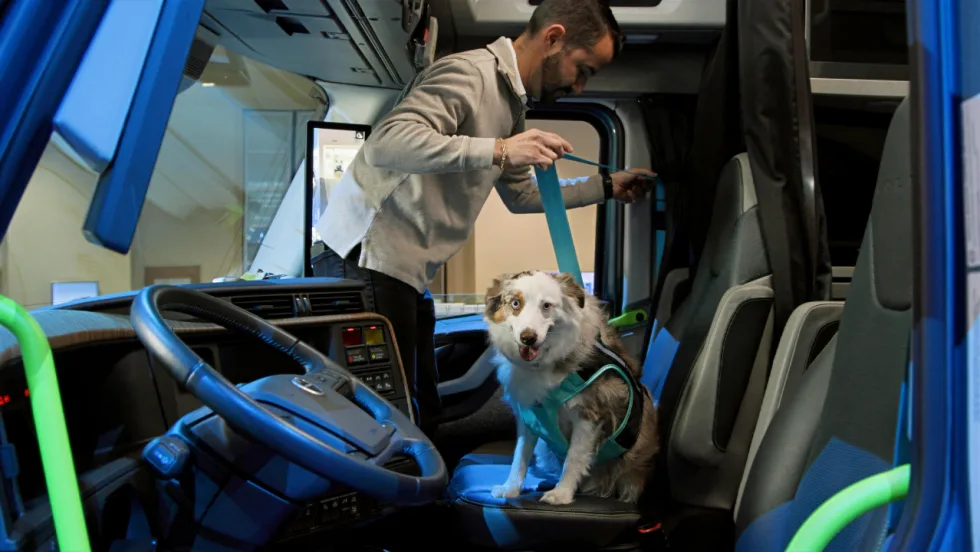
Volvo Trucks Releases New Safety Recommendations for Traveling with Pets
One of the most important recommendations for professional drivers traveling with pets is to ensure pets are properly restrained while the truck is moving. Other tips are available in the new guide from Volvo Trucks North America and Center for Pet Safety.
Read More →
Are Work Truck Drivers Warming Up to Dash Cams and GPS Tracking?
A new survey finds field-service drivers may be more comfortable with dash cams and GPS tracking than fleet managers think, especially when the technology helps protect them after a crash.
Read More →
Recalls You Need to Know About in September 2026
If you have Altec, Chrysler, Ford, Heil, General Motors, International, Mack Trucks, Paccar, Rivian, Royal Truck, Toyota, US Truck Body, or Volvo Trucks vehicles in your fleet, you should check these important recalls issued by the National Highway Safety Administration.
Read More →
API Issues Refueling Safety Guidelines
The American Petroleum Institute offers a list of safe vehicle refueling guidelines, including ways to avoid potential problems with static electricity discharges in fall, winter, and early spring.
Read More →