




Stars, Stripes, and Safe Rides: Protect Your Fleet Drivers This 4th of July
The National Safety Council (NSC) estimates that 599 lives may be lost in preventable traffic crashes during the extended holiday period from 6 p.m. on Wednesday, July 3, to 11:59 p.m. on Sunday, July 7.

Do you know how dangerous the roads can be on the 4th of July holiday? Keep your fleet safe now and all year long.
Photo: Work Truck
As we approach the 4th of July, a time for celebration and patriotism, addressing the heightened risks associated with this holiday on our roadways is crucial.
As fleet managers, you know that operations don't always pause for a holiday. Whether it's delivery fleets, public transportation, or essential services, many fleets need to keep moving even during the 4th of July.
The National Safety Council (NSC) estimates that 599 lives may be lost in preventable traffic crashes during the extended holiday period from 6 p.m. on Wednesday, July 3, to 11:59 p.m. on Sunday, July 7.
This only underscores the need for extra caution to ensure the safety of drivers and fleets still operating during this period.
The Impact of Alcohol-Impaired Driving
Alcohol-impaired driving is a significant concern during the 4th of July holiday. According to the NSC, 40% of fatalities during this period involve an alcohol-impaired driver, making it one of the most dangerous times of the year.
Mark Chung, executive vice president of roadway practice at NSC, emphasizes the devastating impact of such crashes on families and communities. He advocates buckling up, slowing down, driving free of distractions and impairment, and supporting safer road initiatives.
"Driver behavior plays a significant role, which is why distractions, such as phones, must be put away while driving. Policies and infrastructure that promote safe driving practices are also important, and as a country, it's clear that we need them to keep all road users safe as they go from point A to point B. Together, we can – and must – curb this deadly trend to save lives," Chung noted.
Mothers Against Drunk Driving (MADD) also highlights the spike in deaths due to impaired driving during the 4th of July weekend. In 2022, nearly 500 people were killed by impaired drivers over the holiday weekend, according to the National Highway Traffic Safety Administration (NHTSA).
Law enforcement agencies will intensify DUI checkpoints on roads and waterways to mitigate these risks.
Help from Advances in Auto Technology
Advances in passive impaired driving prevention technology promise to transform road safety, potentially eliminating the need for DUI checkpoints during holidays like the 4th of July. This technology, designed to detect and prevent impaired driving, can intervene automatically if a driver is under the influence, thereby stopping the vehicle from being operated unsafely.
A significant step towards this future is the HALT Act, a proposed federal law that mandates automakers to integrate passive impaired driving prevention technology into all new vehicles. The implementation of this law could have a profound impact on public safety.
According to experts, this technology has the potential to save over 10,000 lives each year by preventing impaired driving incidents. Additionally, it could avert hundreds of thousands of injuries annually, offering a substantial reduction in the human and economic costs associated with drunk driving.
The HALT Act represents a proactive approach to road safety, shifting the focus from reactive measures like DUI checkpoints to preventive strategies that stop impaired driving before it can cause harm. This enhances safety during high-risk periods such as the 4th of July and contributes to a safer driving environment year-round. As this technology becomes more widespread, it could usher in a new era of road safety, where impaired driving is significantly curtailed, and our roads become safer for everyone.
Safety Tips for Drivers and Fleet Managers
To ensure safety during the 4th of July holiday, the NSC recommends the following tips:
Buckle Up: Ensure all passengers are wearing seat belts.
Drive Sober: Avoid driving under the influence of alcohol or drugs.
Slow Down: Observe speed limits and drive according to road conditions.
Avoid Distractions: Stay focused on the road and avoid using mobile devices while driving.
Check Vehicle Safety: Perform routine maintenance and ensure your vehicle is in good condition before hitting the road.
For more detailed safety tips and information on in-vehicle safety technologies, visit NSC Safe Roads. Additional data and research can be found at NSC Injury Facts.
More Safety
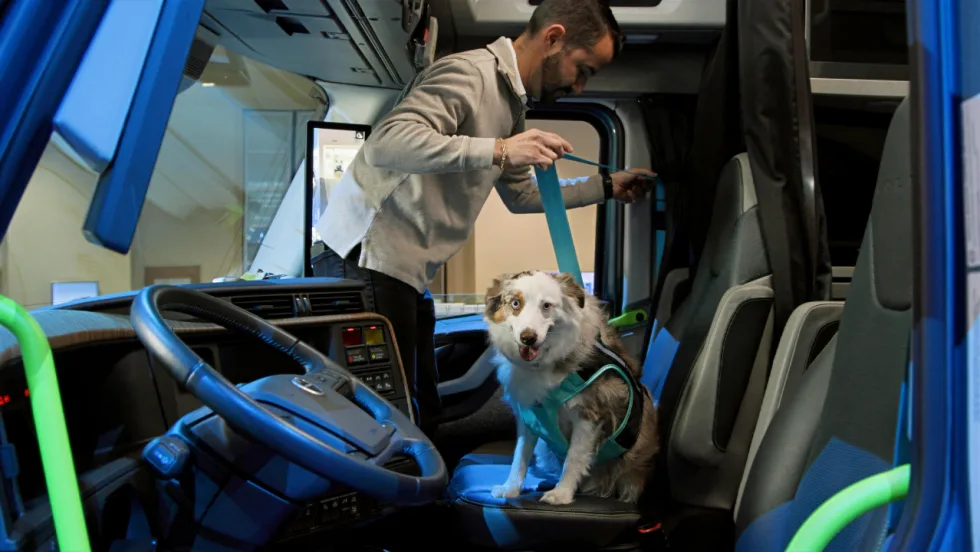
Volvo Trucks Releases New Safety Recommendations for Traveling with Pets
One of the most important recommendations for professional drivers traveling with pets is to ensure pets are properly restrained while the truck is moving. Other tips are available in the new guide from Volvo Trucks North America and Center for Pet Safety.
Read More →
API Issues Refueling Safety Guidelines
The American Petroleum Institute offers a list of safe vehicle refueling guidelines, including ways to avoid potential problems with static electricity discharges in fall, winter, and early spring.
Read More →
Winter Fleet Prep: Expert Tips to Keep Vehicles Running Smoothly
Cold weather can expose weak batteries, tires, fuel systems, and maintenance gaps fast. Use this winter fleet checklist to prepare trucks and drivers before temperatures drop.
Read More →
When a Work Truck Breaks Down, the Job Can Stop, Too
A work truck breakdown can stop more than the vehicle. Discover how payloads, jobsites, and specialty equipment change the roadside response.
Read More →
What Stronger Long-Term Fleet Service Partnerships Actually Require
Fleet service partnerships rarely fall apart all at once. Learn the three warning signs that trust is eroding and what fleets and providers can do before downtime, frustration, and lost revenue follow.
Read More →
Applause & TRUCE Software Partner to Improve Driver Safety Through AI-Powered Telematics & Employee Performance Management
Applause has integrated TRUCE driving metrics directly into its employee-first performance and safety platform that transforms mobile devices into AI-powered telematics.
Read More →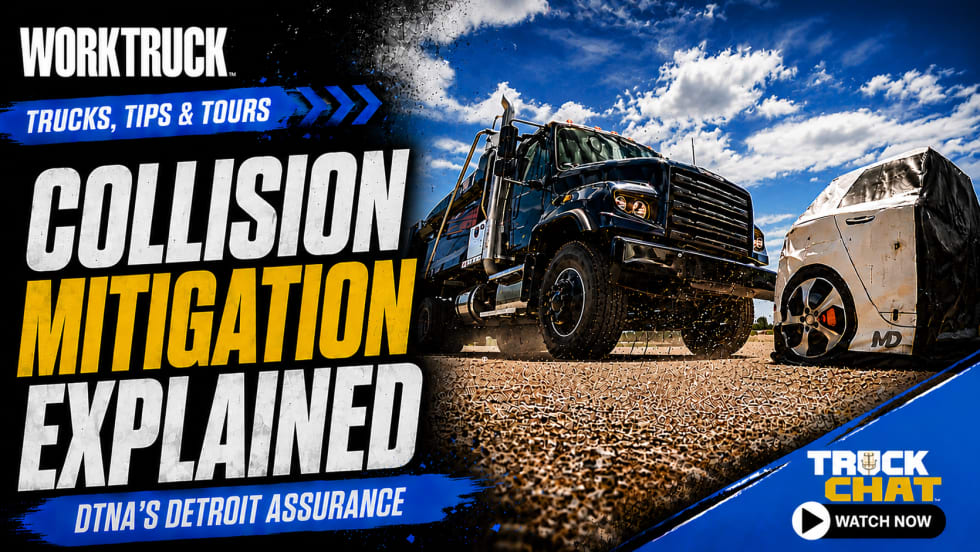
How Detroit Assurance with Active Brake Assist Works
Do you want to see what it is like to experience Detroit Assurance’s Active Brake Assist? In this video, Work Truck will put you in the cab to see how it all works and then hear more details from DTNA’s Mike Young.
Read More →
Get Left of Loss: A 5-Step Workplace Violence Prevention Framework for Fleet Operators
Violence risks do not stop at the driver’s door. Learn five practical steps fleets can take to spot threats early and protect workers before loss occurs.
Read More →
How Better Visibility Cut Speeding Violations by 48%
Fleet leaders don't need more data, they need clearer visibility into what the data is saying. This case study explores how one utility replaced speeding-event counts with a single metric — miles driven in violation — to strengthen safety and significantly reduce speeding violations.
Read More →
13 Safe Driving Tips for Commercial Vehicle Drivers
Make sure you are spending time on the road safely with these important tips.
Read More →