




Fleet Data’s Untapped Potential in Disaster Relief
The fleet industry plays a pivotal role in disaster recovery, yet too often, we find ourselves reacting after the fact. Why aren't we doing more to be proactive?

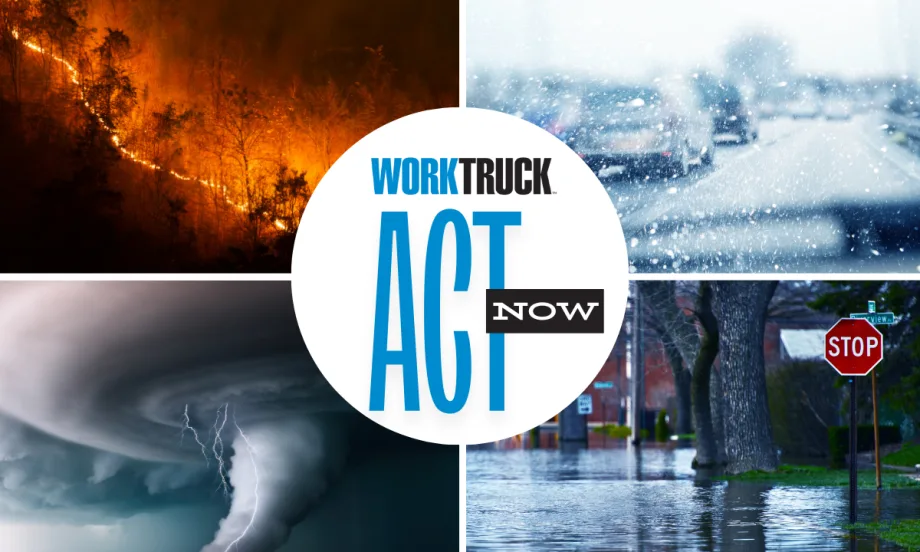
It's time to stop waiting for others to solve the problem and start being the solution. The data is there. The technology is there. The need is there. What's missing is the willingness to do things differently.
Photo: Work Truck
Back in January, I shared a challenge with the fleet world: Stop reacting after disasters strike and start using the powerful data and tools already at our fingertips to prepare for them. This blog wasn’t just a reflection. It was a call to action.
And I meant it.
Since then, the editors at several brands at Bobit Business Media, including Work Truck, have taken real steps to put action behind those words. We created DisasterResponseGuide.com as a centralized resource to help fleets, first responders, and partners better prepare for emergencies. It’s packed with insights, tools, and stories designed to help the industry move from reactive to proactive. This isn’t a one-and-done moment — it’s the start of something ongoing and vital.
Because the truth is, the fleet industry has a front-row seat in disaster response — and a powerful role to play in disaster readiness. When we work together, share data, and use our platforms to push for change, we help keep communities connected, supplies moving, and lives protected.
So if the original blog struck a nerve, or if you’re just now jumping into this conversation, I invite you to explore the guide, share it, and be part of the movement. Because we all have a role to play — and this is just the beginning.
Let’s keep showing up. Let’s keep doing better. And check out the original post below.
Fleet Data Could Save Lives. So Why Aren’t We Using It?
Disaster response is becoming an all-too-familiar part of life for many communities across the globe. Hurricanes, floods, wildfires, tornadoes, and blizzards pose significant threats to people's lives and property and to the operational continuity of industries that keep our world moving.
The fleet industry plays a pivotal role in disaster recovery, yet too often, we find ourselves reacting after the fact. Why aren't we doing more to be proactive?
Every time a disaster strikes, fleet managers and companies scramble to assess the damage, determine the impact on their operations, and figure out how to get their vehicles and people where they need to be. The post-disaster analysis thoroughly evaluates traffic gridlocks, supply chain delays, and vehicle damage. But let's face it: When data is collected, it's already too late for those caught in the storm.
We have so much data at our fingertips. Fleet technology collects millions of fleet data points every day. This data isn't just useful after a disaster, from traffic patterns and vehicle speeds to weather impacts and road conditions; it has the potential to be life-saving before and during an emergency. So, why aren't we using it that way?
The Power of Fleet Data for Disaster Preparedness
Think about it: Traffic gridlock data could help emergency responders identify bottlenecks before they happen, ensuring that evacuation routes remain clear.
Historical weather patterns combined with fleet tracking data could help predict which areas will be hardest hit, allowing fleets to pre-position vehicles and supplies in safer locations. Telematics data could be used to reroute trucks away from dangerous areas in real-time, ensuring driver safety and quicker response times.
These are just a few examples of how our industry data could be used to make a real difference.
But here's the thing: Someone needs to take the lead. It's time for the work truck and fleet industry to step up and answer the call.
Who Will Answer the Call?
We already know that fleets are essential during disaster response efforts. Trucks deliver emergency supplies, evacuate residents, and help rebuild communities after disaster strikes. But imagine a world where we're not just responding to disasters but actively mitigating their impact.
What if fleet companies partnered with local governments and emergency response teams to share traffic and vehicle data in real-time? What if predictive models based on fleet data could help communities prepare for disasters more effectively? What if we used our knowledge to prevent the gridlock and chaos we've seen repeatedly during evacuations?
It's not a question of if this is possible. It's a question of when we're going to make it happen.
The ‘Aha’ Moment: Let's Do Better
The fleet industry has always been about more than just moving goods from point A to point B. It's about keeping the world connected, ensuring people have what they need when they need it most. Disaster response is part of that mission, but we can take it further.
We need to shift from reactive to proactive. We must ask ourselves: How can we leverage the mountains of fleet data we already have to help people before the worst happens? How can we use technology to save lives, not just vehicles? There has to be a way, and it starts with us.
We've seen what can happen when fleets are stuck in gridlock during an evacuation. We've seen communities cut off from essential supplies because roads are impassable. And we've seen fleets take too long to bounce back after a disaster because they weren't prepared. We can't keep doing the same thing and expecting different results.
The fleet industry is sitting on a goldmine of data. Let's use it for good.
Taking the First Steps
Here's my challenge to fleet leaders, telematics providers, and data analysts: Start asking different questions. Instead of asking, "What happened after the disaster?" start asking, "What can we do before it happens?"
Can your data identify evacuation patterns? Can it help predict which routes will become impassable? Can it help local governments optimize their emergency response efforts? Can it reduce the risk of fleets getting caught during a disaster?
We already know the answer: Yes, it can. But someone needs to take the lead.
It's time to stop waiting for others to solve the problem and start being the solution. The data is there. The technology is there. The need is there. What's missing is the willingness to do things differently.
Fleet industry, this is your call to action. Let's answer it.
Let me know what you think, comment below or send me a note and let’s chat!
Lauren Fletcher
VP Content
Lauren.Fletcher@bobit.com
More Blog Posts

Can America Replace Canadian Truck Production Without Hurting U.S. Fleets?
U.S. tariffs are targeting Canadian truck production, but Ford and GM show why moving that manufacturing south isn’t so simple. After 60 years of building one North American supply chain, what could fleets lose by pulling it apart?
Read More →
The Fleet Skills We Keep Missing on Veterans’ Resumes
What if some of the strongest candidates are already out there, but we are overlooking them because their experience is written in a language our industry does not always recognize?
Read More →
Technicians Are Doing More Than Turning Wrenches
Technicians do far more than repair vehicles. Six professionals reveal the problem-solving, pressure, and pride behind keeping fleets moving.
Read More →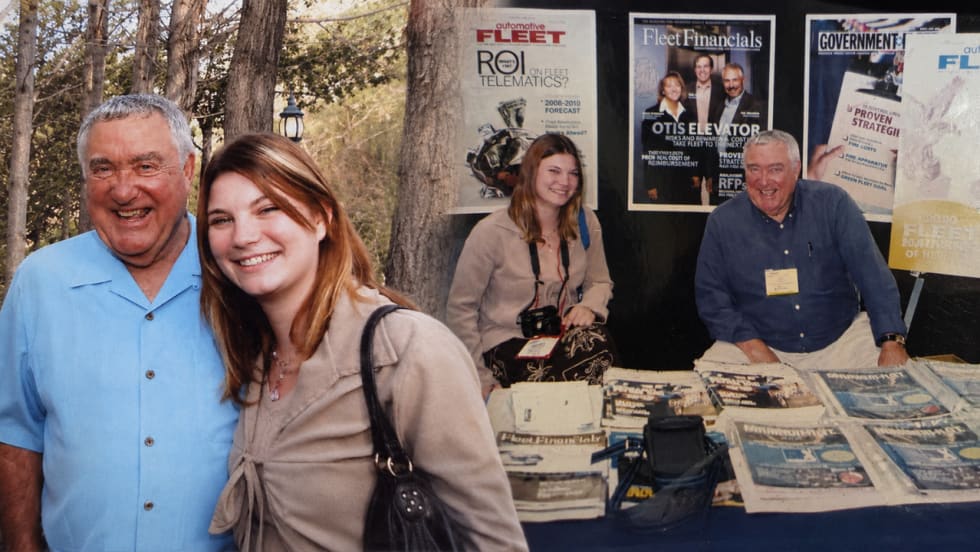
WWCD? What Would Coach Do?
A personal reflection on Ed "Coach" Bobit, the mentor who shaped my career, and why I still ask myself one question 12 years later: WWCD?
Read More →
What the Fleet Industry Still Gets Wrong About Talent
What can the fleet industry learn from the women helping shape its future? A look at talent, leadership, sponsorship, and why new perspectives drive progress.
Read More →
AI Isn’t Killing Content, but Lazy Expertise Is
Thought leadership loses value when AI does the thinking. Here’s why authentic industry voices still matter most.
Read More →
Do I Need a U.S. DOT Number?
Whether you operate a small fleet of light-, medium-, or heavy-duty units, or are merely the owner of one truck wanting to ensure you adhere to the law, knowing if you can need a U.S. DOT number can be confusing.
Read More →
Is Retirement in Fleet Now More Like ‘Rewiring’?
Fleet professionals rarely retire for good. They return as advisors, mentors, and consultants, keeping hard-won experience in the industry.
Read More →
What Does Visibility in Fleet Really Look Like?
Advocacy changes things. Visible trust changes things. Structure changes things. Access changes things. A willingness to share connections, rooms, and opportunities, and a belief in someone before it is convenient, changes things.
Read More →
Work Truck Week 2026 Shows an Industry Focused on Practical Progress
Taken together, these themes show an industry that is not chasing a single technological solution. Instead, it is building a broader toolkit designed to support the diverse and demanding jobs fleets perform every day.
Read More →