





Looking for the latest in disaster preparation and response for commercial and work truck fleets? Be sure to bookmark DisasterResponseGuide.com for all of the latest tips, insights, and more!
How Tech Keeps Truck Fleets Safe During Extreme Weather Events
From tornadoes to heat waves, learn how tech helps fleets avoid dangerous weather conditions and keeps drivers safe on the road, even in the toughest environments.
October 10, 2024
Explore how fleet technology is revolutionizing safety during extreme weather. Real-time updates and predictive alerts are making all the difference for truckers.
Photo: Work Truck
4 min to read
The summer of 2024 brought record-breaking heat waves, tornado outbreaks, and unpredictable weather conditions across the country, significantly stressing trucking, transportation, and logistics operations.
Light- and medium-duty truck operators faced unique challenges, with extreme weather threatening vehicles and drivers and impacting operations.
I spoke with Rishi Mehra, Vice President of Commercial Mapping & Routing Technology at Trimble, about how fleets have adapted to these challenges and how technology has become a lifeline during extreme weather events.
A Summer of Extremes
"One of the biggest challenges this summer has been the extreme heat that's set records on both coasts and in the southwest," Mehra explained.
The record-breaking heat led to more than just discomfort; it also fueled dangerous tornado outbreaks across the country.
"For trucking and logistics operations, the effects of heat waves and tornadoes on vehicles, drivers, and operations can't be ignored," he added.
Extreme heat and severe weather forced fleets to act quickly, rerouting drivers and adjusting schedules to avoid hazards. Drivers had to be flexible, while dispatchers and fleet managers leaned heavily on technology to provide real-time updates.
"Technology exists to help generate advance warnings so fleets and drivers can take action," Mehra noted.
This warning, such as an approaching tornado, is crucial when every minute counts.
Weather Intelligence in Action
Trimble's Weather Intelligence solution has been a game-changer for fleets navigating severe weather conditions.
Mehra shared, "We've been running active trials with several fleets this year, and our solution's alerts and notifications for extreme heat conditions, torrential rain, and tornado warnings were highly accurate."
The solution enabled drivers to make safer choices in real-time, such as pulling over, taking alternate routes, or, in extreme cases, halting operations.
"In some instances, back-office staff had to stop a significant portion of the fleet due to tornado warnings," Mehra added.
The Key Challenges of Extreme Weather
Light- and medium-duty truck operators face several specific challenges during extreme weather.
"Severe weather can lead to significant delays in transportation due to road closures, port shutdowns, and disruptions to air and rail services," Mehra pointed out.
The ripple effect can lead to stockouts, overstock situations, and increased operational costs. Facility damage, power outages, and communication disruptions further complicate matters.
"Fleets must navigate these logistics issues while also accounting for changing consumer behavior before, during, and after severe weather," Mehra explained.
The good news? Advances in technology, like Trimble's integration with WeatherOptics, offer solutions. Predictive weather information allows fleet managers to stay ahead, ensuring operations continue smoothly and safely.
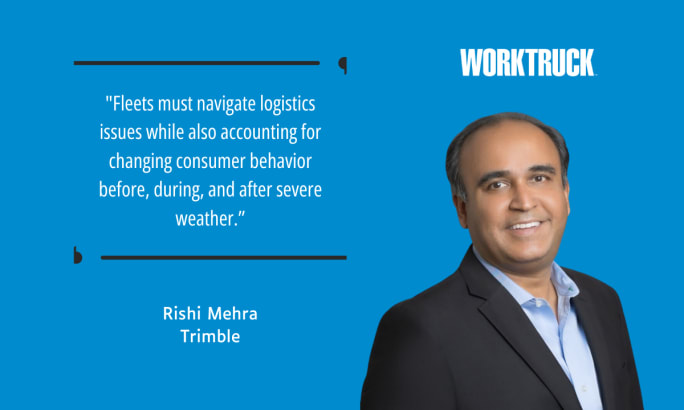
How does technology keep truck drivers safe during unpredictable weather? Rishi Mehra shares the tools fleets use to navigate storms, heat waves, and more.
Photo: Work Truck | Rishi Mehra
The Power of Real-Time Weather Data
Real-time weather data is powerful, especially when integrated directly into navigation systems. Trimble's CoPilot commercial navigation application is one such system that combines real-time weather insights with route-based alerts.
"Drivers have full visibility of weather conditions along their routes and can plan accordingly," Mehra explained.
Fleet managers, too, benefit from these insights. They receive live updates that help them communicate clear directions and modify trip plans as needed. These real-time updates can make the difference between keeping a fleet on the road or shutting down to avoid a dangerous situation.
Enhancing Route Planning and Safety
Integrating weather modeling systems with navigation tools enhances both route planning and safety for drivers.
"It's critical that drivers are equipped with purpose-built technology to safely overcome the unique weather challenges they face on the road," Mehra emphasized.
Trimble's combination of fleet-wide navigation applications and weather models provides drivers with pre-trip risk assessments and in-trip active alerting.
Mehra shared examples of this in action: "High winds in two miles—slow down speed; low visibility five miles ahead—take precautions."
These alerts give drivers actionable insights to keep themselves and their cargo safe.
The Future of Weather-Related Technology
Looking ahead, Mehra sees even more advancements on the horizon. "We're working with our weather data providers to improve predictions and monitor additional parameters like hyper-local wind events, hydroplaning risks, and black-ice conditions."
As climate change continues to alter weather patterns, staying ahead of these changes is critical.
"We must remain vigilant in monitoring new weather parameters that impact driver safety," Mehra added.
Collaboration is Key
For Mehra and Trimble, collaborating with fleet operators is vital in developing technology that addresses real-world challenges. "Understanding how weather events affect operations helps us create solutions that set the industry standard for managing weather-related disruptions," Mehra said.
These collaborations take many forms, including customer feedback and discussions at Trimble's annual Insight Tech Conference. Through these interactions, Trimble ensures its solutions provide real value to the fleets it serves.
Driving Thoughts
Light- and medium-duty truck operators face increasing challenges as extreme weather becomes more frequent and intense. However, with the right technology and tools, fleets can navigate these disruptions more effectively, keeping drivers and goods safe.
Trimble's Weather Intelligence and navigation solutions support this effort, proving that fleets can weather even the worst storms when technology and logistics work together.
Subscribe to Our Newsletter
More Safety & Compliance
Fleetworthy Expands Expedited Inspection to 5 States
Following its industry-first launch in Nevada, Fleetworthy’s automated inspection technology is now live in California, Michigan, Vermont, and Maine.
Read More →
Crossing State Lines in a Light-Duty Work Truck? Check These Rules First
Crossing state lines in a lighter work truck? J.J. Keller's Kathy Close explains when IRP registration, trip permits, and towing rules come into play.
Read More →
GeoFencing Adds to Your Truck Security Arsenal
Geofencing is a familiar fleet tool today, but its early adoption marked a major shift in vehicle tracking, route monitoring, and the debate over employee privacy.
Read More →From Our Partners



Recalls You Need to Know About in October 2026
In October 2026, what recalls might impact your fleet? Work Truck has the answers in this comprehensive overview of recent NHTSA recalls.
Read More →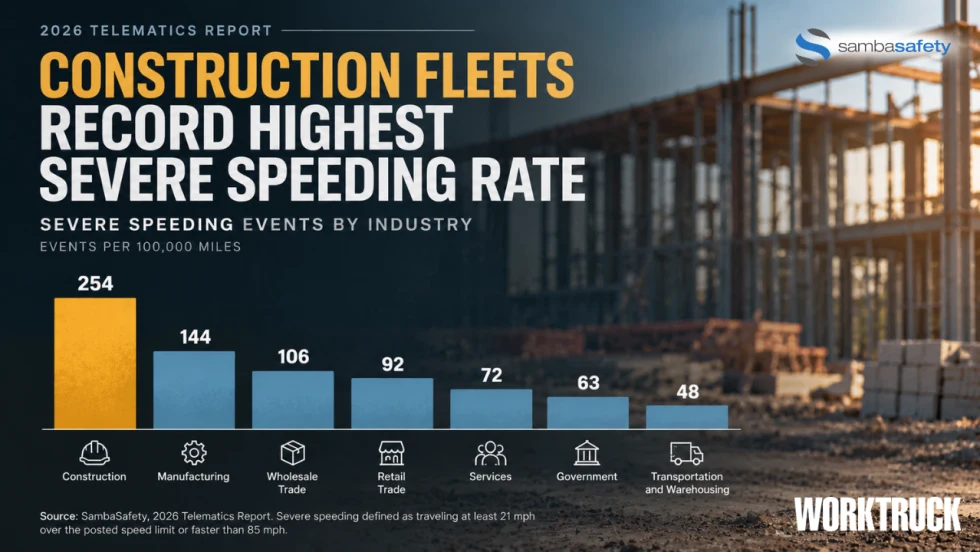
Construction Fleets Show Telematics Adoption Alone May Not Reduce Driving Risk
SambaSafety found construction fleets monitor roughly 92% of their vehicles but recorded the highest severe speeding rate among industries studied.
Read More →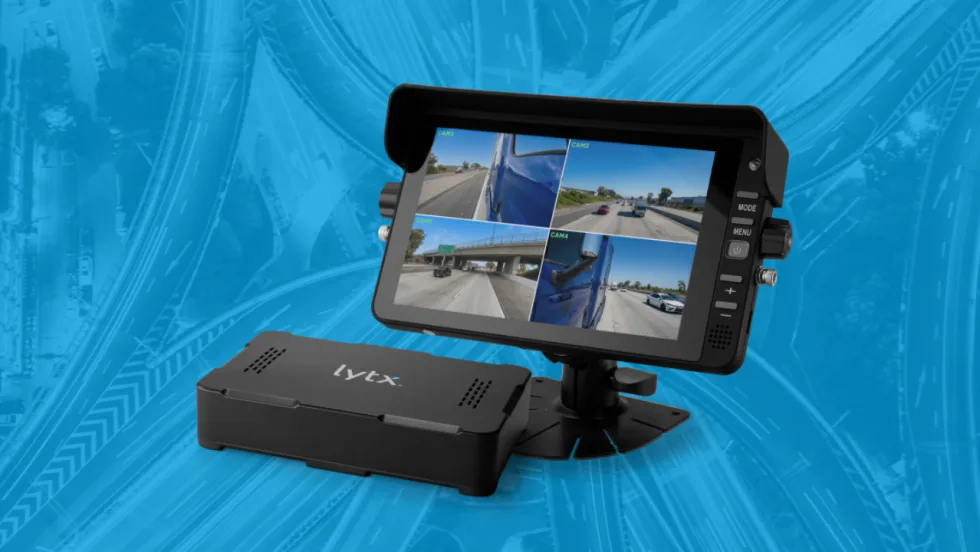
Lytx Launches 360 Hub Kit for Expanded Fleet Camera Visibility
Lytx’s new AI-ready gateway and HD auxiliary camera ecosystem, the Lytx 360 Hub Kit, extends visibility across side, rear, cargo, and blind-zone views to help fleets see more and respond faster.
Read More →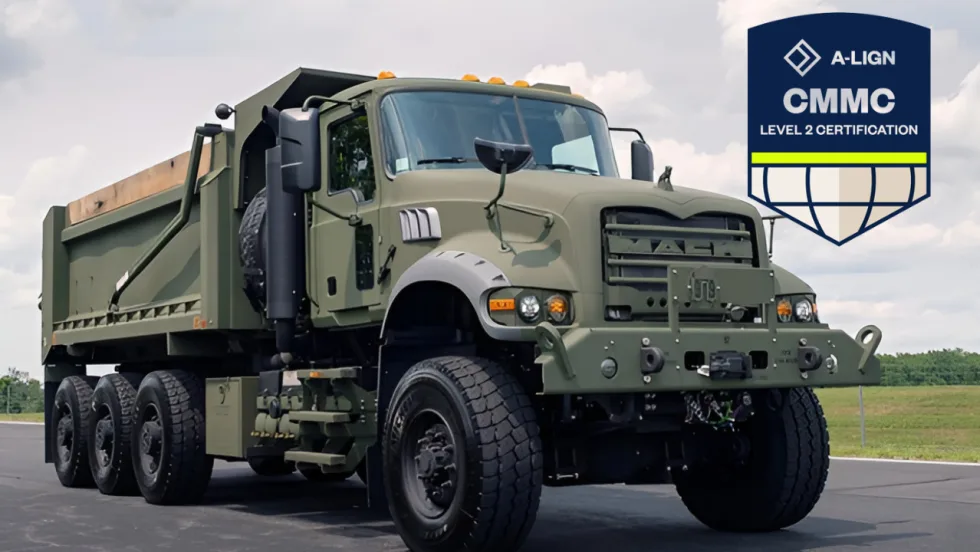
Mack Defense Achieves Cybersecurity Maturity Model Certification Level 2
After an assessment conducted by an authorized Certified Third-Party Assessment Organization (C3PAO), Mack Defense has achieved Cybersecurity Maturity Model Certification (CMMC) Level 2.
Read More →
When Work Trucks Under 26,001 Pounds Need IRP Registration
Think trucks under 26,001 pounds are automatically in the clear when it comes to IRP? Not always. Learn where lighter vehicles can still run into trip permit, apportioned registration, and IFTA compliance requirements when crossing state or provincial lines.
Read More →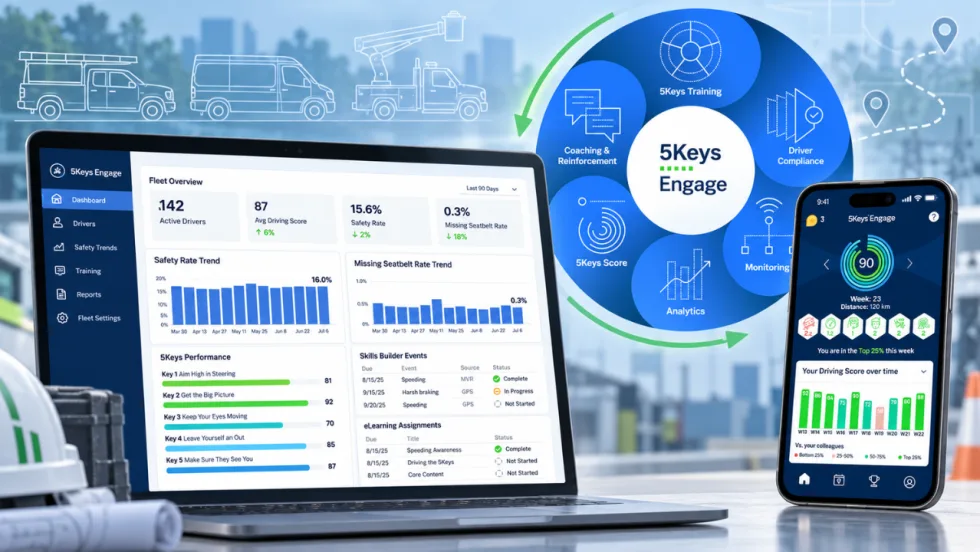
Smith System Wants Work Truck Fleets to Look Beyond the Driver Alert
Smith System’s new Driver Risk Management program is built to help mixed work truck fleets turn telematics alerts and observations into specific behaviors, coaching actions, and measurable follow-up.
Read More →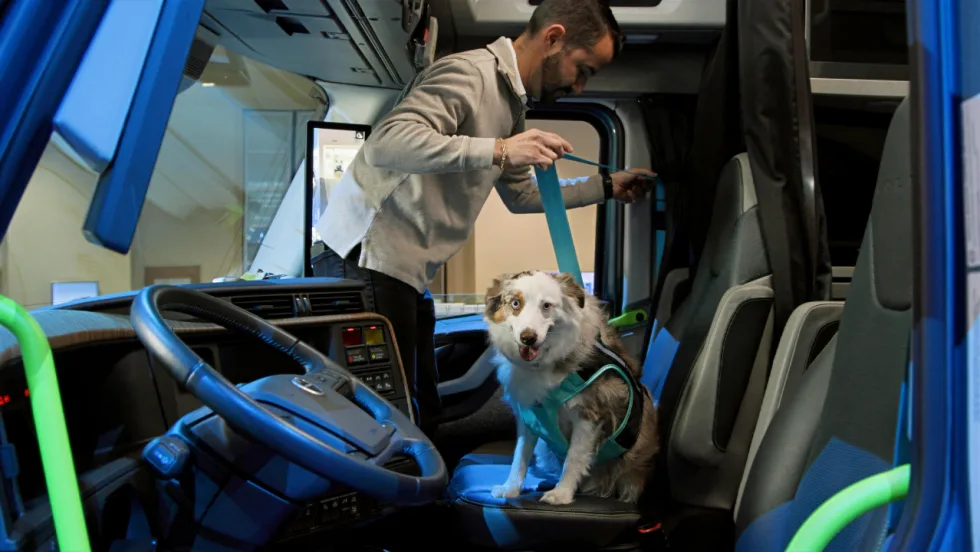
Volvo Trucks Releases New Safety Recommendations for Traveling with Pets
One of the most important recommendations for professional drivers traveling with pets is to ensure pets are properly restrained while the truck is moving. Other tips are available in the new guide from Volvo Trucks North America and Center for Pet Safety.
Read More →