




Looking for the latest in Disaster Preparation and Response? Check out our guide today with downloadable resources, features, tips, and more!
Tornado Driving: Staying Safe
What is a driver to do in order to prepare for a potential tornado, or worse still, if he or she finds himself driving through a tornado? Experts from FEMA offer the following advice on how to prepare.
by Marianne Matthews
June 3, 2019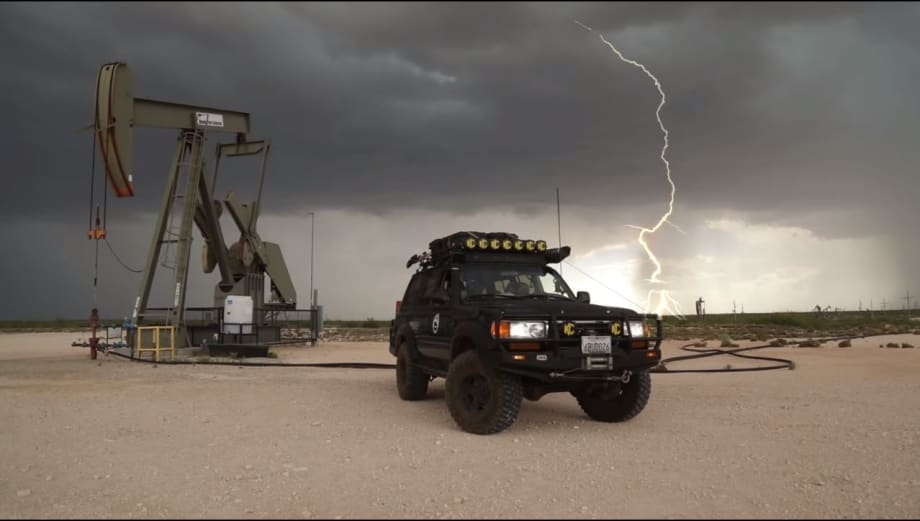
On average, tornado warnings are issued just 13 minutes before the event, but warning times may vary and may be much shorter.
Screenshot via Overland Bound.
3 min to read
Though they can strike in any season, tornadoes occur most often in the spring and summer. Approximately 1,200 tornadoes hit the U.S. every year. While every state is at risk, the majority of these spinning storms happen east of the Rocky Mountains, according to the Federal Emergency Management Agency (FEMA).
Tornadoes can be tricky—with warning signs suddenly appearing. NWS, part of the National Oceanic and Atmospheric Administration (NOAA), issues a tornado warning when a tornado has been sighted or indicated by weather radar.
On average, tornado warnings are issued just 13 minutes before the event, but warning times may vary and may be much shorter.
So what is a driver to do in order to prepare for a potential tornado, or worse still, if he or she finds himself driving through a tornado? Experts from FEMA offer the following advice on how to prepare for, and stay safe, in the event a tornado is headed your way while you are behind the wheel.
Pack a 3-day Kit—Drivers should keep an emergency bag in their vehicles. Make sure it is a “grab and go” kind of satchel—light enough to carry, as you need to leave your vehicle once a tornado is on the way. Kits should include a first aid kit, water, food such as protein bars, a small flashlight, and a pocketknife.
Download an App—There are apps available that can help drivers stay on top of tornado alerts. These are ideal for anyone driving through Tornado Alley, the heart of which includes parts of Texas, Oklahoma, Kansas, Nebraska, eastern Colorado, and South Dakota. One app to look for is known as Tornado Spy.
Don't try to outrun a tornado—Tornados touch down in various locations and change directions rapidly. If you know one is on the way while you are driving, do not try to outrun it; this can be very dangerous. Pull over as soon as you see a building where you can take cover.
Leave the vehicle and seek shelter—Drivers should never stay in their vehicles during a tornado because vehicles can literally leave the ground and fly away. Ideally, you want to find a storm shelter or a basement. But if you can’t locate one of these quickly, take cover in any small interior room and stay far away from windows and anything else that can break or shatter.
Don't go to an underpass—Never take cover in an underpass because it can turn into a wind tunnel and you can be struck by flying debris.
Find a ditch—If you are driving in the middle of the nowhere and there are no buildings in sight where you can take shelter, it is still critical to abandon your vehicle. Get out of the car and take shelter in a ditch. Stay as low as possible and cover your head.
Originally posted on Automotive Fleet
More Safety & Compliance
Fleetworthy Expands Expedited Inspection to 5 States
Following its industry-first launch in Nevada, Fleetworthy’s automated inspection technology is now live in California, Michigan, Vermont, and Maine.
Read More →
Crossing State Lines in a Light-Duty Work Truck? Check These Rules First
Crossing state lines in a lighter work truck? J.J. Keller's Kathy Close explains when IRP registration, trip permits, and towing rules come into play.
Read More →
GeoFencing Adds to Your Truck Security Arsenal
Geofencing is a familiar fleet tool today, but its early adoption marked a major shift in vehicle tracking, route monitoring, and the debate over employee privacy.
Read More →From Our Partners



Recalls You Need to Know About in October 2026
In October 2026, what recalls might impact your fleet? Work Truck has the answers in this comprehensive overview of recent NHTSA recalls.
Read More →
Construction Fleets Show Telematics Adoption Alone May Not Reduce Driving Risk
SambaSafety found construction fleets monitor roughly 92% of their vehicles but recorded the highest severe speeding rate among industries studied.
Read More →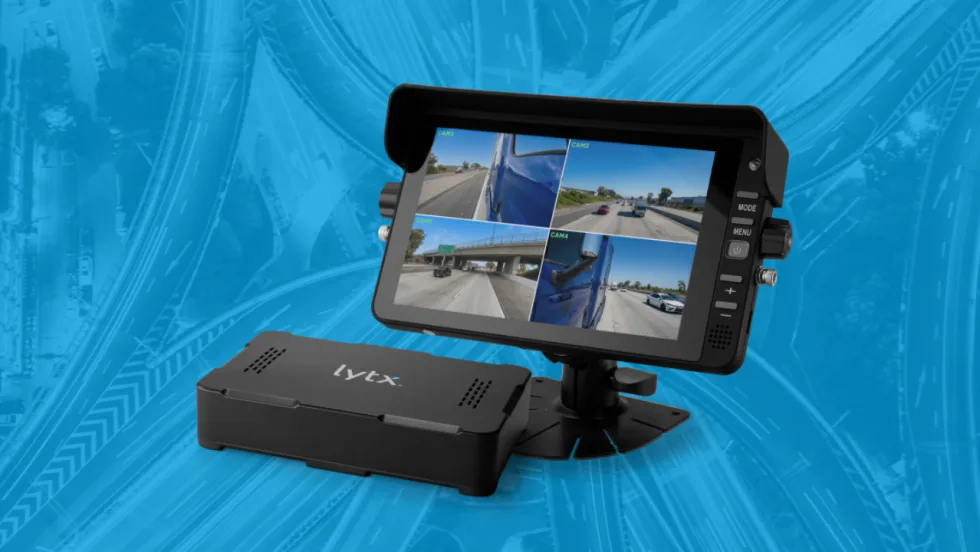
Lytx Launches 360 Hub Kit for Expanded Fleet Camera Visibility
Lytx’s new AI-ready gateway and HD auxiliary camera ecosystem, the Lytx 360 Hub Kit, extends visibility across side, rear, cargo, and blind-zone views to help fleets see more and respond faster.
Read More →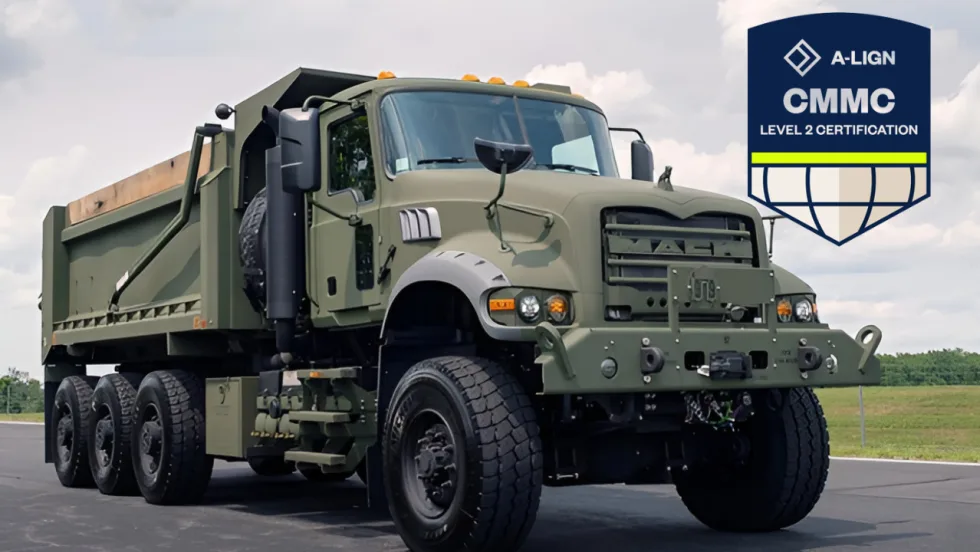
Mack Defense Achieves Cybersecurity Maturity Model Certification Level 2
After an assessment conducted by an authorized Certified Third-Party Assessment Organization (C3PAO), Mack Defense has achieved Cybersecurity Maturity Model Certification (CMMC) Level 2.
Read More →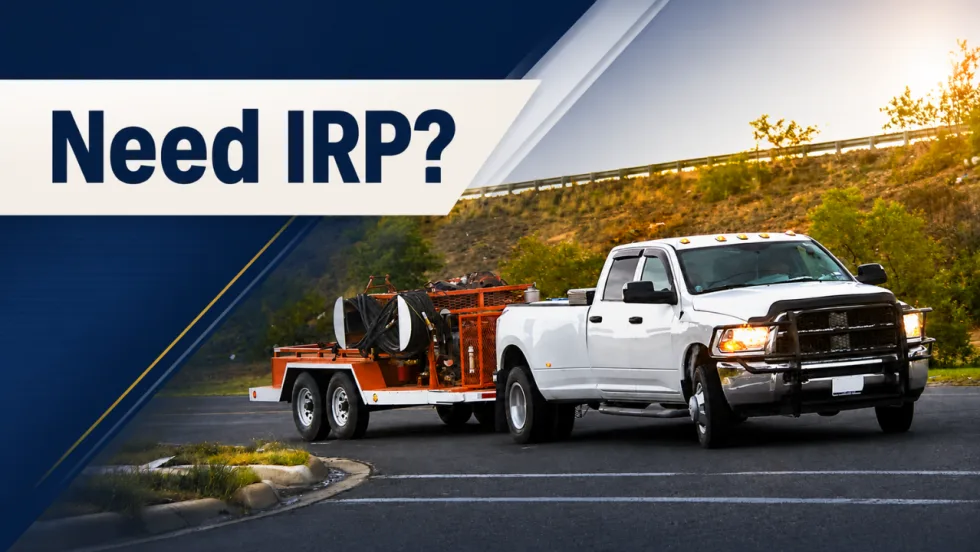
When Work Trucks Under 26,001 Pounds Need IRP Registration
Think trucks under 26,001 pounds are automatically in the clear when it comes to IRP? Not always. Learn where lighter vehicles can still run into trip permit, apportioned registration, and IFTA compliance requirements when crossing state or provincial lines.
Read More →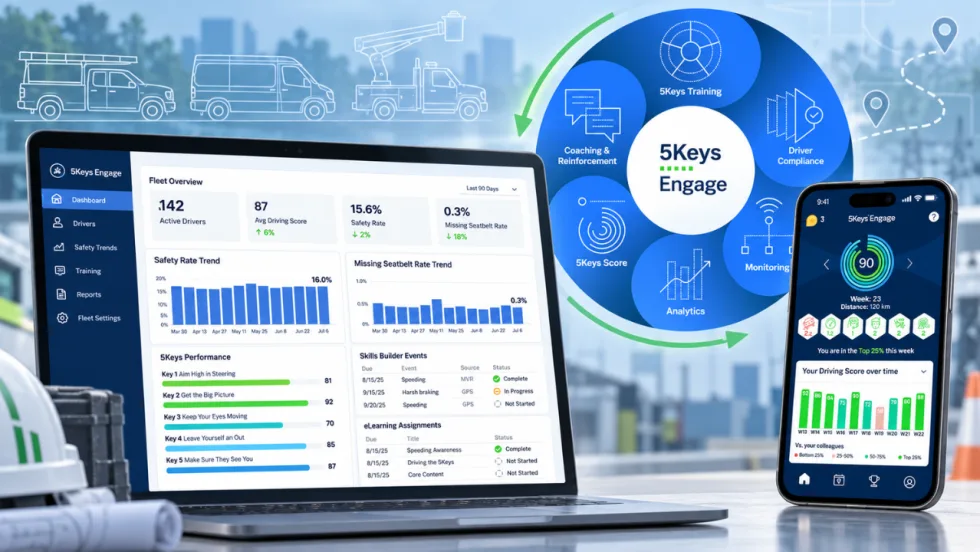
Smith System Wants Work Truck Fleets to Look Beyond the Driver Alert
Smith System’s new Driver Risk Management program is built to help mixed work truck fleets turn telematics alerts and observations into specific behaviors, coaching actions, and measurable follow-up.
Read More →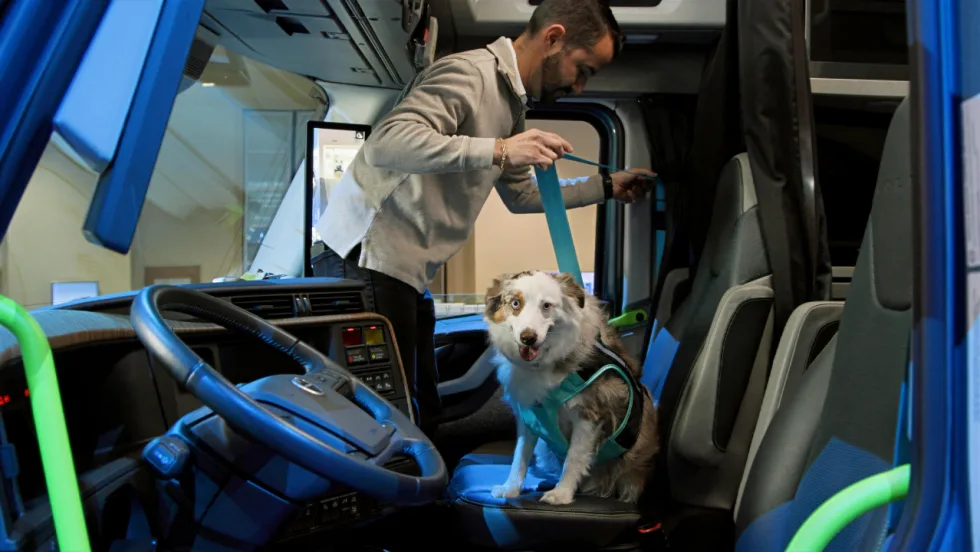
Volvo Trucks Releases New Safety Recommendations for Traveling with Pets
One of the most important recommendations for professional drivers traveling with pets is to ensure pets are properly restrained while the truck is moving. Other tips are available in the new guide from Volvo Trucks North America and Center for Pet Safety.
Read More →