News
Construction Fleets Show Telematics Adoption Alone May Not Reduce Driving Risk
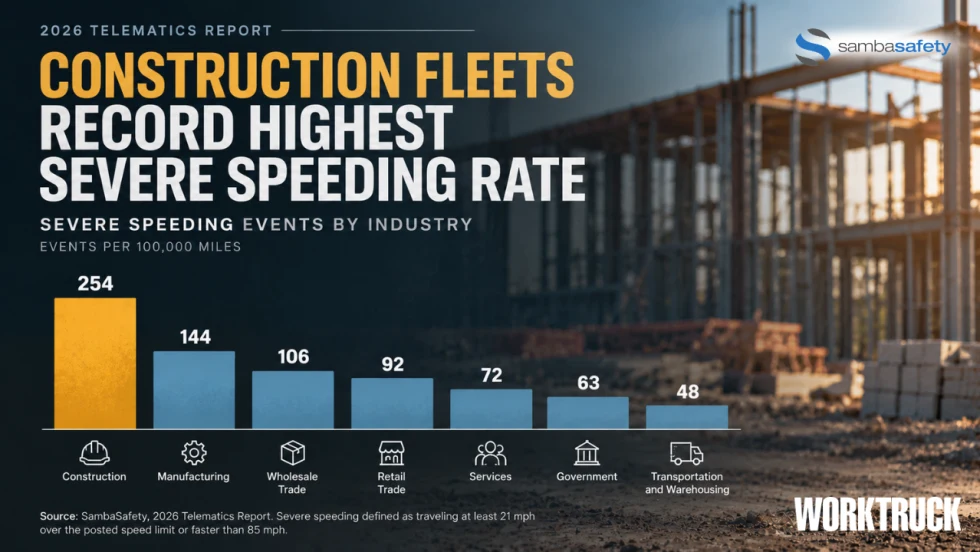
SambaSafety found construction fleets monitor roughly 92% of their vehicles but recorded the highest severe speeding rate among industries studied.
Read More → MENU
 SEARCH
Coverage of strategies, policies, technologies, and training that help reduce crashes, improve driving behavior, address distracted and risky driving, and support safer fleet operations.
SambaSafety found construction fleets monitor roughly 92% of their vehicles but recorded the highest severe speeding rate among industries studied.
Read More →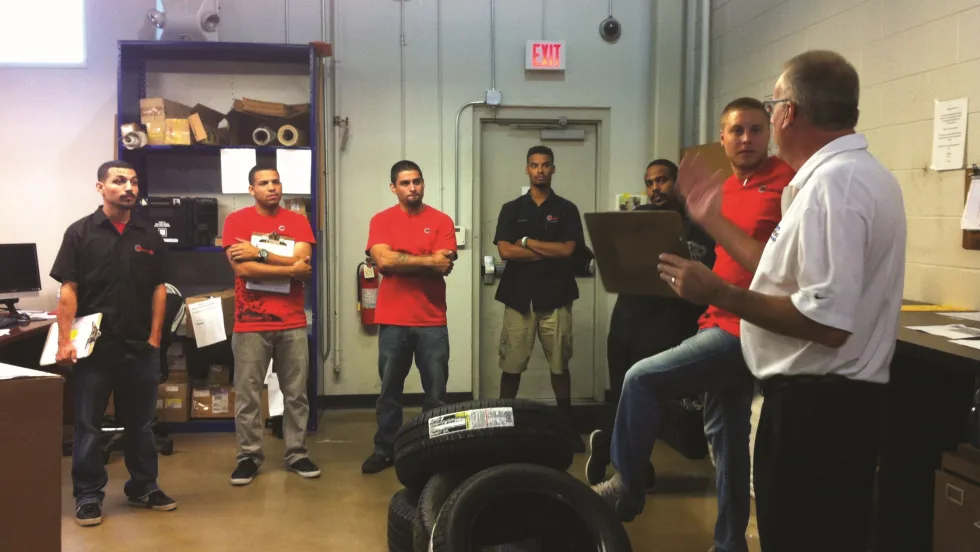
From driver training and safety meetings to one-on-one coaching and incentive programs, several small fleets share how they have developed a safety culture with their drivers using low- to no-cost resources.
Read More →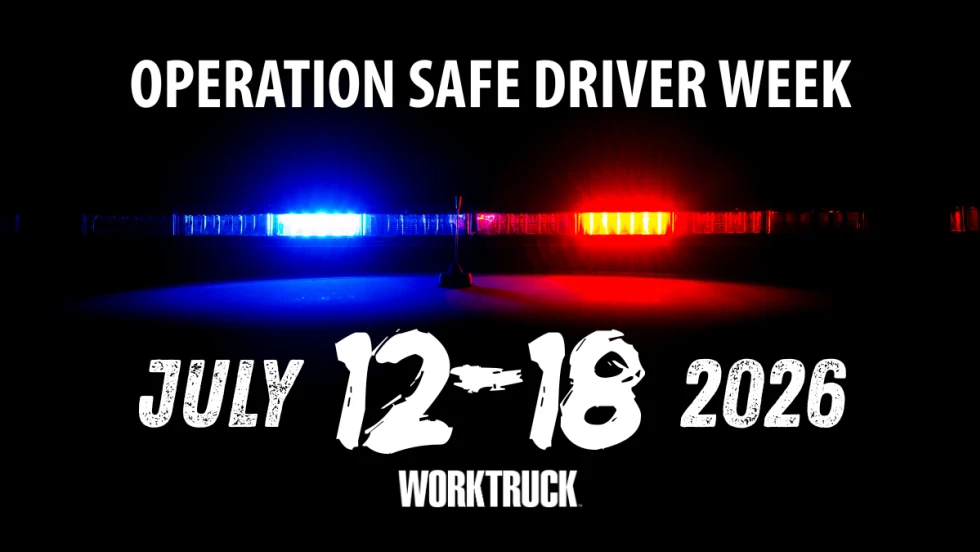
Operation Safe Driver Week begins July 12. Use this checklist to review speeding, seat belts, coaching, telematics, and safety policies before enforcement starts.
Read More →
Slips, trips, and falls are a top driver injury risk, especially in winter. Learn tips to boost safety, reduce costs, and keep your fleet accident-free this season!
Read More →
The company places a high value on input from drivers and leadership, ensuring voices are heard and veterans have a place to grow.
Read More →
Driver turnover costs a company money. Engaged drivers feel more connected to their workplaces (their vehicles). Working on driver engagement can help reduce driver turnover and improve fleet safety.
Read More →
When more than 60% of delivery crashes happen in the parking lot, it's time to take action. Follow these seven tips to increase driver safety in parking lots.
Read More →
The safety performance history records request (SPHRR) offers a glimpse into an applicant’s possible unsafe behaviors while at another motor carrier. After 15 years, it still generates several questions.
Read More →
As driver turnover increases, companies are looking for ways to implement practices that improve their fleet management and retain their employees for the long haul.
Read More →
The worst time to realize your trucking fleet’s safety program doesn’t measure up is when you’re answering attorneys’ questions in court or at a deposition.
Read More →
OSHA regs require an employer to provide a workplace (which includes upfitted work vehicles) free from recognized hazards. The best way to make a work truck fleet more ergonomic is to proactively identify and rectify potential issues.
Read More →