




How Driver Training Can Help Fleets Reduce Liability — and Improve Safety
The worst time to realize your trucking fleet’s safety program doesn’t measure up is when you’re answering attorneys’ questions in court or at a deposition.

Photo courtesy of CarriersEdge.
The worst time to realize your trucking fleet’s safety program doesn’t measure up is when you’re answering attorneys’ questions in court or at a deposition.
Yet even the best companies can find themselves in that uncomfortable position. If they do, it’s a sure bet the fleet’s own safety training program is one of the first places plaintiffs’ attorneys will look for material to help their cause.
In the process of working with fleets and insurance providers on truck driver training, it's evident that some of the issues that can prove to be the most damning for fleets in court often occur when fleets don’t give as much thought to their driver training program as they should. And those issues can lie in wait like unexploded mines.

One significant trigger is evidence of insufficient or negligent training in the fleets’ own records. Claims specialists at leading insurance providers say that during the deposition process or in court, the plaintiff’s attorneys will often ask for the fleets’ training records.
“Attorneys have a checklist of things they ought to be requesting,” says Don Huston, senior claims specialist with Sentry Insurance. “We’re seeing the records-request letters more often.”
Another potential trigger? Lack of evidence the training programs were ever implemented. After all, however good it may be, the mere existence of a program isn’t a good defense if there’s no record of implementation. Risk management experts say that without something to verify training took place, courts will likely assume it didn’t.
How a Good Safety Program Benefits Your Trucking Fleet
Implementation and documentation can be key to reducing a fleet’s legal liability, and that’s important. But the primary purpose of good safety programs should be to keep workers, customers, and the motoring public safe from harm.
Since they can lower the numbers of injury claims and the amounts of potential damage, safety programs may also help fleets save money by reducing or keeping their insurance rates steady.
Good safety programs can also improve driver recruitment and retention. After all, employees are more likely to go to work for and stay with companies that create and maintain safe work environments.
Reaping all those benefits requires fleets take a more proactive approach to ensure their safety and driver training programs are as strong as they should be.
Elements of a Good Truck Fleet Safety Program
A good safety program needs to be real with a strong plan of implementation. Too often fleets assume that when drivers pass their commercial drivers license exams and are granted a commercial driver’s license, they’ve received all of their required training. It’s a wrong line of thinking.
An effective program instills in drivers and employees alike a sense that safety is not only a significant part of the company’s culture, but also an ongoing process.
The program must give drivers the tools and best practices for being safe on the road and at pickup and delivery points. It needs to provide regular feedback to employee and employer about effectiveness in terms of improved safety performance.
While some fleet managers might think holding a driver meeting and showing their drivers a training video is good enough, juries can be convinced to look at the situation much differently.
Insurance companies note the most common deficiencies in training programs is a lack of ongoing driver engagement.
Safety policies may get a mention during the orientation session (“onboarding,” in the current business terminology), but those meetings are also taken up by paperwork, such as forms drivers fill out to indicate where they want their paychecks deposited.
The Importance of Ongoing Truck Driver Safety Training
Safety training ought to continue for all drivers, regardless of seniority, for as long as they work for the company. This training should remind and reinforce the lessons drivers learned in previous training sessions.
Training programs are most effective when people hear things continuously resulting in the program’s steps becoming engrained in their thought processes. When experienced drivers have received repeated courses on defensive driving, they’re more likely to apply that training in an emergency.
Safety and training programs should also be well-documented. Thorough, detail-rich recordkeeping should include details such as when the training took place and for how long, including:
What kind of training did drivers receive and on what topics?
Was there any measurement taken regarding the drivers’ understanding and retention of the material?
If there were any subjects drivers needed to review or work on, what sort of follow-up was done?
When companies face liability claims, the ability to produce records demonstrating a serious, concerted effort in safety training can significantly reduce the amount of a potential settlement.
Don't Let Your Fleet Safety Program Fall Through the Cracks
The daily stresses and strains of running a business sometimes push the development and implementation of a good safety program to the background. But lack of attention can wind up making a weak or non-existent program as much a liability as the claims companies can face in court.
But perhaps more importantly, insufficient or non-existent training can become accidents waiting to happen.
About the Author: Mark Murrell is president of CarriersEdge, a leading provider of online driver training for the trucking industry, and co-creator of Best Fleets to Drive For, an annual evaluation of the best workplaces in the North American trucking industry.
This contributed guest article was authored and edited according to Heavy Duty Trucking’s editorial standards and style to provide useful information to our readers. Opinions expressed may not reflect those of Bobit.
More Safety
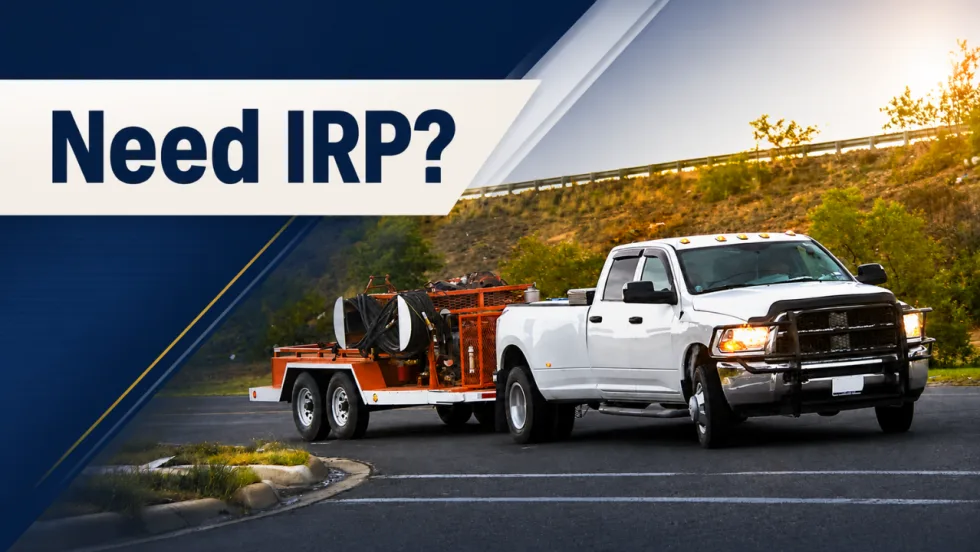
When Work Trucks Under 26,001 Pounds Need IRP Registration
Think trucks under 26,001 pounds are automatically in the clear when it comes to IRP? Not always. Learn where lighter vehicles can still run into trip permit, apportioned registration, and IFTA compliance requirements when crossing state or provincial lines.
Read More →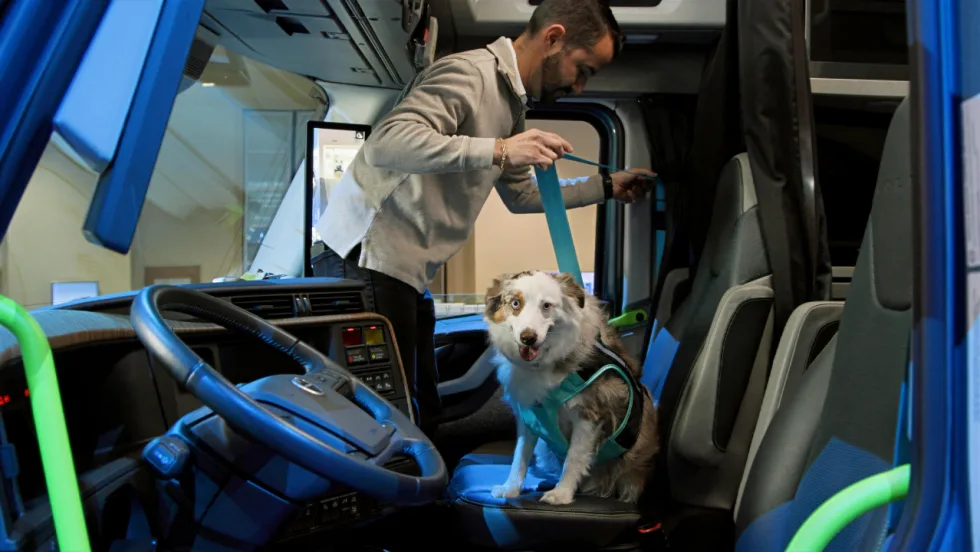
Volvo Trucks Releases New Safety Recommendations for Traveling with Pets
One of the most important recommendations for professional drivers traveling with pets is to ensure pets are properly restrained while the truck is moving. Other tips are available in the new guide from Volvo Trucks North America and Center for Pet Safety.
Read More →
API Issues Refueling Safety Guidelines
The American Petroleum Institute offers a list of safe vehicle refueling guidelines, including ways to avoid potential problems with static electricity discharges in fall, winter, and early spring.
Read More →
Winter Fleet Prep: Expert Tips to Keep Vehicles Running Smoothly
Cold weather can expose weak batteries, tires, fuel systems, and maintenance gaps fast. Use this winter fleet checklist to prepare trucks and drivers before temperatures drop.
Read More →
When a Work Truck Breaks Down, the Job Can Stop, Too
A work truck breakdown can stop more than the vehicle. Discover how payloads, jobsites, and specialty equipment change the roadside response.
Read More →
What Stronger Long-Term Fleet Service Partnerships Actually Require
Fleet service partnerships rarely fall apart all at once. Learn the three warning signs that trust is eroding and what fleets and providers can do before downtime, frustration, and lost revenue follow.
Read More →
Applause & TRUCE Software Partner to Improve Driver Safety Through AI-Powered Telematics & Employee Performance Management
Applause has integrated TRUCE driving metrics directly into its employee-first performance and safety platform that transforms mobile devices into AI-powered telematics.
Read More →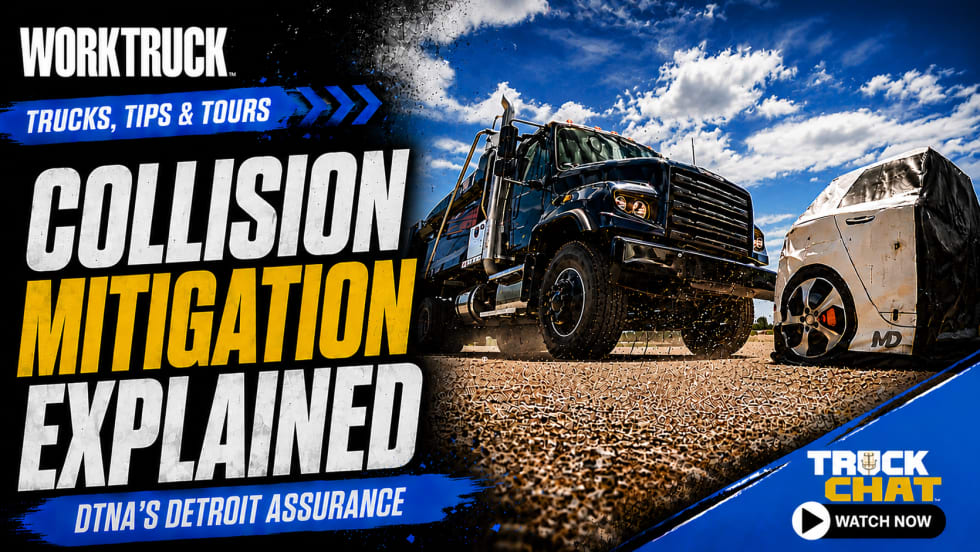
How Detroit Assurance with Active Brake Assist Works
Do you want to see what it is like to experience Detroit Assurance’s Active Brake Assist? In this video, Work Truck will put you in the cab to see how it all works and then hear more details from DTNA’s Mike Young.
Read More →
Get Left of Loss: A 5-Step Workplace Violence Prevention Framework for Fleet Operators
Violence risks do not stop at the driver’s door. Learn five practical steps fleets can take to spot threats early and protect workers before loss occurs.
Read More →
How Better Visibility Cut Speeding Violations by 48%
Fleet leaders don't need more data, they need clearer visibility into what the data is saying. This case study explores how one utility replaced speeding-event counts with a single metric — miles driven in violation — to strengthen safety and significantly reduce speeding violations.
Read More →