





Read More: 13 Safe Driving Tips for Commercial Vehicle Drivers
Volvo Trucks Releases New Safety Recommendations for Traveling with Pets
One of the most important recommendations for professional drivers traveling with pets is to ensure pets are properly restrained while the truck is moving. Other tips are available in the new guide from Volvo Trucks North America and Center for Pet Safety.
September 4, 2026
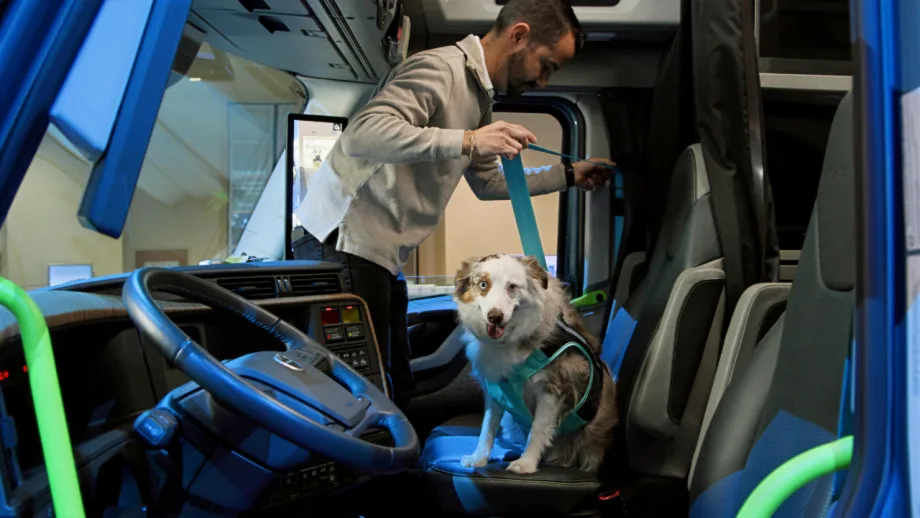
Volvo Trucks North America and Center for Pet Safety are highlighting new recommendations in a free guide for professional drivers who travel with their pets.
Credit:
Volvo Trucks
3 min to read
- Volvo Trucks emphasizes the importance of properly restraining pets while in transit to ensure safety.
- Professional drivers can access a comprehensive guide for pet travel safety created by Volvo Trucks North America and the Center for Pet Safety.
- The guide offers additional travel tips to help drivers safely travel with their pets.
*Summarized by AI
Around 800,000 pets are traveling in truck cabs across the U.S., and Volvo Trucks North America and Center for Pet Safety are highlighting new recommendations to help professional drivers keep their four-legged co-pilots safer on the road.
More than 60% of commercial truck drivers are pet owners, and nearly 40% of them bring their pets along for the ride. To increase safety for pets on the road, Volvo Trucks and the nonprofit organization Center for Pet Safety have issued a free guide for all pet-loving drivers.
“For many professional drivers, a dog or cat can be more than a pet waiting at home. They are a constant companion through thousands of miles, long shifts and nights on the road,” said Maddie Sullivan, product marketing manager at Volvo Trucks North America.
How to Properly Restrain Pets
The guide includes recommendations on how to choose and use crash-tested harnesses and carriers, prepare for emergencies, manage hot and cold weather, and safely navigate overnight stops with a pet. It also covers pet first-aid kits, seasonal safety, emergency preparedness, and hotel etiquette.
One of the most important recommendations is also one of the simplest: pets should be properly restrained while the truck is moving.
“Professional drivers spend more hours behind the wheel than almost anyone, and for many of them, their pet is part of that daily routine,” said Lindsey Wolko, founder and chief executive officer of the Center for Pet Safety. “The new guide gives them real, practical answers, from picking a harness or crate that actually protects in a crash to knowing what to do if something goes wrong.”
The guide is designed for both drivers taking a pet on the road for the first time and those who have already logged hundreds of thousands of miles with a dog or cat by their side.
“Safety has always been part of Volvo’s DNA, and that shows in how much changed with the all-new Volvo VNL,” said Sullivan. “This guide helps drivers apply the same safety mindset to the animals that travel alongside them every day.”
Download the free Safe Travels with Your Pet guide on Volvo’s website.
Volvo’s Pet Safety Research
The guidance follows a first-of-its-kind evaluation conducted late last year at the Volvo Customer Center in Dublin, Virginia. Center for Pet Safety experts examined the Volvo VNL from a pet safety perspective, studying its anchor points, restraint options, and climate control. They also took to the test track with dogs secured in Center for Pet Safety-approved harnesses and carriers to evaluate how the systems worked in real driving conditions.
The evaluation found that the Volvo VNL’s strength-tested anchor points are compatible with Center for Pet Safety Certified harnesses and carriers.
More Safety & Compliance
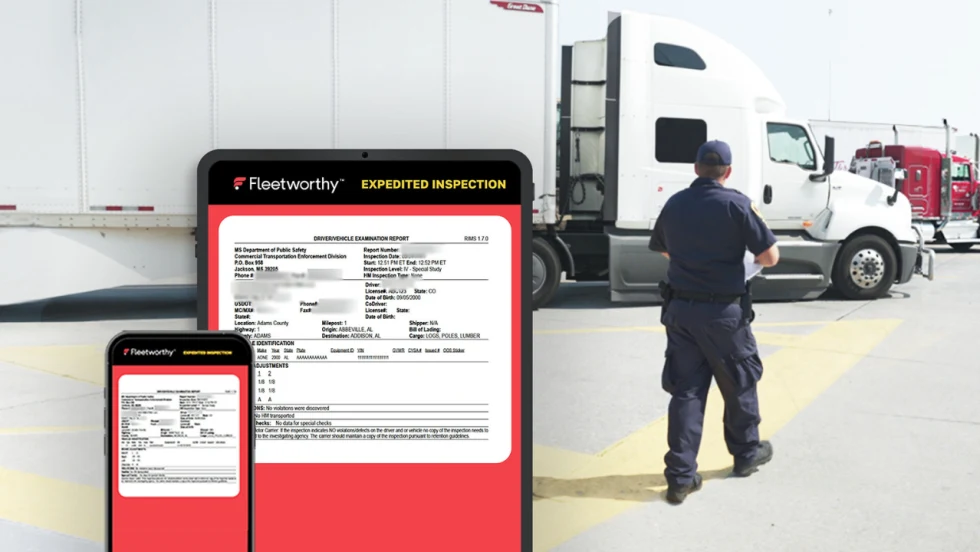
Fleetworthy Expands Expedited Inspection to 5 States
Following its industry-first launch in Nevada, Fleetworthy’s automated inspection technology is now live in California, Michigan, Vermont, and Maine.
Read More →
Crossing State Lines in a Light-Duty Work Truck? Check These Rules First
Crossing state lines in a lighter work truck? J.J. Keller's Kathy Close explains when IRP registration, trip permits, and towing rules come into play.
Read More →
GeoFencing Adds to Your Truck Security Arsenal
Geofencing is a familiar fleet tool today, but its early adoption marked a major shift in vehicle tracking, route monitoring, and the debate over employee privacy.
Read More →From Our Partners

Recalls You Need to Know About in October 2026
In October 2026, what recalls might impact your fleet? Work Truck has the answers in this comprehensive overview of recent NHTSA recalls.
Read More →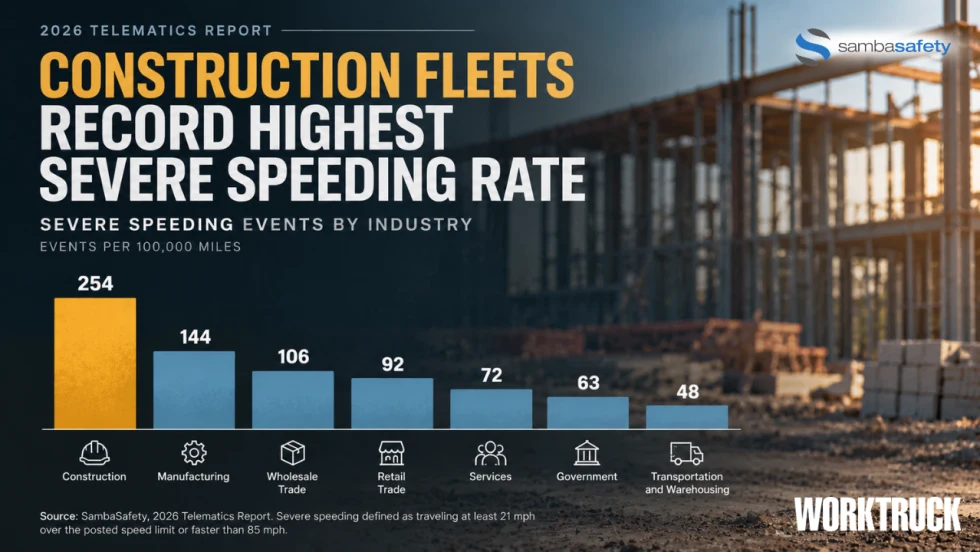
Construction Fleets Show Telematics Adoption Alone May Not Reduce Driving Risk
SambaSafety found construction fleets monitor roughly 92% of their vehicles but recorded the highest severe speeding rate among industries studied.
Read More →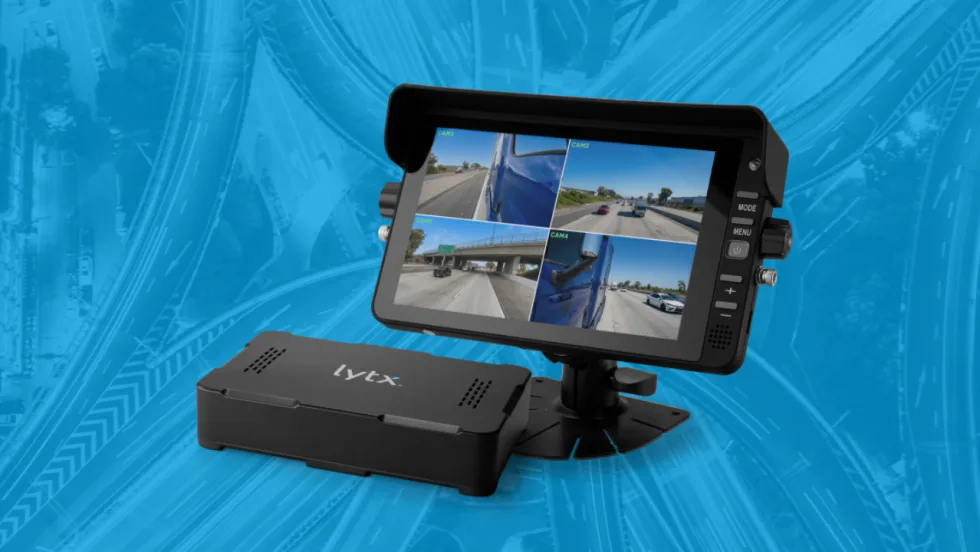
Lytx Launches 360 Hub Kit for Expanded Fleet Camera Visibility
Lytx’s new AI-ready gateway and HD auxiliary camera ecosystem, the Lytx 360 Hub Kit, extends visibility across side, rear, cargo, and blind-zone views to help fleets see more and respond faster.
Read More →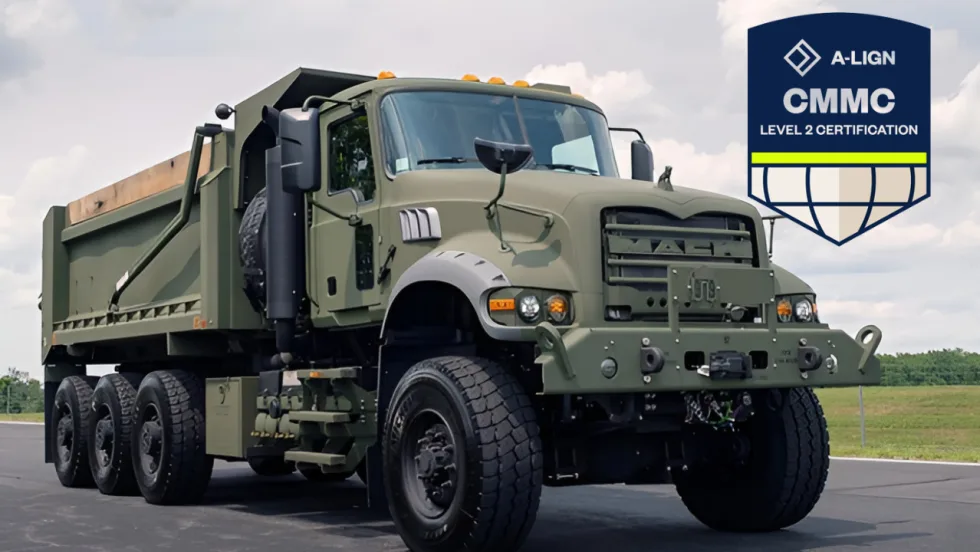
Mack Defense Achieves Cybersecurity Maturity Model Certification Level 2
After an assessment conducted by an authorized Certified Third-Party Assessment Organization (C3PAO), Mack Defense has achieved Cybersecurity Maturity Model Certification (CMMC) Level 2.
Read More →
When Work Trucks Under 26,001 Pounds Need IRP Registration
Think trucks under 26,001 pounds are automatically in the clear when it comes to IRP? Not always. Learn where lighter vehicles can still run into trip permit, apportioned registration, and IFTA compliance requirements when crossing state or provincial lines.
Read More →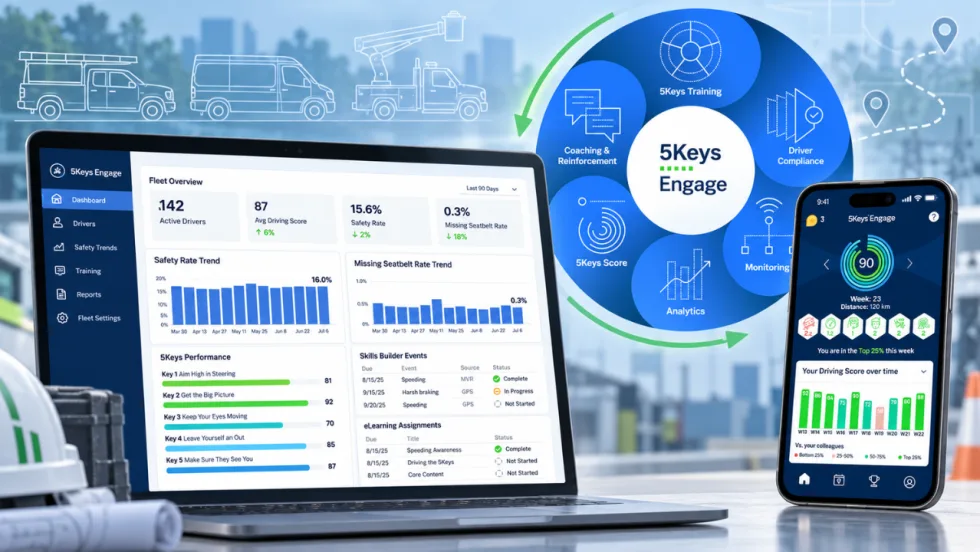
Smith System Wants Work Truck Fleets to Look Beyond the Driver Alert
Smith System’s new Driver Risk Management program is built to help mixed work truck fleets turn telematics alerts and observations into specific behaviors, coaching actions, and measurable follow-up.
Read More →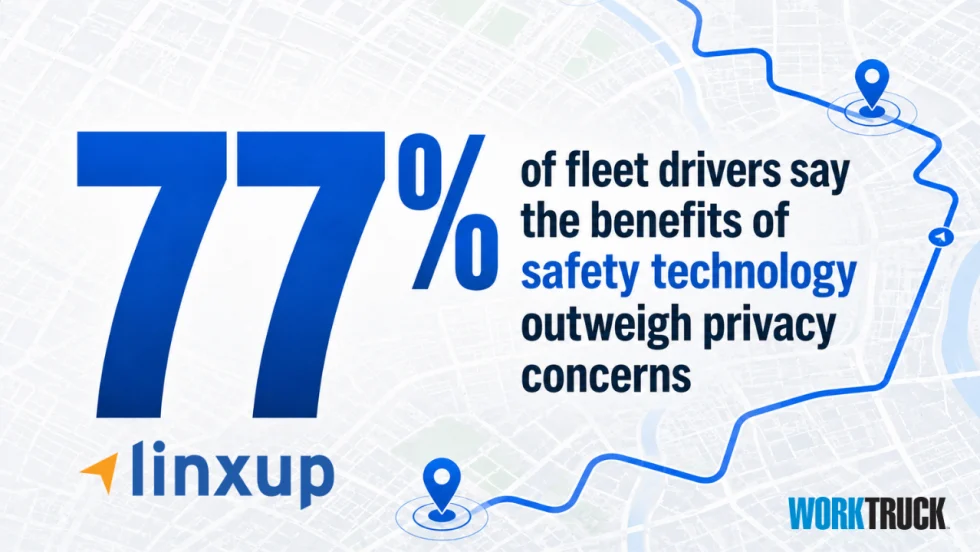
Are Work Truck Drivers Warming Up to Dash Cams and GPS Tracking?
A new survey finds field-service drivers may be more comfortable with dash cams and GPS tracking than fleet managers think, especially when the technology helps protect them after a crash.
Read More →