





Watch: What To Do After a Collision
4 Things a Fleet Driver Should Do After a Collision
For every fleet, at some point, a driver will be involved in a collision. Although you should have policies on what a driver should do after a collision, here is a simple four-step process taught by CarriersEdge.
July 15, 2026
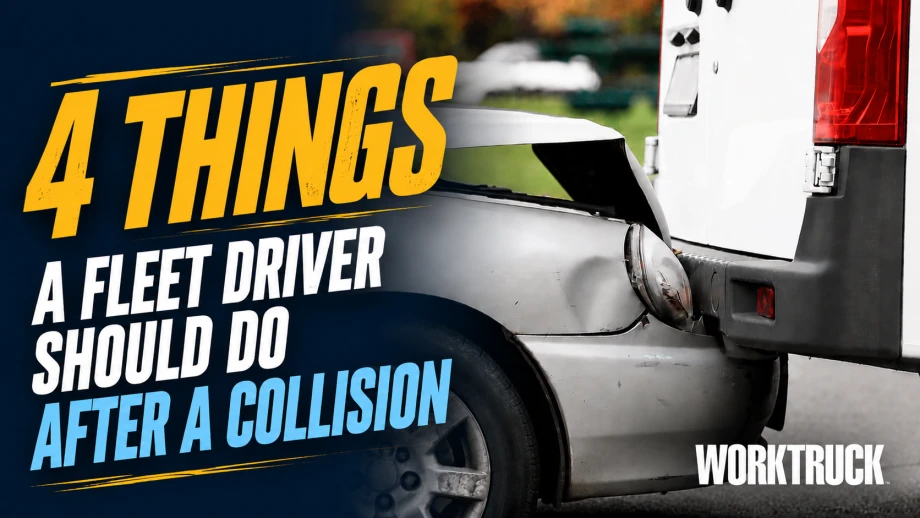
Does your fleet have a policy about what drivers should do after a collision? Here is a simple four-step approach from CarriersEdge.
Credit:
Work Truck | Edited with OpenAI
3 min to read
- Fleet drivers should follow a specific protocol after a collision as part of the company's policy.
- CarriersEdge recommends a simple, effective four-step process for drivers to follow post-collision.
- The steps are designed to ensure safety, documentation, and proper communication with the company.
*Summarized by AI
At some point, for every fleet, a driver will be involved in a collision. It is important that drivers know what to do immediately following a collision, so here is a four-step plan that is taught by CarriersEdge.
Jane Jazrawy, CarriersEdge CEO, said she has found that insurance companies often provide a post-collision bullet list “about three miles long” for drivers to follow. But CarriersEdge teaches a much simpler approach that contains just four elements, which are:
- Stop
- Secure
- Report
- Document
“What we do in our course is kind of break it down into four steps,” she said.
1. Stop
The first step is really simple. After a collision, stop.
“You want to get your warning signals out. You want to do this before you do anything else, and make sure once you have done that, make sure everything is okay,” she instructed.
2. Secure
Getting those warning signals out, which you do when you first stop, is also somewhat the transition to the second step, secure.
The secure part starts with posting warning signals, but an important part of that is making sure that you have enough space around the vehicle indicating that there has been a collision and you are stopped. Plus, you should let all the people around the collision scene know what is happening.
“You're making sure that everybody is safe,” said, with a caveat tied to any hazardous materials a driver may be transporting. “So, if you are working with hazardous materials, you want to make sure that people are a safe distance away. If there are injuries, it's really important that you don't move people unless you have to. If something's going to blow up, you probably want to move people. But in general, you want to keep people where they are until you have emergency responders come in.”
3. Report
The third step, report, applies to contacting your carrier or fleet.
“This is really important. Make sure and follow your carrier's policies,” Jazrawy explained. “If they differ slightly from what I'm saying, make sure you're following your carrier's policy. Your carrier knows more about their specific business, so make sure you contact the carrier. You're talking to somebody. Let them know what's happened.”
4. Document
The last thing, which Jazrawy said may be the most important thing, is documenting the scene.
She said your carrier or fleet may have guidelines on this, but basically, you want to photograph everything that you possibly can.
“You want to photograph the road, the road conditions, the vehicle, the other vehicle, all of the different things that are on scene. And when you are on scene and you're documenting as much as you can, take some notes about the kinds of things that are happening around you. If you see something suspicious, make sure that you have that documented.”
But she said there is another key part of it, which is really important, and how to talk to people.
Make sure you're talking to your insurance company, not just anybody. Make sure you talk to your carrier, and that you are talking to the right person in terms of insurance.
“Make sure that you are not talking to reporters. You don't want to be making any kind of a statement to a reporter that can hurt your carrier later on,” Jazrawy cautioned. “So, make sure you know you can't answer any questions. You are basically there to make sure everybody is safe, and to talk to enforcement, and talk to your company's insurance company.”
Subscribe to Our Newsletter
More Safety & Compliance
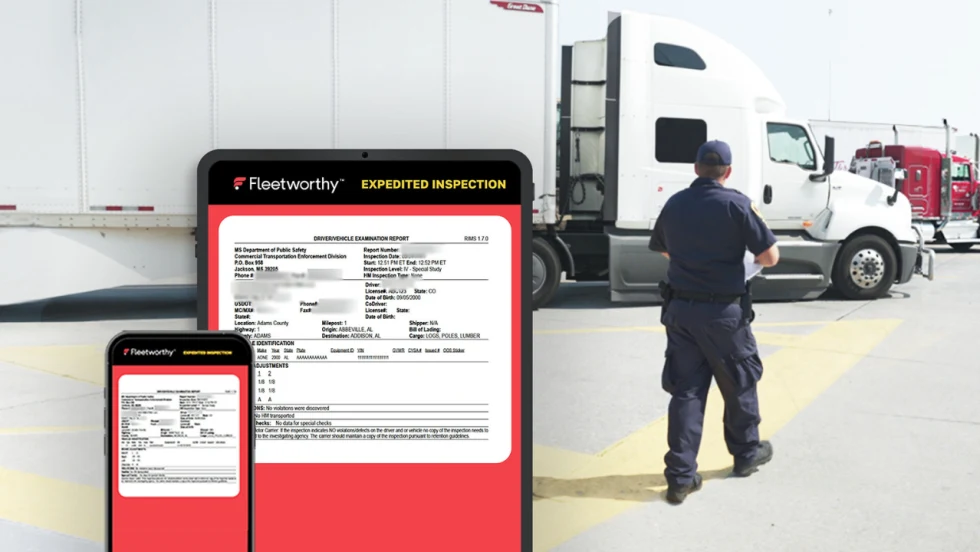
Fleetworthy Expands Expedited Inspection to 5 States
Following its industry-first launch in Nevada, Fleetworthy’s automated inspection technology is now live in California, Michigan, Vermont, and Maine.
Read More →
Crossing State Lines in a Light-Duty Work Truck? Check These Rules First
Crossing state lines in a lighter work truck? J.J. Keller's Kathy Close explains when IRP registration, trip permits, and towing rules come into play.
Read More →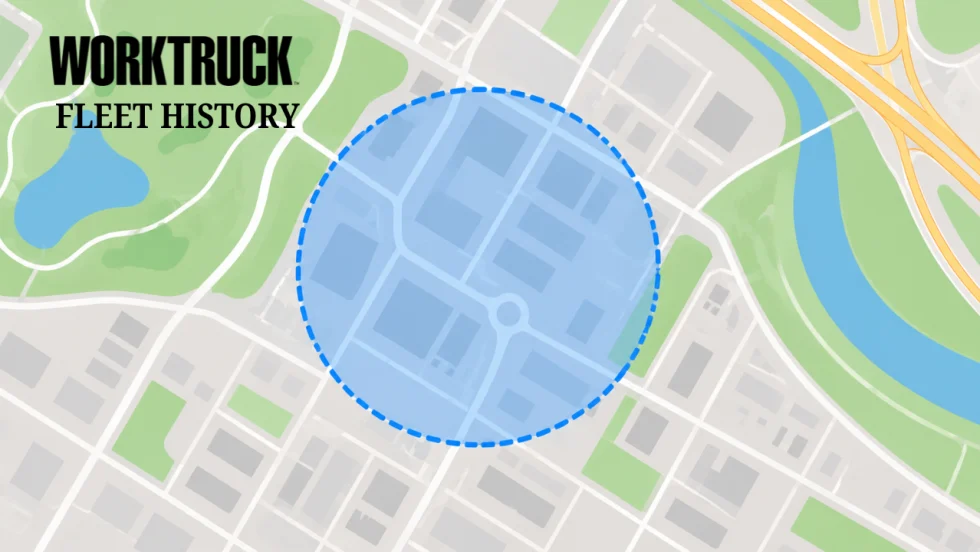
GeoFencing Adds to Your Truck Security Arsenal
Geofencing is a familiar fleet tool today, but its early adoption marked a major shift in vehicle tracking, route monitoring, and the debate over employee privacy.
Read More →From Our Partners
Recalls You Need to Know About in October 2026
In October 2026, what recalls might impact your fleet? Work Truck has the answers in this comprehensive overview of recent NHTSA recalls.
Read More →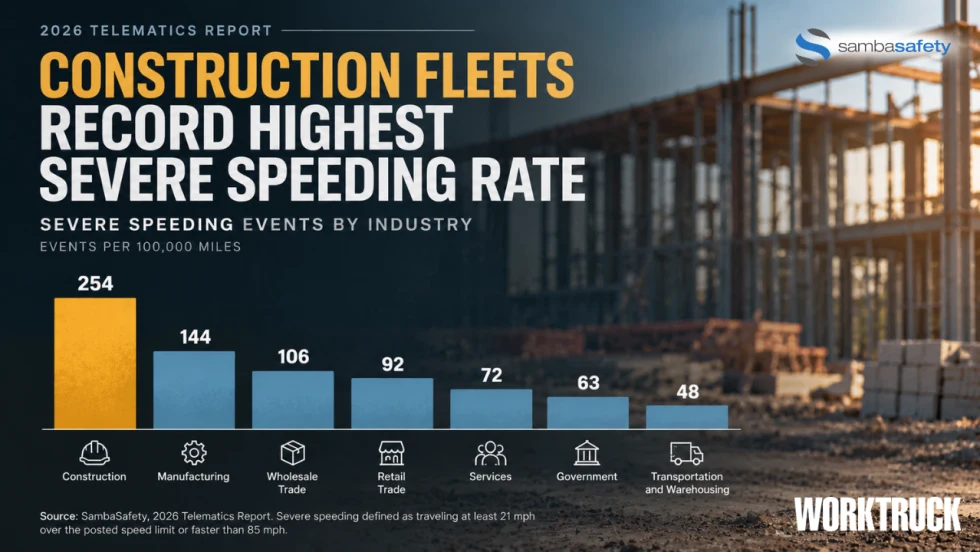
Construction Fleets Show Telematics Adoption Alone May Not Reduce Driving Risk
SambaSafety found construction fleets monitor roughly 92% of their vehicles but recorded the highest severe speeding rate among industries studied.
Read More →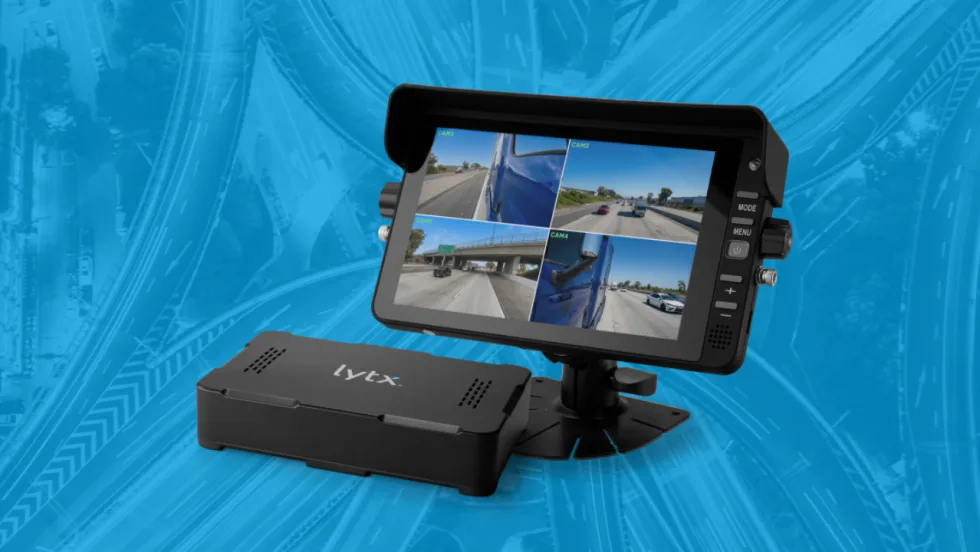
Lytx Launches 360 Hub Kit for Expanded Fleet Camera Visibility
Lytx’s new AI-ready gateway and HD auxiliary camera ecosystem, the Lytx 360 Hub Kit, extends visibility across side, rear, cargo, and blind-zone views to help fleets see more and respond faster.
Read More →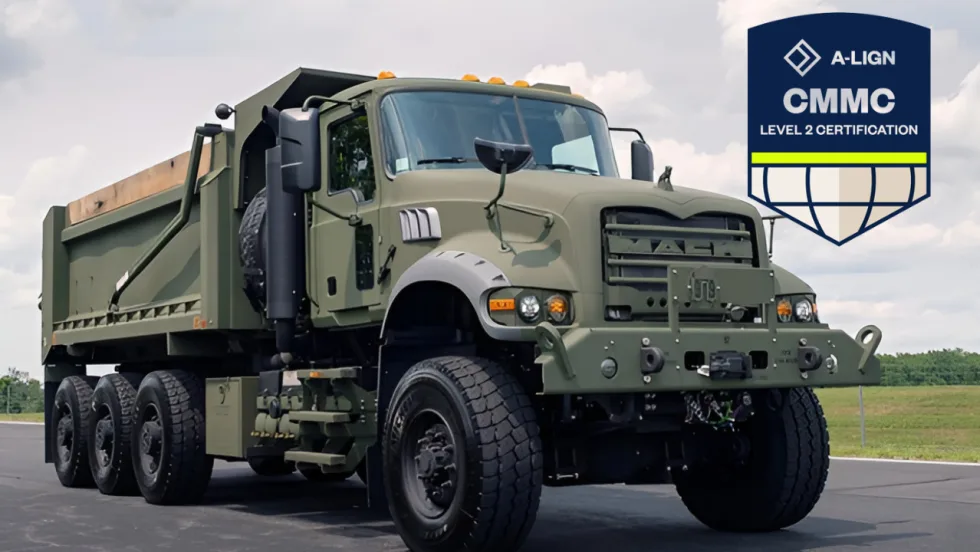
Mack Defense Achieves Cybersecurity Maturity Model Certification Level 2
After an assessment conducted by an authorized Certified Third-Party Assessment Organization (C3PAO), Mack Defense has achieved Cybersecurity Maturity Model Certification (CMMC) Level 2.
Read More →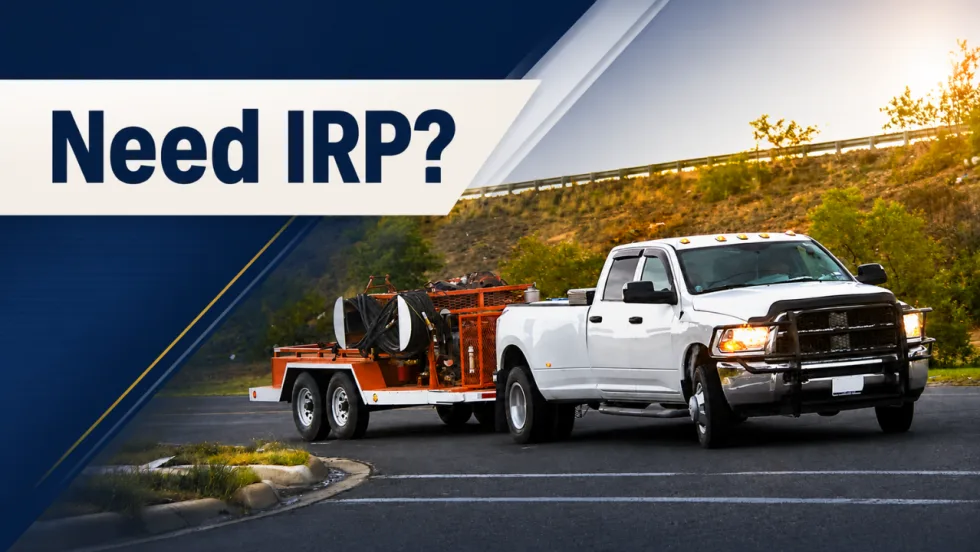
When Work Trucks Under 26,001 Pounds Need IRP Registration
Think trucks under 26,001 pounds are automatically in the clear when it comes to IRP? Not always. Learn where lighter vehicles can still run into trip permit, apportioned registration, and IFTA compliance requirements when crossing state or provincial lines.
Read More →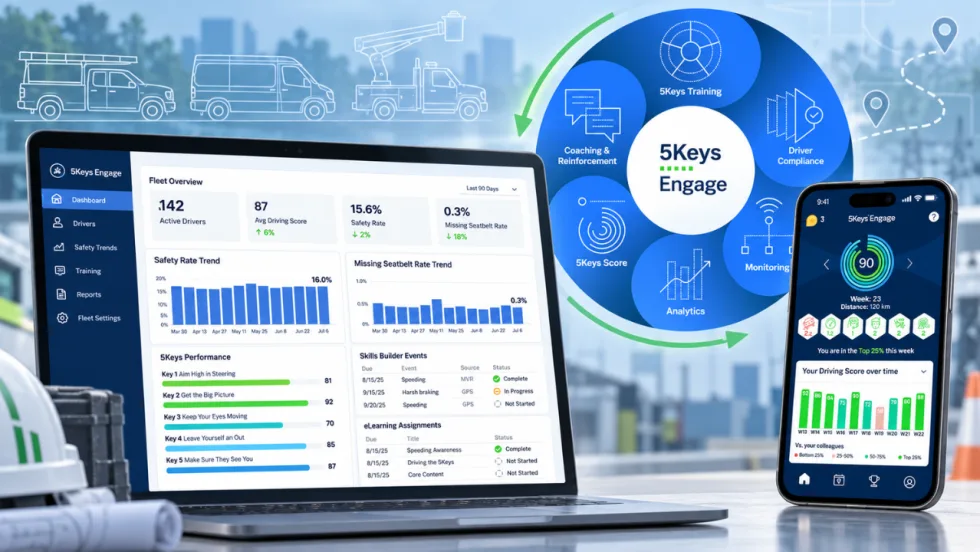
Smith System Wants Work Truck Fleets to Look Beyond the Driver Alert
Smith System’s new Driver Risk Management program is built to help mixed work truck fleets turn telematics alerts and observations into specific behaviors, coaching actions, and measurable follow-up.
Read More →
Volvo Trucks Releases New Safety Recommendations for Traveling with Pets
One of the most important recommendations for professional drivers traveling with pets is to ensure pets are properly restrained while the truck is moving. Other tips are available in the new guide from Volvo Trucks North America and Center for Pet Safety.
Read More →