Why Accident Management Matters: 8 Trends Every Fleet Manager Should Know
Discover why having an accident management strategy matters for every fleet, and learn about the latest trends, including truck maintenance, safety culture, and driver training.
Check out eight trends that can help you find new ways to enhance your fleet accident management strategy.
Photo: Work Truck
7 min to read
The benefits of having a crash or accident management strategy are numerous: reduced incident costs, improved employee and public safety, reduced downtime, increased productivity, lower insurance premiums, and protection of a company’s brand, to name a few.
Ad Loading...
While crashes can happen, proper incident management is important for every fleet. The stakes for work truck fleets couldn't be higher.
Ad Loading...
“Crashes and collisions represent a critical concern, particularly due to work trucks' substantial size and weight. Such incidents can lead to property damage, injuries, or even fatalities, resulting in legal responsibilities and heightened insurance expenses,” said Richard Jacko, Adjuster and Maintenance Manager for Fleet Response. “Mitigating these risks necessitates employing a multifaceted approach.”
These eight trends can help you find new ways to enhance your fleet accident management strategy.
Trend #1: Taking a Proactive Mindset to Fleet Safety
As the saying goes, "accidents happen." So, Preventing crashes before they happen is a critical component of an accident management strategy, and for good reason: Preventing crashes helps provide fleet drivers with a safer environment and is more cost-effective than dealing with the consequences.
“When it comes to safely managing accidents, it is important to take a proactive approach,” said Chris Senica, Director of Risk Management at Enterprise Fleet Management. “By taking a proactive approach, fleet managers can stay ahead of the latest loss trends while prioritizing preventive maintenance to minimize roadside breakdowns, ensuring vehicles are in optimal condition, and spotlighting safe driving habits to help keep the roadways safe and reduce overall risk.”
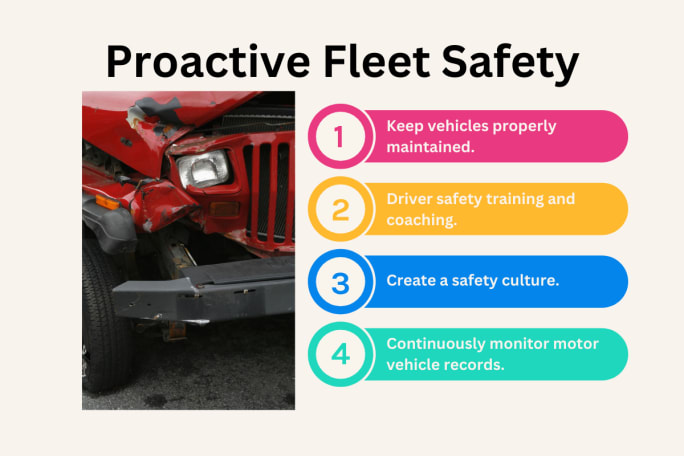
Many of the latest trends include taking proactive measures, including:
Ad Loading...
Keeping vehicles properly maintained
Driver safety training and coaching
Creating a safety culture
Continuous monitoring of motor vehicle records
Trend #2: Minding Commercial Vehicle Maintenance
Staying on top of maintenance and repair is a prime example of a proactive approach. Regularly maintaining vehicles helps prevent mechanical failures and breakdowns that could otherwise cause a crash and ensures a safe fleet.
“Set up a stringent maintenance timetable for all fleet vehicles,” Jacko recommends. “Conduct regular inspections and promptly address any necessary repairs to maintain vehicles in peak condition, mitigating the potential for mechanical breakdowns that may precipitate accidents.”
Terry Winslow, VP of Collision and Safety for Element Fleet Management, noted that falling behind on even the simplest maintenance and vehicle repairs can result in serious safety impacts for work trucks.
“Preventive maintenance is important, including replacing worn tires. This is especially important for delivery vans, which can experience a significant event should the front tires fail,” he said.
Ad Loading...
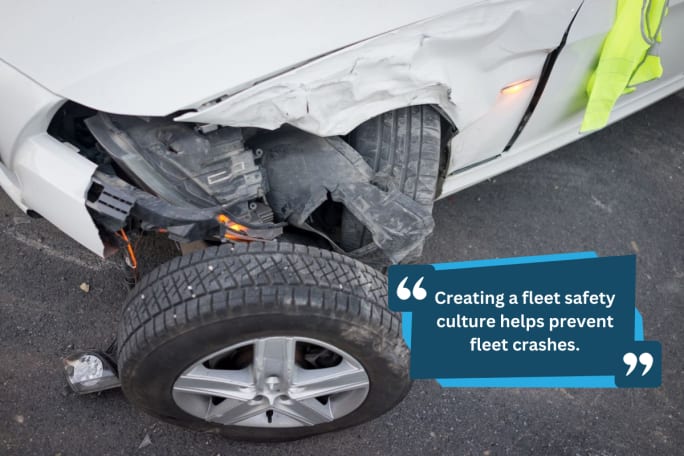
Although everyone should contribute to reinforcing a safety mindset, managers must still take a leading role.
Photo: Work Truck | Enterprise Fleet Management
Trend #3: Making Fleet Safety Culture a Group Sport
Although fleet managers often create a safety culture within their organizations, Chris Senica, Director of Risk Management at Enterprise Fleet Management, said the most effective approach is to make it a team effort.
“Creating a safety culture is vital to managing accidents effectively and efficiently. That's why fleet managers need to prioritize engagement and involvement across all levels of the organization. By prioritizing safety and involving everyone, from leadership to the fleet drivers, it creates a safety culture,” he said.
At a minimum, stakeholders should include Risk and Safety, HR, Operations, Legal and Compliance, and commercial vehicle operators.
“Regularly involving drivers in the safety decision-making process empowers them to report any issues and communicate with their peers about safety tips and best practices,” Senica said. This includes speaking up about risky behavior, promptly reporting accidents, and engaging in an ongoing dialogue about safety best practices.”
What are Preventable vs. Non-Preventable CMV Crashes?
Realizing some crashes are beyond a CMV driver’s control, the Federal Motor Carrier Safety Administration (FMCSA) created its Crash Preventability Program. But, what's considered preventable? Read more!
“As a fleet manager, it's also important to lead by example. By modeling safe habits, investing in regular maintenance and safety checks for all vehicles, and prioritizing fleet safety in all decision-making, managers can set the tone for a strong and effective safety culture,” Senica said.
Trend #4: Providing Continual Driver Training
Driver training has long been, and continues to be, a common accident prevention strategy. What’s trending is when and how often to provide it. Today, many fleets go beyond training new hires and require regularly scheduled training of all operators to reinforce critical safe driving behaviors. Using telematics, dashcams, and MVR monitoring, it is also possible to assign driver-specific training based on infractions.
“With 98% of all crashes involving human error, Element sees driver management as the area for the greatest concentration. Ensuring drivers are properly licensed and properly trained to operate fleet vehicles is where to start,” Winslow said. “But this is not a once-and-done matter. Driver readiness must remain current with technological changes, operations, road conditions, and regulations.”
Winslow underscored that training must be consistent, given to new and tenured operators, and keep up with the latest vehicle features.
“Don’t assume that the same successful methods 10 or even five years ago will still yield results. As vehicle technology continues to evolve, new risks emerge,” he said. “Misuse of automation in vehicles and more distractions within vehicles create a less predictable environment around fleet vehicles. Fleet programs need to be adjusted to address these challenges.”
Ad Loading...
Jacko recommends delivering vehicle-specific training to avoid the technology itself becoming a distraction.
“Newer technology features available in work trucks today require routine driver training to ensure operators are comfortable with the technology and understand the vehicles' features,” he said. “It's crucial for drivers to be aware of their company's expectations regarding vehicle technology.”
Jacko suggests training be updated and delivered regularly and tailored to driving work trucks. “Fleets should enact thorough driver safety training initiatives encompassing defensive driving strategies, proper handling of heavy loads, and navigating diverse weather conditions,” he said. “Continuously update and reinforce training protocols to maintain drivers' focus on safety.”
Trend #5: Accidents Happen - Using Technology to Coach Drivers
In-vehicle technology isn’t always a distraction; in some instances, it can help train drivers in real-time.
“There are a growing number of in-vehicle devices, both OEM and third-party, that can help shape driver behavior by providing visual and audible alerts when sensors detect unsafe driving,” Winslow said. “Fleets will receive the greatest benefit from investments in this technology by ensuring drivers are properly trained to utilize these new features and prepared for how it will change how they interact with the vehicle.”
Ad Loading...
Technology can also help fleets identify and coach high-risk drivers to prevent crashes and incidents. Today, technology and services like telematics and dashcams have replaced the ride-along of the past and allow fleet or safety managers to coach drivers based on data and/or video footage.
“Watching how driver performance trends over time and providing needed interventions when warranted is key to ongoing driver management,” Winslow said. “Behavior monitoring coupled with mini training lessons, more in-depth training, coaching, and peer discussions are techniques fleets can employ.”
Staying on top of maintenance and repair is a prime example of a proactive approach.
Photo: Work Truck | Enterprise Fleet Management
Trend #6: Continuous MVR Monitoring
In addition to telematics, fleets can identify high-risk drivers based on their driving records. Continuous MVR monitoring alerts fleet managers when an MVR is changed.
“MVRs and license status can change at any time, so waiting a full year to refresh the view of driver status can leave an organization open to greater risk,” Winslow said. “Element recommends utilizing a continuous MVR monitor service to catch these changes as soon as possible.”
Even with proactive accident management protocols in place, incidents will still happen. When they do, examining the details of an accident and determining what could be done differently can prompt updates to training curricula and fleet policies.
“Conducting thorough accident investigations is crucial for identifying root causes and contributing factors. Analyzing accident data helps uncover trends, patterns, and areas ripe for improvement,” Jacko said. “Utilizing insights from accidents is invaluable for continuous improvement. Adjusting training programs, policies, and procedures based on lessons learned enhances fleet safety practices over time."
Trend #8: Working with Your Insurance Provider
Your insurance provider is just as interested in lowering accident rates as you are. For that reason, they can be a helpful partner in developing an accident and crash management strategy and bringing a new perspective to the table.
“Working with your company or organization’s insurance provider to help determine loss trends and staying in touch with any losses that occur can help determine an effective accident management plan focused on improving areas with the greatest risk,” Senica said. By reviewing incident trends, identifying possible gaps, and working with experts, management can develop a comprehensive strategy to improve areas with the greatest risk.”
A Holistic Approach is the Best Approach
Adopting new accident management trends is essential, but taking a multi-pronged, holistic approach makes for a more powerful strategy.
“Creating an effective approach to accident management requires a combination of regular fleet safety initiatives, a comprehensive safety program, and a consistent safety culture that all members of your organization embrace,” Senica said.
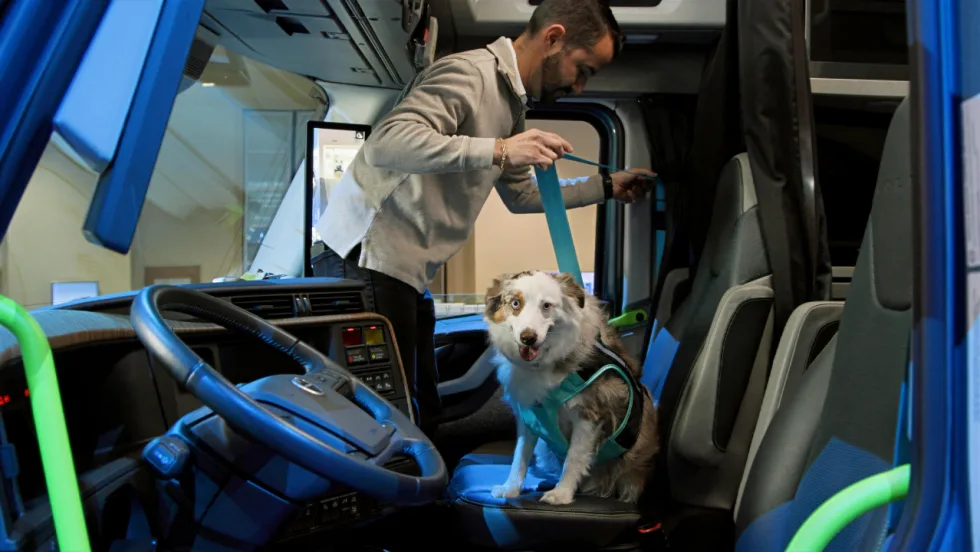
One of the most important recommendations for professional drivers traveling with pets is to ensure pets are properly restrained while the truck is moving. Other tips are available in the new guide from Volvo Trucks North America and Center for Pet Safety.
The American Petroleum Institute offers a list of safe vehicle refueling guidelines, including ways to avoid potential problems with static electricity discharges in fall, winter, and early spring.
Cold weather can expose weak batteries, tires, fuel systems, and maintenance gaps fast. Use this winter fleet checklist to prepare trucks and drivers before temperatures drop.
Fleet service partnerships rarely fall apart all at once. Learn the three warning signs that trust is eroding and what fleets and providers can do before downtime, frustration, and lost revenue follow.
Applause has integrated TRUCE driving metrics directly into its employee-first performance and safety platform that transforms mobile devices into AI-powered telematics.
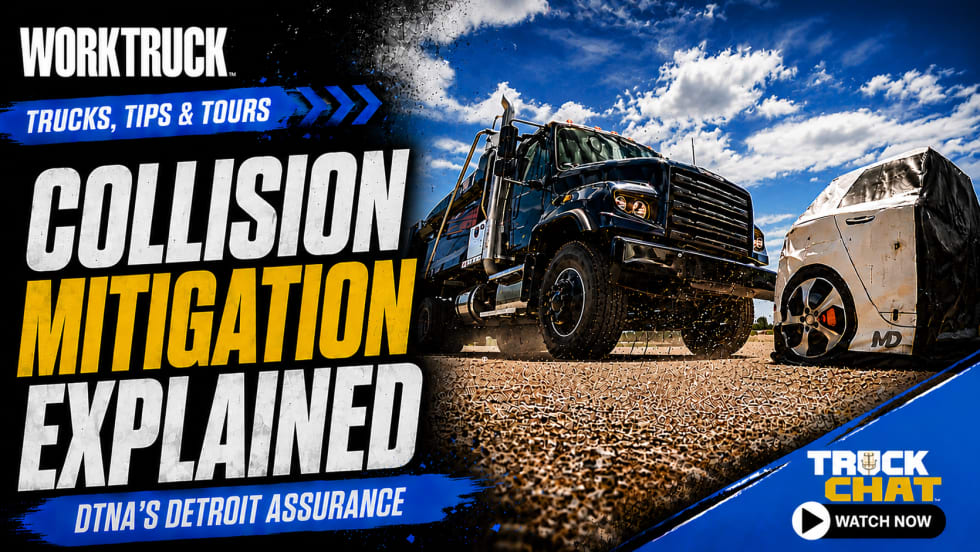
Do you want to see what it is like to experience Detroit Assurance’s Active Brake Assist? In this video, Work Truck will put you in the cab to see how it all works and then hear more details from DTNA’s Mike Young.
Violence risks do not stop at the driver’s door. Learn five practical steps fleets can take to spot threats early and protect workers before loss occurs.
Fleet leaders don't need more data, they need clearer visibility into what the data is saying. This case study explores how one utility replaced speeding-event counts with a single metric — miles driven in violation — to strengthen safety and significantly reduce speeding violations.