




Preventing Accidents Through Technology
Is technology helping fleets stay safe on the road, or is it simply adding more distractions? From telematics to cameras, tech is a big part of many fleets' accident management solutions.


Telematics technology essentially puts
you inside the vehicle with your drivers,
allowing you to monitor performance.
Photo: Getty Images/Ronstik
With accident severity high and accident rates still top a concern for vocational work truck fleets, technology is coming to the rescue. While not a replacement for vigilance and ensuring top attention is always paid while in a vehicle, technology has come a long way to help keep fleets safer.
Accidents & Technology
Generally, according to Rich Radi, director, product management for ARI, a comprehensive telematics program combined with a multi-faceted driver training strategy is still the best option to help improve driver safety and, in turn, reduce accidents.
“We continue to see a growing number of fleet operators embrace telematics technology,” he added. “Of note, OEM-embedded telematics devices are now available in a greater number of vehicles, making it even easier for fleet operators to get started with a telematics solution. With this powerful technology now factory-installed in many popular fleet models, two of the biggest roadblocks companies typically face when exploring a telematics strategy have been eliminated - installation costs and logistics along with the associated vehicle downtime.”
Telematics technology essentially puts you inside the vehicle with your drivers, allowing you to monitor performance and quickly identify high-risk behaviors such as harsh braking, rapid acceleration, and speeding.
“When this telematics data is integrated into an advanced analytics platform, you can easily benchmark driving performance across your entire organization to pinpoint high-risk drivers and highlight opportunities to prescribe corrective training. By proactively identifying and training these high-risk drivers, you’re able to improve safety, prevent potential collisions, and better control accident costs,” Radi added.
Mike Irey, senior claims adjuster at Fleet Response has seen fleets install aftermarket back-up cameras to an effort to mitigate backing accidents.
“However, based on our client’s fleet make up we have not seen new technologies such as frontal collision avoidance and lane departure within in the medium-duty truck space,” Irey added.
Most experts agree, deploying telematics in the commercial trucking fleet is key to potentially reducing losses and keeping insurance premiums lower.
“If you can show that a telematics product is being used with improved driver performance, the insurance carrier will want to work to retain your business at a premium level that’s affordable,” said Connie Brinkmann, vice president of risk management for Enterprise Fleet Management.
In addition, Brinkmann noted that several manufacturers over the past few years have added standard technology features to their medium-duty fleet.
“Specifically, Isuzu has implemented electronic brake distribution systems, a seat belt warning, park brake, and cab latch switch indicators. These features along with the electronic brake pedal override and shift and key interlock features help increase safety while drivers are on the road,” she noted.
Brinkmann noted that other technology that remains optional for many fleets, but beneficial, includes collision and lane departure warnings, driver assistance systems, backup cameras with audio, and remote and backup mirrors.
“Improved size and placement of mirrors as well as lighting around the vehicle are also helpful to a commercial driver, especially one newer into the truck workforce. A best practice would be to get with your fleet provider to see what options are available to make the best purchasing or leasing decision where safety is a top priority,” Brinkmann said.
On the other hand, technology can still be seen by some as a disrupter and distraction.
“The technology already developed and in place; GPS tracking, safety equipment; either OEM or aftermarket is getting better which does help. We believe that some of the ‘workstations’ in vehicles and cellphone usage are still a distraction therefore more attention is needed to address these issues,” said Bob Martines, CEO of CCM Services.
Preventable Accidents
For the most part, according to Kate Harland, manager, Driver Safety for ARI, preventable medium-duty accidents in 2021 remained relatively flat as compared to last year.
“When you look at that data in context with the overall rise in accident rates, it’s likely that most medium-duty drivers continued to log miles during the pandemic, keeping their skills fresh while also participating in the comprehensive safety programs most vocational fleet operators have in place to proactively address driver performance,” Harland noted.
CCM Services has saw the number of claims subject to subrogation decrease dramatically beyond the first four month’s timeframe associated with COVID-19.
“We believe drivers are feeling enormous pressure from a variety of sources which has perhaps distracted them enough to ultimately become involved in an incident. Also, many companies are having great difficulty in hiring/retaining employees which unfortunately is resulting in employing individuals they previously would not have hired if conditions were normal. The commitment from the new hires is not as dedicated. We have had clients ask us to pick up vehicles from locations where a driver had an accident, quit on the spot, leaving the vehicle on the side of the road. How can anyone be prepared for that?” said Sam Vallango, senior adjuster at CCM Services.
More Safety & Compliance

Recalls You Need to Know About in October 2026
In October 2026, what recalls might impact your fleet? Work Truck has the answers in this comprehensive overview of recent NHTSA recalls.
Read More →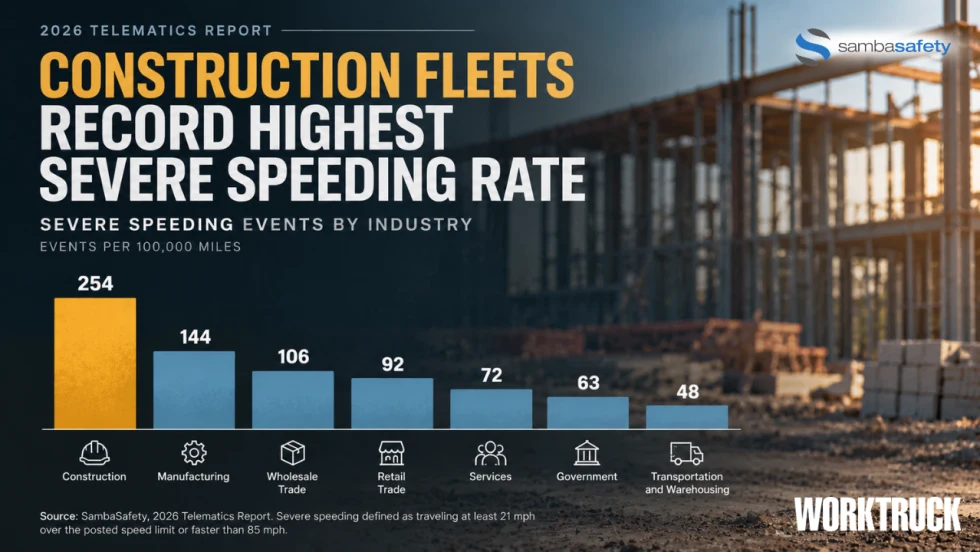
Construction Fleets Show Telematics Adoption Alone May Not Reduce Driving Risk
SambaSafety found construction fleets monitor roughly 92% of their vehicles but recorded the highest severe speeding rate among industries studied.
Read More →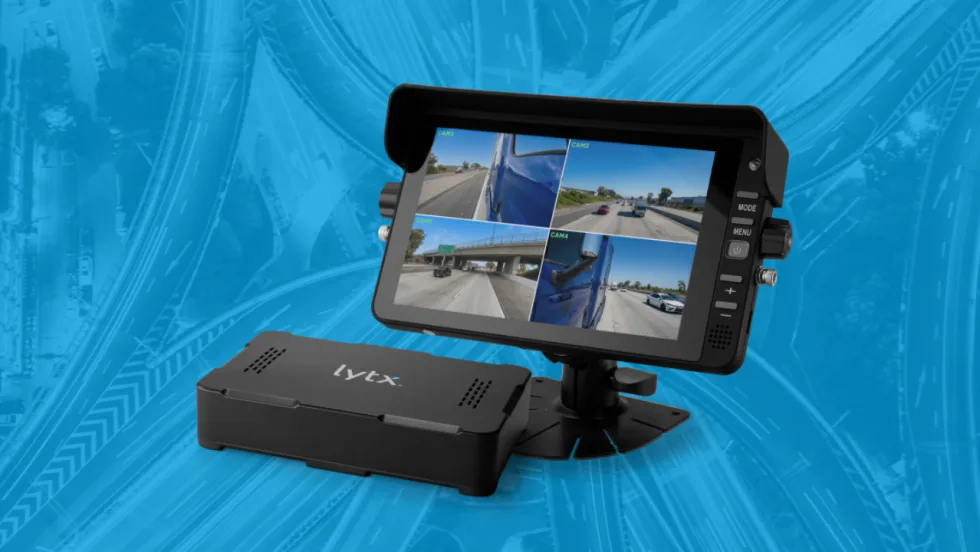
Lytx Launches 360 Hub Kit for Expanded Fleet Camera Visibility
Lytx’s new AI-ready gateway and HD auxiliary camera ecosystem, the Lytx 360 Hub Kit, extends visibility across side, rear, cargo, and blind-zone views to help fleets see more and respond faster.
Read More →From Our Partners

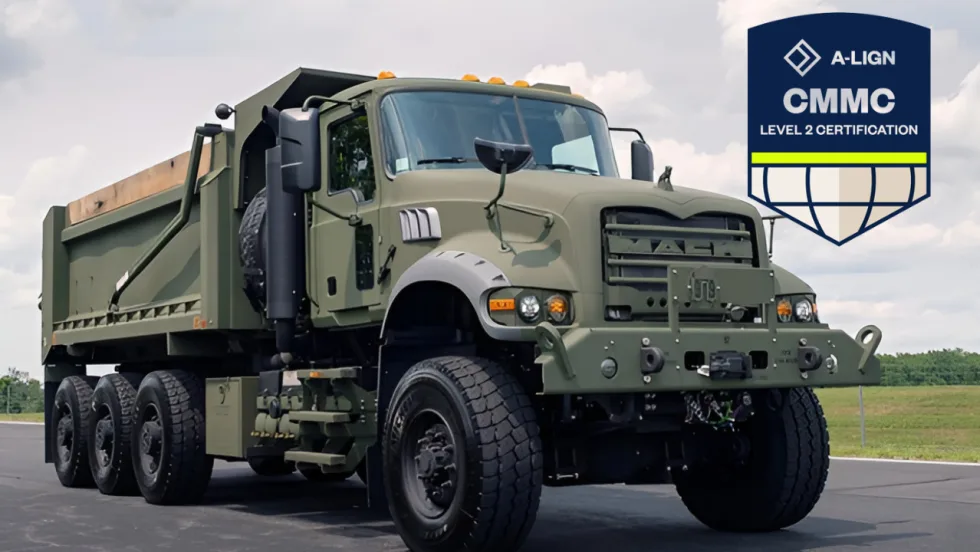
Mack Defense Achieves Cybersecurity Maturity Model Certification Level 2
After an assessment conducted by an authorized Certified Third-Party Assessment Organization (C3PAO), Mack Defense has achieved Cybersecurity Maturity Model Certification (CMMC) Level 2.
Read More →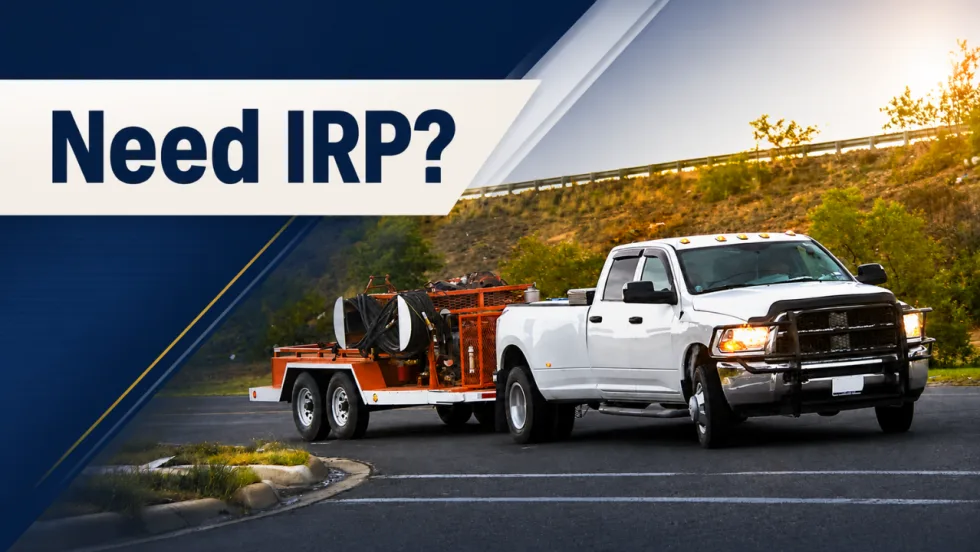
When Work Trucks Under 26,001 Pounds Need IRP Registration
Think trucks under 26,001 pounds are automatically in the clear when it comes to IRP? Not always. Learn where lighter vehicles can still run into trip permit, apportioned registration, and IFTA compliance requirements when crossing state or provincial lines.
Read More →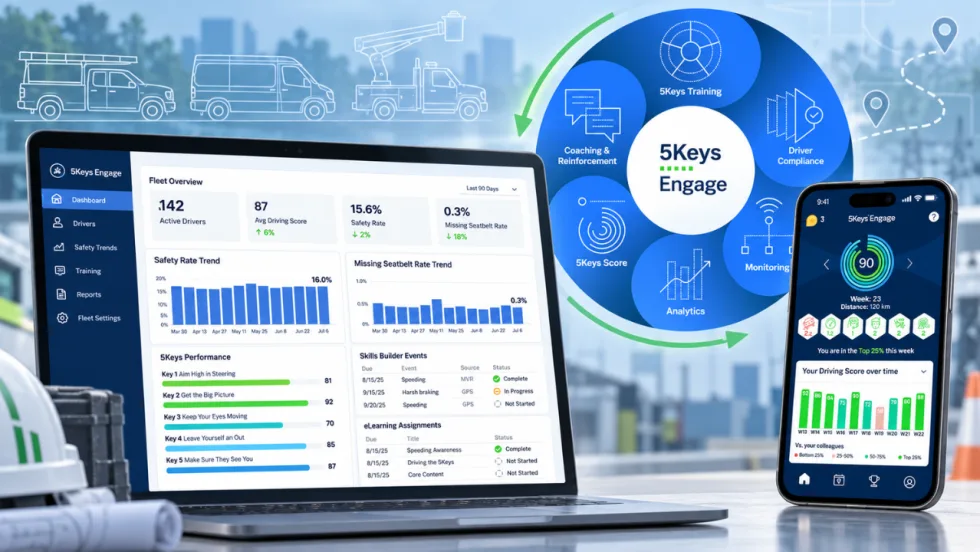
Smith System Wants Work Truck Fleets to Look Beyond the Driver Alert
Smith System’s new Driver Risk Management program is built to help mixed work truck fleets turn telematics alerts and observations into specific behaviors, coaching actions, and measurable follow-up.
Read More →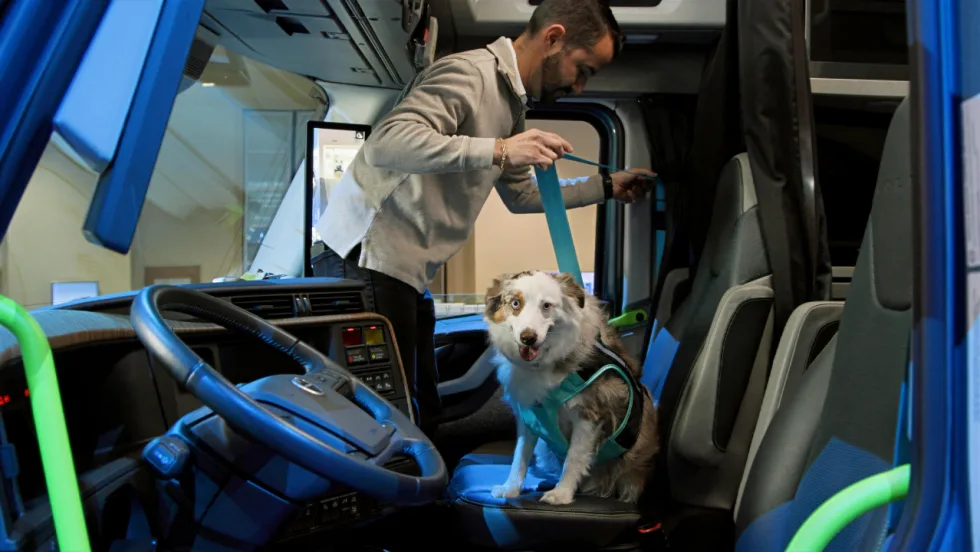
Volvo Trucks Releases New Safety Recommendations for Traveling with Pets
One of the most important recommendations for professional drivers traveling with pets is to ensure pets are properly restrained while the truck is moving. Other tips are available in the new guide from Volvo Trucks North America and Center for Pet Safety.
Read More →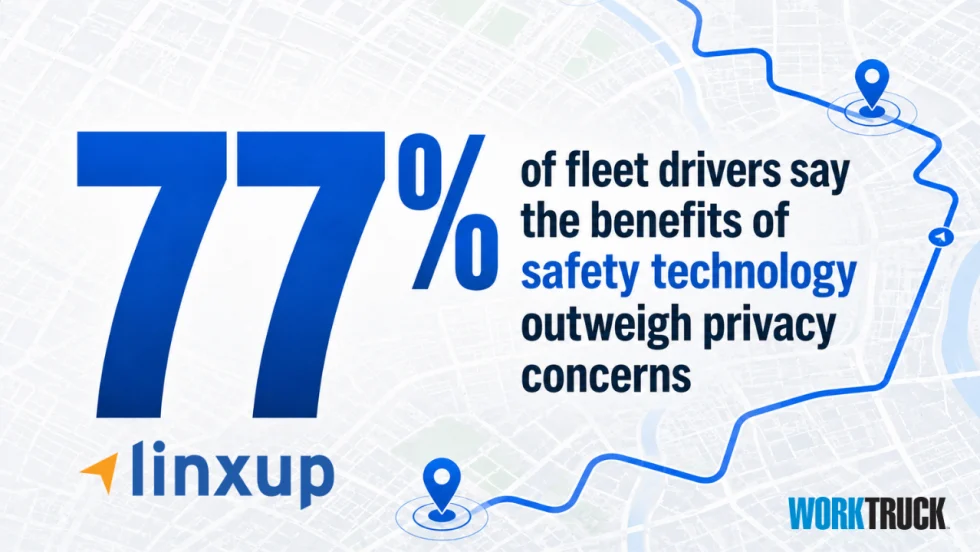
Are Work Truck Drivers Warming Up to Dash Cams and GPS Tracking?
A new survey finds field-service drivers may be more comfortable with dash cams and GPS tracking than fleet managers think, especially when the technology helps protect them after a crash.
Read More →
Recalls You Need to Know About in September 2026
If you have Altec, Chrysler, Ford, Heil, General Motors, International, Mack Trucks, Paccar, Rivian, Royal Truck, Toyota, US Truck Body, or Volvo Trucks vehicles in your fleet, you should check these important recalls issued by the National Highway Safety Administration.
Read More →
API Issues Refueling Safety Guidelines
The American Petroleum Institute offers a list of safe vehicle refueling guidelines, including ways to avoid potential problems with static electricity discharges in fall, winter, and early spring.
Read More →