




Are Work Truck Drivers Warming Up to Dash Cams and GPS Tracking?
A new survey finds field-service drivers may be more comfortable with dash cams and GPS tracking than fleet managers think, especially when the technology helps protect them after a crash.

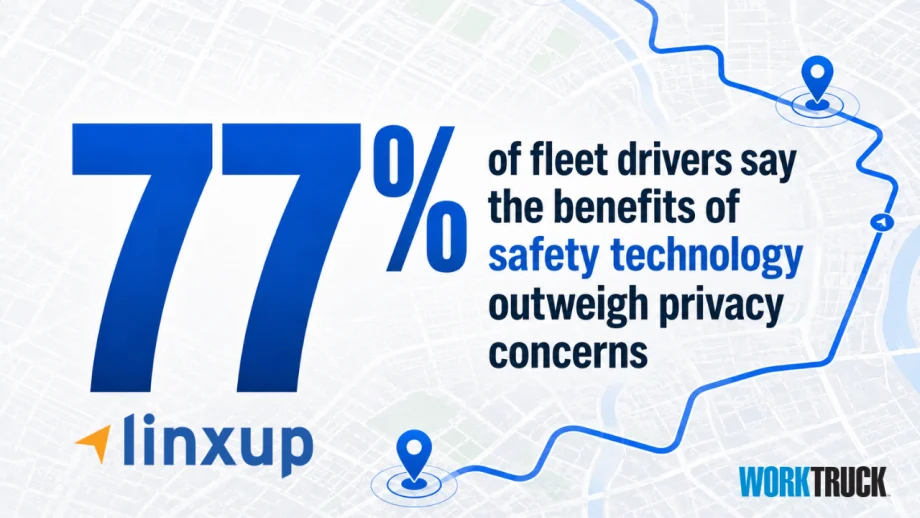
A Linxup survey of 267 field-service fleet professionals found 77% believe the benefits of fleet safety technology outweigh privacy concerns, suggesting drivers may be more accepting of GPS tracking and dash cams than fleet leaders expect.
Work Truck
A new Linxup survey suggests field-service drivers may be more accepting of fleet safety technology than managers think, especially when cameras and GPS can help protect them after a crash. A longstanding concern around dash cams and GPS tracking has been whether drivers see the technology as a safety tool or simply another way for management to watch them.
New research from Linxup suggests that perception may be shifting.
In a June 2026 survey of 267 U.S. field-service professionals working in commercial fleets, 77% said the benefits of fleet safety technology outweigh concerns about privacy or driver resistance.
The finding is notable compared with Linxup's 2025 fleet safety research, when fleet leaders identified driver privacy concerns and resistance as significant barriers to dash cam adoption. This year's survey suggests drivers themselves may be more accepting of the technology than fleet managers expect, with 77% saying the benefits outweigh privacy or resistance concerns.
Protection when something goes wrong was also a major factor. Nearly half of respondents, 44%, said they or a coworker had been involved in an accident where dash cam footage or GPS tracking helped during an insurance claim or legal dispute.
When asked what would make the biggest difference in their day-to-day work, 29% selected protection if something goes wrong, while 27% chose fewer accidents.
"Safety technology is often viewed through the lens of reducing accidents, but drivers are telling us they value technology that can provide an objective record when something goes wrong," said Naeem Bari, founder and chief product officer at Linxup.
Safety Technology Is Only Part of the Equation
The findings also point to the importance of how fleets introduce and manage safety technology. More than 72% of respondents said their employer had explained how GPS tracking or dash cameras affect insurance coverage.
Organizations with formal safety programs also reported higher technology adoption. According to the survey, 80% of respondents at companies with formal programs reported using GPS tracking, while 68% reported using dash cameras.
Those employees were also more likely to say their company's approach to safety made them want to stay with the organization. That communication may be especially important for work truck fleets, where drivers are balancing safety expectations with service calls, schedules, traffic, and customer demands throughout the day.
Job Pressures Can Still Work Against Safe Driving
Technology alone, however, cannot eliminate the operational pressures drivers face. More than 73% of respondents said real-world job demands make it difficult to drive efficiently at least some of the time. About 45% said that happens sometimes, while nearly 29% said it happens often.
Drivers also pointed to gaps in how safety rules are enforced. About 23% said management establishes safety rules but does not consistently follow through, while another 23% said rules tend to change only after an incident occurs.
Incentives could help. Eighty-two percent of respondents said tying pay or bonuses to safety scores would motivate them to improve their driving performance, with cash bonuses ranking as the most appealing incentive.
The survey was conducted by Centiment on behalf of Linxup in June 2026 among 267 U.S. field-service professionals working in commercial fleets across HVAC, electrical, landscaping, plumbing, and other service industries.
More Safety & Compliance
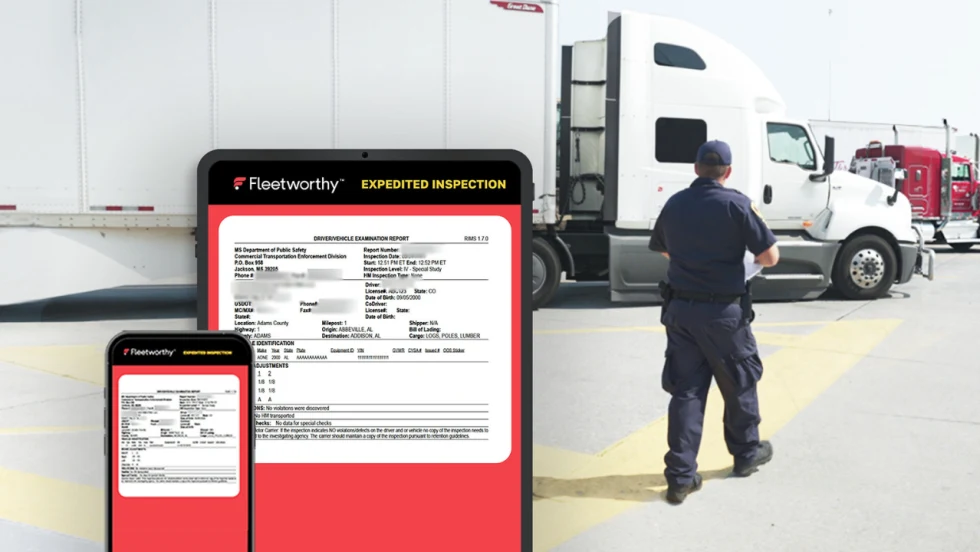
Fleetworthy Expands Expedited Inspection to 5 States
Following its industry-first launch in Nevada, Fleetworthy’s automated inspection technology is now live in California, Michigan, Vermont, and Maine.
Read More →
Crossing State Lines in a Light-Duty Work Truck? Check These Rules First
Crossing state lines in a lighter work truck? J.J. Keller's Kathy Close explains when IRP registration, trip permits, and towing rules come into play.
Read More →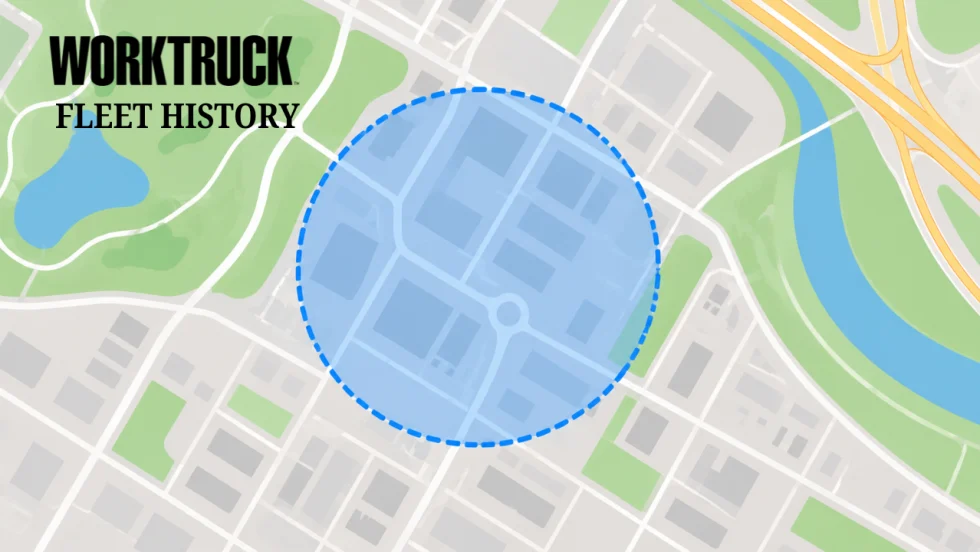
GeoFencing Adds to Your Truck Security Arsenal
Geofencing is a familiar fleet tool today, but its early adoption marked a major shift in vehicle tracking, route monitoring, and the debate over employee privacy.
Read More →From Our Partners

Recalls You Need to Know About in October 2026
In October 2026, what recalls might impact your fleet? Work Truck has the answers in this comprehensive overview of recent NHTSA recalls.
Read More →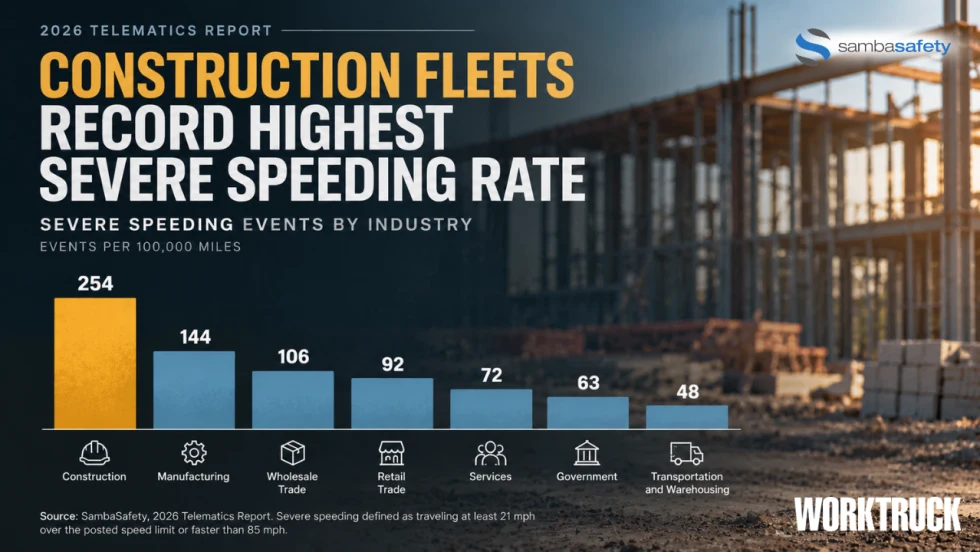
Construction Fleets Show Telematics Adoption Alone May Not Reduce Driving Risk
SambaSafety found construction fleets monitor roughly 92% of their vehicles but recorded the highest severe speeding rate among industries studied.
Read More →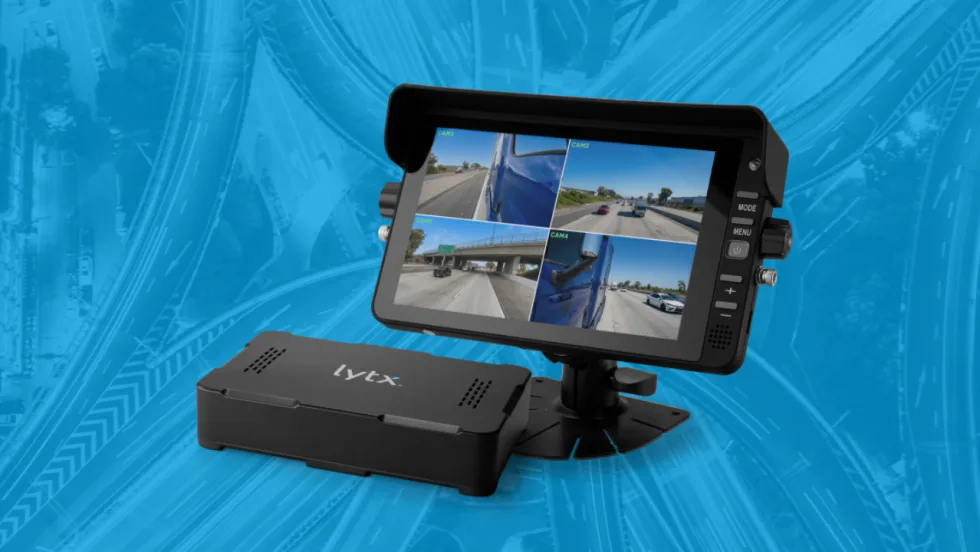
Lytx Launches 360 Hub Kit for Expanded Fleet Camera Visibility
Lytx’s new AI-ready gateway and HD auxiliary camera ecosystem, the Lytx 360 Hub Kit, extends visibility across side, rear, cargo, and blind-zone views to help fleets see more and respond faster.
Read More →
Mack Defense Achieves Cybersecurity Maturity Model Certification Level 2
After an assessment conducted by an authorized Certified Third-Party Assessment Organization (C3PAO), Mack Defense has achieved Cybersecurity Maturity Model Certification (CMMC) Level 2.
Read More →
When Work Trucks Under 26,001 Pounds Need IRP Registration
Think trucks under 26,001 pounds are automatically in the clear when it comes to IRP? Not always. Learn where lighter vehicles can still run into trip permit, apportioned registration, and IFTA compliance requirements when crossing state or provincial lines.
Read More →
Smith System Wants Work Truck Fleets to Look Beyond the Driver Alert
Smith System’s new Driver Risk Management program is built to help mixed work truck fleets turn telematics alerts and observations into specific behaviors, coaching actions, and measurable follow-up.
Read More →
Volvo Trucks Releases New Safety Recommendations for Traveling with Pets
One of the most important recommendations for professional drivers traveling with pets is to ensure pets are properly restrained while the truck is moving. Other tips are available in the new guide from Volvo Trucks North America and Center for Pet Safety.
Read More →