





Learn More: A Four-Sentence Description of Reasonable Suspicion Training
When Work Trucks Under 26,001 Pounds Need IRP Registration
Think trucks under 26,001 pounds are automatically in the clear when it comes to IRP? Not always. Learn where lighter vehicles can still run into trip permit, apportioned registration, and IFTA compliance requirements when crossing state or provincial lines.
September 17, 2026
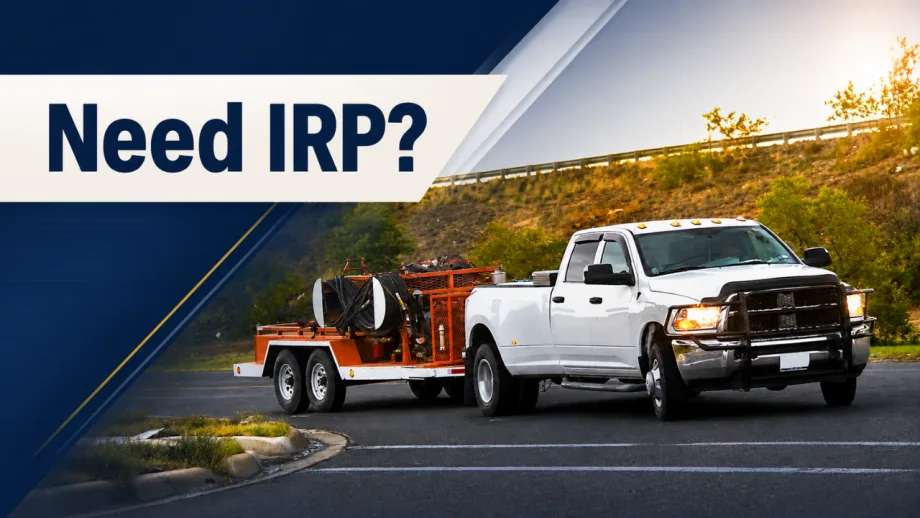
Work trucks under 26,001 pounds may not automatically require apportioned registration, but interstate and intrastate operations can still trigger permit or IRP requirements depending on the jurisdiction.
Credit:
J.J. Keller & Associates | Work Truck
3 min to read
A truck weighing less than 26,001 pounds may seem like the last vehicle to worry about when it comes to apportioned registration under the International Registration Plan (IRP).
In many cases, that’s true. However, an important gray area can catch carriers off guard and lead to unexpected permit requirements, roadside delays, and compliance headaches.
For two-axle vehicles and combinations weighing between 10,001 and 26,000 pounds, IRP may not be required at the base level, but that doesn’t mean registration concerns disappear when traveling across state or provincial lines.
Depending on where the vehicle operates, a carrier may still need trip permits or even apportioned registration. Understanding these rules can help fleets avoid surprises and determine whether voluntary IRP registration makes practical sense.
When IRP Rules Can Apply Below 26,001 Pounds
A two-axle vehicle with a gross weight or registered weight under 26,001 pounds is not required to register (or obtain trip permits) under the IRP. However, for vehicles and combinations between 10,001 and 26,000 pounds, some jurisdictions require trip permits or apportioned plates:
- To travel through the jurisdiction, or
- When engaging in intrastate transportation.
Because of this, it sometimes makes sense to register the vehicles with apportioned plates under IRP even when they are less than 26,001 pounds.
When Does Voluntary IRP Registration Make Sense?
If your vehicles (or combinations) fall into this weight category and operate in more than one jurisdiction, you'll need to check if trip permits or apportioned plates are necessary for your destination and the states on your route.
Rather than researching permit requirements for every trip, purchasing permits as needed, and tracking expiration dates, an apportioned plate can provide greater flexibility and reduce administrative effort.
This approach is particularly valuable for carriers whose routes routinely cross jurisdictional boundaries or whose business model involves occasional intrastate movements in multiple locations.
The cost and administrative burden of apportioned registration may be offset by the convenience and reduced compliance risk.
Why IRP and IFTA Rules Do Not Always Match
A common misconception is that IRP and IFTA (the International Fuel Tax Agreement) always apply together. For units between 10,001 and 26,000 pounds, that’s not always true.
A two-axle vehicle or combination weighing 26,000 pounds or less is not subject to IFTA. Even if registration issues arise because of jurisdiction-specific IRP requirements, these lighter vehicles do not become IFTA-qualified vehicles simply because they cross state lines.
Three or More Axles Changes the Compliance Rules
However, there is one important exception to remember: With both programs, the number of axles matters as much as vehicle weight.
If a power unit has three or more axles, it is subject to both IRP and IFTA regardless of weight. Even a relatively light vehicle becomes an apportioned-registration and fuel-tax vehicle once it meets the axle threshold.
Missing this detail can result in significant compliance problems.
What Fleets Should Check Before Crossing State Lines
Before crossing borders, verify the requirements of every jurisdiction on the route, and remember that any power unit with three or more axles is automatically subject to both IRP and IFTA, regardless of weight.
Quick Answers
Generally, trucks weighing less than 26,001 pounds do not require IRP registration. However, there are specific situations, especially when crossing state or provincial lines, where trip permits or apportioned registration may be necessary.
*Summarized by AI
Subscribe to Our Newsletter
More Safety
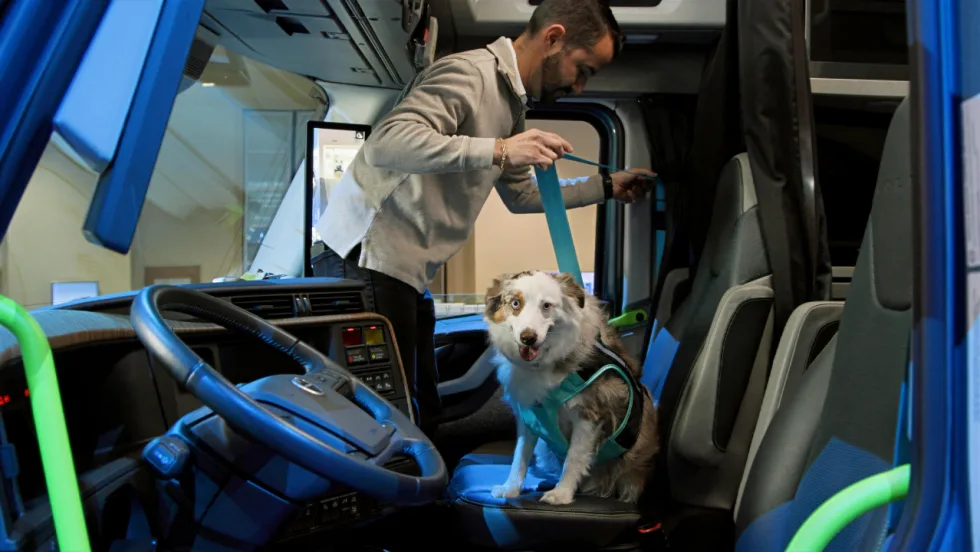
Volvo Trucks Releases New Safety Recommendations for Traveling with Pets
One of the most important recommendations for professional drivers traveling with pets is to ensure pets are properly restrained while the truck is moving. Other tips are available in the new guide from Volvo Trucks North America and Center for Pet Safety.
Read More →
API Issues Refueling Safety Guidelines
The American Petroleum Institute offers a list of safe vehicle refueling guidelines, including ways to avoid potential problems with static electricity discharges in fall, winter, and early spring.
Read More →
Winter Fleet Prep: Expert Tips to Keep Vehicles Running Smoothly
Cold weather can expose weak batteries, tires, fuel systems, and maintenance gaps fast. Use this winter fleet checklist to prepare trucks and drivers before temperatures drop.
Read More →
When a Work Truck Breaks Down, the Job Can Stop, Too
A work truck breakdown can stop more than the vehicle. Discover how payloads, jobsites, and specialty equipment change the roadside response.
Read More →
What Stronger Long-Term Fleet Service Partnerships Actually Require
Fleet service partnerships rarely fall apart all at once. Learn the three warning signs that trust is eroding and what fleets and providers can do before downtime, frustration, and lost revenue follow.
Read More →
Applause & TRUCE Software Partner to Improve Driver Safety Through AI-Powered Telematics & Employee Performance Management
Applause has integrated TRUCE driving metrics directly into its employee-first performance and safety platform that transforms mobile devices into AI-powered telematics.
Read More →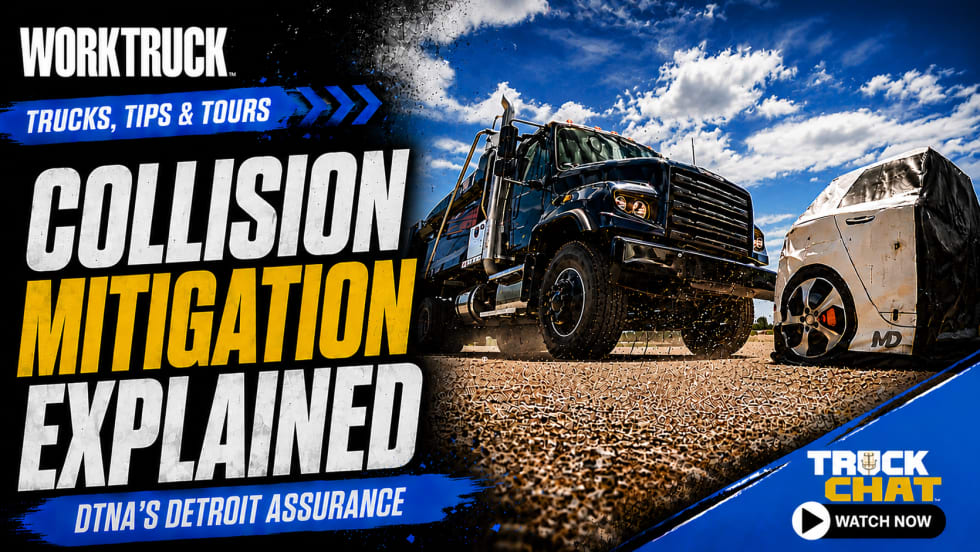
How Detroit Assurance with Active Brake Assist Works
Do you want to see what it is like to experience Detroit Assurance’s Active Brake Assist? In this video, Work Truck will put you in the cab to see how it all works and then hear more details from DTNA’s Mike Young.
Read More →
Get Left of Loss: A 5-Step Workplace Violence Prevention Framework for Fleet Operators
Violence risks do not stop at the driver’s door. Learn five practical steps fleets can take to spot threats early and protect workers before loss occurs.
Read More →
Sponsored•July 17, 2026
How Better Visibility Cut Speeding Violations by 48%
Fleet leaders don't need more data, they need clearer visibility into what the data is saying. This case study explores how one utility replaced speeding-event counts with a single metric — miles driven in violation — to strengthen safety and significantly reduce speeding violations.
Read More →
13 Safe Driving Tips for Commercial Vehicle Drivers
Make sure you are spending time on the road safely with these important tips.
Read More →