




Check the Tires
A survey found that nearly one in every 10 passenger vehicles has at least one bald tire. What's more, 27% -- more than one in four -- of vehicles are driven with one or more severely under-inflated tires.

It is vitally important that motorists monitor tread depth to guard against tire failure. Unsafe tires should be replaced immediately.
Photo: Work Truck
A survey found that nearly one in every 10 passenger vehicles has at least one bald tire. What's more, 27 percent—more than one in four—of vehicles are driven with one or more severely underinflated tires.
The study, conducted by the U.S. National Highway Traffic Safety Administration (NHTSA), serves to highlight the importance of maintaining good, properly inflated tires.
Critical for Safety
"It is extremely important to motorists' safety that they ensure their tires are properly inflated," said Transportation Secretary Norman Mineta. "Motorists who drive on tires that are bald or substantially under-inflated risk injuries or fatalities."
As the recent highly publicized failures of Firestone tires linked to fatal rollover accidents in Ford Explorers have shown, we can't afford for tires to be relegated to the status of an afterthought. But apparently, some motorists and companies still haven't gotten the message.
NHTSA is launching a tire safety campaign, "Tire Safety: Everything Rides On It," based on the results of its study.
Public service announcements will run on 2,000 radio stations across the country, according to NHTSA. The campaign will also include print ads in both newspapers and magazines, and more than half a million flyers will be given out at tire stores and other locations.
Monitor Tread Depth
According to Jeffrey Runge, NHTSA administrator, it is vitally important that motorists monitor tread depth to guard against tire failure. Unsafe tires should be replaced immediately.
"Checking tires is a crucial element in regular vehicle maintenance," Runge said.
According to NHTSA, a tire is considered "bald" if it has 1/16 of an inch or less in tread depth.
Modern tires have built-in tread wear indicators -- raised sections spaced intermittently in the bottom of the tread grooves -- to help motorists determine when they should be replaced.
Another easy method for checking tread depth involves using a penny. Just place the coin upside down within the tread; if you can see the top of old Abe Lincoln's head, you should replace the tire.
Under Pressure
The other critical component of tire safety is proper inflation.
NHTSA recommends that you keep tires inflated according to vehicle makers' recommendations, usually found in that seldom-used book -- the owner's manual -- or on a sign placed in the glove compartment or on the portion of the driver's door which becomes visible when the door is opened.
Three hundred gas stations around the U.S. were checked during NHTSA's study; only 139 had working air pumps. Fewer than half provided a tire pressure gauge, and of those that did, 20 percent of the gauges over-reported the pressure in a tire by at least four pounds per square inch (psi), according to the survey.
For Once, an Easy Solution
At the very least, you should encourage your drivers to visually monitor tread depth and tire pressure each time they drive the vehicle. I also recommend equipping each of your drivers with a tire pressure gauge, and training them in using the gauges properly (especially given the fact that many stations don't have properly working gauges anymore).
If you want to go further in the direction of safety, there are several tire pressure monitoring devices available on the market with varying degrees of cost and sophistication. These can range from a simple replacement cap (which indicates low pressure right on the valve stem) to electronic sensors that alert the driver through dash-mounted displays when pressure falls beneath a predetermined lower limit.
Regardless of the specific course of action you choose, here's the bottom line: Doing something to increase tire safety is a lot better than doing nothing!
More Safety & Compliance
Fleetworthy Expands Expedited Inspection to 5 States
Following its industry-first launch in Nevada, Fleetworthy’s automated inspection technology is now live in California, Michigan, Vermont, and Maine.
Read More →
Crossing State Lines in a Light-Duty Work Truck? Check These Rules First
Crossing state lines in a lighter work truck? J.J. Keller's Kathy Close explains when IRP registration, trip permits, and towing rules come into play.
Read More →
GeoFencing Adds to Your Truck Security Arsenal
Geofencing is a familiar fleet tool today, but its early adoption marked a major shift in vehicle tracking, route monitoring, and the debate over employee privacy.
Read More →From Our Partners

Recalls You Need to Know About in October 2026
In October 2026, what recalls might impact your fleet? Work Truck has the answers in this comprehensive overview of recent NHTSA recalls.
Read More →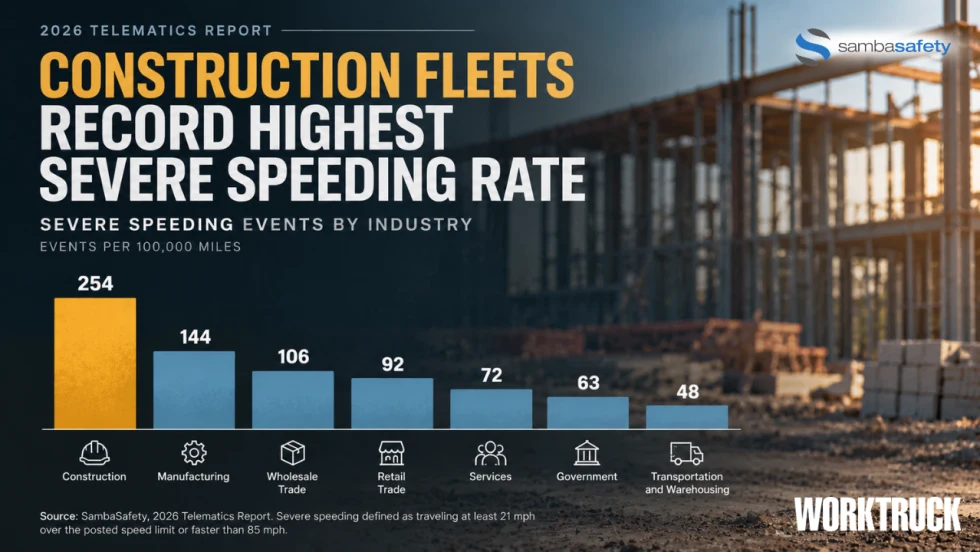
Construction Fleets Show Telematics Adoption Alone May Not Reduce Driving Risk
SambaSafety found construction fleets monitor roughly 92% of their vehicles but recorded the highest severe speeding rate among industries studied.
Read More →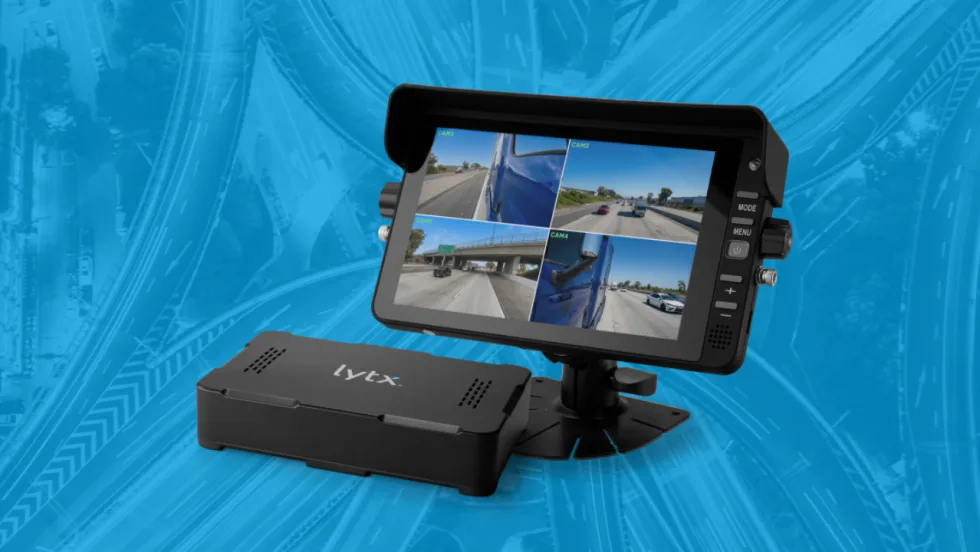
Lytx Launches 360 Hub Kit for Expanded Fleet Camera Visibility
Lytx’s new AI-ready gateway and HD auxiliary camera ecosystem, the Lytx 360 Hub Kit, extends visibility across side, rear, cargo, and blind-zone views to help fleets see more and respond faster.
Read More →
Mack Defense Achieves Cybersecurity Maturity Model Certification Level 2
After an assessment conducted by an authorized Certified Third-Party Assessment Organization (C3PAO), Mack Defense has achieved Cybersecurity Maturity Model Certification (CMMC) Level 2.
Read More →
When Work Trucks Under 26,001 Pounds Need IRP Registration
Think trucks under 26,001 pounds are automatically in the clear when it comes to IRP? Not always. Learn where lighter vehicles can still run into trip permit, apportioned registration, and IFTA compliance requirements when crossing state or provincial lines.
Read More →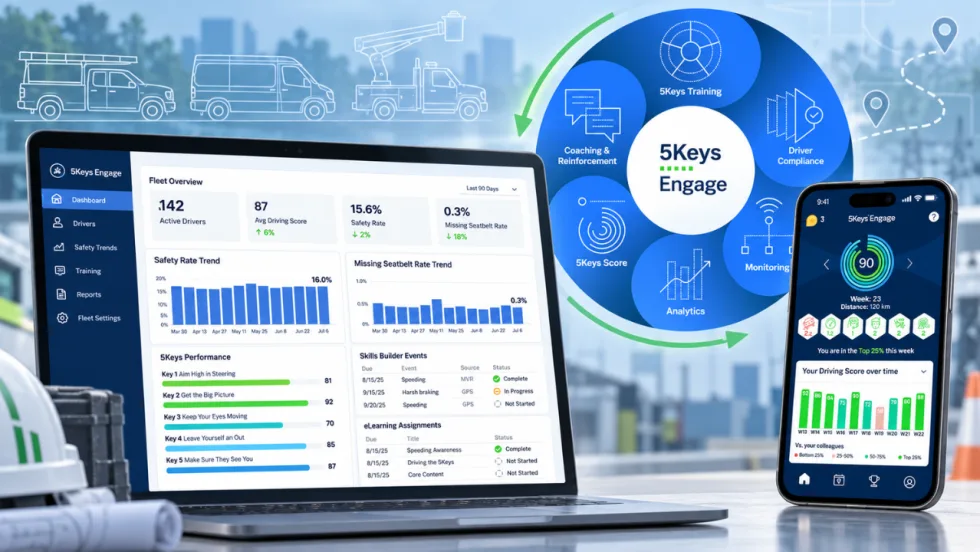
Smith System Wants Work Truck Fleets to Look Beyond the Driver Alert
Smith System’s new Driver Risk Management program is built to help mixed work truck fleets turn telematics alerts and observations into specific behaviors, coaching actions, and measurable follow-up.
Read More →
Volvo Trucks Releases New Safety Recommendations for Traveling with Pets
One of the most important recommendations for professional drivers traveling with pets is to ensure pets are properly restrained while the truck is moving. Other tips are available in the new guide from Volvo Trucks North America and Center for Pet Safety.
Read More →