





Dig Deeper: Survey: GPT Tools Spark Fleet Interest, But Adoption Still Early
VMS Survey Finds 65% of Small Fleet Managers Run Operations Alone
A new VMS survey shows small fleet managers are stretched thin, with most handling operations solo and eager to adopt digital tools for relief.
November 12, 2025
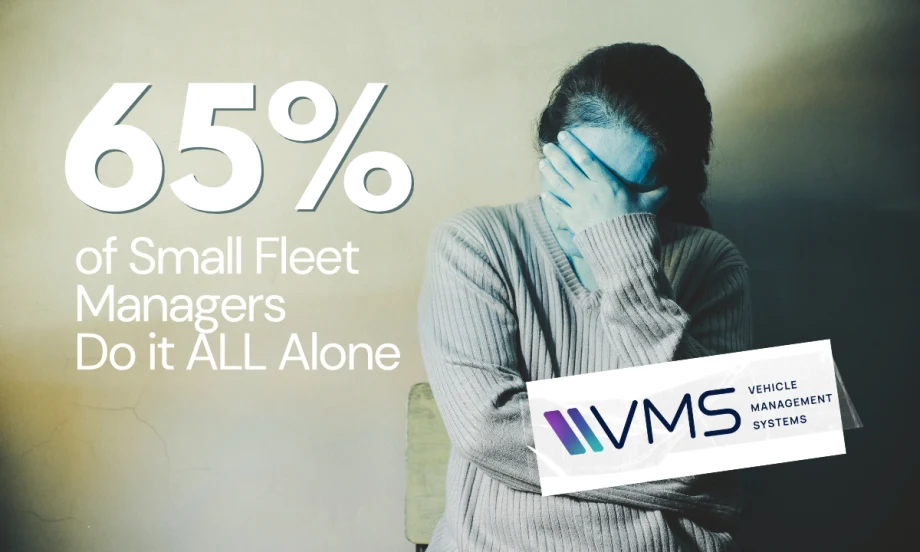
A new VMS survey finds nearly two-thirds of small fleet managers handle all operations alone, highlighting the pressure to manage logistics, maintenance, and downtime.
3 min to read
A new industry survey from Vehicle Management Systems (VMS) finds that small fleet operators are carrying heavy workloads with limited resources, but are showing strong enthusiasm for digital tools that streamline operations and cut downtime.
According to the report, nearly 80% of small fleet managers spend 10 to 30 or more hours each week handling fleet tasks, often well beyond normal business hours. The study surveyed more than 2,000 small fleet operators across logistics, construction, delivery, and field services.
“Small fleet managers are wearing multiple hats; they’re dispatchers, mechanics, and administrators all at once,” said Dave Prusinski, co-CEO of VMS. “These results show that the industry is at a turning point. By embracing AI-based automation and real-time data, small fleets can reclaim time, reduce costs, and operate more efficiently.”
VMS, an AI-first fleet management enablement company, helps operators modernize through accessible, data-driven tools designed to simplify daily tasks and improve performance.
Key Takeaways from the VMS Small Fleet Survey
Solo Operations and Long Hours: About 65% of respondents manage fleet operations entirely on their own, while 26% have teams of only two to three people. Nearly 80% report working late into the evening on management tasks.
Manual Work and Downtime Pain Points: Paperwork (28.5%) and maintenance scheduling (23%) were identified as the most time-consuming responsibilities. Over three-quarters (77%) said repetitive manual work is a major burden, and more than half (54.5%) complete most fleet tasks after hours. Downtime and administrative tasks tied as top stressors at 31.4% each.
The Cost of Breakdowns: Roughly 54% of small fleets face frequent repair scheduling issues, while 52.6% deal with regular unplanned breakdowns. Among fleets with fewer than 50 vehicles, 41% estimate annual downtime losses between $10,000 and $50,000; and 14.5% report losses exceeding $100,000.
Automation Momentum: Eighty-three percent of respondents said they’re ready to adopt new digital tools, and 77% expect to update how they manage fleets within the next two years. Nearly half are prepared to invest $26–$75 per vehicle per month to reduce downtime and automate manual work.
VMS Pushes AI Innovation for Small Fleets
The survey results align with the company’s ongoing expansion following its rebrand from EVAI to Vehicle Management Systems. In a recent Work Truck interview, “AI, Access, and Uptime: Then Next Chapter for VMS with David Prusinski
,” Prusinski shared how the company is developing a virtual fleet manager powered by AI to simplify maintenance and reduce downtime.
VMS’s platform is designed to predict issues before they lead to breakdowns and give fleet managers (especially those handling multiple roles) a single, easy-to-use tool for scheduling, diagnostics, and service coordination.
“What we’re doing at VMS is creating a virtual fleet manager that’s AI-centric,” Prusinski said in the Work Truck article. “The AI triages the issues, tells you what matters, and presents solutions. Press a button, pick a shop, and you’re back on the road.”
VMS, an AI-first fleet management enablement company, helps operators modernize through accessible, data-driven tools designed to simplify daily tasks and improve performance.
More Small Fleet


Developing Budget-Friendly Driver Safety Programs
From driver training and safety meetings to one-on-one coaching and incentive programs, several small fleets share how they have developed a safety culture with their drivers using low- to no-cost resources.
Read More →
Sponsored•March 9, 2026
Boosting Last-Mile Fleet Uptime, Safety, and Value with AI Vehicle Inspections
AI-powered inspections are transforming last-mile fleets by replacing manual checks with highly accurate automated scans that detect defects in seconds. By giving fleet operations visibility into the daily condition of their vehicles, you can identify trends over the vehicle’s lifecycle that enable improved procurement decisions, route management, driver training and accountability.
Read More →
Five Ways Seat Belts Help Prevent Injuries
There are five ways seat belts protect occupants from injuries, according to the Tennessee Department of Safety and Homeland Security.
Read More →
Sponsored•January 14, 2026
It’s here: The 2026 Fleet Technology Trends Report
What does AI mean for fleets? Get the answer — and learn other top tech trends.
Read More →
Small Fleets, Big Impact: How Independent Drivers Power Wreaths Across America
Check out how small fleets and independent drivers power Wreaths Across America each December and why their impact matters more than ever.
Read More →
Tips for Driving Safely on Halloween Night
This video features a reminder from the Connecticut Department of Transportation (DOT) and the Connecticut Police Chiefs Association, urging drivers to prioritize safety this Halloween.
Read More →
AI, Access, and Uptime: VMS’s Next Chapter with David Prusinski
VMS’s new Co-CEO, David Prusinski, shares how an AI-first approach will give small fleets and repair shops the tools to compete like big players.
Read More →
Fleet Managers Share Winter Prep Tips: It's Never Too Early!
Three fleets share best practices to prep vehicles for winter and prevent downtime when the cold sets in.
Read More →
Hot Weather Driving Tips for Fleet Drivers
As we head into another potentially extreme summer season, the risks for fleet drivers remain high, from engine strain and tire blowouts to unpredictable traffic patterns. An expert shares advice on how fleet drivers can boost their safety during the steamy summer months.
Read More →