




5 Things You Need to Know When Choosing Lift Axles
Lift axles distribute weight and allow trucks to meet state and federal bridge regulations, but what do you need to know when choosing auxiliary axles? Work Truck talked to the experts to find out.

Hear from two experts about what you need to consider when selecting lift axles.
Photo: Link Mfg./Canva/WT Illustration
Whether you order trucks with auxiliary lift axles from the OEM or have them upfitted later, they are vital for fleets to operate legally on bridges with weight restrictions. So, when it is time to consider lift axles, what do you need to know?
Work Truck reached out to Link Mfg. to learn more about lift axles from Jimmy Winslett, senior account manager, and Tom Perez, national sales manager for aftermarket.
Link develops and manufactures suspensions specially engineered to address the unique needs of commercial vehicles and equipment. Its products include Cabmate cab suspensions, steerable and non-steer lift axles, and vocational chassis suspensions. Link also manufactures accessory products such as Cat’s Eye tire pressure equalization systems, ramps, and other products designed to enhance the productivity of commercial vehicles.
Why Trucks Need Lift Axles
“You can put a lift axle on anything you want to put a lift axle on,” said Winslett. “Anything that needs to carry extra weight, that needs to have that weight distributed over a certain number of axles, you can put them on there. It doesn't have to be a conventional Class 8 dump truck.”
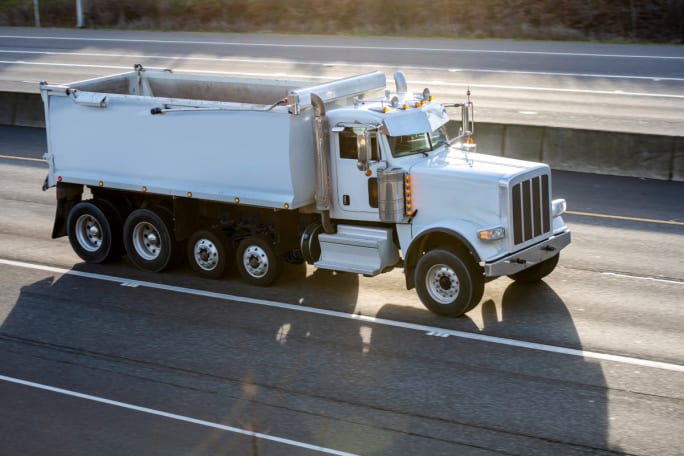
Dump trucks are primarily what people think about when it comes to lift axles, but there are other uses.
Photo: Link Mfg.
Winslett points out the dump truck segment is probably the largest part of the trucking industry that takes advantage of lift axles; however, they can also be of great value to refuse trucks, concrete trucks, heavy vacuum trucks, water trucks, or anything that’s carrying a heavy load that will exceed bridge laws and would require additional axles.
Permanently fixed axles can be done, but it is not often needed by Link's customers. It is more common for extra fixed axles to be found on trailers hauling heavy loads regularly rather than on vocational trucks or other equipment.
Weight/axle laws apply only to regulated roads and highways. Once trucks are off the road, there is no requirement to keep axles lowered and you can raise them anytime you want.
“You don't want the axle on the ground if you don't need it on the ground because it's going to wear and tear and fuel mileage will suffer, so that's why it's you can move it up and down,” said Winslett.
“Most people, for the most part, don't put lift axles on because they want to. They put them on because the law requires they have them,” explained Perez. “The law requires that you have so much weight to the ground especially when you're going over bridges to protect infrastructure,” Perez said.
More Trucks Coming from the Factory with Lift Axles Installed
Five years ago, it was rare to see trucks coming from the factory with lift axles installed, Winslett noted. He said that has changed since 2019, and now more trucks are already equipped with lift axles from the OEM. Winslett estimates eight out of 10 trucks that need lift axles come that way from the factory.
Winslett said some OEMs work with an upfitter to install lift axles, while other OEMs make trucks that roll off the assembly line with lift axles already installed.
Perez agreed with Winslett’s eight-out-of-10 estimate and added that the trend particularly holds true for dump truck applications.
But, again, lift axles are not just for heavy dump trucks.
Perez said he works with a volumetric mixer company that installs a lot of lift axles, as do other companies with specialty equipment and applications.
“A lot of customers still will need to do something special to that frame, where the OE fit doesn't always work going down the assembly line, so they have to order the truck without the axle and then our customers, which would be the upfitters, body modifiers, or fab people, will take it and modify it and add the axle,” said Winslett.
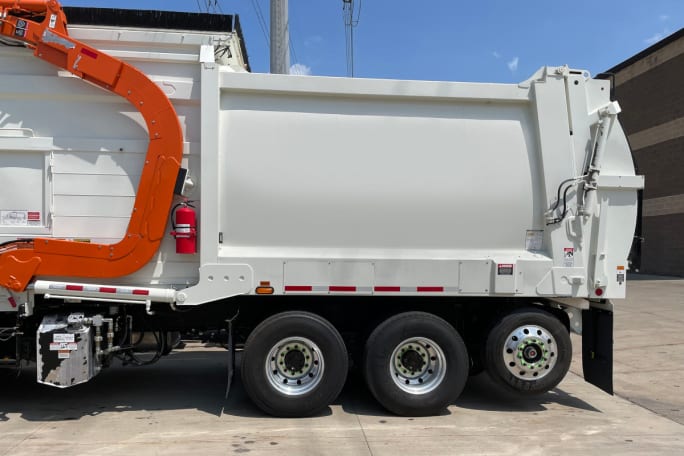
It is important to know where you need to install the lift axles based on the vehicle and the weight distribution.
Photo: Link Mfg.
Lift Axles Installed by OEM vs. Dealer vs. Upfitter
New truck customers that need auxiliary axles will get them either from the OEM or by having someone install them later. It might not even be the first owner who needs the extra axles. Perez has seen some Midwest fleets buy used equipment and then upfit the trucks with lift axles.
“One thing is the OEM dealers really don't want that kind of work,” Perez said in explaining how most dealerships look at installing lift axles. “They want to do warranty work. They want to do stuff under the hood.”
However, Perez said some OEMs have a few dealers that will install lift axles.
“I have some customers that have just decided, ‘You know what? We need to keep our people busy. This is a large ticket item and we want to do that work as well’,” Winslett said. “So, it kind of goes both ways, but not nearly as much as it used to.”
While most OEM dealers likely don’t install lift axles, Perez said typically there are two or three body builders in the area who will.
Lift Axle Advice from the Experts
So when it is time to plan for auxiliary lift axles, whether ordering through an OEM, dealer, or upfitter, what are the key things to keep in mind? Winslett and Perez have some suggestions, which are:
1. What do your state’s bridge laws require?
All states and federal highways have weight limits and regulations regarding how much weight a truck can carry. Check with your local authority and your OE dealership on your area’s bridge law.
2. Where are you putting the axle and what kind of axle do you need?
Installed to the rear of the drive axle is called a tag axle. Installed in front of the drive axles are called pusher axles. You will need to know whether you need the extra carrying capacity on the rear of the truck or in the middle of the truck.
3. Do you have room on the chassis and how many frame-mounted items will you need to move to accommodate the auxiliary axle?
Trucks that come from the factory without an auxiliary axle will require a truck shop, body builder, or up-fitter to install your axle. Items like air tanks, crossmembers, fuel filters, tanks, etc. may need to be moved to accept the new axle. Spacing is crucial to being legal. The auxiliary axle must be a certain distance from the rear drives on a pusher axle and the same for the tag axle. Always use a qualified installer.
4. What size axle and how many do you need to carry your desired load?
Based on your truck’s length you may be able to install up to four auxiliary axles. The most common is one or two axles, based on desired weight and load. The most common sizes are the single 20K non-steer axle, the 13.5K, 10K, and 8K steerable axles, in the pusher position. Tag axles normally come in two sizes, 13.2K and 20K.
5. Know what you’re getting.
You can order a pre-plumbed axle with all valves, hoses, fittings, brake chambers, and quick connect bulk-head pre-assembled, ready to be installed. You can also buy an axle and all the components separately. This will require additional labor and time.
More Upfitting
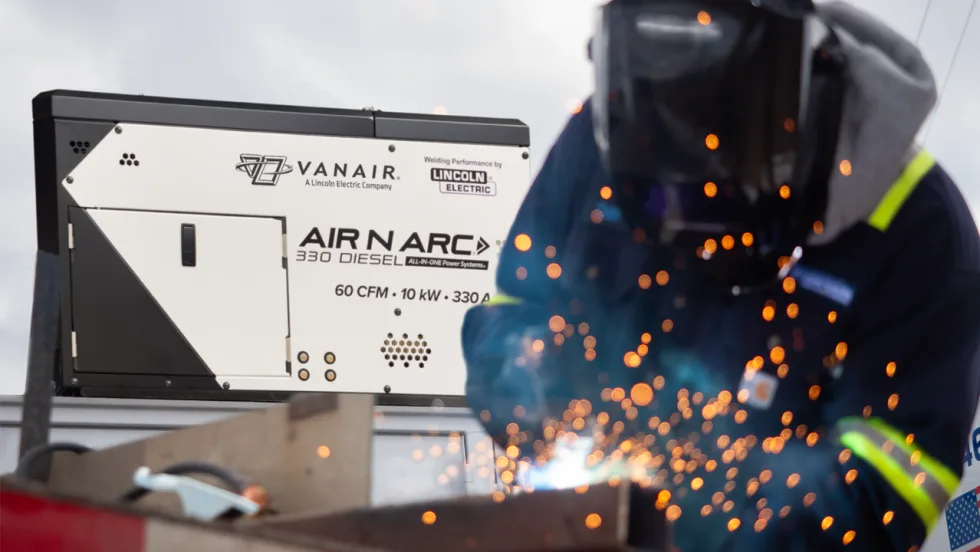
Multitasking: Vanair’s Air N Arc 330 Diesel 60 CFM All-In-One Power System
The Air N Arc 330 Diesel 60 CFM from Vanair consolidates a welder, generator, rotary screw air compressor, battery booster, battery charger, and EV charger into a single 750-pound enclosure driven by one 24.8-horsepower Kubota diesel engine.
Read More →
Buyers Products Awarded Sourcewell Cooperative Purchasing Contract for Snow & Ice Equipment
Buyers Products has been awarded a Sourcewell contract for a wide range of winter maintenance equipment and accessories, including snowplows, municipal plow systems, wing plows, spreaders, and more.
Read More →
Hilltip Introduces the SnowStriker SFT Flex Expandable Box Plow
Hilltip’s new SnowStriker SFT Flex expandable box plow features hydraulically extendable sections that allow operators to adapt the clearing width to changing conditions and applications on the go.
Read More →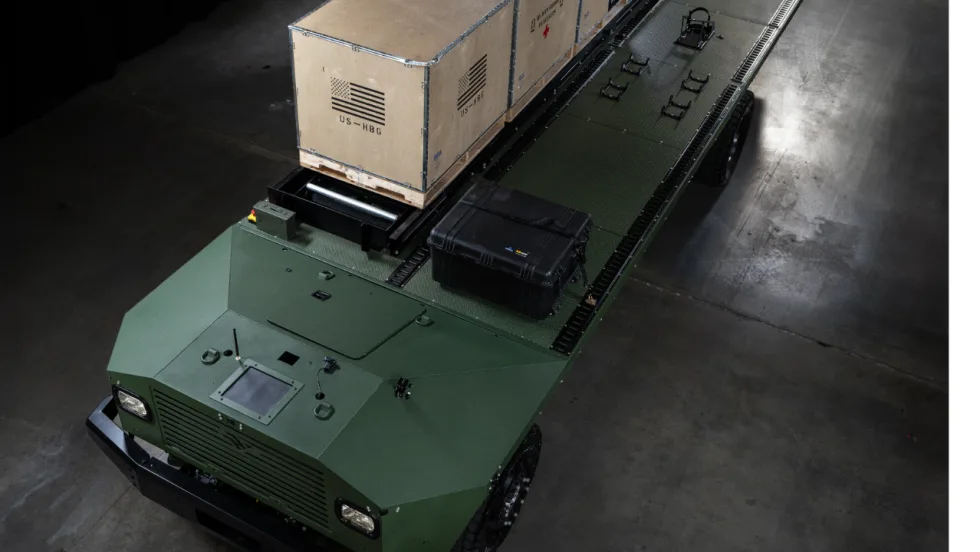
Harbinger Part of Effort to Deliver Autonomous Logistics Capabilities for U.S. Army
American Rheinmetall received an 18-month U.S. Army contract to deliver autonomous, hybrid-powered uncrewed ground vehicles. Harbinger is providing the truck platform for those vehicles.
Read More →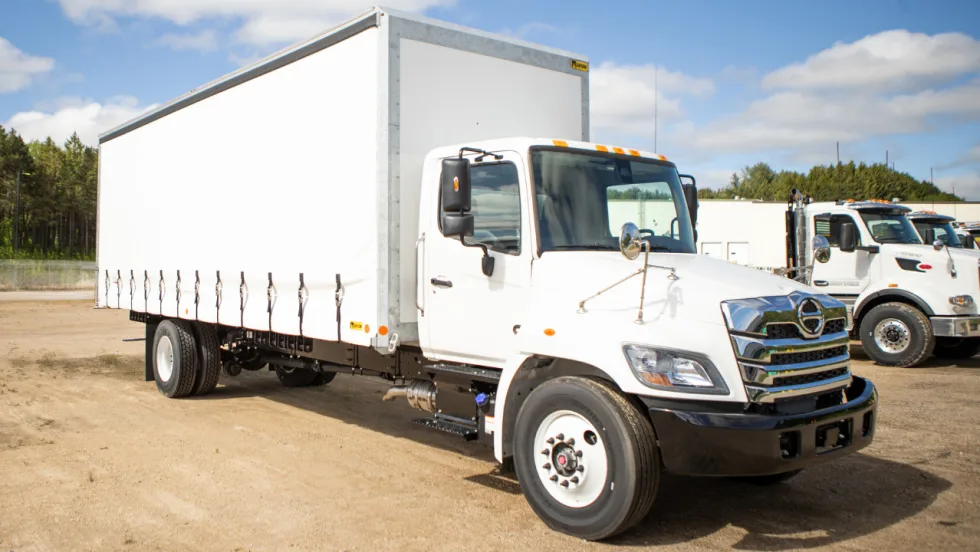
Thinking Outside of the Box: Choosing the Right Truck Body for Your Fleet
Choosing the right truck body can have a major impact on loading efficiency, cargo protection, downtime, and long-term operating costs. Here’s how dry vans, platforms, and curtainsiders compare, plus what fleets should consider before spec’ing their next truck.
Read More →
Fourth Annual Upfit Package of the Year Awards Open for 2027 Entries: One Month Left!
Think your upfit deserves industry recognition? Enter the 2027 Work Truck Upfit Package of the Year Awards before the Sept. 30 deadline. There is less than a month left to get your submissions in!
Read More →
Reading Truck Equipment & Masterack Unite as One of North America's Largest Commercial Vehicle Upfit Networks
Reading Truck Equipment and Masterack have integrated operations to create one of North America's largest and most comprehensive commercial vehicle upfit organizations.
Read More →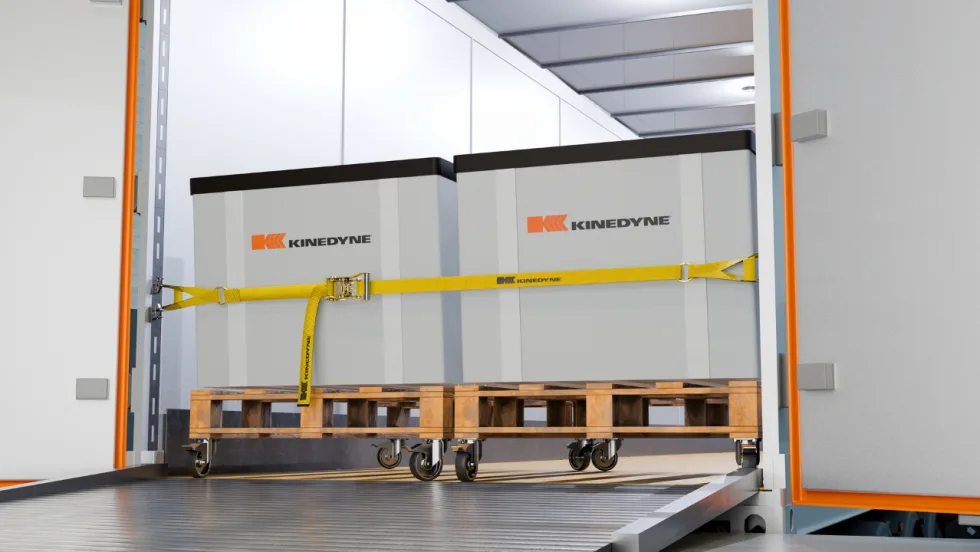
Kinedyne Launches Heavy Duty Logistic Shoring Strap
Kinedyne’s new Heavy Duty Logistic Shoring Strap features a patent-pending four-point design to deliver greater cargo stability, increased strength, and easier handling for rolling and shifting freight.
Read More →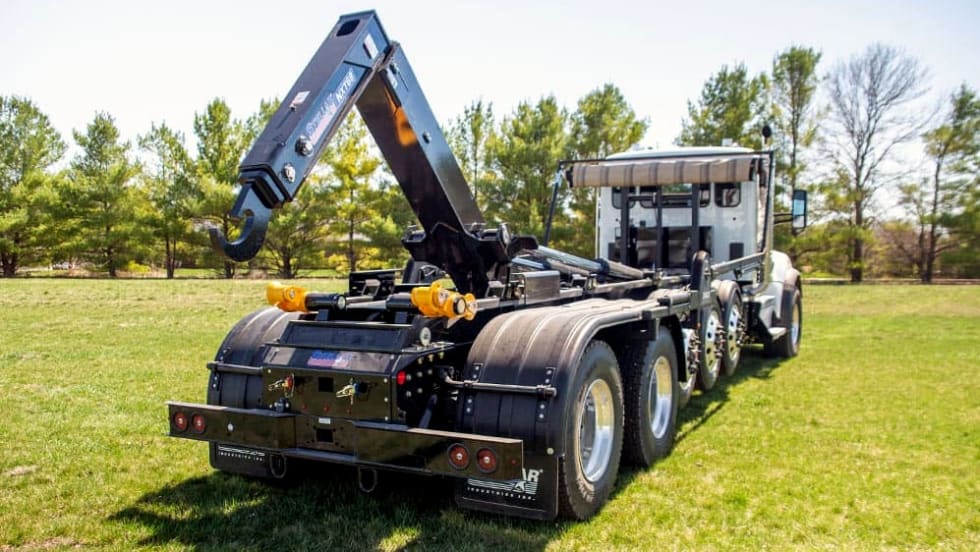
Hooklift Bumper Design from Stellar Showcases Strength & Versatility
Stellar Industries’ new bumper for the NZT Series Hooklifts come in two capacity options: the 20K, designed for Class 3 – 6 chassis with a 20,000-pound pull capacity, and the 90K, built for Class 7 and 8 chassis with a 90,000-pound pull capacity.
Read More →
Maxon Lift Awarded the Wabash Platinum Award for Supply Chain Performance
Maxon Lift, a liftgate manufacturer since 1957, received the Wabash Platinum Award for supply chain performance in 2025. Each year, Wabash presents awards to top suppliers for excellence in supply chain performance.
Read More →