




Inside the Truck is Where Productivity is Won (or Lost)
Fleet productivity problems often start inside the truck. Here’s how smarter storage boosts safety, cuts wasted time, and protects uptime.

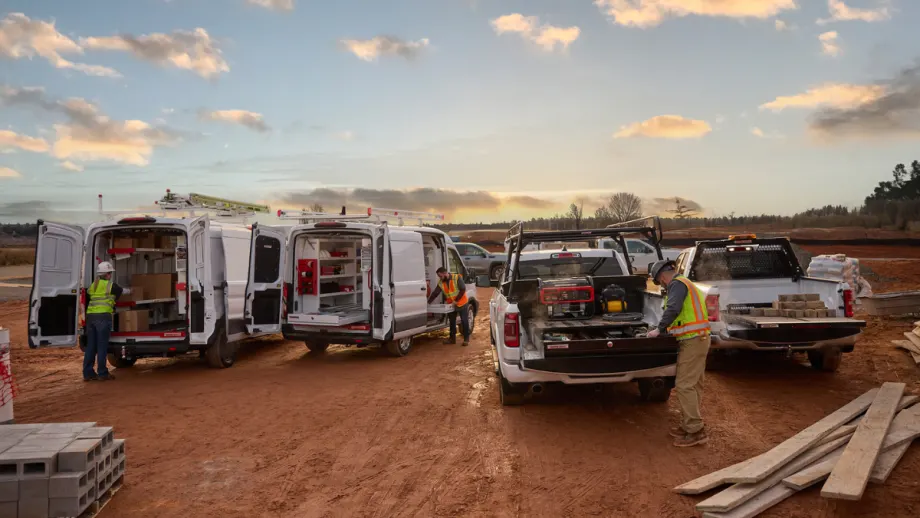
Consistent, organized upfits across fleet vehicles help technicians move faster and reduce the learning curve when switching units.
WeatherGuard
- Efficient storage solutions inside trucks can improve fleet productivity by reducing safety risks.
- Optimized truck interiors help eliminate wasted time through better organization and accessibility.
- Proper storage management is crucial in maintaining vehicle uptime and operational efficiency.
*Summarized by AI
There’s a certain kind of time-wasting that doesn’t show up in fleet reports, mostly because it’s too small to feel report-worthy. It’s not “vehicle down for three days” big. It’s “hang on, where is it” small. A technician opens the cargo doors, pauses for half a second, and you can almost see the mental map recalculating. Something slid. Something tipped. The tool they need is now under the thing they don’t need, and the thing they don’t need is somehow the heaviest item in the vehicle.
And now we’re off to the races, except the race is between getting the job done and battling your own storage setup.
Loose gear doesn’t just look messy. It breaks. It gets lost. It eats time. It can fall when doors open. It turns “grab and go” into “dig and climb.” Fleets don’t plan for that friction, but they pay for it anyway through downtime, damaged tools, slower stops, and technicians who are already tired before the real work begins.
That’s the thing about “inside the truck” problems. They feel minor until you multiply them. One extra minute at every stop turns into a big number fast, especially when your labor pool is tight, your vehicles are expensive, and you’re trying to squeeze more productivity out of the same assets.
“Walk almost any fleet vehicle in the field, and you’ll see the same three issues over and over,” said Dave Cherry, Director of Sales at Weather Guard. “Loose gear, poor access, and wasted space. These aren’t occasional inconveniences. They’re daily hits to productivity, safety, and uptime.”
That’s what makes this less of a storage conversation and more of an operations one.
Storage as a Safety Strategy
When fleet managers talk about safety, storage is not always the first topic that comes up. It probably should be.
“The biggest risks are often the quiet, cumulative ones,” Cherry said. “Sprains, strains, slips, falling tools. Repeated awkward reaches. Climbing in and out of vehicles. Tools shifting during transit.”
Not dramatic incidents. Just the kind that adds up.
Over time, those small movements and repeated strain show up in lost workdays, workers’ comp claims, fatigue, and the kind of low-grade frustration that never quite makes it into a report.
Unsecured equipment shifts and falls when doors open. Cluttered floors turn into trip hazards. Shelving set without ergonomic thought forces bending and overreaching all day long.
“Solutions that prioritize secure tool retention and access from outside the vehicle can significantly reduce those risks,” Cherry said.
And as fleets run more mixed assets, that consistency matters even more. A technician shouldn’t have to mentally reset their safety habits just because they moved from a truck to a van. Storage that works consistently across platforms helps keep protections consistent, too.
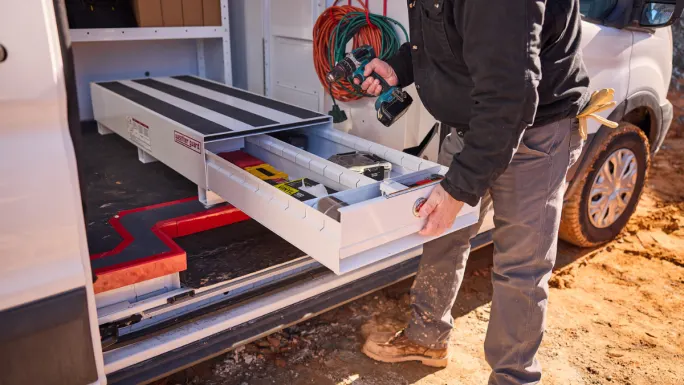
A slide-out drawer system keeps high-use tools within reach, reducing climbing, digging, and wasted motion at every stop.
The Mindset Shift Fleets Need
Many fleets still treat storage as the final step, just another accessory. The “we’ll figure it out” line item.
“The biggest shift fleets need to make is treating storage as part of the work system, not an add-on,” Cherry said.
Fleets expect core vehicle components to last the full lifecycle of the asset, and storage should be no different. “When it’s designed for durability, installed once, and standardized across the fleet, storage stops creating problems and starts preventing them,” Cherry explained.
The fleets that see results are the ones moving away from improvised shelving and one-off fixes and toward purpose-built layouts designed around how technicians actually work.
It also forces a better question. Not “Where can we fit this?” but “How is this used every single day?”
When storage is built around technician behavior, access frequency, ergonomics, and fatigue, it performs very differently from generic shelving bolted in to fill space.
Where Time Actually Disappears
We talk about productivity like it’s this clean, top-down thing. A dashboard, KPI, or a neat little percentage that either goes up or down depending on how “efficient” the operation is this quarter.
But in the real world, most productivity doesn’t vanish in some dramatic, obvious way. It leaks out in tiny moments that feel too small to bother mentioning. An extra 30 seconds hunting for a tool that slid behind a bin. Another minute moving three things to reach the one thing that should’ve been within arm’s reach.
The quick climb into the cargo area because the part you need is buried, followed by the awkward twist back out because you’re carrying something heavy and trying not to smack your knee on the bumper. None of those moments are catastrophic. They’re just constant.
And because they’re constant, they’re expensive.
“Technicians lose minutes searching for tools, moving gear to reach other gear, or discovering something shifted or buried during transit,” Cherry said. “That friction adds up quickly.”
Smarter layouts are built around task frequency. High-use tools within arm’s reach. Heavier items low and secure. Clear visual organization so it’s obvious when something is missing instead of turning the end of the day into a scavenger hunt.
And consistency matters more than most fleets realize.
“When layouts are consistent from vehicle to vehicle, those gains scale,” Cherry noted. “Technicians don’t have to relearn where things are every time they switch units.”
That consistency reduces confusion, speeds up onboarding, and cuts down on mental fatigue, especially in fleets where drivers rotate vehicles.
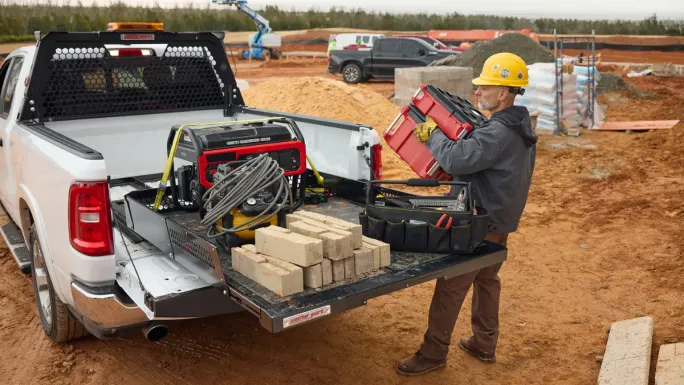
Pull-out truck bed storage helps crews access tools and equipment faster while reducing heavy lifting, climbing, and clutter at the tailgate.
Defining the Red Zone
You’ll hear more fleets talk about “red zones,” the areas designated for the most frequently accessed tools and parts.
The common mistake? “Treating the entire vehicle as a red zone,” Cherry said. “When everything is high priority, nothing truly is.”
When there’s no discipline around zones, the vehicle basically turns into a “closest available surface” system. Tools migrate forward because nobody wants to walk deeper into the cargo area ten times a day. Parts get tossed onto whatever shelf is open. The stuff that’s used constantly starts living near the doors, whether that’s the right spot for it or not. And then the dominoes fall: shelves clutter, bins stack, and suddenly you’ve got a layout that technically exists, but functionally isn’t being followed.
That’s when the workarounds show up. A tool pouch hanging from a random hook. The “temporary” bin that becomes permanent. Gear that is living on the floor because it’s faster than putting it away correctly. It’s not because technicians don’t care. It’s because the setup isn’t aligned with how they actually move through the day. If the layout makes the right thing inconvenient, the right thing stops happening.
Intentional upfits fix this by being very honest about what deserves premium real estate. Red zones are for the tools and parts that get touched constantly, the stuff that should be grab-and-go without climbing in, digging around, or rearranging anything. Everything else still has a home, but it doesn’t compete for the same easy-access space.
And this isn’t about being strict for the sake of being strict. It’s about making the system sustainable. When high-frequency gear has an obvious, convenient home, the rest of the layout stays intact longer. Inventory is easier to spot. Missing items get noticed sooner. The vehicle stays organized without relying on superhero-level discipline from every technician on every shift.
So yes, limiting red zones is structure, not restriction. It’s what keeps “organized on Day 1” from becoming “chaos by Day 10.”
The Small Details That Add Up
At fleet scale, small design decisions stop being small. They turn into either smooth days or a thousand tiny annoyances that techs deal with so often they stop mentioning them, right up until something breaks or someone gets hurt.
“Drawers that continue to operate smoothly under real loads. Shelves set at natural working heights. Visual lock indicators that reduce missed latches,” Cherry said. “Those details matter.”
They really do, because this is where “nice-to-have” quietly becomes “we rely on this ten times a day.” A drawer that sticks when it’s loaded, or a latch that doesn’t quite catch, isn’t just a minor inconvenience. It’s a workflow interruption. It’s the thing that makes someone slam a drawer shut again, double-check a door again, or leave something unsecured because they’re already behind schedule. Multiply that across a fleet, and it turns into wear, breakage, and way too many “why is this happening again” conversations.
Brightness is another one fleets sometimes underestimate, mostly because it doesn’t sound like a big productivity lever until you’ve worked out of a dark cargo area at 6 a.m.
“A bright white interior reflects light throughout the vehicle, making the workspace feel more open and less fatiguing over the course of a long day,” Cherry explained. “Technicians can immediately see what they need, spot missing tools faster, and work more confidently without relying on added lighting or digging through shadows.”
The visibility piece is huge. White shelving creates contrast, which means tools stand out immediately. You’re not scanning shelf after shelf like it’s a spot-the-difference puzzle. And when something is missing, it’s obvious. That matters for speed, but it also matters for accountability because it’s harder for the “I swear it was in here” moment to drag on.
Technicians often cite that visibility improvement as especially helpful in low-light conditions, whether that’s early morning, indoor parking, bad weather, or the back of a van that always seems to eat light no matter what you do.
And yes, customers notice, too. When the doors open and everything is clean, bright, and in its place, it signals professionalism instantly. It says, “We showed up prepared.” That’s a small thing that feels like a big thing when you’re the customer watching the first five minutes of a service call.
“These details may seem minor in isolation,” Cherry added, “but multiplied across thousands of service calls, they result in fewer complaints, less wear, and more predictable daily performance.”

Secure, purpose-built storage keeps gear protected, visible, and ready to grab without disrupting the workflow.
Evaluating Your Current Upfit
If you’re wondering whether your current setup is helping or quietly working against you, the answers usually aren’t complicated. You just have to ask the right questions and pay attention to what your techs are doing when nobody’s trying to perform for a ride-along.
“A few questions tell the story quickly,” Cherry said. “How often are technicians climbing into the vehicle? How long does it take to find daily-use tools? What components are breaking and how often? Are layouts consistent across similar roles?”
Then, honestly, stop guessing and go watch a normal day.
If tools keep ending up on the floor, that’s not a technician problem. That’s a “there isn’t a convenient home for this” problem. If you’re seeing repeated field modifications, bungee cords, bins wedged in weird places, or a whole collection of temporary fixes that have become permanent, that’s a clue. Same with persistent complaints, or the quiet version of complaints, where people just stop mentioning them and work around them.
Those behaviors are signals that the original upfit doesn’t match real-world use.
The TCO Blind Spot
When fleets calculate total cost of ownership, storage often gets treated like a one-time line item: what did it cost to buy, what did it cost to install, done. And that can be pretty shortsighted.
“Downtime and mid-cycle replacement are frequently overlooked,” Cherry said. “Lower-quality storage may cost less initially but fails under sustained fleet use.”
And when it fails, it’s never just the part that’s the problem. Vehicles get sidelined. Installs get redone. Schedules get disrupted. Somebody has to shuffle work, shuffle vehicles, reschedule customers, and explain why the truck that should be rolling today… isn’t.
Storage built for real fleet conditions, designed to last the full vehicle lifecycle, and installed once rather than repeatedly replaced, eliminates much of that hidden friction. It keeps operations predictable, protects uptime, and saves fleets from the mid-cycle surprise no one asked for.
Why This Matters More Now
Looking ahead to 2026 and beyond, fleets are under pressure from every direction.
Vehicle costs are rising. Labor is tight. Expectations are higher. Fleets are being asked to do more with fewer assets and basically zero tolerance for wasted motion, downtime, or inconsistency.
“Smarter storage installs cleanly, holds up over time, and stays consistent across the fleet,” Cherry said.
That consistency has ripple effects. It reduces physical strain. It simplifies training and onboarding because new techs don’t have to relearn the vehicle every time they switch units. It protects uptime. And it reinforces the idea that the vehicle is a productivity asset, not just a place to throw tools and hope for the best.
“At this point, storage isn’t optional,” Cherry added. “It’s a core part of operational resilience.”
And honestly, for an industry that’s always chasing efficiency gains, this might be one of the most practical places to start, because it’s not theoretical. It shows up at the very next stop.
Quick Answers
Smarter storage solutions improve safety by organizing tools and equipment in a way that prevents shifting during transit, which reduces the risk of items becoming hazards to drivers and passengers.
*Summarized by AI
More Upfitting
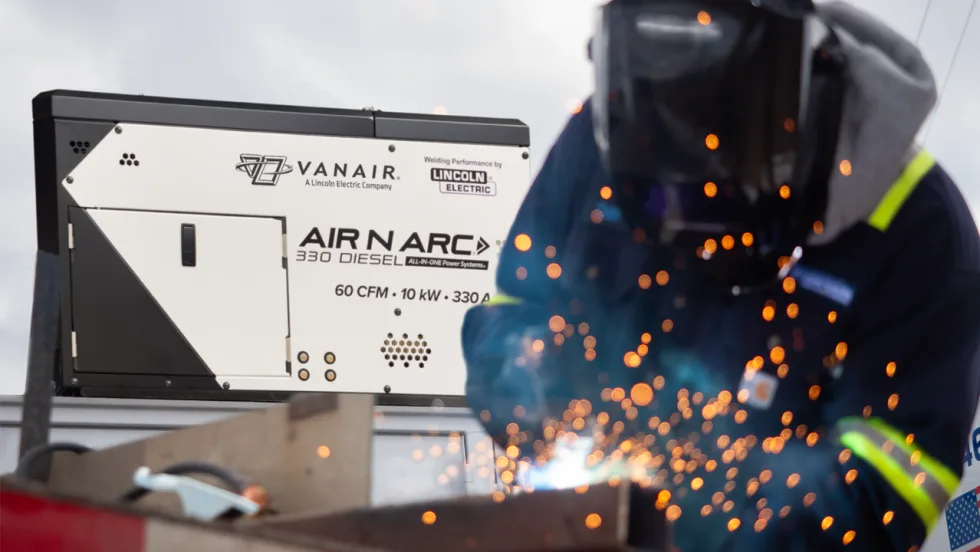
Multitasking: Vanair’s Air N Arc 330 Diesel 60 CFM All-In-One Power System
The Air N Arc 330 Diesel 60 CFM from Vanair consolidates a welder, generator, rotary screw air compressor, battery booster, battery charger, and EV charger into a single 750-pound enclosure driven by one 24.8-horsepower Kubota diesel engine.
Read More →
Buyers Products Awarded Sourcewell Cooperative Purchasing Contract for Snow & Ice Equipment
Buyers Products has been awarded a Sourcewell contract for a wide range of winter maintenance equipment and accessories, including snowplows, municipal plow systems, wing plows, spreaders, and more.
Read More →
Hilltip Introduces the SnowStriker SFT Flex Expandable Box Plow
Hilltip’s new SnowStriker SFT Flex expandable box plow features hydraulically extendable sections that allow operators to adapt the clearing width to changing conditions and applications on the go.
Read More →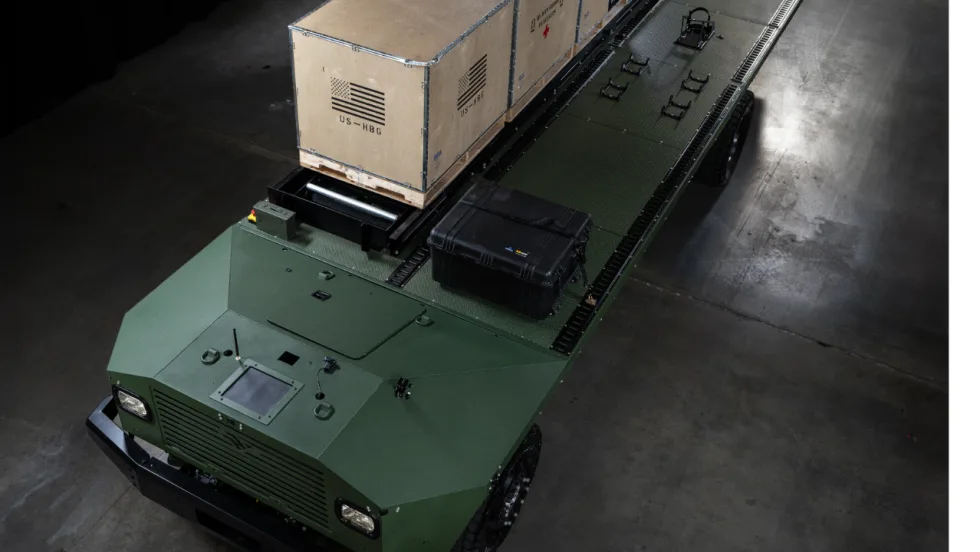
Harbinger Part of Effort to Deliver Autonomous Logistics Capabilities for U.S. Army
American Rheinmetall received an 18-month U.S. Army contract to deliver autonomous, hybrid-powered uncrewed ground vehicles. Harbinger is providing the truck platform for those vehicles.
Read More →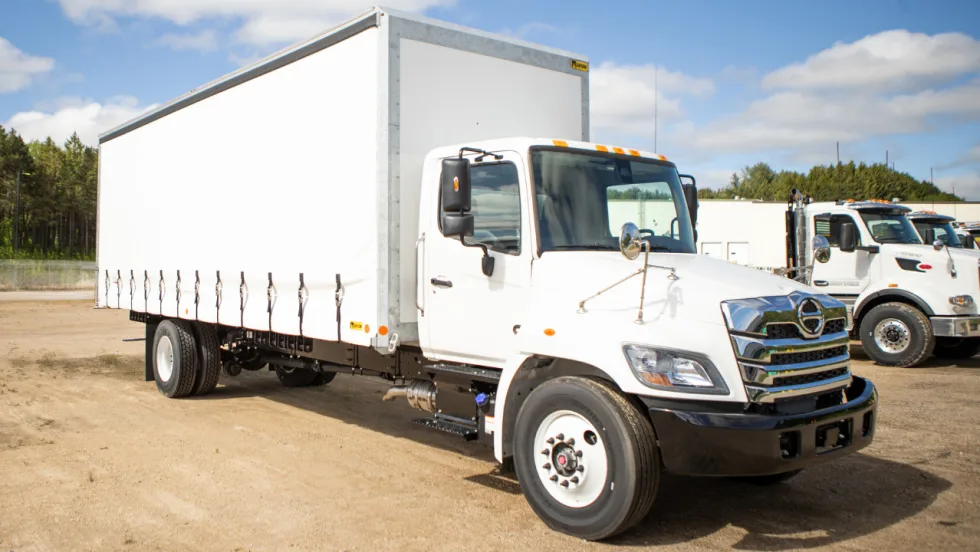
Thinking Outside of the Box: Choosing the Right Truck Body for Your Fleet
Choosing the right truck body can have a major impact on loading efficiency, cargo protection, downtime, and long-term operating costs. Here’s how dry vans, platforms, and curtainsiders compare, plus what fleets should consider before spec’ing their next truck.
Read More →
Fourth Annual Upfit Package of the Year Awards Open for 2027 Entries: One Month Left!
Think your upfit deserves industry recognition? Enter the 2027 Work Truck Upfit Package of the Year Awards before the Sept. 30 deadline. There is less than a month left to get your submissions in!
Read More →
Reading Truck Equipment & Masterack Unite as One of North America's Largest Commercial Vehicle Upfit Networks
Reading Truck Equipment and Masterack have integrated operations to create one of North America's largest and most comprehensive commercial vehicle upfit organizations.
Read More →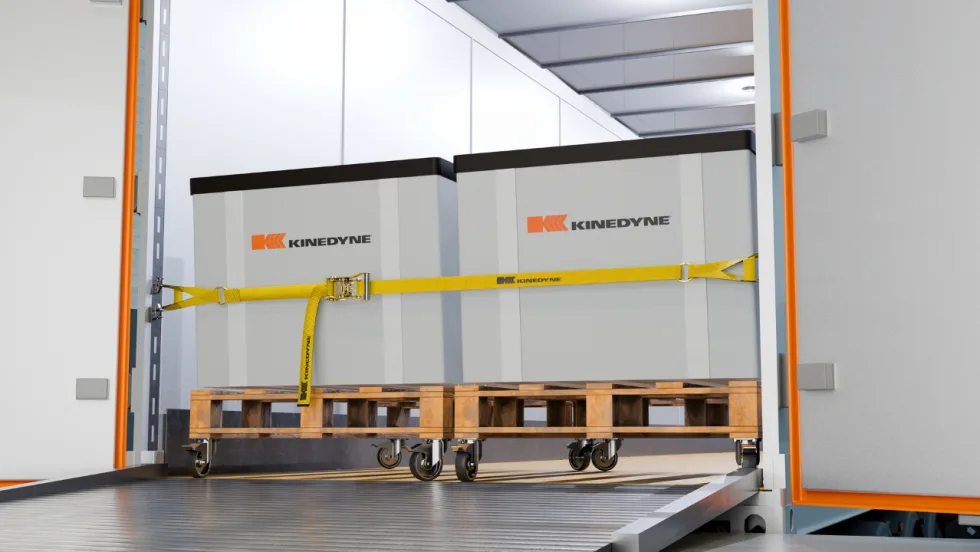
Kinedyne Launches Heavy Duty Logistic Shoring Strap
Kinedyne’s new Heavy Duty Logistic Shoring Strap features a patent-pending four-point design to deliver greater cargo stability, increased strength, and easier handling for rolling and shifting freight.
Read More →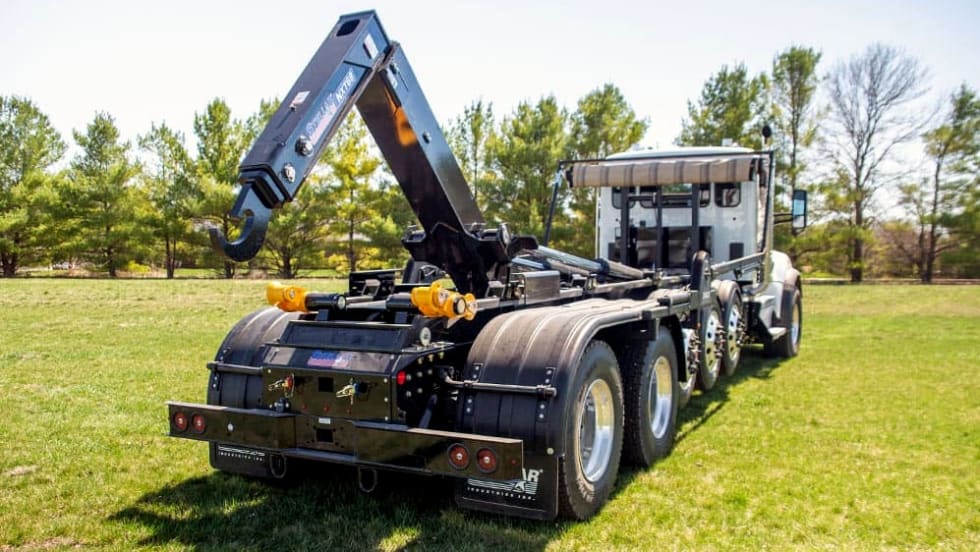
Hooklift Bumper Design from Stellar Showcases Strength & Versatility
Stellar Industries’ new bumper for the NZT Series Hooklifts come in two capacity options: the 20K, designed for Class 3 – 6 chassis with a 20,000-pound pull capacity, and the 90K, built for Class 7 and 8 chassis with a 90,000-pound pull capacity.
Read More →
Maxon Lift Awarded the Wabash Platinum Award for Supply Chain Performance
Maxon Lift, a liftgate manufacturer since 1957, received the Wabash Platinum Award for supply chain performance in 2025. Each year, Wabash presents awards to top suppliers for excellence in supply chain performance.
Read More →