




Incorporating Driver Safety & Technology to Increase Retention
As driver turnover increases, companies are looking for ways to implement practices that improve their fleet management and retain their employees for the long haul.
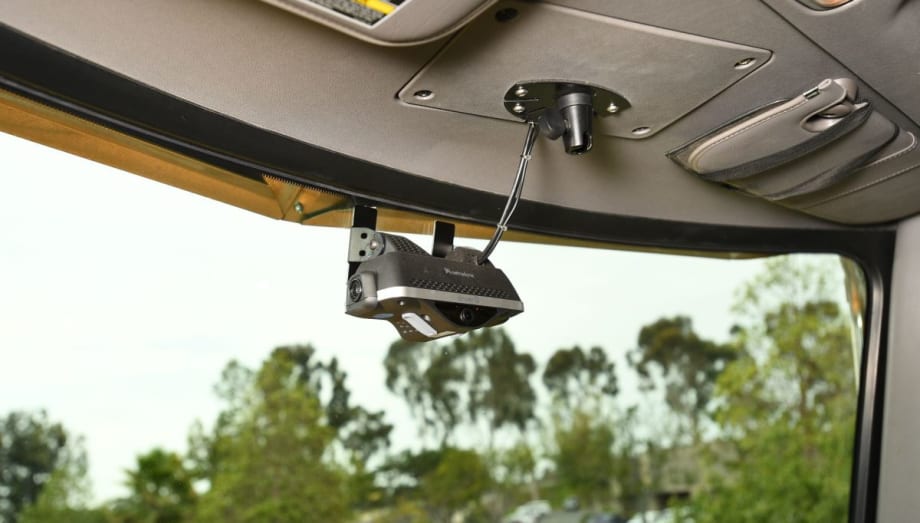
Video and analytics of data of driving behavior helps fleet managers praise their drivers for excellent driving habits and reinforce good behavior
Photo: Netradyne
As driver turnover increases, companies are looking for ways to implement practices that improve their fleet management and retain their employees for the long haul. The president of the fleet team at Netradyne, Adam Kahn, believes that safety programs, technology, and especially positive affirmations are essential.
Kahn explained that setting company goals and reaching them is crucial to maintaining a well-founded safety program. With a robust safety program in place, fleet managers can better maintain their drivers and set practical goals to keep drivers motivated.
Working with Drivers
“A good safety program continuously works with the driver to look at changing environments and apply the right type of training that a driver might need for a new type of vehicle or a new route or a new customer or a new section of town that they travel in,” Kahn said. “You know that all of these have unique considerations and training you might apply to the driver in terms of how to operate a vehicle safely.”
In these cases, implementing technology can also be a useful tool in properly recognizing and maintaining fleet programs. More and more companies are using cameras in their small and medium capacity vehicles, which allows for better driver accountability.
Knowledge is power, so when it comes to applying camera technology in vehicles, camera’s such as the Netradyne Driveri, take the guessing game out of fleet management. Kahn explained that using technology like Driveri; helps facilitate proper driving and inhibits bad habits. Fleet managers have better access to driving conditions and how their drivers are maintaining safe driving behaviors.
“Driver turnover occurs when fleets do not have an effective way to appreciate or understand the drivers fully,” Kahn said. “And that's where fleets that don't invest in a collaborative safety program or have a limited view of the driver’s daily struggle.”
With video, fleet managers and have access to real-time analytics, and they see how their drivers operate. Having visibility into the entire day helps to truly separate the good and the bad while taking the emotion and the guessing out of a decision.
High-Five for Tech
Kahn explained that often, drivers leave their job due to the stress of being measured for only a portion of their day, including moments where coaching might be needed. Through technology that captures and analyzes every minute, fleet managers have access to the entire day.
This enables fleet managers to use video and analytics of data of driving behavior, to praise their drivers for excellent driving habits, reinforce good behavior, and be assured that they have good operators out on roadways.
Engagement and collaboration in a safety program show drivers that there is an open line of communication and a course of action in place to properly recognize, evaluate, and train for improved driving conditions and practices. As driver turnover reaches over 90%, recognizing the needs and working with your driver versus against your drivers makes all the difference in turnover.
Positive affirmations have a direct connection to higher retention rates amongst small and medium fleets. Uplifting drivers and allowing them to voice concerns is crucial. Kahn explained that research and the results of the Driveri program found that drivers respond better when praised for their good behaviors as opposed to only being coached for their slip-ups.
“We advocate for keeping good drivers. Historically, you may not have known how good your drivers are, but now that you know who they are, we believe the best investment is to do the work to retain them versus going out and finding brand new drivers if you can find them, that require training,” Kahn stated.
It takes commitment to retain and create a safe space for drivers. The investment in a safety program and effective technology will not necessarily increase revenues, but its an investment in time and people (your drivers) that is needed to build an active “engaged” fleet safety program.
Kahn explained an instance where a fleet vehicle made a stop on a highway just short of the vehicle in front of their vehicle. There was no contact until the driver got struck from behind by another vehicle. All the witnesses on the scene pointed the finger at the commercial fleet.
He added that the video served as the “best witness” and that fleet was able to save the driver their job along with being exonerated for over $250,000.
The Bottom Line
He went on to say that edge-computing, artificial intelligence, and machine learning technology will continue to be fundamental in retaining and building good driving habits.
“As good tools are identified and adopted, especially in safety, and fleets are easily able to see good results, especially recognizing equally good driving and maybe coaching, performance improvement, those conversations, and stories of cost-savings and driver retention tend to spread,” Kahn said. “And I believe we will see more and more companies starting to lean into this technology.”
More Safety
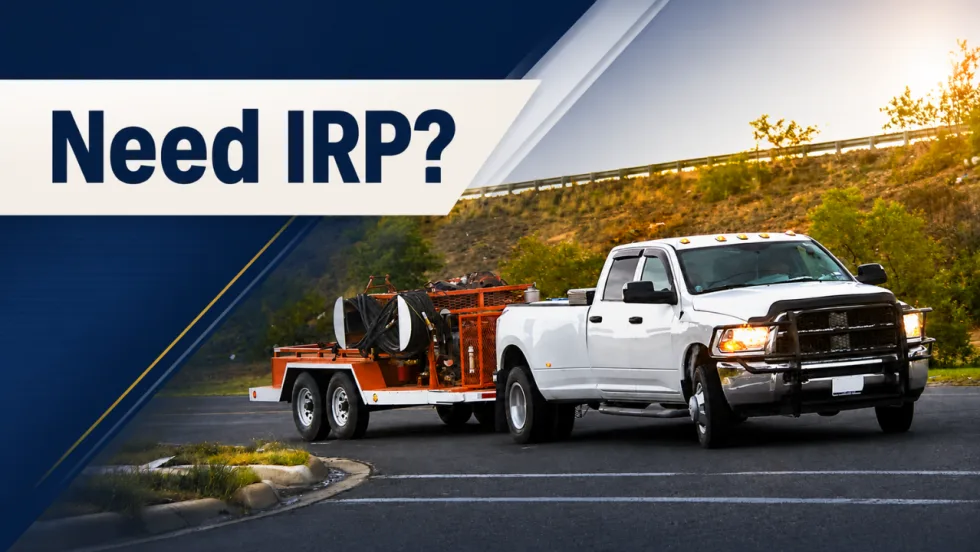
When Work Trucks Under 26,001 Pounds Need IRP Registration
Think trucks under 26,001 pounds are automatically in the clear when it comes to IRP? Not always. Learn where lighter vehicles can still run into trip permit, apportioned registration, and IFTA compliance requirements when crossing state or provincial lines.
Read More →
Volvo Trucks Releases New Safety Recommendations for Traveling with Pets
One of the most important recommendations for professional drivers traveling with pets is to ensure pets are properly restrained while the truck is moving. Other tips are available in the new guide from Volvo Trucks North America and Center for Pet Safety.
Read More →
API Issues Refueling Safety Guidelines
The American Petroleum Institute offers a list of safe vehicle refueling guidelines, including ways to avoid potential problems with static electricity discharges in fall, winter, and early spring.
Read More →
Winter Fleet Prep: Expert Tips to Keep Vehicles Running Smoothly
Cold weather can expose weak batteries, tires, fuel systems, and maintenance gaps fast. Use this winter fleet checklist to prepare trucks and drivers before temperatures drop.
Read More →
When a Work Truck Breaks Down, the Job Can Stop, Too
A work truck breakdown can stop more than the vehicle. Discover how payloads, jobsites, and specialty equipment change the roadside response.
Read More →
What Stronger Long-Term Fleet Service Partnerships Actually Require
Fleet service partnerships rarely fall apart all at once. Learn the three warning signs that trust is eroding and what fleets and providers can do before downtime, frustration, and lost revenue follow.
Read More →
Applause & TRUCE Software Partner to Improve Driver Safety Through AI-Powered Telematics & Employee Performance Management
Applause has integrated TRUCE driving metrics directly into its employee-first performance and safety platform that transforms mobile devices into AI-powered telematics.
Read More →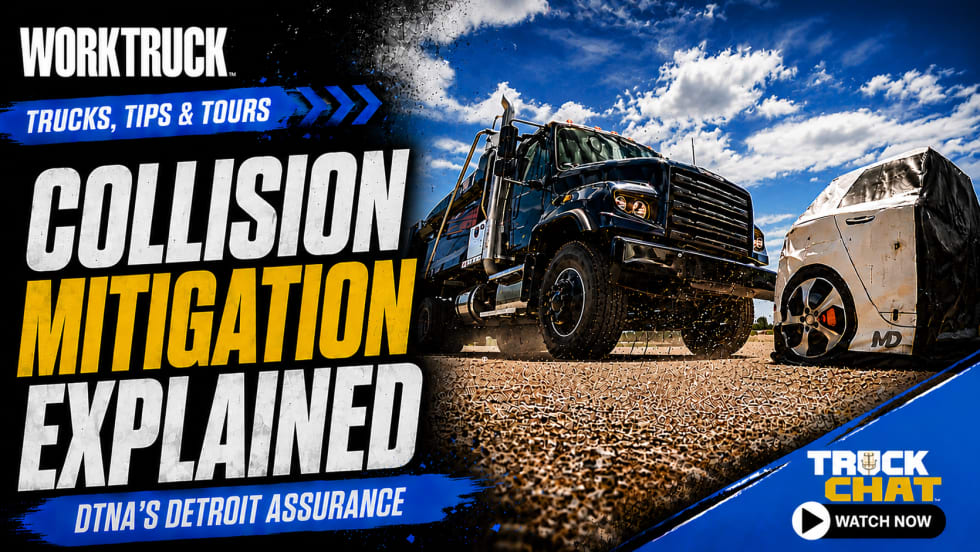
How Detroit Assurance with Active Brake Assist Works
Do you want to see what it is like to experience Detroit Assurance’s Active Brake Assist? In this video, Work Truck will put you in the cab to see how it all works and then hear more details from DTNA’s Mike Young.
Read More →
Get Left of Loss: A 5-Step Workplace Violence Prevention Framework for Fleet Operators
Violence risks do not stop at the driver’s door. Learn five practical steps fleets can take to spot threats early and protect workers before loss occurs.
Read More →
How Better Visibility Cut Speeding Violations by 48%
Fleet leaders don't need more data, they need clearer visibility into what the data is saying. This case study explores how one utility replaced speeding-event counts with a single metric — miles driven in violation — to strengthen safety and significantly reduce speeding violations.
Read More →